Introduction to the Course
Courtesy of Canva Image Library
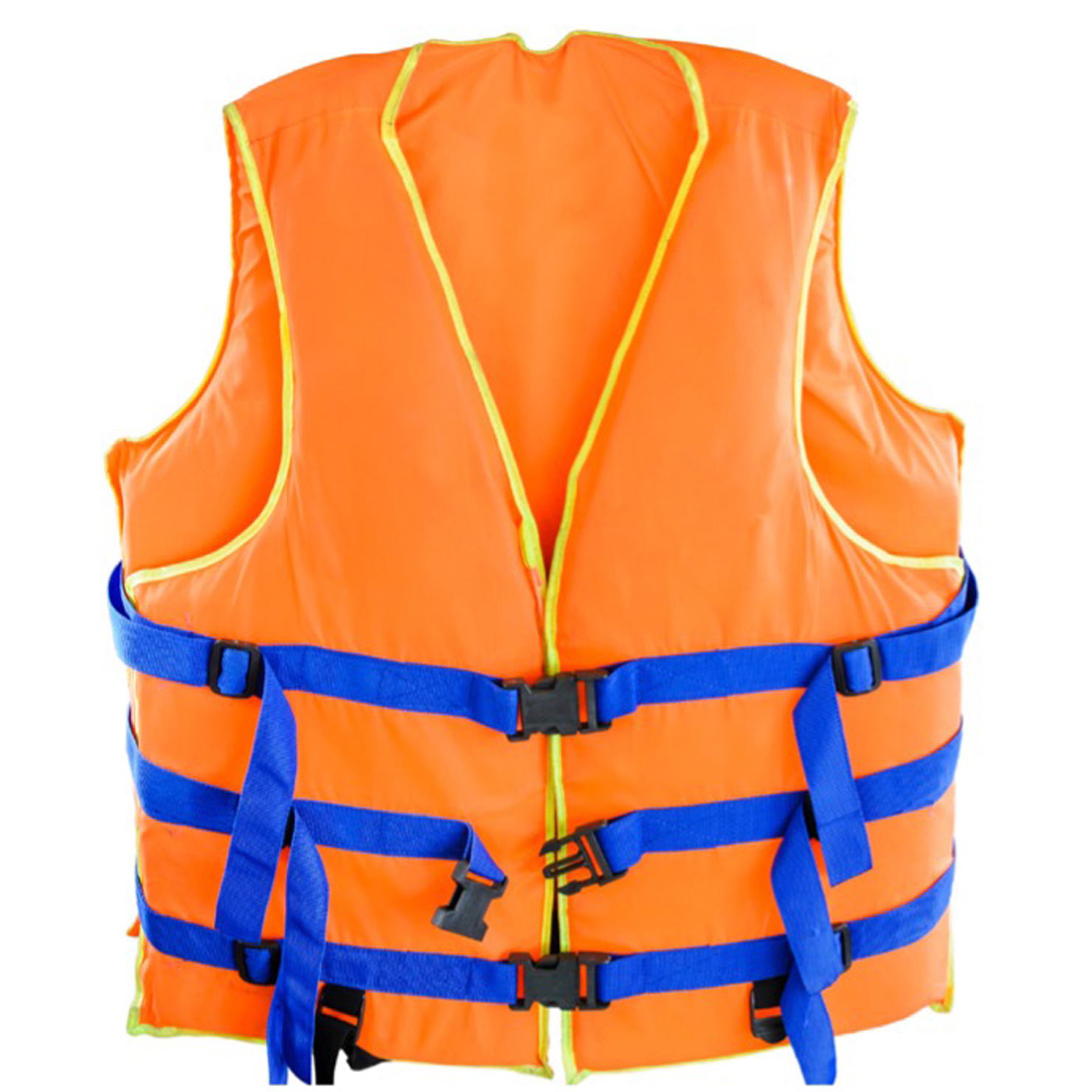
The life jacket is the subject of this technician course (sometimes spelled as a single word, lifejacket). Be careful, as “life jacket” has many meanings, and depending on the context, there can be different definitions. For example, in the United States the term is most often used as a generic term to mean a device that helps keep a body afloat in the water. Confusingly, the term is also used in a technical sense, as a reference to the International Organization for Standardization (ISO) standards for personal flotation devices; in this context, “life jacket” has a precise definition associated with a very specific set of performance characteristics related to turning an unconscious user upright in the water when worn.
As you will see throughout the course, there are many other names that have been used over time: life preserver, life belt, life vest, Mae West, buoyant vest, buoyancy aid, flotation aid, and especially personal flotation device (PFD). All of these names have been used for devices that help keep a person afloat in the water. Technically, PFD is currently the most correct term, defined as a garment or device which, when correctly worn and used in water, will provide the user with a specific amount of buoyancy, increasing the likelihood of survival.
So why are we talking about life jackets and not PFDs?
Despite years of using the term PFD in public-facing discussions, many folks still do not know the term. So, in this course we are using “life jacket” deliberately in its broadest, most generic sense because it is the term most boaters and users recognize and relate to. Learning more about the history of the life jacket will help you understand its evolution and the concepts that helped develop the modern version of this device.