| Features |
|
Competitor 1 | Competitor 2 | Competitor 3 |
|---|---|---|---|---|
| Virginia Approved | Yes | Yes | Yes | |
| Virtual Instructor | No | No | No | |
| Modern Content | Sometimes | No | Sometimes | |
| Hands-On Learning | No | No | No | |
| Mobile-Friendly | Partially | Yes | No | |
| Self Paced | Minimum time requirements | Minimum time requirements | Minimum time requirements | |
| Free Year of Wavve! |
|
No | No | No |
In Virginia, you meet the boater education requirement by completing an approved boating safety course. Virginia does not issue a traditional “boating license,” but it does require boating safety education for certain operators. To obtain a Virginia Boater Education Certificate, you must take a boating safety course approved by the Virginia Department of Wildlife Resources (DWR).
Virginia law requires boating safety education for the following:
- All operators of personal watercraft (PWC).
- Operators of motorboats registered in Virginia with a motor of 10 horsepower or greater.
If you are required to meet the boater education requirements, you must complete a NASBLA-approved boating safety course (or another approved option recognized by Virginia).
If you have already completed a NASBLA-approved boating safety course and still have proof of completion (such as a card or certificate), you do not need to take another course to meet the requirements.
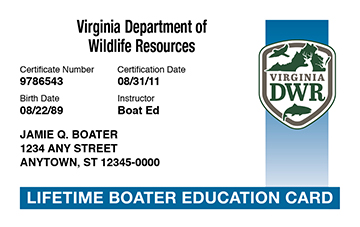
You can meet Virginia’s boater education requirements by completing an approved boating safety course. Virginia recognizes multiple course options and provides a Virginia Lifetime Boater’s Card for eligible operators who want a durable, wallet-sized credential.
Approved formats include:
-
Virtual/Internet Course:
Virginia recognizes NASBLA-approved internet boating safety courses that meet the state’s education requirements.
-
Classroom Course:
Virginia’s Department of Wildlife Resources (DWR) provides a free classroom boating safety course called Boat Virginia, offered throughout the year. Virginia also recognizes courses offered by the U.S. Coast Guard Auxiliary (USCGAux) and the U.S. Power Squadrons (USPS).
Virginia Lifetime Boater’s Card:
Virginia offers a Virginia Lifetime Boater’s Card for a $10.00 fee. The card may be available to those who completed a NASBLA-approved boating safety course (including approved courses from other states or internet courses), completed a Virginia Challenge Exam, or who have lost an original Boat Virginia card.
Virginia recognizes NASBLA-approved boating safety courses, including approved courses from other states and courses provided by organizations such as the U.S. Coast Guard Auxiliary and the U.S. Power Squadrons.
When boating outside Virginia, operators should always review the laws of the destination state, since education requirements may differ.
Boat-Ed+ is produced by Kalkomey Enterprises, LLC. Kalkomey is dedicated to providing print and online boating education courses for North American boaters in Canada and the United States. Boat-Ed is the only boating safety education course and exam provider that develops online courses, eBooks, and print materials on behalf of government boating and boater safety agencies in North America. Completing your Virginia boating safety course through Boat-Ed+ ensures you receive a DWR-approved, NASBLA-compliant education that meets all state requirements for earning your Boater Education Certificate.
Virginia Department of Wildlife Resources
7870 Villa Park Drive, PO Box 90778, Henrico, VA 23228
Made in the U.S.A.
This safety course is proudly made to serve students, agencies, and organizations worldwide.
Is it the Boating safety license?
Boating safety education certification is not the same thing as a Boating license.
What you really need is the Boating Safety Education Certificate.
You can get the
Boating Safety Education Certificate
by taking this boat safety course
at boat-ed.com.
Find out if you need the card.
Did you lose your card? Replace it here.
GET CERTIFIED
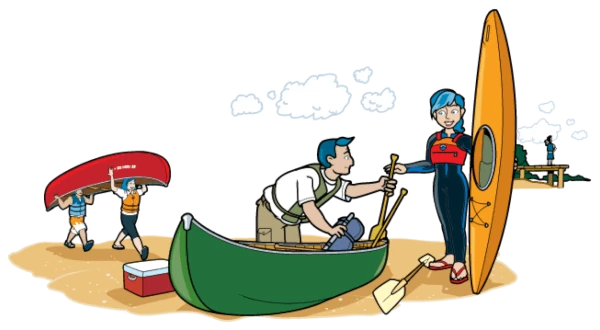
You can take a NASBLA-sanctioned paddlesports safety course to learn safe practices for non-motorized crafts such as canoes, kayaks, and paddleboards. This course focuses on paddlesports safety but does not replace Virginia’s boating safety certificate requirement when operating motorized vessels.
Protect your on-water adventures
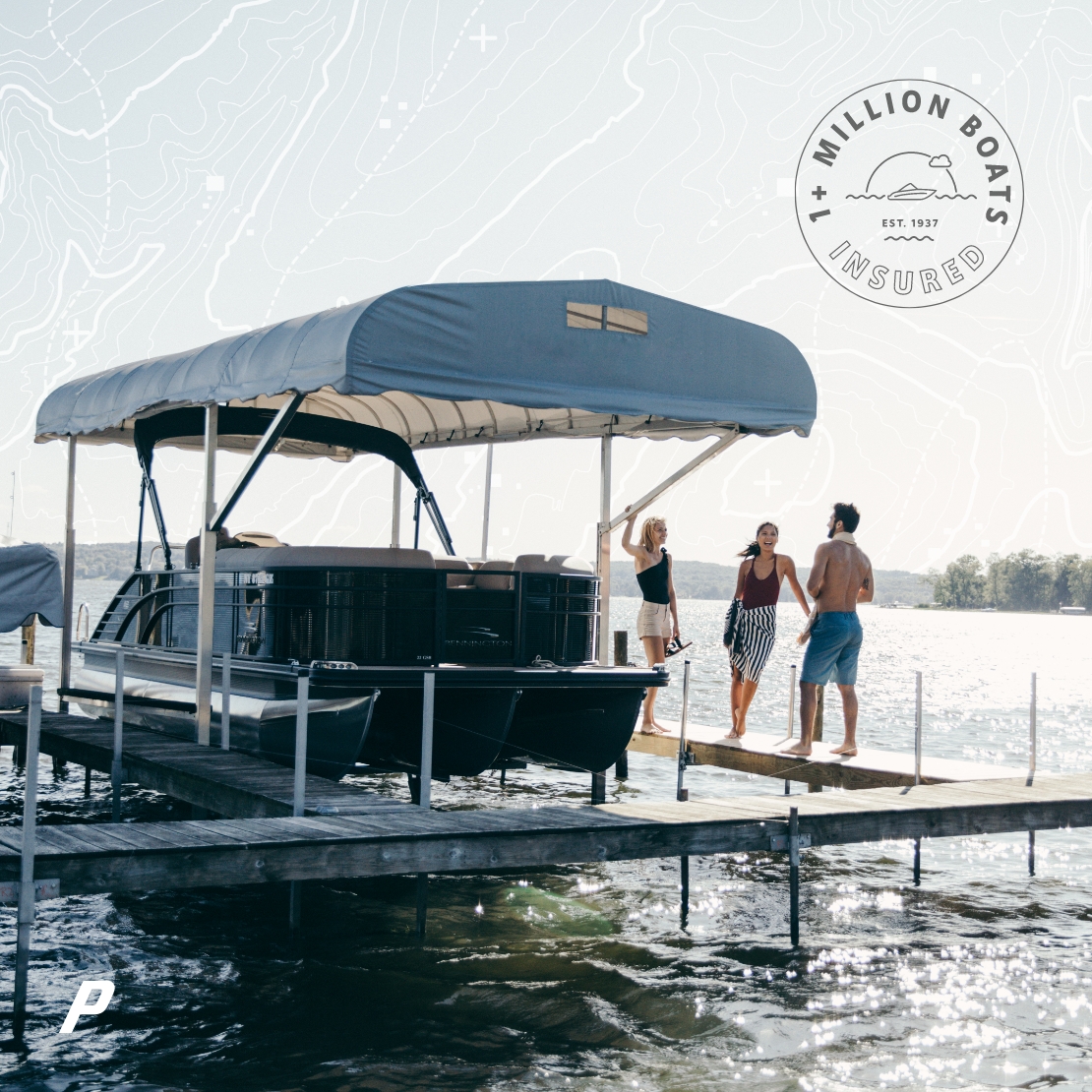
Relaxing on the water is easy when you’re protected with a leader in boat insurance. Progressive has the coverages you need to explore carefree and full of adventure! Discover how we can protect your boat today with coverage we offer to the 1 million+ watercraft we already insure.
Get a Quote
Going boating in Virginia? Whether you’re visiting a big city like Virginia Beach, Richmond, or Norfolk—or heading to smaller towns and historic destinations—Virginia offers plenty of ways to enjoy time on the water. From lakes and rivers to coastal waterways and the Chesapeake Bay area, there are boating options across the state for paddling, tubing, wakeboarding, and more.
Virginia is home to a wide range of lakes and reservoirs where boaters can launch, cruise, fish, and enjoy watersports. Whether you’re looking for a scenic ride, calm paddling routes, or open water for skiing and wakeboarding, Virginia offers locations for all types of boaters and skill levels.
Popular Boating Locations
Lake Anna
One of Virginia’s most popular lakes, Lake Anna offers a boat launch and park access for visitors bringing boats in tow. The park also includes camping facilities, a boathouse complex, and trail access for hiking, biking, and horseback riding.
Wise Lake Reservoir
Wise Lake/Reservoir provides water supply to the town of Wise and also supports recreation for anglers, picnickers, boaters, swimmers, and wildlife watchers. Trails around the lake offer nature access and scenic views for photography and birdwatching.
John H. Kerr Reservoir
Virginia’s largest lake, John H. Kerr Reservoir, features over 50,000 acres of freshwater and more than 800 miles of shoreline. It supports boating, skiing, fishing, sailing, and swimming, with additional shoreline recreation like camping and hiking.
Smith Mountain Lake
Smith Mountain Lake is a 40-mile-long, 20,600-acre lake with about 500 miles of shoreline, located in the Blue Ridge Mountains region. It is a major boating destination with marinas, public docks, rentals, and water-accessible restaurants and businesses.
Claytor Lake
Claytor Lake is known for boating, sport fishing, swimming, camping, and picnicking. The park includes a full-service marina with docking slips, supplies, fuel, rentals, and refreshments, along with cabins and lodges overlooking the lake.