The Boating Laws Every Boater Should Know

Heading out for a day on the water requires preparation. In addition to bringing life jackets, a first aid kit, and navigation charts, you'll also need to understand boating laws and how they apply to you.
By knowing boating laws, you can protect yourself, your passengers, and your vessel from harm and reduce the risk of a boating accident. Here's what to know about boating laws and why they matter for your safety and enjoyment.
Why Do We Have Boating Laws?
Boating regulations protect the safety of boaters, their passengers, and swimmers. These laws reduce the risk of accidents, injuries, and fatalities, and they help prevent environmental damage such as pollution and the spread of invasive species.
These laws also support the fair and orderly use of waterways, and they create a framework for accountability and emergency response.
What Are the Basic Boating Laws in the U.S.?
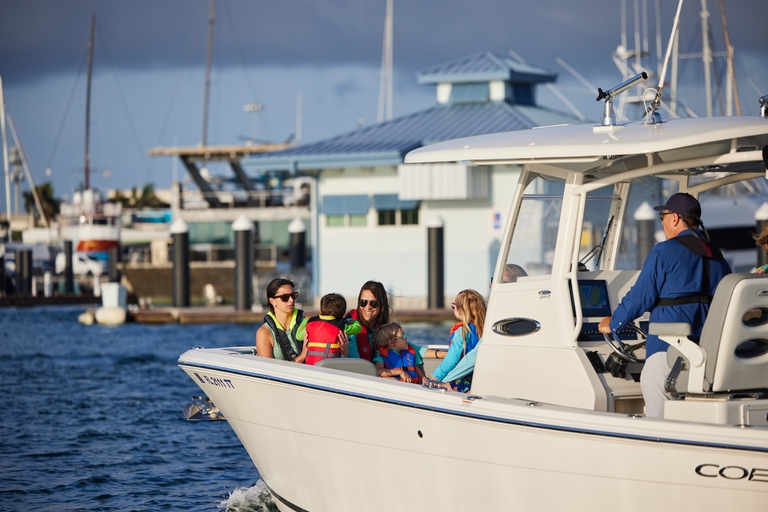
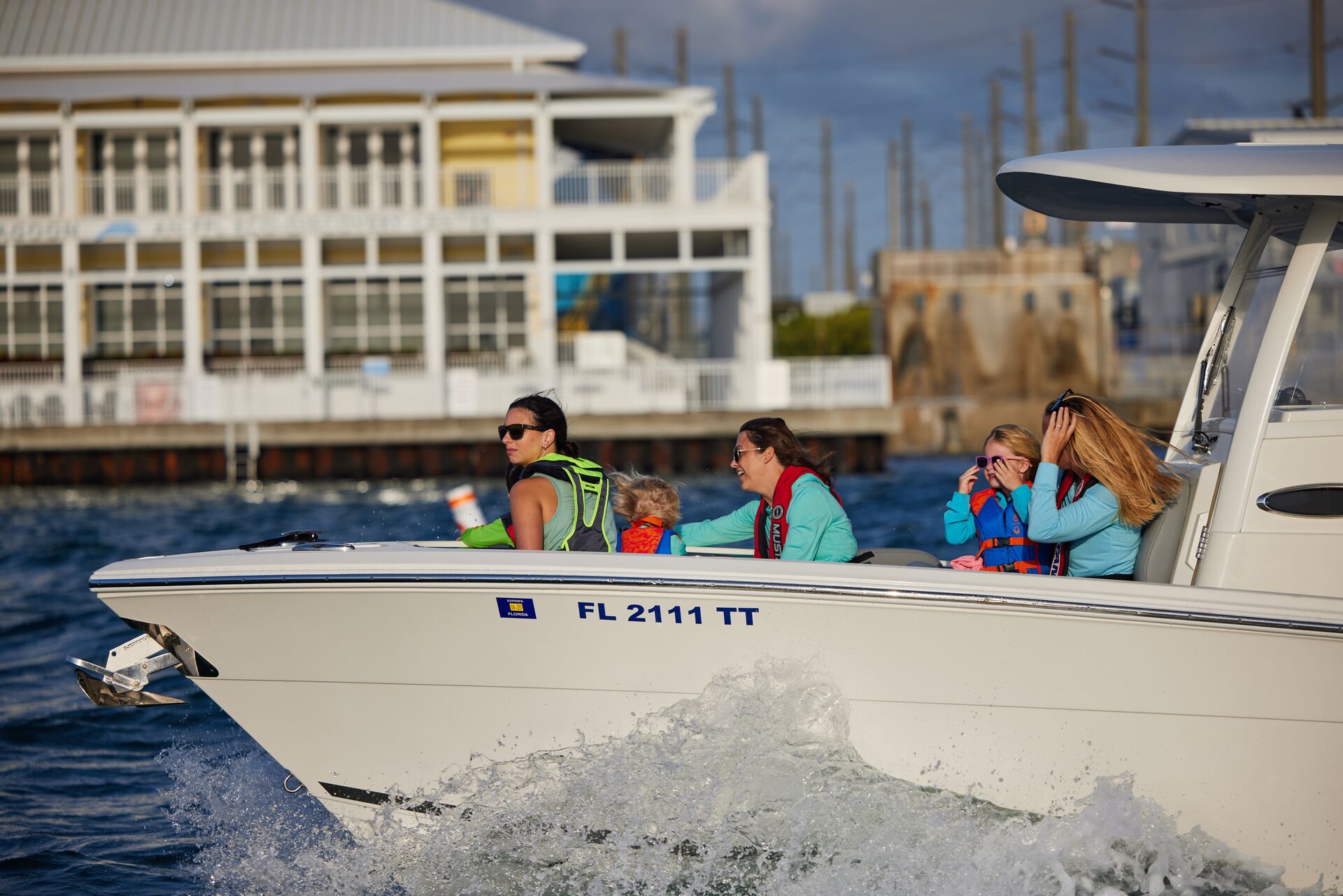
In the U.S., boating laws require vessel operators to follow the navigation "rules of the road" to avoid collisions. All boats must be registered, display proper numbers and decals, and carry readily accessible life jackets (PFDs) for each person on board. Children must wear their life jackets, but age requirements vary by state.
It's also illegal to operate a boat under the influence (BUI) nationwide, and every boat must carry basic safety equipment, such as fire extinguishers, lights, and sound devices.
What to Know About US Boating Regulations
The Coast Guard enforces U.S. boating requirements and provides clear standards for the equipment you need on your vessel, required documentation, and safety specifics.
There are also requirements for sound signals, navigation lights, and pollution prevention, as well as mandatory reporting rules for accidents involving significant property damage, injury, or loss of life.
Additionally, there are special regulations for certain waterways and for species protection, as well as environmental compliance requirements. It's essential to take Coast Guard boating laws seriously to protect your vessel and others around you.
Safety Gear and Compliance Laws
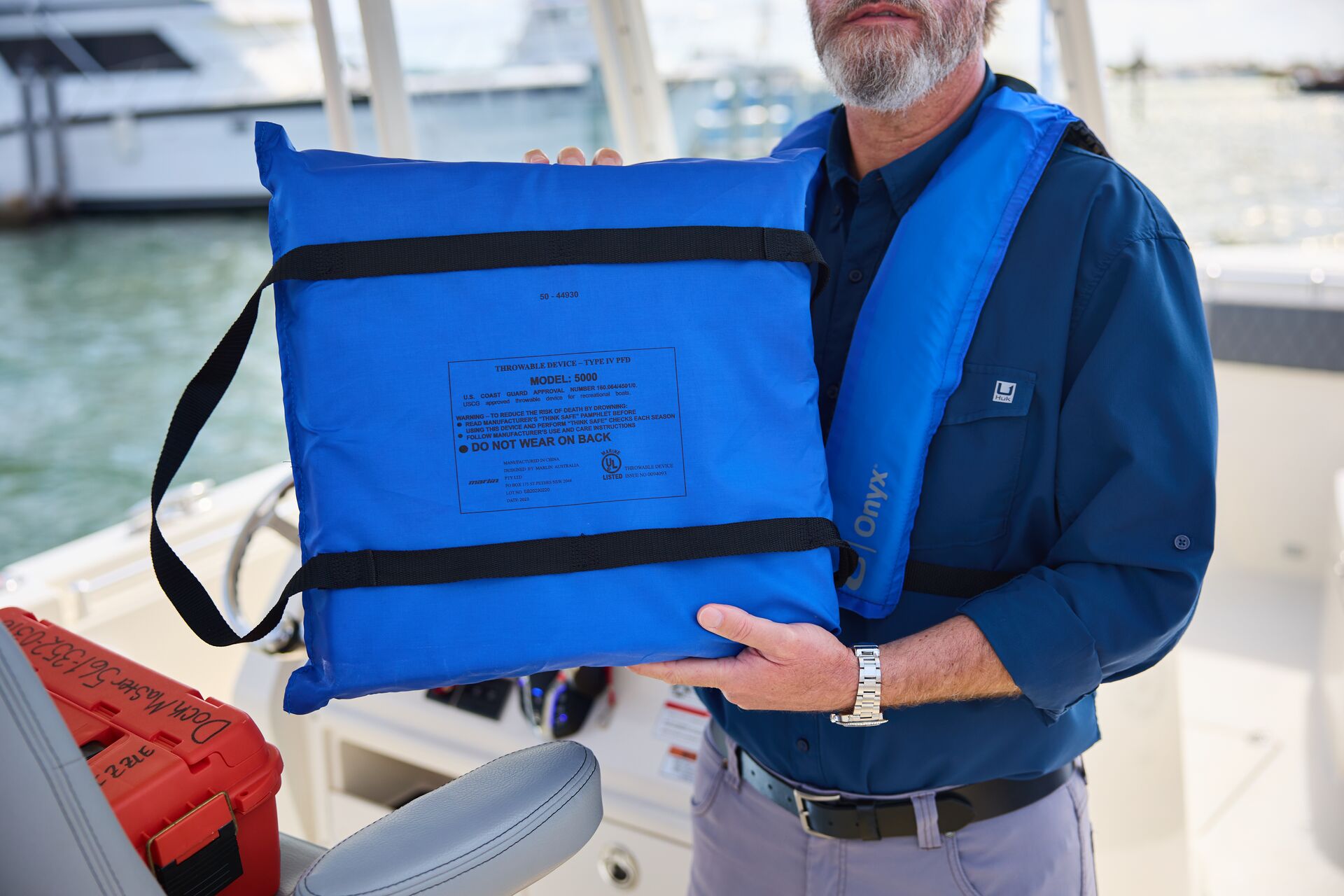
Compliance laws require that every passenger wear a personal flotation device (PFD) or have one readily available. If your vessel is 16 feet or longer, you're also required to have at least one throwable flotation device on board.
Along with PFDs, most motorized boats require fire extinguishers, and vessels operating in coastal waters need visual distress signals, such as lights or flares. You're also required to have a sound signaling device, such as a whistle, horn, or bell, as well as navigation lights for nighttime or low-visibility operations.
Do Boating Laws Vary by State?
Yes. Some boating laws vary from state to state, with each state having its own requirements in addition to the federal boating rules. Most variations in boating laws by state involve speed limits, age limits for vessel operators, and regulations on alcohol use on the water.
State-specific boating laws also often cover local waterways, invasive species prevention, and access points where you and other operators can put your boat into the water.
What Do State-Specific Boating Requirements Include?
Boating laws by state establish minimum age requirements for operating certain types of boats or personal watercraft, and these requirements vary significantly.
States also have their own boater education and licensing requirements, which often include taking a boater education course. Consider local speed zone restrictions, waterway access limitations, and no-wake areas as well.
Be mindful of your state's registration and titling processes to ensure your boat is properly registered. Equipment standards are part of boating laws, and they may be specific to local conditions, such as cold water or tidal areas.
What Are the Consequences of Breaking Boating Laws?
If you break boating laws, there may be fines for noncompliance with registration, equipment, and operational rules. There may also be criminal charges for boating under the influence (BUI) and possible jail time for more serious offenses, such as reckless operation, or a BUI causing injury or death.
If your negligence causes property damage or injury, you could have your boating privileges suspended or revoked. In extreme cases, your vessel may also be seized or impounded, and your insurance company may raise your rates or drop you as a client.
Penalties for Violations
There are penalties for violations, with severity depending on the type and magnitude of the violation.
Minor infractions, such as missing safety gear or improper lights, generally result in fines or citations. Serious violations such as BUI, reckless driving, or hit-and-run could mean criminal penalties.
If you're a repeat offender, you could experience harsher penalties, including the loss of your boating license. Along with state boating laws, federal penalties may apply on navigable waters within the U.S. Coast Guard's jurisdiction.
How Do I Learn More About Boating Laws in My State?
To learn more about state-specific boating laws, take a state-approved boater education course. Your state's boating agency website (often under Parks & Wildlife or Natural Resources) may provide more information on approved courses.
For registration and titling rules, contact your state's Department of Motor Vehicles. You can also review U.S. Coast Guard and National Association of State Boating Law Administrators (NASBLA) resources, or visit your local marinas or boating safety organizations.
Learn More About Boating Laws With a Boat Education Course
Understanding and operating your boat according to boating laws is a crucial aspect of being a safe and responsible boater. Take time to learn about regulations before taking the helm and hitting the water.
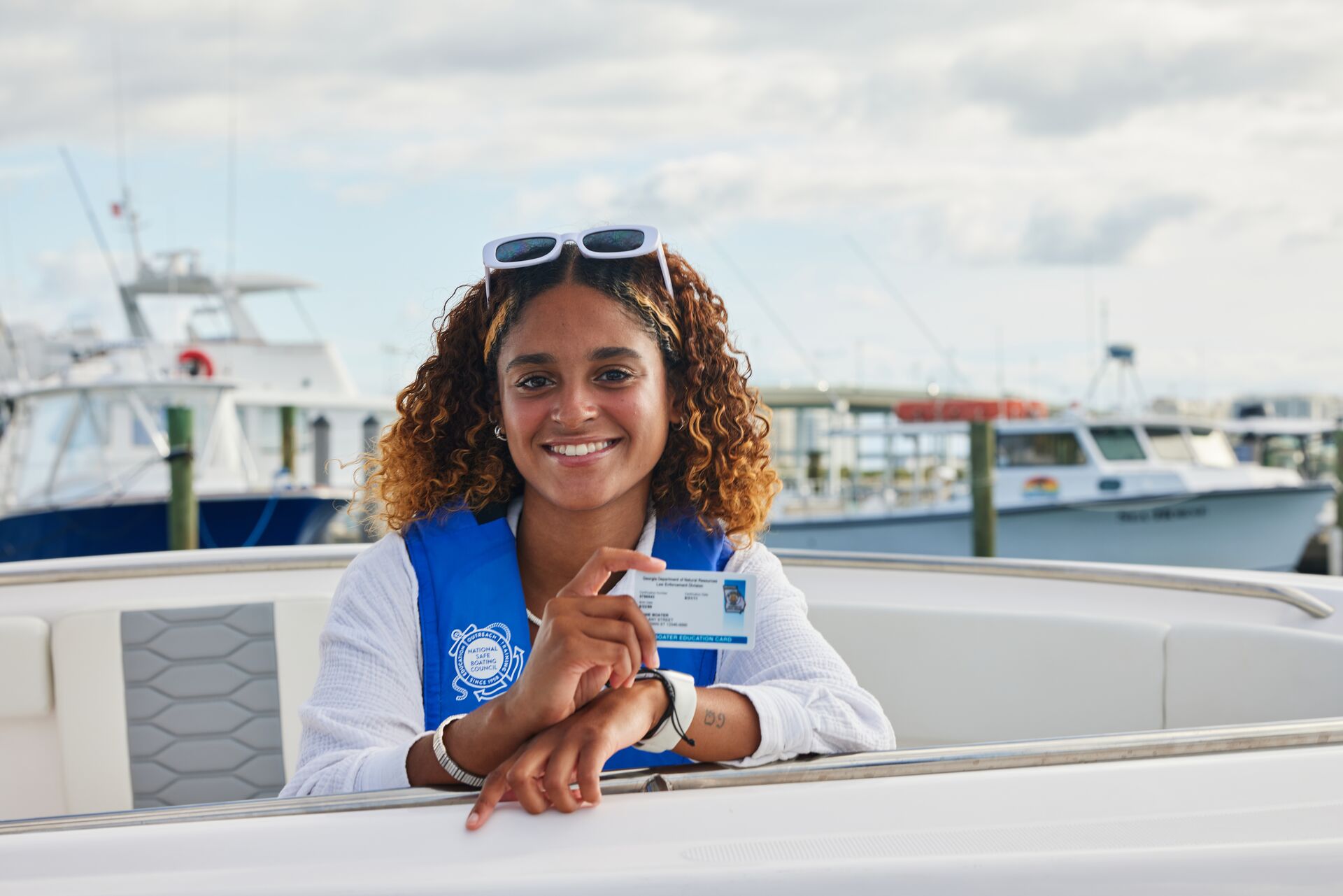
But don't stop at "just" the regulations! Taking a boat education course is one of the best ways to stay safe on the water. You can learn about navigation, rules and regulations, life jackets, etiquette, and more to help you boat with confidence.
Boat-Ed makes it easy (and fun) to learn what every boater needs to know to boat safely. Plus, our courses are state-approved and Transport Canada-approved, so you can meet the requirements for boater education before hitting the water.
Before your next boat outing, take the Boat-Ed boater safety course for your state.
Or, if you boat in Canada, take our course for Canadians.
Frequently Asked Questions (FAQs)
We have the answers to common questions about boating laws!
Q: What are the basic boating laws in the US?
A: All boaters must follow federal and state navigation rules, carry required safety equipment (like life jackets and fire extinguishers), and avoid operating under the influence of alcohol or drugs.
Q: Do boating laws vary by state?
A: Yes. While federal laws apply nationwide, each state sets its own specific boating regulations, licensing requirements, and age limits for operating watercraft.
Q: What are the consequences of breaking boating laws?
A: Penalties for violating boating laws can include fines, suspension of boating privileges, vessel impoundment, or even jail time for serious offenses like boating under the influence (BUI).
Q: Who has the right of way when boating?
A: Generally, powered boats must give way to sailboats, and the vessel on the right (starboard side) has the right of way when two powerboats meet head-on.
Q: What is the 3 R rule in boating?
A: The 3 R rule stands for Recognize, React, and Recover. This is a safety guideline reminding boaters to identify hazards early, take proper action to avoid them, and regain safe control afterward.
Take the Boat-Ed boater safety course for your state.
Or, if you boat in Canada, take our course for Canadians.