What Are Canadian Maritime and Port Authorities?
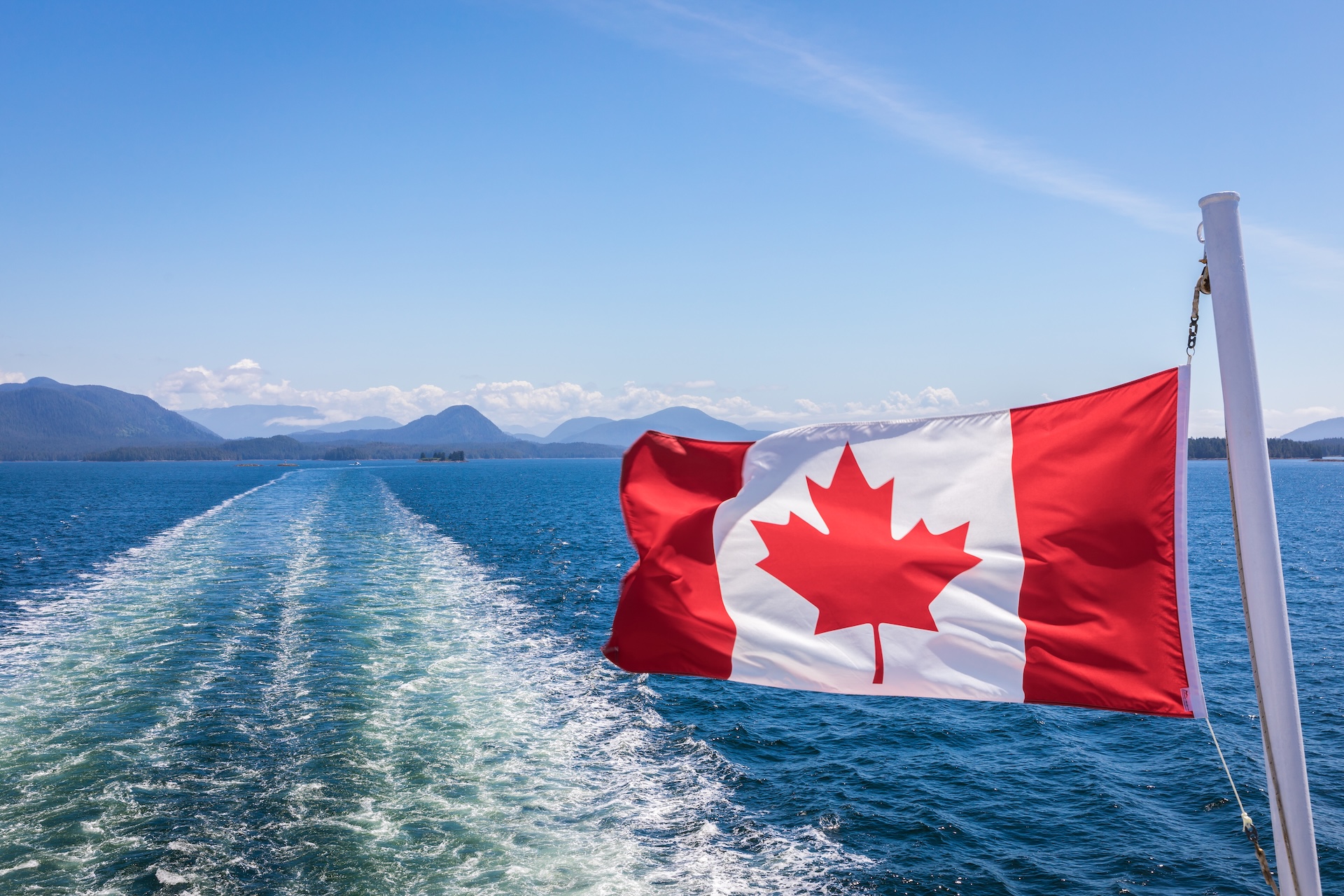
In Canada, several authorities oversee ports and maritime activities. The primary Canadian port authorities include Transport Canada, which manages regulations and policies, and various Canada Port Authorities (CPAs), which handle commercial operations.
From getting your boating license to learning how to keep yourself and others safe on Canada's waterways, working with maritime and port authorities can provide valuable knowledge and information. Here's what to know about these governing bodies and how they can help you have a better boating experience.

What Are Canadian Maritime and Port Authorities?
Canadian maritime authority includes a combination of federal regulators and autonomous port authorities. This system balances security, safety, and environmental protection with commercial efficiency and the proper movement of vessel traffic.
The most significant federal player is Transport Canada, which sets and oversees national policies and establishes marine regulations. Transport Canada is the leading authority for getting a Canadian boating license, and it's a great source of information if you have questions about legal compliance on Canada's waterways.
Transport Canada isn't the only national authority that deals with vessel traffic, though. Canada Port Authorities (CPAs) oversee major ports. These port authorities in Canada operate at arm's length from the government and focus on specific ports. Other federal agencies manage essential functions such as safety, navigation, dispute resolution, pilotage, and border control.

Federal Regulatory Bodies
It's important to understand how Canadian regulatory bodies work together so you can contact the right agency for boating guidance. There are several federal agencies to consider.
Transport Canada (TC)

TC is responsible for several aspects of the boating experience, including marine safety and security, vessel standards, boating license costs, environmental regulations, and accident investigations. It also ensures Canadian ports comply with federal transportation laws.
Canadian Coast Guard (CCG)
The Canadian Coast Guard is part of the Department of Fisheries and Oceans. Though it's not part of the Department of National Defence, the two agencies have a collaborative relationship. The CCG supports safe navigation, icebreaking, search and rescue, and aids to navigation, and plays a role in environmental protection and spill response.
Canadian Transportation Agency (CTA)
The CTA is an independent tribunal that oversees transportation disputes and service complaints. It helps ensure that the Canadian national transportation system—including the waterways—is fair, accessible, and efficient. Additionally, it handles licensing, adjudication, and some economic regulation.
Canada Border Services Agency (CBSA)
CBSA is another key player in Canadian maritime authority by overseeing the flow of international goods and people arriving by sea. This agency manages customs, immigration, and security screening at every marine port of entry in the country.
Pilotage Authorities
There are four regional crown corporations: the Pacific, Atlantic, Great Lakes, and Laurentian Pilotage Authorities. To ensure the safe navigation of vessels on Canadian waterways, these authorities provide marine pilotage services and regulate pilot certification, training, and service fees.


Canada Port Authorities (CPAs)
Along with the federal government's regulatory bodies, there are also CPAs located throughout Canada. Canada Port Authorities add another layer of support and guidance for boaters and others on the water.
What They Are
The 1998 Canada Marine Act created CPAs as autonomous, commercially operated organizations that manage Canada's 17 major ports. They're all self-financed, and though they don't rely on federal funding to operate, their governing boards include federal, municipal, and user-appointed directors.
What They Do
These port authorities are vital in overseeing marine infrastructure and the daily operations of ports. They also set and collect port fees, including wharfage, berthage, and harbor dues.
It's crucial to have port authorities in Canada to manage commercial agreements and property leases, and to help with sustainability initiatives, trade competitiveness, and modernization projects. By following their guidelines, boaters can ensure compliance with federal laws while still making independent commercial decisions.
How Many Port Authorities are in Canada?
There are 17 active Canada Port Authorities, and they work together and with other agencies to represent the country's most significant gateways to trade and commerce.
Canada Port Authority Locations | |||||
| British Columbia | Ontario | Quebec | New Brunswick | Nova Scotia | Newfoundland and Labrador |
|
|
|
| Halifax | St. John's |
What Is the Association of Canadian Port Authorities (ACPA)?
ACPA is a national advocacy body representing all CPAs. It focuses on promoting policy improvements and best practices, as well as supporting the development of Canada's marine trade corridors.
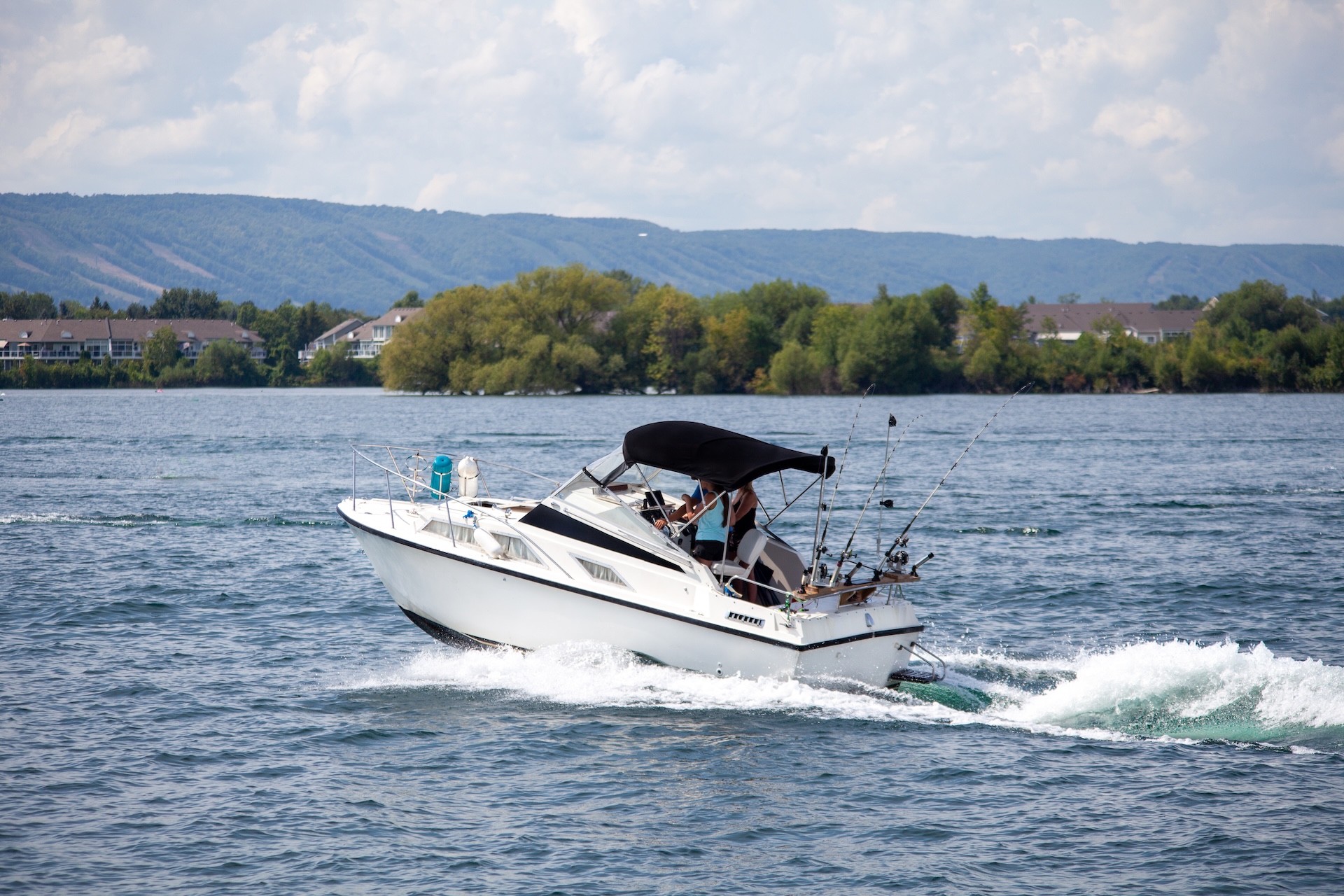
Enjoy Canada's Waterways Safely With a Boat Education Course
Before you head out on the Canadian waterways, make sure you've taken a boater education course.
Not only does what you'll learn help you become more familiar with the rules and regulations set by Transport Canada and other regulatory bodies, but you'll also learn valuable information to stay safe while enjoying your vessel. Plus, Transport Canada requires all motorized boat operators to pass a boater safety course before getting behind the helm.
Boat-Ed makes it easy and fun to complete your boater safety course online and meet TC's requirements!

Frequently Asked Questions (FAQs)
We have answers to common questions about Canadian port authorities!