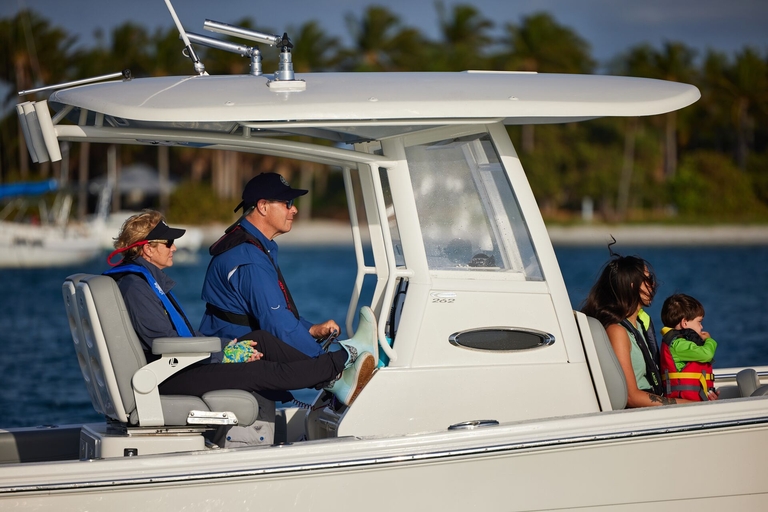
If you're age 12–18 and you want to operate a motorized vessel with more than 10 horsepower in Iowa, you'll need an Iowa Watercraft Safety Certificate. However, if you're older than 18, the certificate isn't required.
So, do you need a boating license in Iowa? While many states require a boating license for anyone who operates a motorized craft, Iowa isn't one of them. However, boater education is important for everyone!
Here's what you need to know about the state's requirements for a boating license, Iowa certification, and how to get started.
Do You Need a Boating License in Iowa?
Whether you need an Iowa boater education certificate depends on your age and the type of boat you're operating (motorized vs. non-motorized).
Ages 12–17
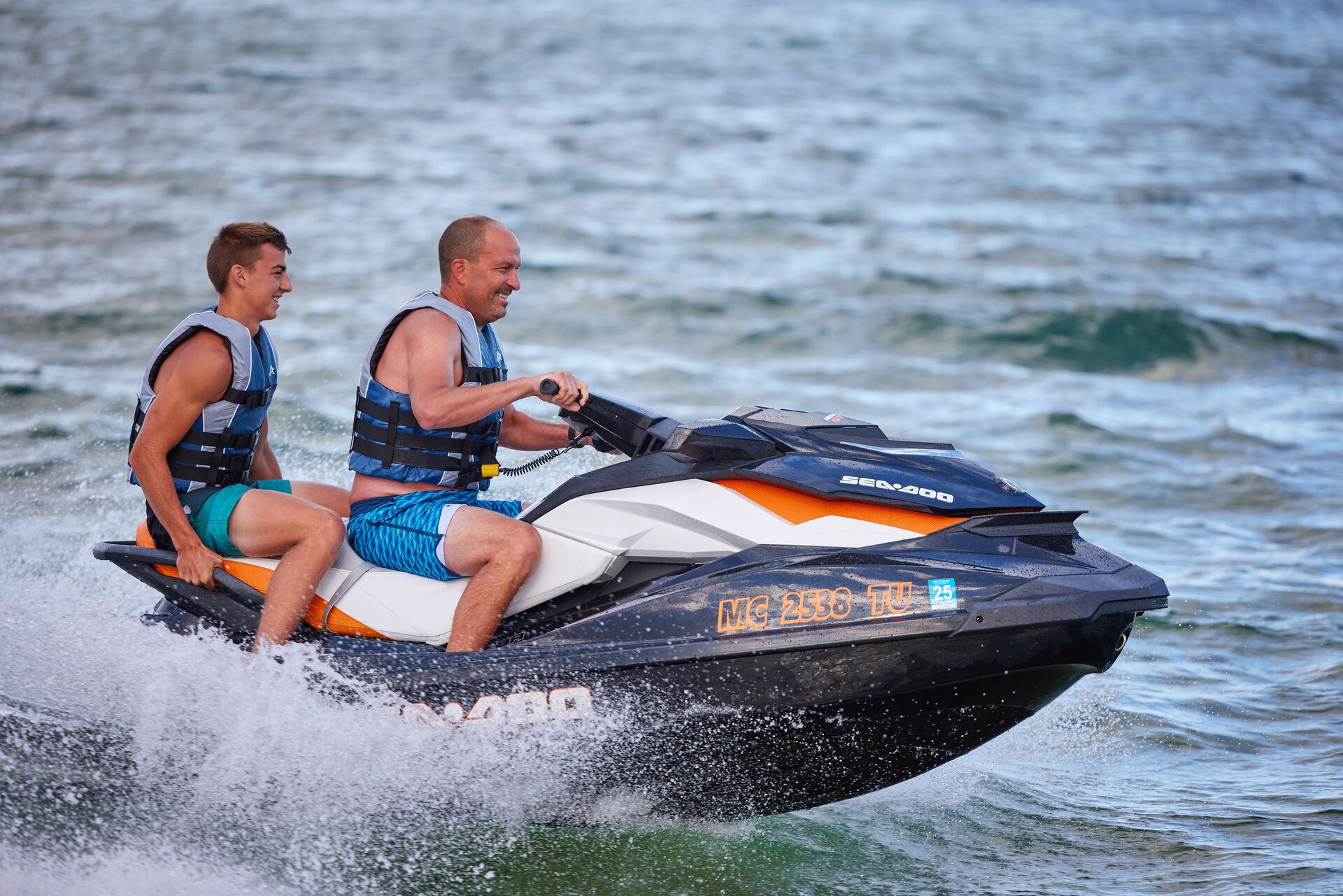
If you're age 12–17, you'll need an Iowa Watercraft Safety Certificate to operate any motorized vessel that's over 10 horsepower or personal watercraft (PWC), such as a jet ski or WaveRunner. Whether you're using a PWC or another type of vessel, the certificate is the same.
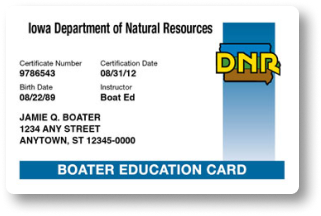
You also need to be supervised by an adult aged 18 or older and experienced in boat operation. If you need a boating license, Iowa law requires that you carry your certificate on board at all times.
Adults (18+)
If you're over 18, you don't need a certificate, regardless of the horsepower of the vessel you're operating. Even though you don't legally have to take an Iowa boater education and safety course, it's still a good idea to do so.
Taking a NASBLA-approved boating safety course will help you stay compliant with maritime laws and reduce the risk to yourself and others on the water.
How to Get the Iowa Watercraft Safety Certificate
To get your Iowa Watercraft Safety Certificate, take an Iowa DNR-approved boater education course, which you can do online or in person. Once you've completed the course, you'll need to pass an exam to earn your certificate.
Whenever you're operating a watercraft in Iowa, you must keep your certificate on board. If you're visiting from another state and want to enjoy Iowa's waterways, you can do so if you have a NASBLA-approved certificate from your home state or province.
Are There Any Other Requirements?
"Do you need a boating license in Iowa?" is just one question to ask before boating in the state. You'll also need to check local requirements to ensure you remain legally compliant. By doing so, you'll keep yourself and others safer while reducing the chances of fines and citations.
Register Your Boat
Boat registration is one of the requirements for operating a vessel on Iowa's waterways. Operators must register all vessels traveling on public waters with the Iowa Department of Natural Resources. Typically, you'll need to renew your registration every three years.
Boater Education Reciprocity
Check for interstate reciprocity if you're traveling to Iowa from another state. If you have a NASBLA-approved certificate from outside the state, you can legally boat in Iowa. That's because out-of-state visitors are legally allowed to operate motorized vessels if they meet the education requirements of their home state.
If you have an Iowa boater card, it's also valid in Canada per reciprocity agreements.
Is a Watercraft Safety Card the Same as a Boating License?
Yes, most states use these two terms (and others like them) interchangeably.
Your Iowa Watercraft Safety Certificate functions as a boater's license and certifies that you've completed the required safety training for operating a motorized vessel. Unlike a driver's license, your boater's license doesn't expire.
Why Is Having This Card Important?
Carrying the Iowa boater safety card demonstrates legal compliance, and boating education helps reduce accidents by improving operators' understanding of the state's boating laws.
When you have a boating license, Iowa waters are safer, and there's a lower risk of injuries, collisions, and property damage. You'll also feel more confident in your ability to navigate busy waterways and handle emergencies, helping you protect yourself and others.
Because the Iowa boating license is recognized across numerous states and in Canada, it's also easier to boat in other locations when you have your license. The cost of a boating license is low, and it's valid for life.
What Will You Learn in a Boater Safety Course?
When you take a boater safety course, you can expect to learn the essentials of responsible boating.
A state-approved course will cover:
Iowa boating laws and operational requirements
Navigation rules, markers, and right-of-way guidelines
Safe vessel operation and speed management
Emergency procedures and accident prevention
Required safety equipment for your boat
Environmental stewardship and responsible boating
PWC-specific handling and safety considerations
By understanding these concepts, you'll get more from your boating experience while making Iowa's waters safer.
Take the Iowa Boater Education Course with Boat-Ed
Even if it's not legally required, it's important to take a boater education course. Boat-Ed makes it easy to do that in a matter of hours!
With online instruction from Boat-Ed, you'll earn your Iowa Watercraft Safety Certificate while learning more about responsible boating. Not only will this help you stay safe on the water, but it will also prepare you for adventures by making you a more confident boater.
Boat safely in Iowa this season! Take the online boater safety course through Boat-Ed.
Frequently Asked Questions (FAQs)
We have answers to your questions about whether you need a boating license, Iowa boaters!
Q: Do I need a license to drive a boat in Iowa?
A: No, Iowa does not require a boating license for most adults. However, some younger operators may need to complete a boater education course to operate certain motorized boats.
Q: Does a kayak classify as a boat?
A: Yes, a kayak is legally considered a “vessel” (boat) under Iowa boating laws, so general boating rules (such as safety equipment and intoxication laws) still apply.
Q: Can you drink while on a boat in Iowa?
A: It depends. Passengers can drink alcohol on a boat, but the operator cannot be intoxicated. Operating a boat with a blood alcohol level of 0.08% or higher is illegal (i.e., boating while intoxicated).