The Gale Warning: What It Is (and What to Do)
It's essential to consider the weather when you head out for a day on the water. You don't want to end up trapped in a severe storm, risking the potential for your boat to capsize.
To have a safer day of adventure, check your area's boating weather forecast. If the forecast includes a gale warning or other serious weather event, it's best to stay on land.
So, what is a gale force wind, and what kind of warning comes with it? Here's what to know about gale warnings, including how to protect yourself and your passengers.
What Is a Gale Warning Definition?
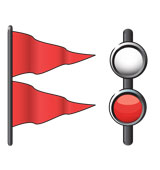
The National Weather Service (NWS) or equivalent meteorological agency issues a gale warning. It's an alert that indicates sustained surface winds of 34–47 knots (39–54 mph or 63–87 km/h), and it applies specifically to marine and coastal areas.
The gale warning meaning is essential to understand, because knowing that a gale is approaching gives mariners and coastal communities time to prepare for it. These warnings provide vital information on the timing of the anticipated gale, its expected duration, and the precautions to take.
What Does a Gale Warning Mean for Boaters?
If you're boating, you should pay close attention to various types of marine warnings, including the gale warning. During a gale, strong waves, rough seas, and reduced maneuverability can be hazardous for small and medium-sized vessels.
There's a high risk of capsizing if you're in a smaller boat, and your best course of action is to stay in port or seek safe harbor immediately. By paying close attention to the forecast, you can generally avoid being caught in a gale and plan your boating excursion for another day, when the weather is calmer.
How Strong Are Gale Force Winds?
Gale force winds are 34–47 knots (39–54 mph or 63–87 km/h), and they're strong enough to cause serious issues such as:
- Large waves and sea spray offshore.
- Difficulty walking or standing on land.
- Damage to trees, loose structures, and unanchored objects.
Being caught in these winds is dangerous and stressful on land, and even more concerning in a boat, where you have a reduced ability to escape the wind and water.
Wind Speed Classifications
Gale forcw winds are not the only winds boaters must be aware of. What are the different wind speed classifications?
Here's a quick reference chart:
Wind Speed Classifications (Beaufort Scale Reference) | |
| Breeze | 4–30 knots (light to strong breeze) |
| Near Gale | 28–33 knots |
| Gale | 34–47 knots |
| Storm | 48–63 knots (55–73 mph) |
| Hurricane Force | 64+ knots (74+ mph) |
What Is the Difference Between Gale and Storm Warning?
The primary difference between gale and storm warning is the intensity of the wind, with a gale warning indicating winds of 34–47 knots and a storm warning denoting slightly stronger winds of 48–63 knots.
Both warnings are for marine and coastal regions, but storm warnings mean significantly higher risks to vessels, structures, and safety. In other words, warnings for storms are more significant than those for gales, but you should still take gale warnings seriously. Gales can be extremely hazardous, particularly to smaller vessels, and can significantly increase your chances of a boating accident.
Safety Actions During a Gale Warning
The best thing you can do during a gale warning is stay out of the water. Keep your vessel in port or on dry land, and postpone your trip for another day.
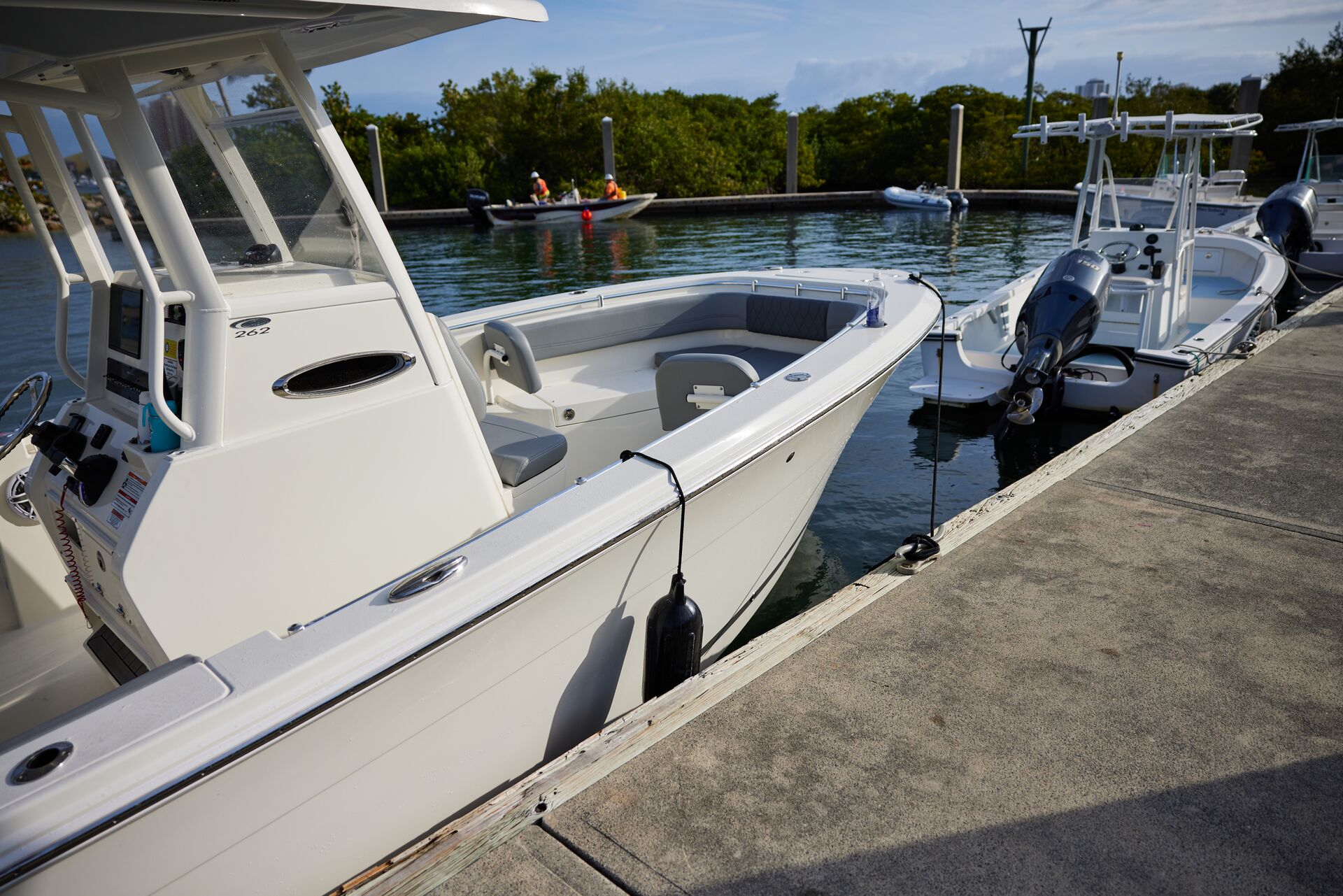
Secure your boat's moorings and inspect its anchor lines if you're at a dock. The goal is to keep your vessel stable and secure while allowing it to move up and down with the waves to minimize the risk of damage.
Avoid open water while the warning is in place, and pay close attention to the waves and the tidal forecast. Even if the wind has calmed down and the sun is out, the waves can still be strong, and open water may be rough.
If you're a coastal resident notified of a gale warning, focusing on high wind safety is essential. Secure your outdoor items, such as trash bins and patio furniture. Additionally, it's best to avoid beaches, piers, and jetties, as dangerous waves and currents can be present in these areas.
By staying tuned to official forecasts and alerts, you'll know when the weather has calmed down and it's safe to resume normal activities.
Reduce Risk in Any Type of Weather with a Boat Education Course
The tips we shared today should help you understand the gale warning and what to do to stay safe when you see one.
One of the best ways to understand warnings and how to stay safe on the water is to take a boat education course, like the online courses we offer here at Boat-Ed. Not only will you learn all about marine weather and the warnings that come with it, but you'll also get crucial information on boating etiquette, emergencies, and navigation, so you can feel confident when driving your boat.
No matter when you plan to hit the water, most U.S. states and Transport Canada require boat operators to carry a boating safety certification. So, whether you are planning a last outing of the season or thinking ahead to next season, get certified with Boat-Ed!
In the U.S., take the boater safety course for your state.
In Canada, take our Transport Canada-approved course.
Frequently Asked Questions (FAQs)
We have answers to your questions about gale warning when boating!
Q: What does a gale warning mean for boaters?
A: A gale warning alerts boaters that strong winds (dangerous for small craft) are expected or occurring. These winds are typically between 34 and 47 knots (39–54 mph).
Q: How strong are gale force winds?
A: Gale force winds range from 34 to 47 knots (39–54 mph or 63–87 km/h).
Q: What is the difference between a gale warning and a storm warning?
A: A gale warning covers winds of 34–47 knots, while a storm warning indicates stronger winds of 48–63 knots (55–73 mph).
Q: Is a gale warning worse than a storm warning?
A: No. A storm warning signals higher wind speeds and more severe conditions than a gale warning.
Q: How many miles per hour is a gale warning?
A: A gale warning means sustained winds between 39 and 54 miles per hour.
Get safety certified before operating a boat!
In the U.S., take the boater safety course for your state.
In Canada, take our Transport Canada-approved course.