Go Fish! 4 Reasons Why You Should Go Fishing Today
Going fishing is an effective way to reduce stress, improve mental health, and enjoy light physical exercise. It offers a chance to spend quality time with family or friends, disconnect from screens, and support local environmental conservation efforts through license purchases.
Regardless of why you fish (or why you might be interested in learning to fish), it's an excellent way to spend time outdoors, enhance your safe boating skills, and get out of your daily routine, unless your daily routine is fishing!
So, when was the last time you went fishing? If it's been a while or you never have, consider four reasons why you should cast your line today!
Updated August 25, 2026
1. Fishing Boosts Your Mood
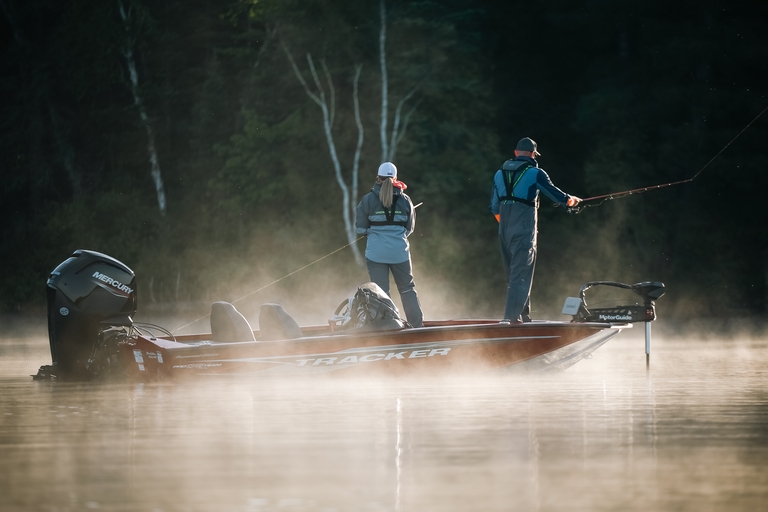
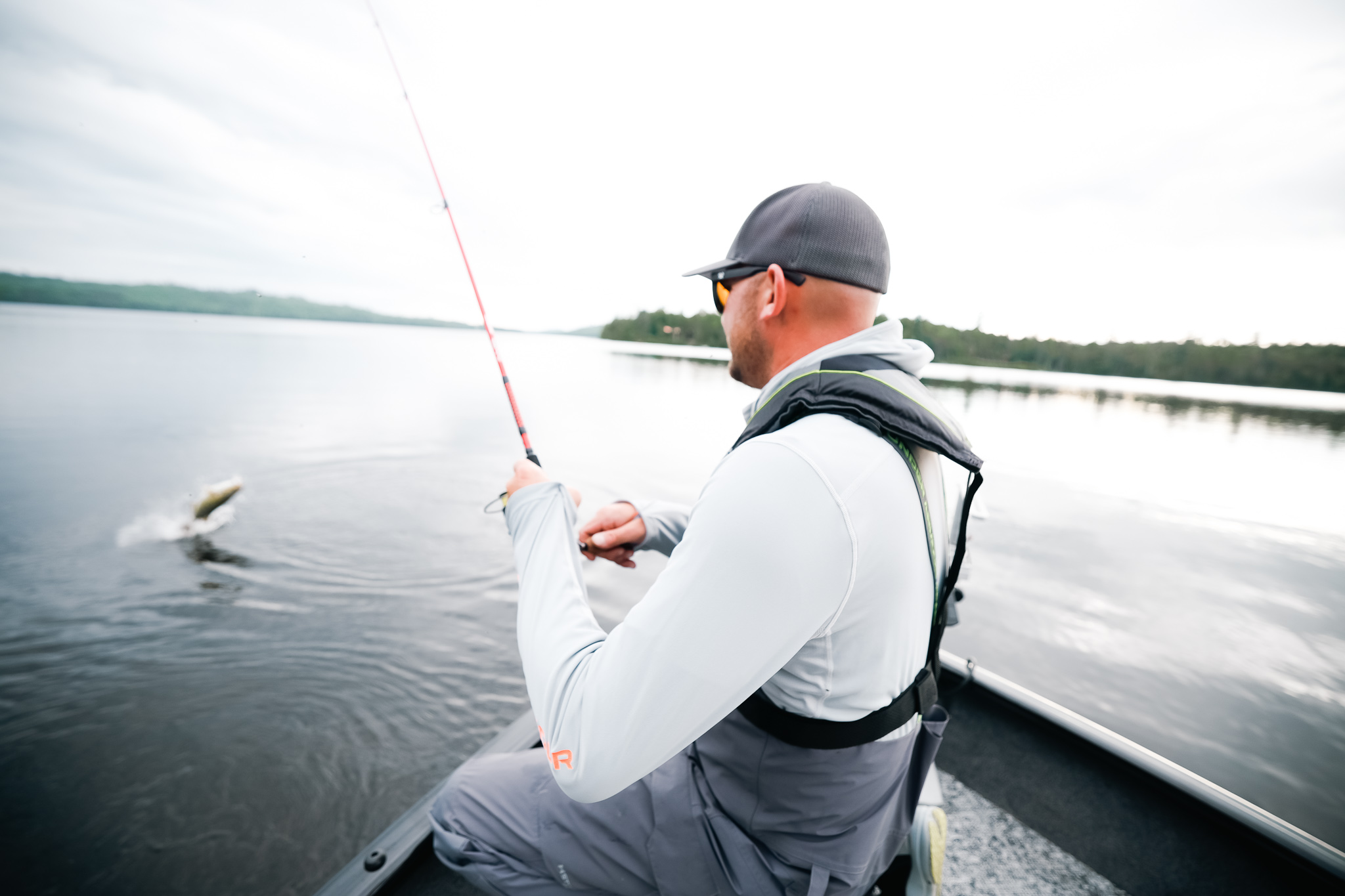
Are you stressed? Jump on a boat and cast a line!
There's nothing like hitting the pause button on your hectic life and relaxing in the great outdoors. Spending time in nature can boost your creativity and improve your mental health. So, if you're feeling a bit uninspired, overwhelmed, or stressed, just pack up your rod and reel and take a trip to the lake!
2. Spend Quality, Uninterrupted Time with Loved Ones
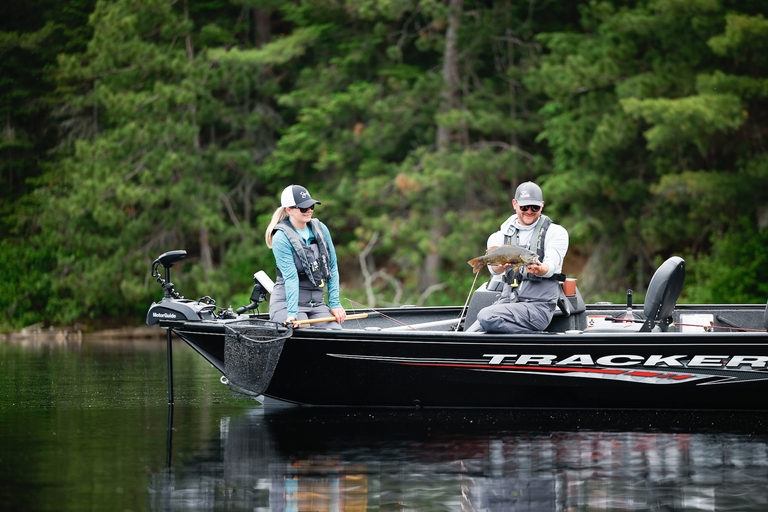
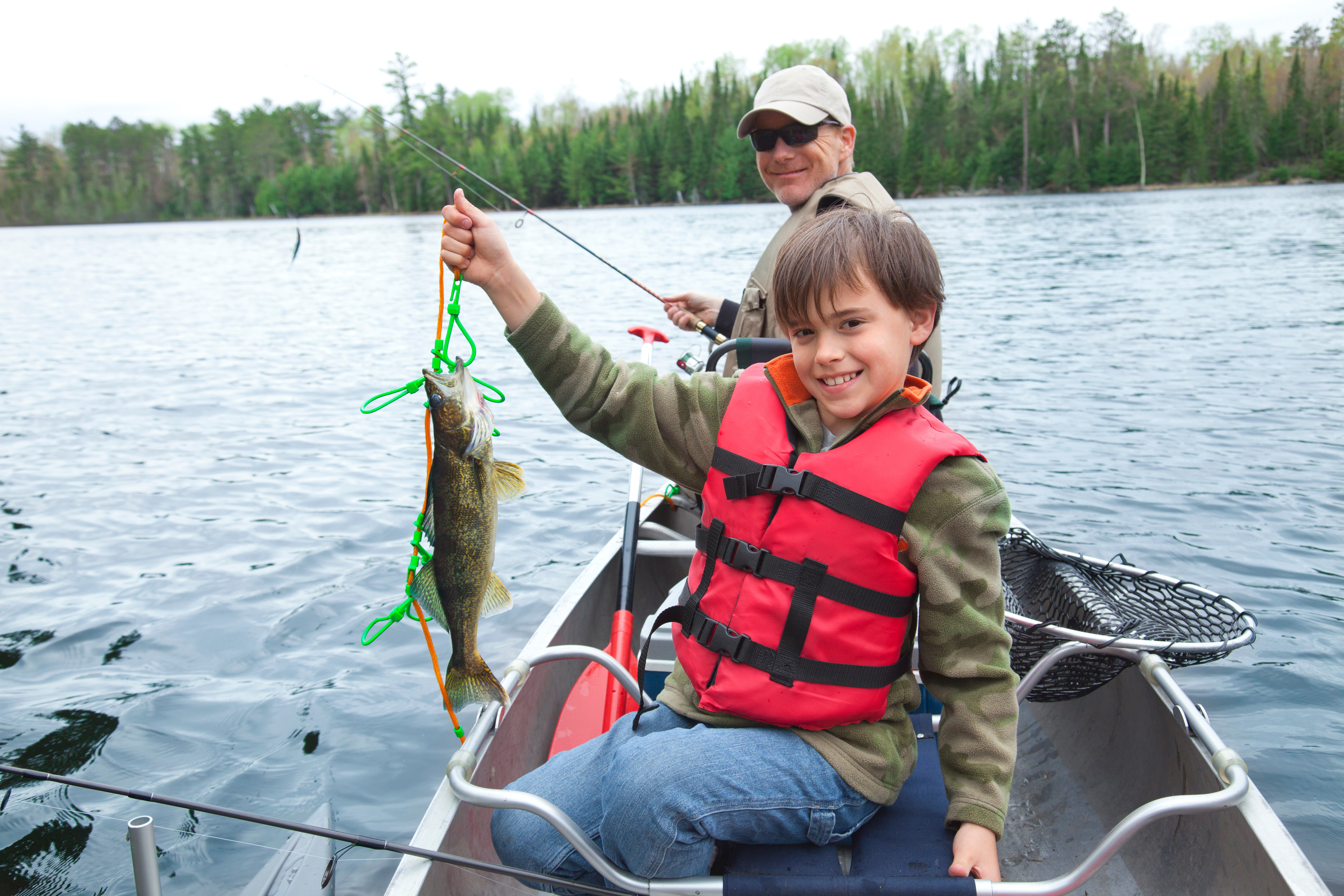
Fishing is a great way to get your kids (or even your significant other) to step away from their computer screens and spend quality time together.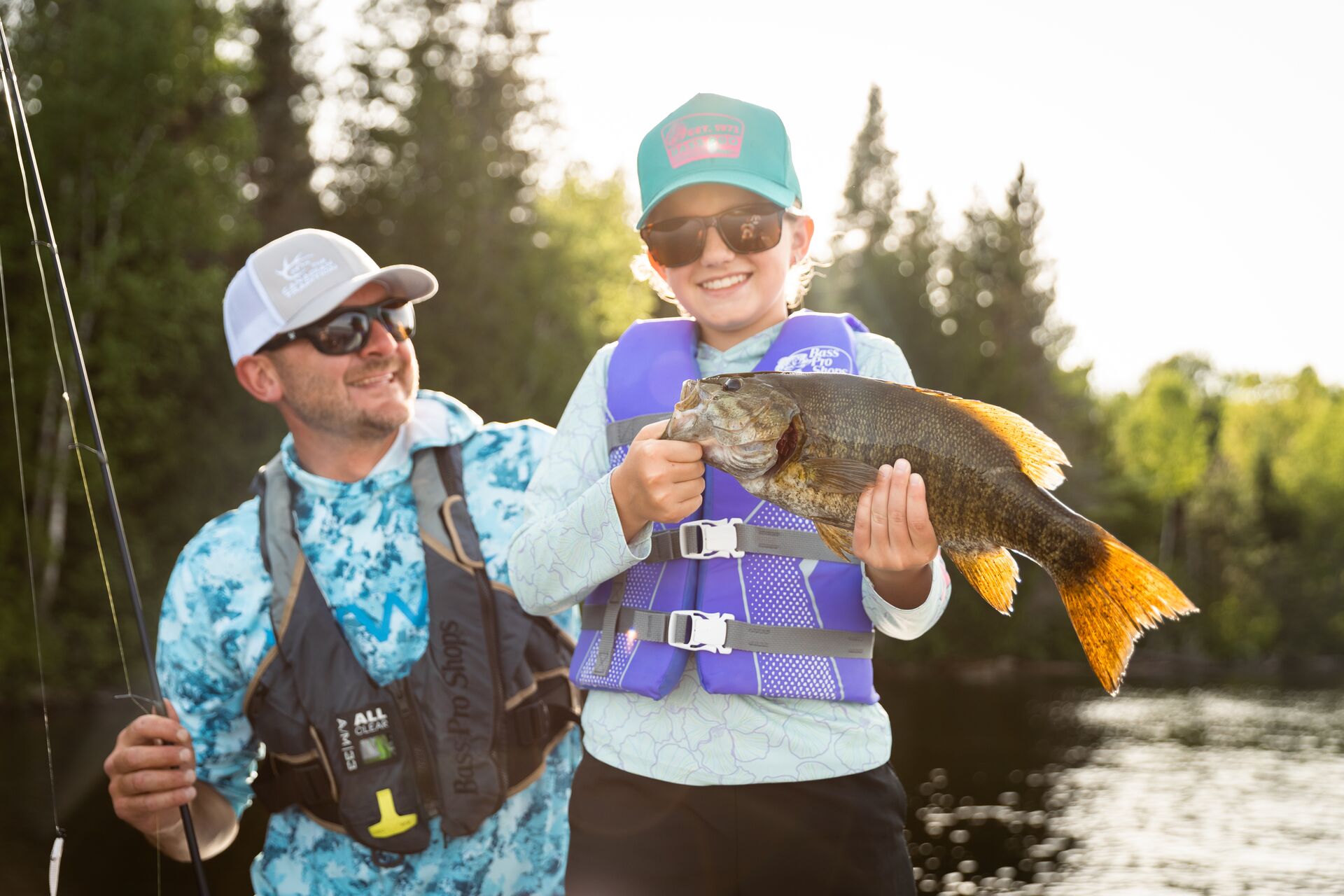
As the saying goes, "Kids won't remember their best day of television," but they will remember reeling in that giant bass!
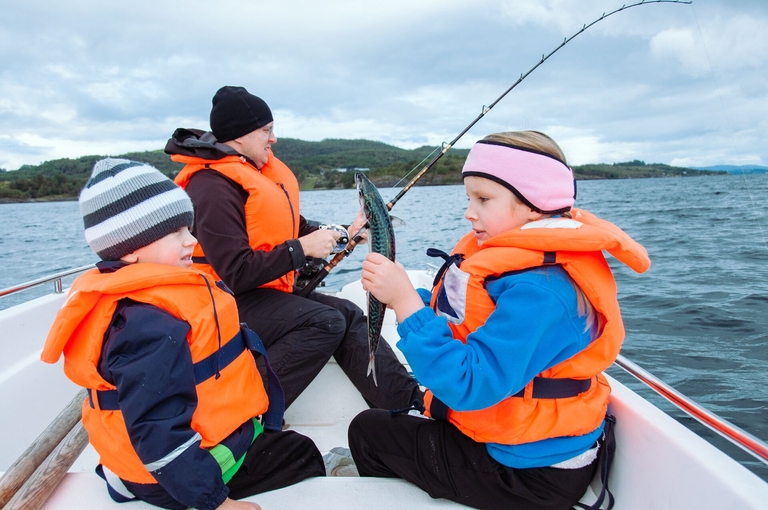
Kids love fishing and being outdoors. While they might not like touching the worms to put one on a hook, they will enjoy spending time with you on the water and the excitement of feeling a fish on the line and pulling it into the boat.
Remember: When taking the family out for a day on the boat to fish and enjoy each other's company, make sure everyone has a fishing license for where you plan to fish. Teaching kids the proper way to fish and follow local regulations is crucial!
3. You're Funding Conservation Efforts
Speaking of those licenses, did you know that purchasing a fishing license helps fund conservation programs?
Each year, the U.S. Fish & Wildlife Service distributes millions of dollars to state fish and wildlife resource agencies. These agencies and funds are dedicated to restoration and enhancement projects throughout the country.
If clean water, clean air, and preservation of natural habitats sounds good to you, then do your part and go fishing!
4. You'll Have Plenty of Fresh, Wild Fish!
I know what you're thinking. Why fish when you can buy salmon and tilapia at your local grocery store?
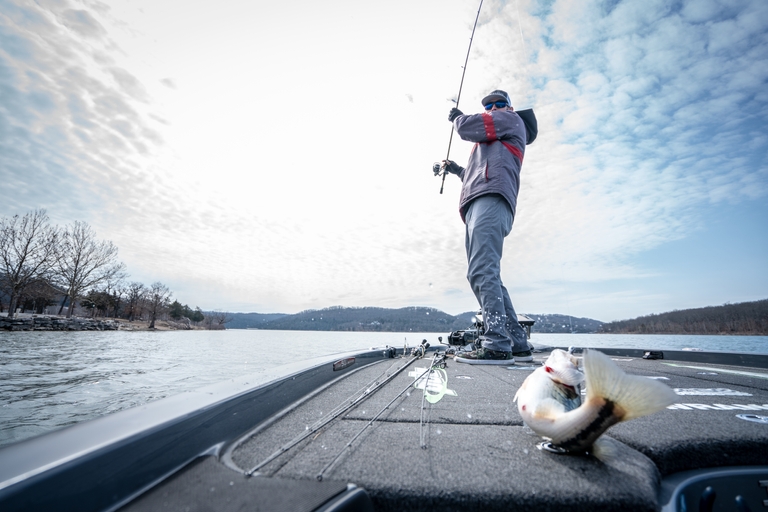
Well, for starters, wild-caught salmon has fewer calories and less fat than its farm-raised counterparts. It also has more omega-3 fatty acids, which can lower your risk of heart disease.
Plus, going fishing is more fun than simply picking up some salmon or catfish from the grocery store.
When planning your fishing trip, make sure your favorite fishing spot allows you to take your catch home. Some areas only allow catch-and-release fishing to protect the fish population. However, catching and releasing holds the same mental health and mood-boosting benefits as fishing for your dinner!
How to Get Into Fishing
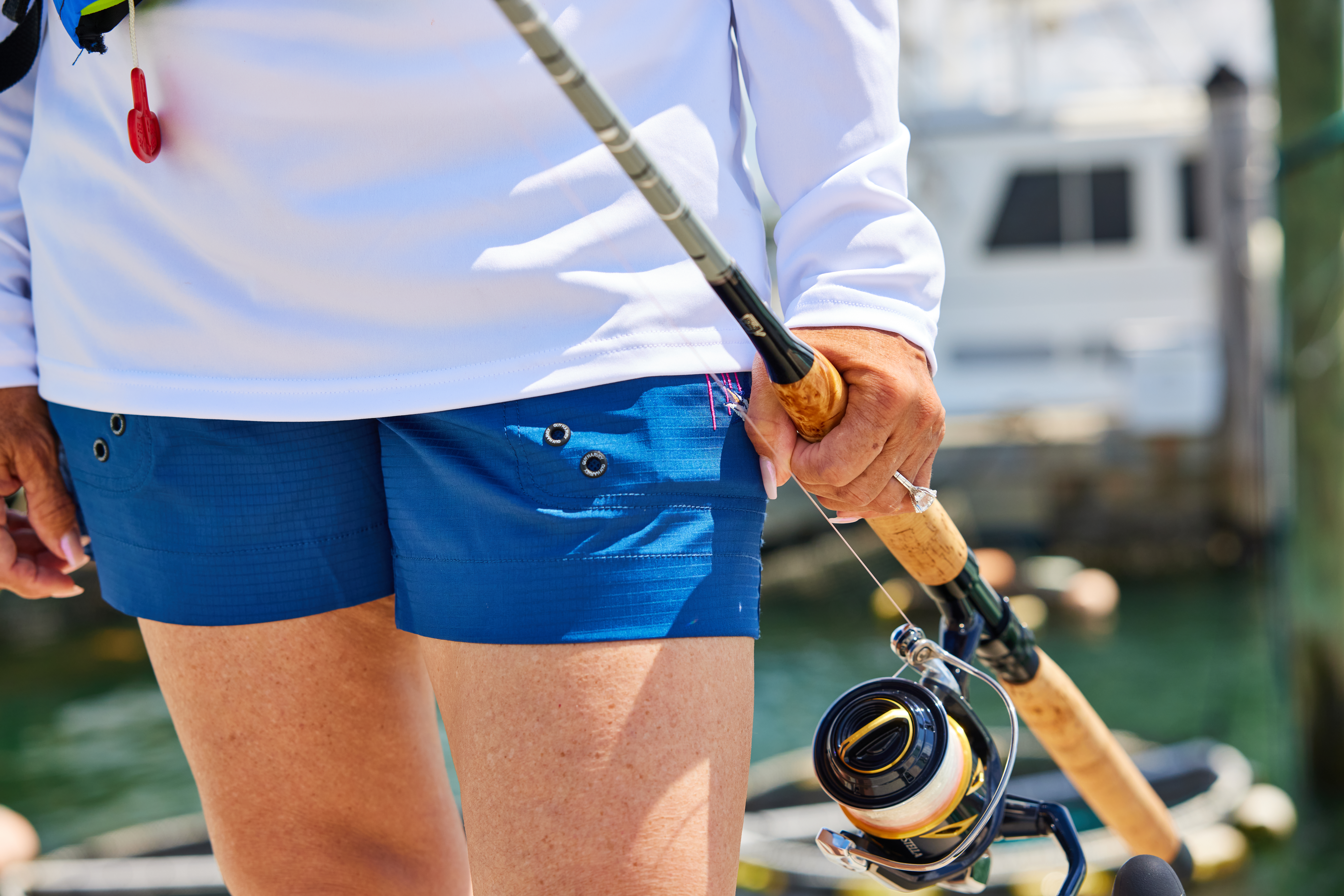
Fishing is one of the easiest outdoor hobbies to pick up, and you don't need years of experience to enjoy your first trip. With a little preparation, you can be casting a line within a week or two. Here's how to get started.
- Decide what kind of fishing you want to try. Freshwater fishing from a boat, dock, or shoreline is the most beginner-friendly option, since lakes and ponds tend to have calmer water and easier access. Saltwater fishing offers more variety but often requires bigger gear and more experience with tides and currents. Start with freshwater fishing close to home, then branch out as you build confidence.
- Gather basic gear. You only need a few items to get started: a rod and reel, fishing line, hooks, and a small selection of bait or lures. A beginner's guide to angling can help you choose gear that matches the type of fishing you plan to do. Keep your first tackle box simple and add to it as you learn what you actually use.
- Learn the basics of casting. Practice casting in an open area, like a backyard or park, before you head to the water. Focus on a smooth, controlled motion rather than distance, since accuracy matters more than power when you're learning. A few practice sessions on land will save you time (and tangled line) once you're fishing for real.
- Get your fishing license. Most states require a fishing license before you cast a line, and requirements vary depending on where you plan to fish. Check with your state's wildlife agency to confirm age limits, fees, and any exceptions that may apply. Getting licensed also helps fund conservation efforts that keep fish populations healthy for years to come.
- Choose a good spot and time. Ponds, calm rivers, and the edges of lakes are solid starting points for new anglers. Early morning and dusk tend to bring more activity, since many fish feed during these cooler parts of the day. Look for areas with some cover, like fallen logs, rocks, or vegetation, where fish like to hide.
- Practice boating and water safety. If you're fishing from a boat, review basic safety steps before you head out, including wearing a life jacket and checking the weather. Fishing with a friend or family member who has experience can also help you learn faster and stay safe on the water. Small habits now will make every future trip smoother.
Getting into fishing doesn't require expensive gear or years of practice, just a willingness to learn and get outside. Start simple, stay patient, and you'll be reeling in your first catch before you know it.


How to Fish From a Boat (Safely)
Fishing from a boat opens up more water, but it also adds a layer of safety you don't need to think about when fishing from shore. A few extra precautions keep the trip fun instead of risky. Here's how to fish from a boat safely.
- Get your boater safety certification. Most states require an approved boating education course before you can legally operate a boat, and it's the best way to learn what you need to know before fishing from the water. Find the course for your region and get certified before your next trip. A completed course also covers what to do in an emergency, which matters more once fishing gear is involved.
- Wear a life jacket. Keep a properly fitted life jacket on at all times, especially while standing to cast or reel in a fish. Movement on a boat, combined with slippery surfaces and excited reeling, raises your risk of going overboard. A life jacket is the simplest way to stay protected if that happens.
- Check the weather and know your boat's capacity. Review the forecast before you leave the dock, since wind and storms can move in quickly on open water. Confirm how many passengers and how much gear your boat can safely hold, and never exceed that limit. A stable, properly loaded boat is easier to fish from and safer overall.
- Handle hooks and rods with care. Keep hooks covered when not in use and be mindful of where you point your rod tip, especially with other people nearby. A moving boat can turn a routine cast into an accident if you're not paying attention. Slow down and give yourself extra space when baiting hooks or netting a catch.
- Know what to do if someone goes overboard. Practice a man overboard response before you need it, including how to stop the boat, keep sight of the person, and get them back on board safely. Reacting quickly and calmly makes a real difference in these situations. This is one of the key skills covered in a boater safety course.
- Keep your boat organized. Store tackle boxes, coolers, and extra gear securely so they don't shift or create tripping hazards while you're moving around to fish. A tidy boat is a safer boat, especially when you're focused on reeling in a catch. Good organization also makes it easier to move quickly if conditions change.
Fishing from a boat adds a new level of enjoyment once you know how to do it safely. Get certified, stay prepared, and you'll be ready to fish from the water with confidence.
Get Safety Certified Before Heading Out for Your Catch of the Day
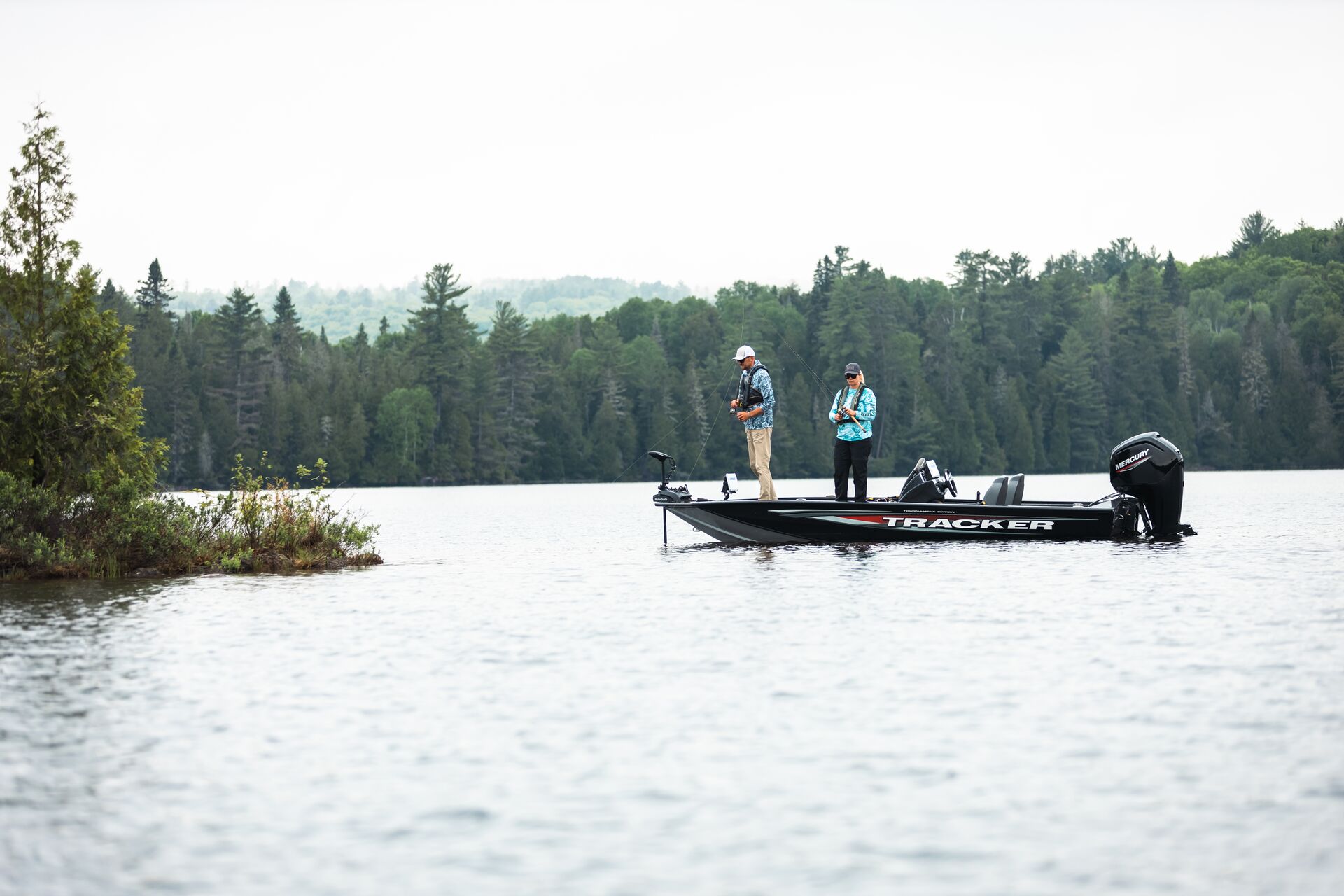
Now that you've decided to go fishing, you'll need your boater education card if you plan to cast a line from a boat.
Boat-Ed helps anglers or weekend warrior fishers stay safe when fishing from a boat. Through our state-approved online courses, you'll learn about essential safety equipment your boat needs, how many family members your boat can hold safely, and what to do if someone goes overboard while reeling in a big fish.
Find the course for your state or take our boater safety course for Canadians, get your boater safety certification, then hit the water for a day of fishing!
Content most recently reviewed and updated August 25, 2026.
Frequently Asked Questions (FAQs)
Q: What are 10 benefits of fishing?
A: Fishing lowers stress, boosts mood, and gets you outside in fresh air and sunlight. It builds patience, focus, and hand-eye coordination while giving you quality time with family or friends. It also connects you to nature, funds conservation through license fees, provides a healthy source of fresh fish, and offers a low-cost, low-impact way to stay active.
Q: What are the pros and cons of fishing?
A: The main benefits of fishing include relaxation, time outdoors, quality time with loved ones, and a potential source of fresh, healthy food. Some downsides include the upfront cost of gear, the need for a fishing license, and the patience it takes to learn casting and bait selection. Weather and water conditions can also affect how successful (or comfortable) a trip turns out to be.
Q: Why should you go fishing?
A: Fishing gives you a simple way to unwind, spend time outdoors, and disconnect from daily routines and screens. It's also a great activity to share with family or friends, since it encourages conversation and teamwork without much pressure. Beyond the personal benefits, license fees help fund conservation programs that protect fish populations and natural habitats.
Q: Is fishing skill or luck?
A: Fishing involves both skill and luck, though skill plays the larger role over time. Understanding fish behavior, choosing the right gear, and picking good locations and times all improve your odds of success. Luck still plays a part on any given day, but consistent results come from practice and knowledge.
Q: Is fishing a sport or a hobby?
A: Fishing can be both a sport and a hobby, depending on how someone approaches it. Many people fish casually for relaxation and recreation, while others compete in tournaments that require advanced skills and strategy. Either way, it remains one of the most accessible outdoor activities for people of all experience levels.
Q: Is fishing hard to learn?
A: Fishing is easy to start but takes practice to master. Beginners can learn the basics, like casting and baiting a hook, in a single outing with some guidance. Building consistency and skill with different techniques and fish species takes more time, but steady practice makes a noticeable difference.