How to Get a Captain's License
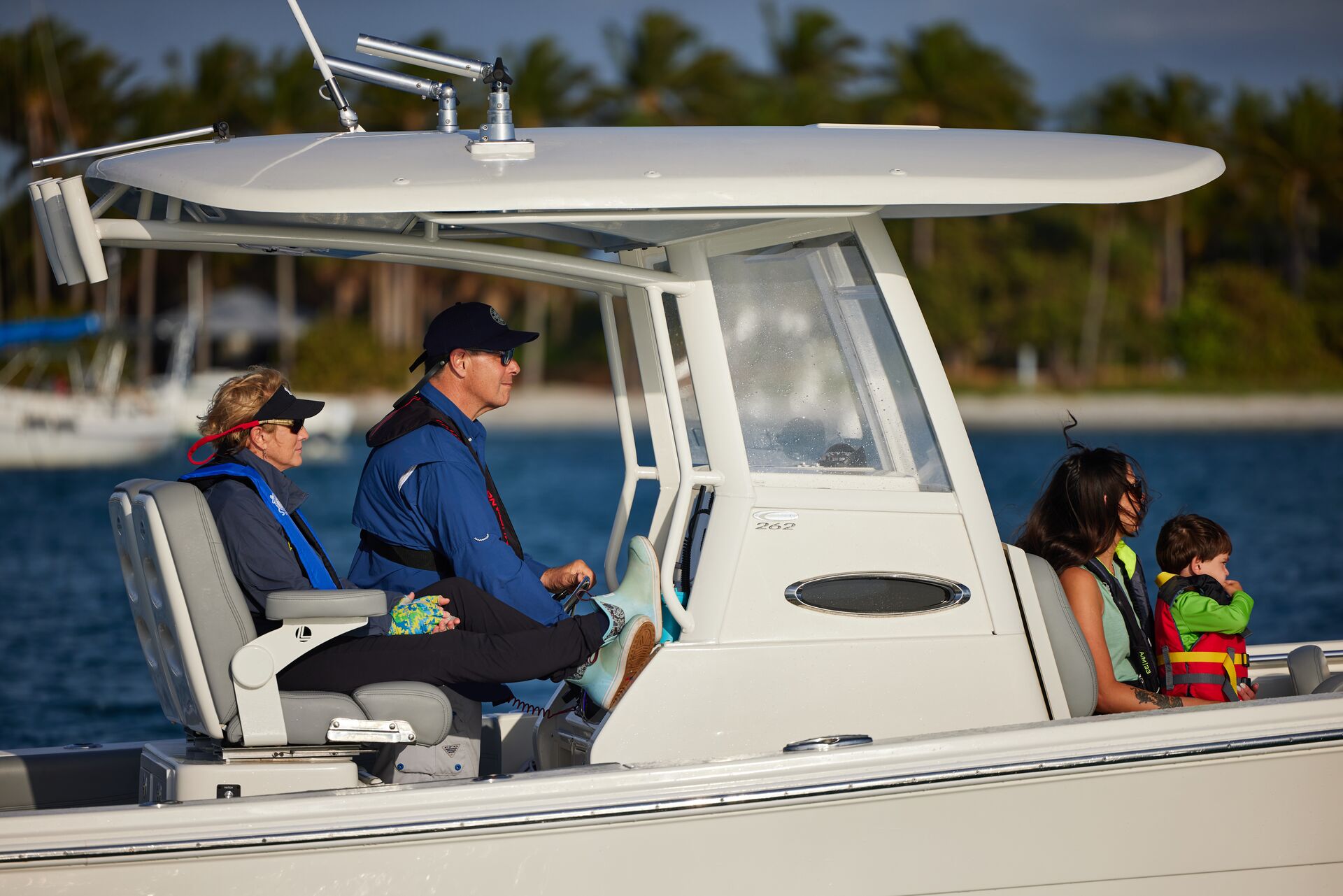
If you enjoy boating and want to make it into a career, you'll need to obtain the proper licensing. Generally, that includes a captain's license.
This license indicates that you've completed and passed any required courses for the safe operation of your vessel, and you're familiar with navigation, emergency procedures, safety equipment, and other aspects of boating.
Having this license is a requirement for individuals such as charter boat operators, commercial boaters, and fishing guides, among others, as it's essential for safety, credibility, and operating within the law. Here's what to know about the different types of licenses available, how to qualify, and what else to consider.
Types of USCG Captain's Licenses
There are several captain boat license options. The type and size of vessel you operate will help determine which license is right for you, such as a charter boat captain license. Here is an overview of various licenses.
Operator of Uninspected Passenger Vessels (OUPV or "6-pack")
This license is for operators of boats that are for hire and carry up to six passengers. It's the most common license for fishing guides and charter operators.
Master License
With this license, you can operate inspected vessels that carry more than six passengers at a time. If you're a ferry captain or operator of a sightseeing boat, this is typically what you'll need.
Some crew boats also require this particular license.
Endorsements and Tonnage Ratings
Your boating license may also require specific endorsements, such as Inland, Near Coastal, or Great Lakes, as well as tonnage ratings (25, 50, or 100 GT) for the size of vessel you're operating. Make sure your license accurately covers how you plan to operate a boat commercially.
What Are the Basic Requirements to Qualify?
To qualify for a captain's license, you need to be at least 18 years old and have the appropriate sea time. That's 360 days of documented sea service for the OUPV, with at least 90 days in the last 3 years, or a minimum of 720 days of documented sea service for a Master License.
You may need additional sea time for the Master License in some cases, as this varies by endorsement.
In addition to age and sea time requirements, you'll also need:
- U.S. citizenship or permanent residency
- TWIC (Transportation Worker Identification Credential) card
- USCG-approved physical and drug test
- CPR/First Aid Certification from a recognized organization
If you meet all the requirements and want to obtain your license, applying is easy.
How to Apply for a Captain's License
To get started, choose a USCG-approved training course. This is technically optional if you meet all the other requirements, but it can be invaluable as a refresher and exam preparation.
Then, pass the required exams, which include:
- Navigation Rules
- Chart Plotting
- Deck General/Safety
Once you've passed your exams, you can submit your application to the National Maritime Center (NMC) with your sea service forms (CG-719S) and application form (CG-719B). You'll also need to include your medical forms, drug test results, and a copy of your TWIC card.
You'll pay any applicable fees along with your application, and you'll receive your license in the mail.
Tips for Preparing for a Captain Boat License
To ensure you're prepared, keep detailed sea service logs that include the vessel's name, type, and the time spent aboard. It's best to use a checklist from the USCG or your training provider to ensure you're logging everything properly.
Also, take time to prepare for charting and plotting, as it's generally the most challenging part of the test. Consider taking an online or in-person preparatory course to get ready for your exam.
USCG Captains License Renewal: When and How
Once you have your license, you'll need to renew it on time to keep it valid.
A USCG Captains License renewal is required every five years. However, it's not an automatic renewal. You're required to have at least 360 days of sea time in the last five years to renew, or you'll need to take a refresher course.
You will also need to undergo an updated medical examination and a drug test, and complete a renewal application (CG-719B). Additionally, you need to have a valid TWIC card (which must be renewed separately).
Proof of continuing education may allow you to waive your exam if specific criteria are met. If you don't have any sea time, however, you may be required to take a USCG-approved refresher course or retake the test.
Use a Captain Boat License Safely and Responsibly on the Water
Having a captain's license gives you professional credibility and opens new opportunities to make boating a career. Whether you want to work on a fishing charter during bass fishing season, ferry passengers for a sightseeing tour, or have other plans that involve commercial boating, the proper license is crucial.
Renewal is just as important, and you don't want to let your license lapse. To remain compliant, make sure you renew your license on time, get the required sea time or take a refresher course, and stay up-to-date with U.S. Coast Guard regulations.
A Boater Education Course Helps All Boat Operators Stay Safe
Whether you have a career as a boat captain in mind or not, safety must always be a priority when operating a motorized vessel on the water. Recreational boaters must know how to navigate safely, carry the right safety equipment on board, and know how to keep themselves and others safe on the waterways.
Taking an online boater education course through Boat-Ed can help sharpen your skills and keep you safer on the water. Then, you can operate a vessel with confidence, no matter where your boating career takes you.
In the U.S., take the Boat-Ed course for your state.
If you're in Canada, take our course for Canadian boaters!
Frequently Asked Questions (FAQs)
We have answers to common questions about the captain's license!