What Are the New Transport Canada Boating Licence Changes for 2026?
Transport Canada has announced new rules that affect recreational boat owners and boat dealers across Canada. Starting December 31, 2025, pleasure craft licences (PCLs) will need to be renewed every five years.
Additionally, existing lifetime licences won’t disappear overnight, but they will be phased out and replaced with renewable five-year licences over time.
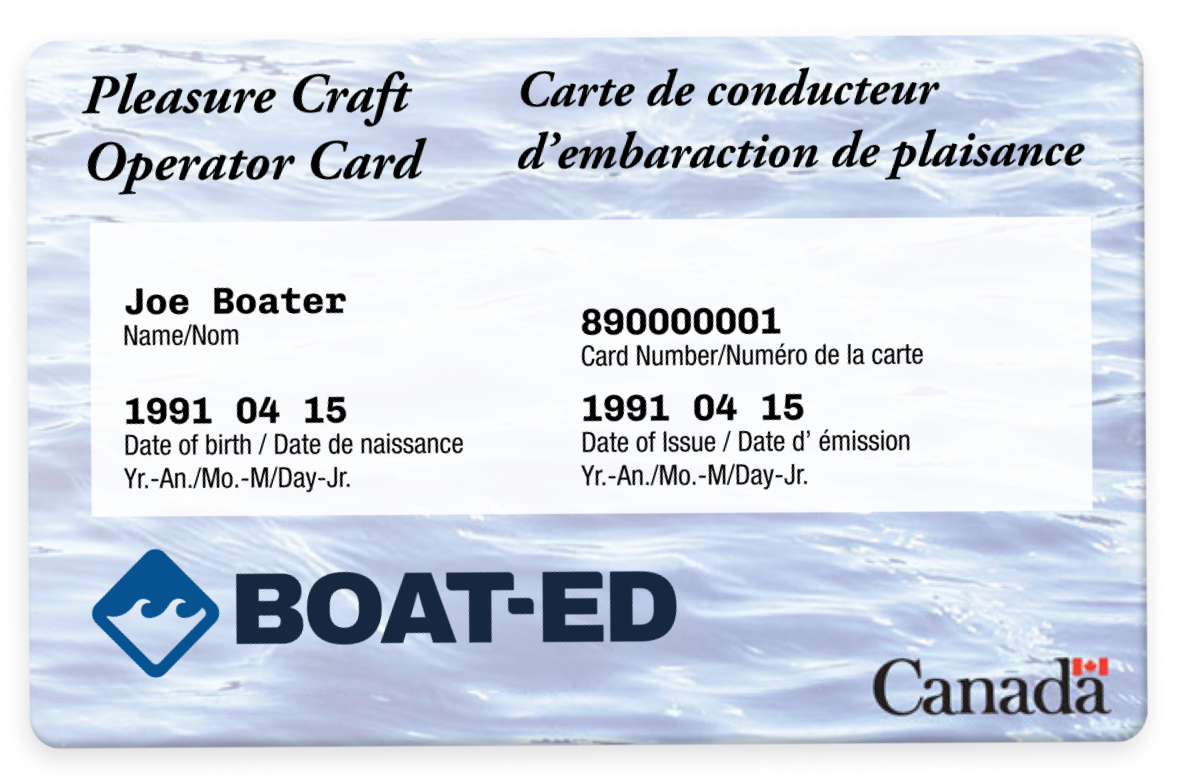
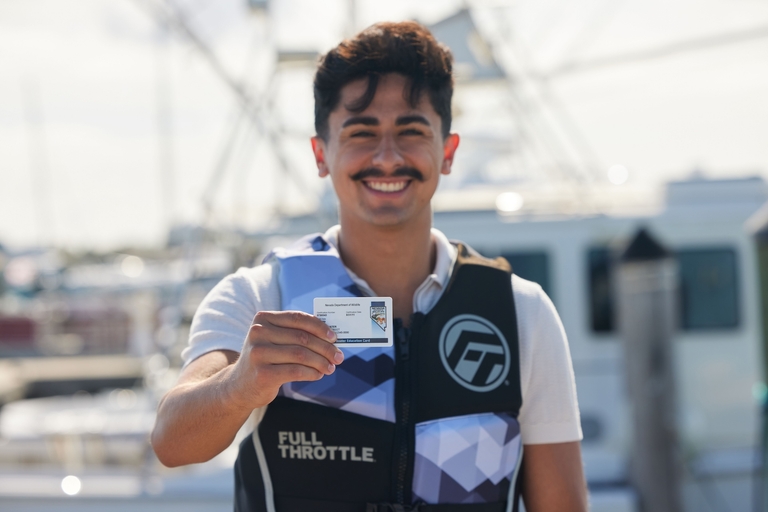
Good news: this change does not affect your Pleasure Craft Operator Card (PCOC), the card that allows you to operate a motorized boat in Canada. Your ability to drive a boat isn’t changing.
So what do these updates mean for Canadian boaters? Let’s break down everything you need to know.
What Are Canada’s New Pleasure Craft Licence Rules?
A Pleasure Craft Licence (PCL) works a lot like a licence plate for your boat. It’s a unique number issued to owners of recreational boats that have at least one engine with a combined power of 10 horsepower or more.
However, again, this is not the same as a Pleasure Craft Operator Card (PCOC). Think of the PCOC as your driver’s licence: it’s what you need to legally operate a motorized vessel in Canada.
Next, we’ll walk through the new PCL requirements and explain how to renew your licence so you stay compliant and ready for the water.
How to Comply With the New Pleasure Craft Licence Rules: 5 Simple Steps
To meet Transport Canada’s updated Pleasure Craft Licence (PCL) requirements, recreational boat owners and dealers should follow these five steps:
- Confirm whether your boat needs a licence.
If your recreational boat has at least one engine with a combined power of 10 horsepower or more, a valid Pleasure Craft Licence is required. - Apply for or update your licence.
Review your PCL details to make sure everything is accurate and up to date, including owner information and vessel details. Any changes (such as a new owner or updated contact information) must be reported to Transport Canada. - Display your licence number properly.
Your PCL number must be clearly displayed on both sides of the bow, in the correct size and format, as required by Transport Canada. - Keep proof of licensing on board.
Always carry a copy of your Pleasure Craft Licence on the boat when it’s in use. - Understand dealer responsibilities.
Boat dealers must follow Transport Canada’s rules when registering new boats, transferring ownership, or issuing temporary licences.
Remember: A Pleasure Craft Licence is not the same as a Pleasure Craft Operator Card (PCOC). You still need a valid PCOC to legally operate a motorized boat in Canada.
Staying compliant with the new PCL rules helps you avoid fines and ensures your boat meets federal safety and identification requirements, so you can focus on enjoying your time on the water.

How to Renew Your Pleasure Craft Licence Under the New Rules
With Transport Canada’s updated rules, pleasure craft owners need to make sure their Pleasure Craft Licence (PCL) stays valid and up to date. Licences are no longer issued for life, so renewing on time is now part of owning a recreational boat.
Here’s how to stay compliant and renew your PCL every five years:
- Check your renewal status.
Pleasure Craft Licences must now be renewed regularly. Find out when your current licence expires so you know when renewal is required. - Renew before it expires.
Renewals can be completed online through Transport Canada’s Pleasure Craft Licensing system. Renewing early helps you avoid gaps in compliance. - Confirm your boat and owner details.
During the renewal process, review your vessel information and owner contact details. Any updates, such as a new address or ownership change, must be submitted at this time. - Keep proof of renewal on board.
Once your licence is renewed, keep a copy of your valid PCL on board whenever the boat is in use. - Update licence markings if needed.
If your licence number changes after renewal, be sure to update the markings on both sides of the bow to meet Transport Canada’s display requirements. - Get help from your dealer if needed.
Boat dealers can help with renewals, especially when a boat is sold, ownership changes, or a newly purchased vessel is being registered.
Failing to renew your Pleasure Craft Licence can lead to fines or enforcement action, so staying current under the new rules keeps your boating season smooth and worry-free.
What Changed? Old vs. New PCL Rules
What's different with the new PCL rules? While the biggest change is the renewal timeframe, there are a few other changes to be aware of with the new requirements for your boat's Pleasure Craft Licence in Canada.
Old vs. New PCL Rules | ||
| Old Rule | New Rule (as of December 31, 2025) | |
| Licence Validity | Licences could be valid for 10 years or a lifetime | All new and renewed licences are now valid for only 5 years. |
| Renewal Requirements | No renewal needed for Lifetime licences. 10-year licenses renewed after 10 years from the date issued. | All PCLs must be renewed every 5 years. |
| Service Fee | No fees | Boat owners must now pay a $24 fee for new, renewed, transferred, or replacement licences. |
| Owner Information Updates | Update contact information within 90 days of changes | Update contact information within 30 days of changes. |
| New Owner Transfer | Complete transfers as soon as possible (loosely enforced within 90 days) | New owners must apply to transfer within 30 days. Operating under a temporary licence is allowed for 30 days. |
| Licence Display Requirements | Meet the requirements set by Transport Canada | No change |
| Requirements for Wind-Powerd Craft | No licence required if not motorized | Wind-powered craft more than 6m in length need a PCL starting December 31, 2027. |
One of the noted benefits of the new PCL renewal rules is that authorities will have more recent contact information for owners to help speed up identifications to enforce safety and environmental rules.
Can I Still Use My Old Pleasure Craft Licence?
Yes. You can continue operating your boat with your existing Pleasure Craft Licence (PCL) until it reaches its new expiry date—as long as the licence is still valid and you’re meeting all other requirements. That includes properly displaying your licence number on the boat and carrying proof of licensing on board.
Note that if you have an older licence that was originally issued as a “lifetime” licence, it now has an assigned expiry date based on when it was first issued. That licence remains valid until that new expiry date.
Once it expires, you’ll need to renew your Pleasure Craft Licence before operating your boat again.
Below is a quick breakdown showing how the new expiry dates are determined based on your original licence issue date.
| New Expiration Dates (PCLs with no Expiry Date) | |
| Issue Date | New License Expiry Date |
| January 1, 1975, to December 31, 1985 | March 31, 2026 |
| January 1, 1975, to December 31, 1985 | December 31, 2026 |
| January 1, 1986, to December 31, 1995 | December 31, 2027 |
| January 1, 1996, to December 31, 1999 | December 31, 2028 |
| January 1, 2000, to December 31, 2005 | December 31, 2029 |
| January 1, 2006, to April 28, 2010 | December 31, 2030 |
Boat owners can also look up the licence expiration date through Transport Canada’s online system using the Pleasure Craft Licence number.