Pros and Cons of Inflatable Life Jackets
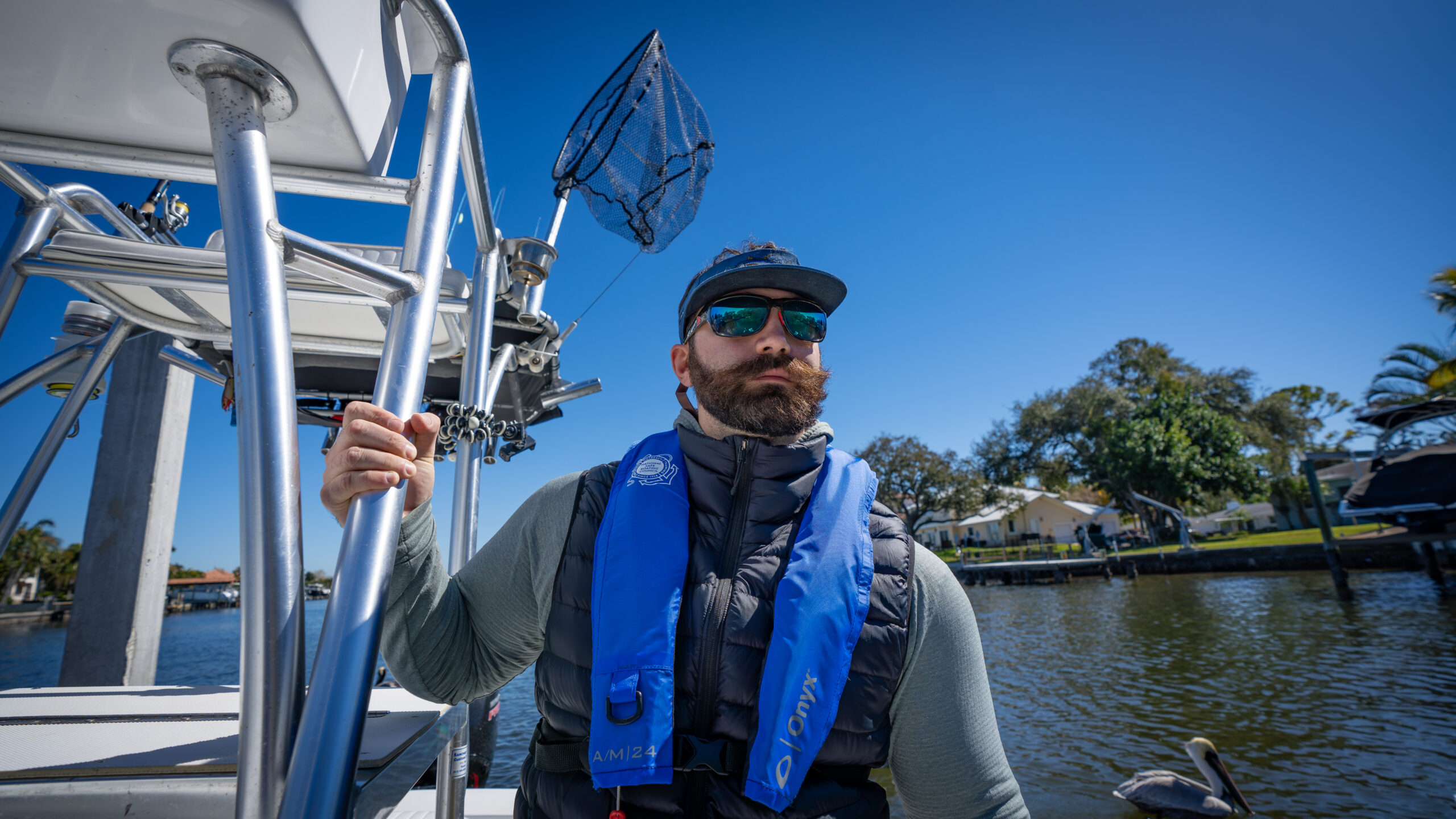
Life jackets save lives, and several kinds are available. One popular option is the inflatable life jacket, which is generally slim, light, and easy to wear.
Here's what to know about these great jackets and how to find the right inflatable personal flotation device so that you can stay safe on all your boating adventures.
What Is an Inflatable Life Jacket?
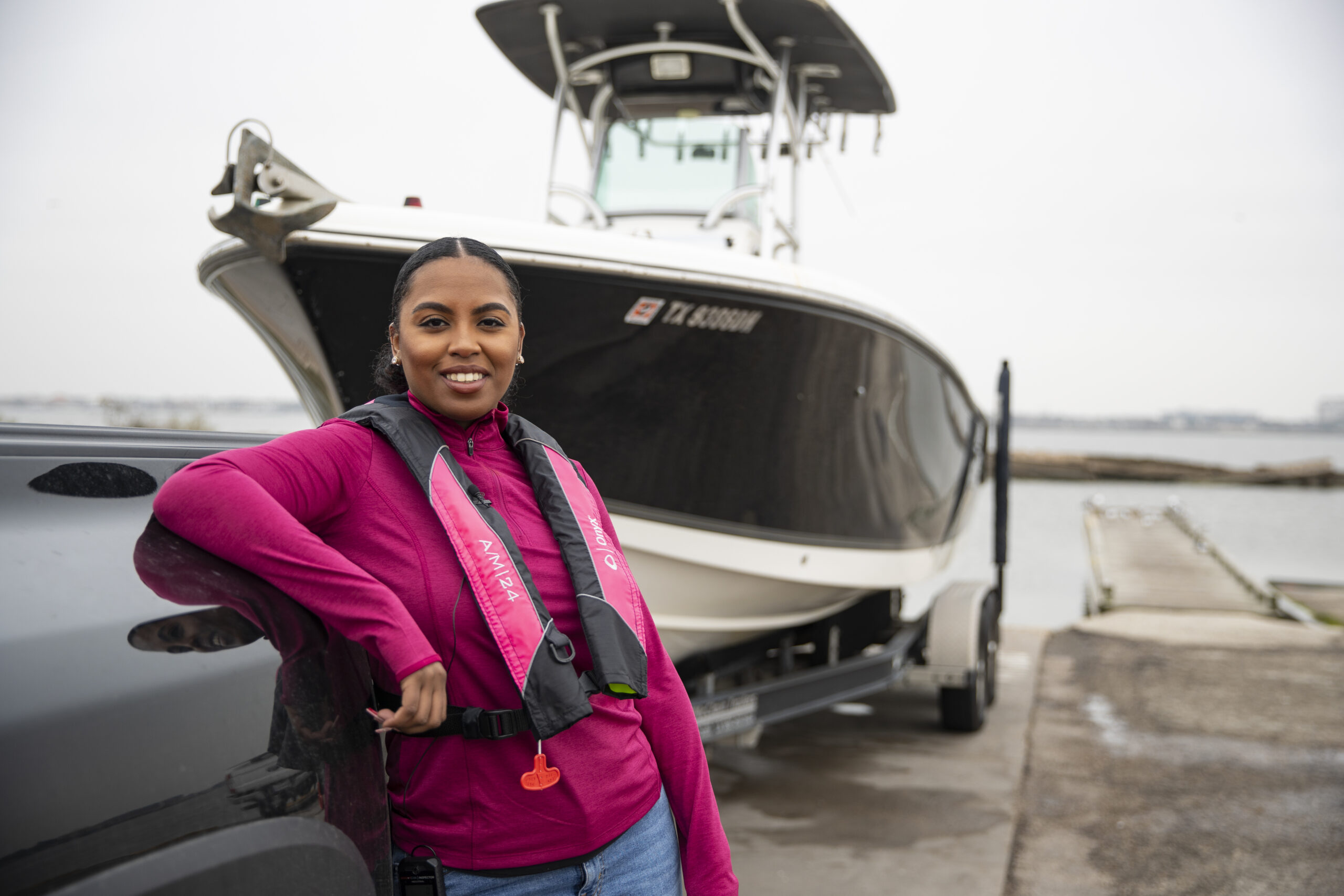
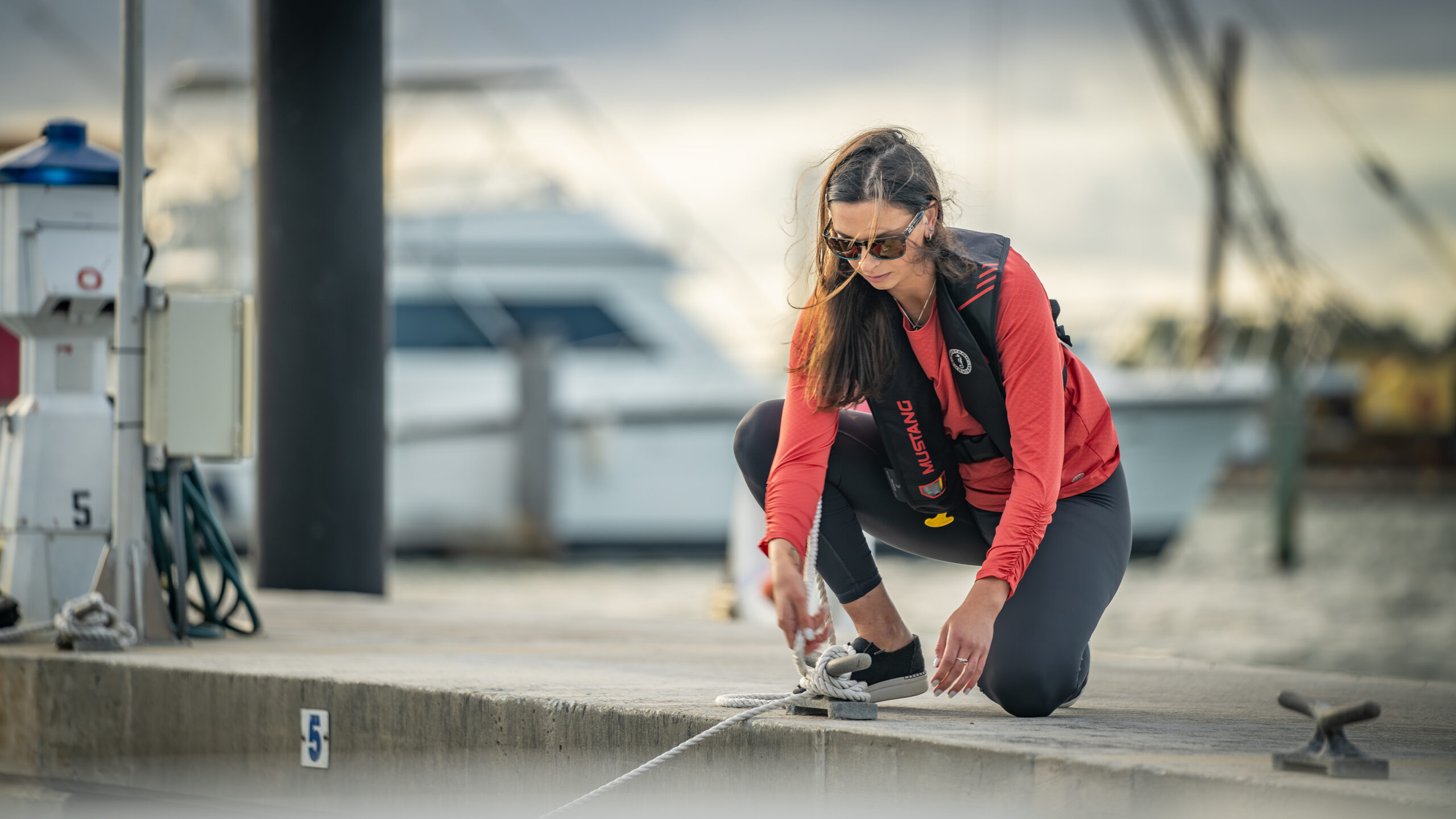
An inflatable life jacket is a type of personal flotation device (PFD) that inflates with air, usually from a CO₂ cartridge. When considering an inflatable vs foam life jacket, remember these PFDs are often more comfortable and compact than traditional foam options, such as the bulkier and more common Type I life jacket.
There are two main types of inflatable life jackets. One is automatic, which inflates when submerged in water. The other is manual, requiring the wearer to inflate it by pulling a cord.
Pros and Cons of Inflatable Life Jackets
When choosing a PFD, consider the advantages and disadvantages of inflatable life jackets to find a solution that best suits your needs.
Inflatable Life Jackets: Pros and Cons | |
Pros | Cons |
|
|
If you need a jacket that doesn't require maintenance—or you're looking for a cost-effective option for good general buoyancy in calm waters—you may want to consider a Type II life jacket instead of an inflatable one.
When Should I Use an Inflatable Life Jacket?
Inflatable life jackets are ideal for calm waters and near-shore boating. You may want this option if mobility and comfort are essential to your activities, such as when fishing or sailing. Inflatable jackets are also a good choice when you're confident you can swim, but are looking for added safety.
Non-swimmers shouldn't use inflatable life jackets, and they're generally not for children under 16 or anyone who's engaging in rough or impact-prone water sports.
How Do They Compare? Inflatable vs. Foam Life Jacket
Let's take a look at how inflatable life jackets compare to foam life jackets.
How Do They Compare? | Inflatable Life Jackets | Foam Life Jackets |
 | 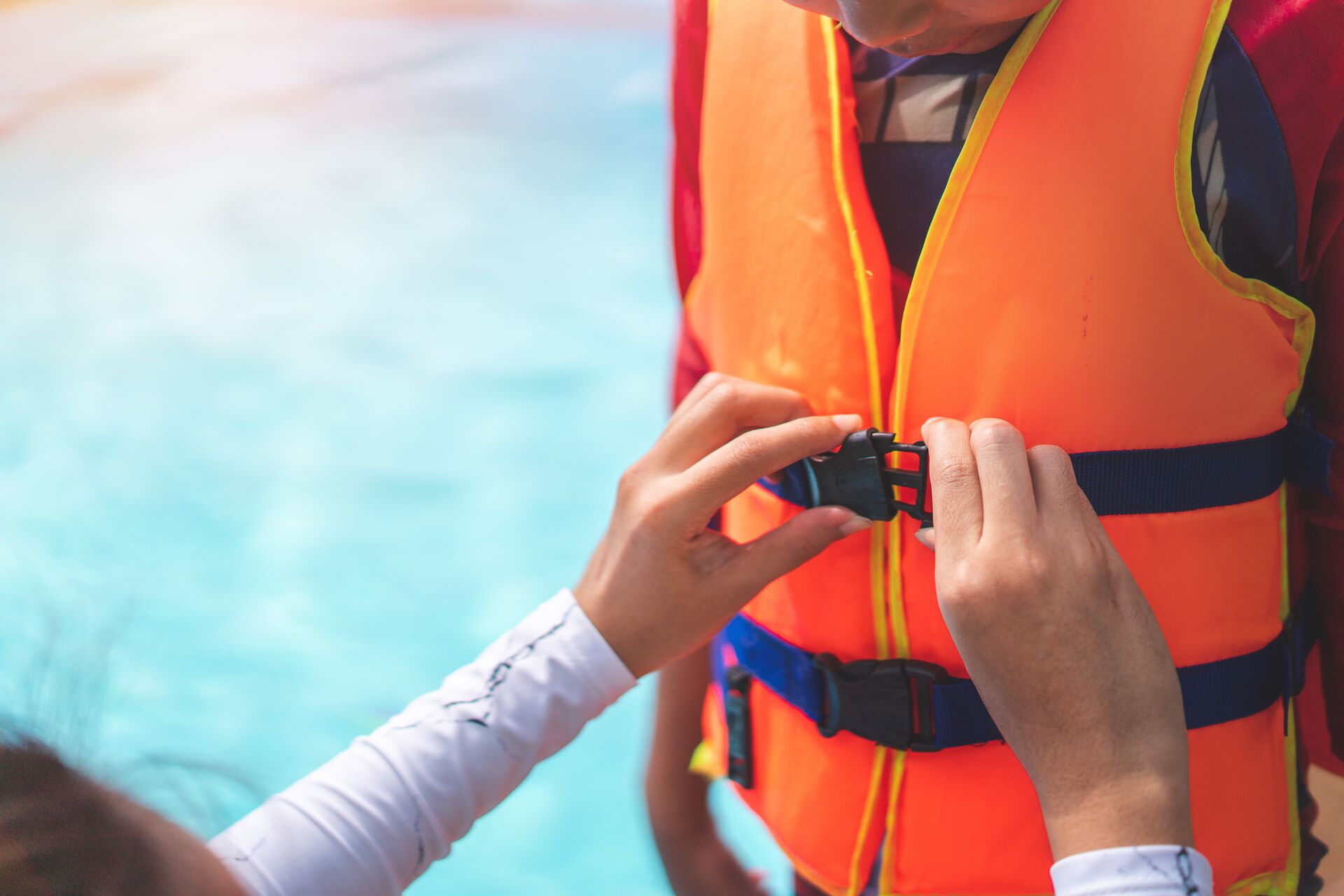 | |
| Comfort & Fit | Lightweight, less bulky, allows freedom of movement. | Bulkier and hotter, may restrict some movement. |
| Buoyancy | Provides more buoyancy once inflated than most foam vests. | Always buoyant—no action or mechanism required. |
| Activation | Requires inflation—automatic (water-activated) or manual (pull cord). | Works immediately upon entering the water. |
| Maintenance | Needs regular inspection; CO₂ cartridge and inflator must be checked/replaced. | Low maintenance; just inspect for wear, rips, or UV damage. |
| Durability | Fabric can wear over time; not ideal for rough handling. | Very rugged, holds up well to rough use and impact. |
| Cost | Generally more expensive. | Usually more affordable. |
| Best For | Adult swimmers in calm water, boating, fishing, sailing. | Children, non-swimmers, high-impact sports (jet skiing, tubing, whitewater). |
Is My Life Jacket a Coast Guard Approved Inflatable PFD?
If you're deciding between an inflatable vs foam life jacket, you should know that many inflatable life jackets are labeled as U.S. Coast Guard–approved. Typically, approved inflatable life jackets are classified as Type II or Type V, depending on certain conditions.
To meet most legal requirements, you must wear a Coast Guard approved inflatable PFD, not just carry it on your vessel. Always check the approval label printed inside the jacket so you can make an informed choice when selecting your PFD.

How Long Do Inflatable Life Jackets Last?
By taking proper care of your inflatable PFD, you can extend its lifespan to 10 years or longer. As part of routine maintenance, inspect the CO₂ cartridge and inflator mechanism annually and replace them as necessary.
Your PFD's fabric and stitching can degrade if they're exposed to sunlight, saltwater, or rough handling. Storing it away from sunlight, rinsing it thoroughly after use in saltwater, and treating it gently can help it last longer.
Even the best inflatable life jacket will eventually wear out. Most PFD manufacturers recommend servicing your jacket or replacing it after a certain number of years; follow the manual for your specific device.
Are Inflatable Life Jackets Safe for Adults and Children?
Inflatable life jackets are considered safe and effective for adults and strong swimmers when maintained.
However, they're not approved or recommended for children under 16 or for anyone weighing less than 80 pounds. They're also not the right choice for non-swimmers, weak swimmers, or anyone unconscious, as inflation may not activate quickly enough in time-sensitive situations.
Every user should understand how to inspect and operate their inflatable PFD.
Learn More About Life Jackets and Stay Safe with Boating Education
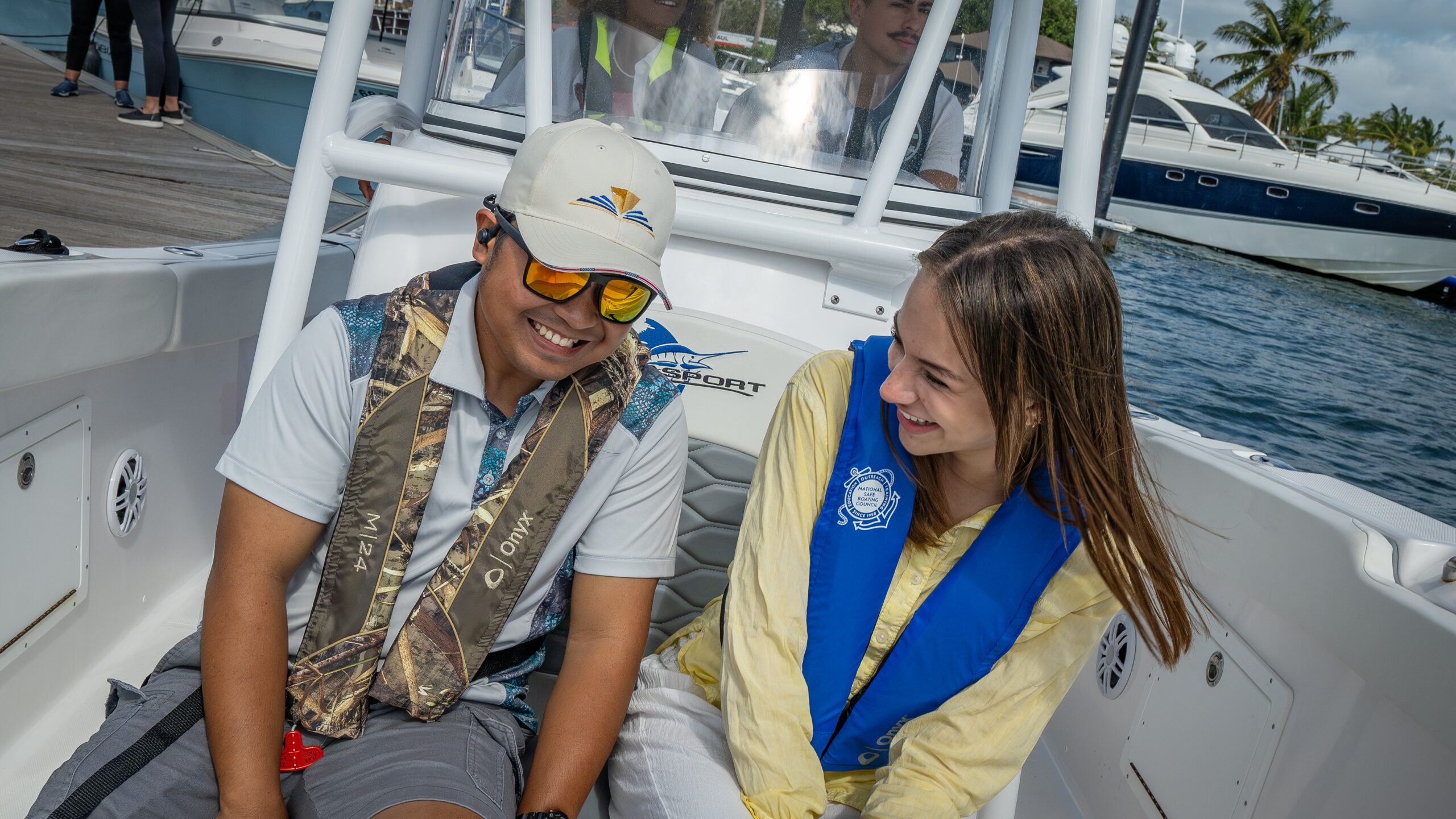
Wearing the right life jacket and ensuring it fits is essential for water safety, so choose a jacket that you can wear comfortably.
Boat-Ed can help you do that. We worked with the Life Jacket Association to offer an exclusive Life Jacket Technician Course, so you can feel confident you're choosing the best PFD for your needs.
Taking a boating education course through Boat-Ed is another great way to protect yourself and others on the water. Not only will you learn about life jackets, but you'll also gain crucial knowledge of boating etiquette, navigation, and what to do in emergencies, helping you stay safe and enjoy your vessel to the fullest.
Plus, most US states and Canada require motorized boat operators to take a boater education course before hitting the water at the helm of a boat.
Boat-Ed makes it easy to learn and get your boater safety certification!
In the U.S., take the course for your state.
In Canada, take our Transport Canada-approved course.

Frequently Asked Questions (FAQs)
We have answers to your questions about inflatable life jackets.
Q: Are inflatable life jackets Coast Guard approved?
A: Yes, many inflatable life jackets are U.S. Coast Guard–approved, but only if they meet specific design and performance standards. Always check the label for approval details.
Q: How long do inflatable life jackets last?
A: The lifespan of an inflatable life jacket is typically 5–10 years, depending on use and maintenance. Inspect the CO₂ cartridge and inflation mechanism regularly and replace as needed.
Q: Are inflatable life jackets safe for children?
A: No. Inflatable life jackets are not recommended or approved for children under 16 or for non-swimmers.
Q: Who cannot use inflatable PFDs?
A: They’re not suitable for children, non-swimmers, or anyone in high-impact activities (like personal watercraft use). They also shouldn’t be used where immersion is likely without warning.
Q: What is the difference between a life jacket and a PFD?
A: A life jacket is designed to turn most unconscious wearers face-up in the water. A PFD (personal flotation device) provides buoyancy but may not do this automatically.
Q: Do inflatable life jackets automatically inflate?
A: Some do, but not all. Automatic models inflate upon water immersion, while manual models require the wearer to pull a cord. Many have both options for backup safety.
Boat-Ed makes it easy to boat safely and legally!
In the U.S., take the course for your state.
In Canada, take our Transport Canada-approved course.