What Are the Requirements to Get a Boat License in Oregon?
If you want to boat in Oregon, Oregon boating license requirements state that anyone operating a motorized vessel with more than 10 horsepower must have an Oregon Boating Safety Education Card.
You can get this card by completing an approved safety course, passing the exam at the end, and paying any required fees for your boating license. Once you do that, you can legally boat in Oregon.
Here's what you should know about getting your license and enjoying your time on Oregon's waters.
What Are the Oregon Boating License Requirements?
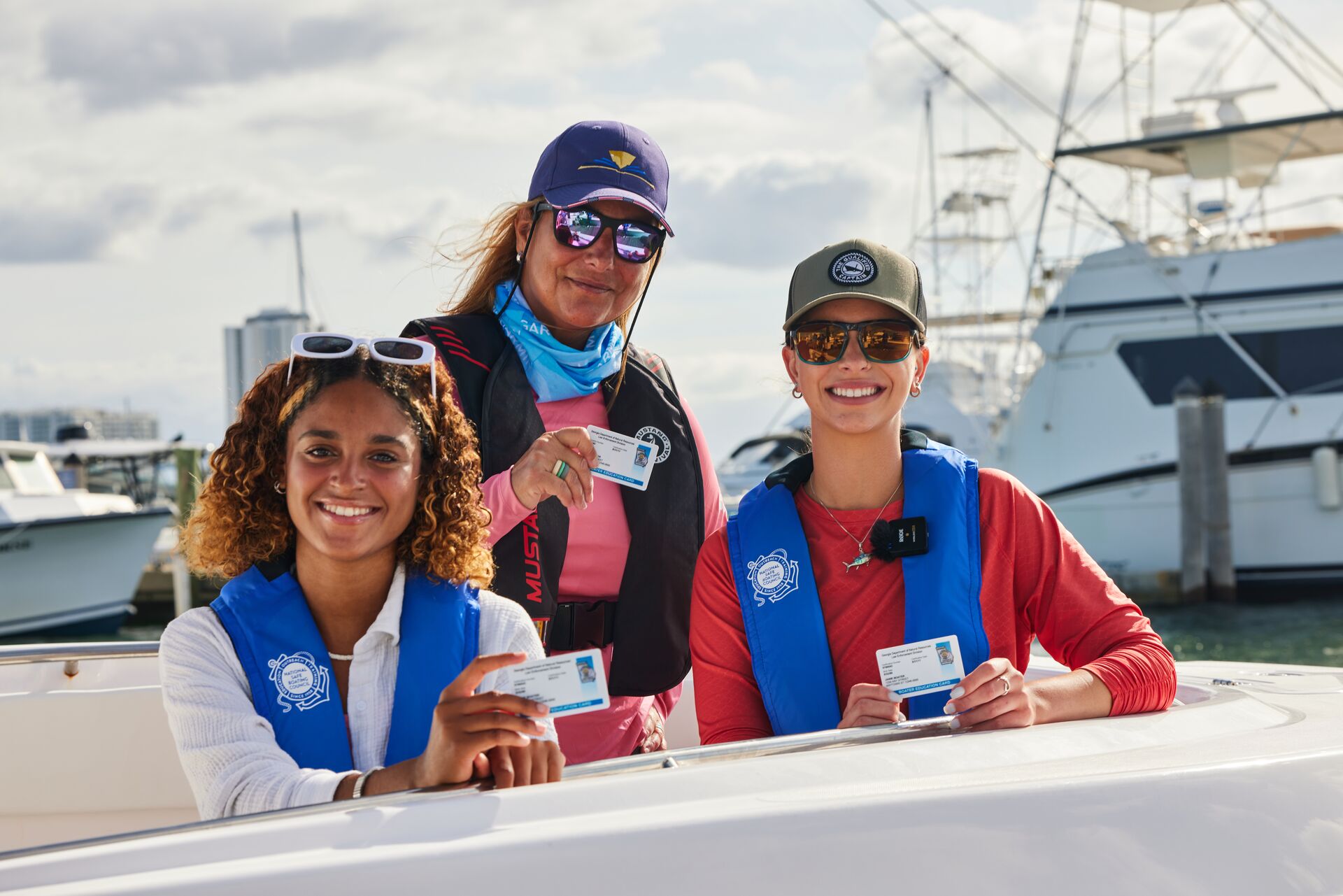
Though many people use the term "boating license," Oregon actually calls its required document a Boating Safety Education Card. No matter what you call it, the state of Oregon requires this certification for anyone operating a motorized vessel—including a jet ski or other personal watercraft (PWC)—with a motor larger than 10 horsepower.
The requirement applies to Oregon residents and to non-residents using Oregon waterways.
Age Requirements
If you're younger than 12, you're not allowed to operate a motorized vessel on Oregon waterways, no matter its horsepower.
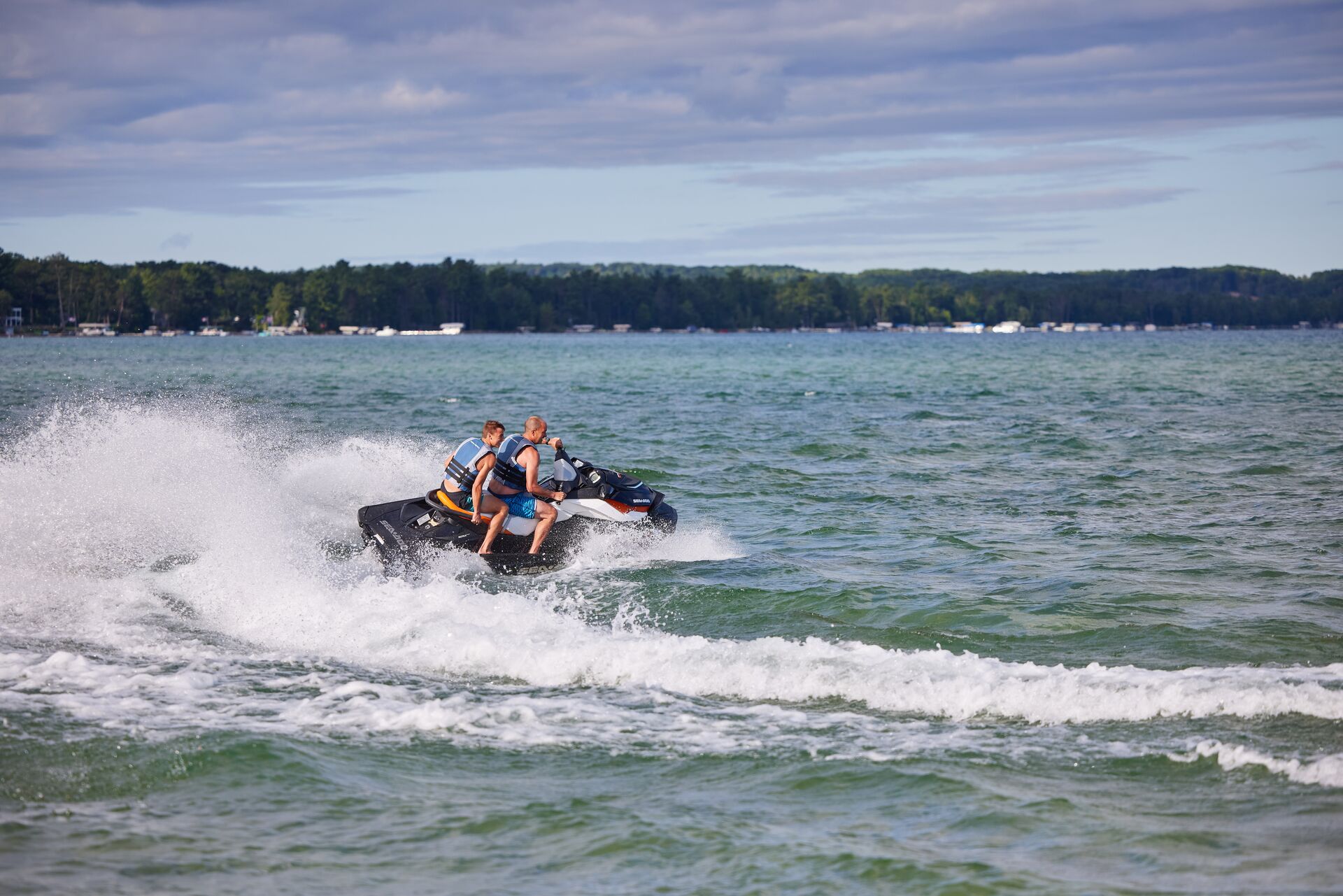
Operators age 16 and older can operate a motorboat or PWC without supervision, provided they have a Boating Safety Education Card.
Course and Exam Requirements
To get your boating license in Oregon, you'll need to complete an approved boating safety course. Most states require boating licenses, and there are several ways to become certified.
- Classroom-based boating education is available throughout Oregon.
- You can also complete your boating safety course online with Boat-Ed.
Online courses include instructional modules and quizzes to ensure comprehension. You'll take a final exam at the end of the course, which generally requires a passing score of at least 80%.
Equivalency exams are available for special circumstances, but a passing score is still required.

Documentation and Fees
Once you pass the final exam, you'll receive a 30-day temporary certificate.
To obtain your official card, you'll need to pay a fee of around $20. After that, your permanent card is valid for life.
Operating Requirements
A big part of following Oregon boating license requirements is carrying your card whenever you're operating a motorboat with more than 10 horsepower.
There's no on-water skills test in Oregon; it's strictly online or classroom education.
Additional Rules to Know
Oregon does not require a boating license for non-motorized craft such as kayaks, canoes, and stand-up paddleboards (SUPs). If you have a non-motorized craft that's 10 feet or longer, though, you'll need a Waterway Access Permit.
You'll also need to ensure your vessel meets life jacket (PFD) requirements, and there are extra rules for PWCs and towed sports.
| Oregon Boat Operation Rules: Quick Reference | |
| Motorboat >10 hp | Card required |
| Age <12 | No operation allowed |
| Age 12–15 | Card always required, with restrictions. |
| Age 16+ | Card required for all motorboats/PWCs |
| Kayaks/canoes 10 ft+ | Waterway Access Permit required |
Are There Any Exemptions?
There are a few exemptions to Oregon's boating license requirements.
These include:
- Boaters with a current Coast Guard Boat Operator License
- Commercial anglers
- Non-certified, supervised adults
- Boat renters who complete a watercraft rental safety checklist
Note that the law allows a non-certified adult to operate a powered vessel if they're under the direct supervision of an adult who is 16 or older and carrying a Boating Safety Education Card. If operating a PWC, the card-holding adult must be 18 or older.
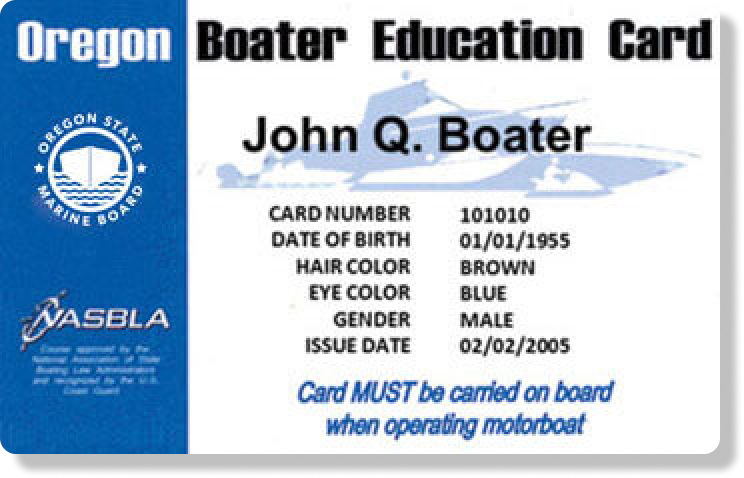
How to Get the Oregon Boater Education Card
To get your Oregon Boating Safety Education Card, you'll need to take an approved safety course. You can do that online or in a classroom.
Online options like ours at Boat-Ed include modules, quizzes, and a final exam (you typically need to score at least 80% to pass. There are also special cases where you can take an equivalency exam with 70–80% required to pass, depending on exam type.
After passing the final exam, you'll get a temporary certificate that's valid for 30 days. You'll also need to pay a $20 fee to the State Marine Board, and then you'll get your lifetime Boating Safety Education Card in the mail in a few weeks.
No on-water driving test is required.
Why Is Boater Education Important?
Boater education is one of the best ways to reduce boating accidents and unsafe behavior on the water. It teaches the skills you need to handle emergencies and bad weather, and also helps prevent collisions, fuel spills, and environmental damage.
Not only that, but proper boater education builds confidence for new boaters and PWC riders. It will help you safely share waterways with swimmers, anglers, paddlers, and other motorized vessel operators.
What Will I Learn in a Boater Education Course?
You'll gain valuable knowledge in a boater education course. Topics may include:
- Navigation rules ("rules of the road") and right-of-way
- Proper techniques for docking, mooring, and launching
- Speed regulations, no-wake zones, and local waterway rules
- Safe fueling, carbon-monoxide awareness, and accident prevention
- Required safety gear and emergency procedures
- PWC-specific regulations and safe riding practices
- Environmental stewardship and aquatic invasive species (AIS) prevention
- What to do in rough water, cold-water immersion, or man-overboard situations
Good boating knowledge is essential, especially in unfamiliar environments. Whether you rent a boat occasionally or want to buy one of your own, there's a lot to learn.
Meet Ohio's Boater Education Requirements with Boat-Ed
Before heading out on Oregon's waterways, make sure you've taken the required boater education course. Online courses like ours at Boat-Ed give you the tools to stay compliant with boating license requirements and the knowledge to handle emergencies better.
Then, you'll be able to stay safe on the water, protect others around you, and handle your vessel with confidence.
Boat legally and safely in Oregon this season!

Frequently Asked Questions (FAQs)
We have answers to your questions about the Oregon boating license requirements!
Q: Do you need a license to drive a boat in Oregon?
A: Oregon doesn’t have a “boat driver’s license” like a driver’s license for cars, but you do need a Boating Safety Education Card if you operate a motorboat with more than 10 hp, or if you are between the ages of 12 and 15 while operating any motorboat.
Q: How long does it take to get a boating license (Boater Education Card) in Oregon
A: How long it takes to get a boating license in Oregon depends on the course you choose. Online courses can take a few hours to complete, while the classroom courses might take a day or more. After completing the course and exam, the permanent card is usually mailed in about 2–3 weeks.
Q: Is a boater card the same as a boating license?
A: Yes, the Boating Safety Education Card is Oregon’s official proof that you’ve met the state’s mandatory boater education requirement. There isn’t a separate “license to drive a boat.”
Q: How much does it cost to get your boater’s license in Oregon?
A: The state fee for the Boating Safety Education Card is typically $20. Replacement cards cost about $16. The cost of the safety course itself varies by provider. If you take the Oregon boater safety course through Boat-Ed, the cost is $44.95.
Q: When did Oregon start requiring a boater’s license (education card)?
A: Oregon’s Mandatory Boater Education law was passed in 1999. Implementation began in the early 2000s with a phased rollout. By 2009, the requirement applied broadly to all relevant boaters.