What Boat Lights Are Required at Night?
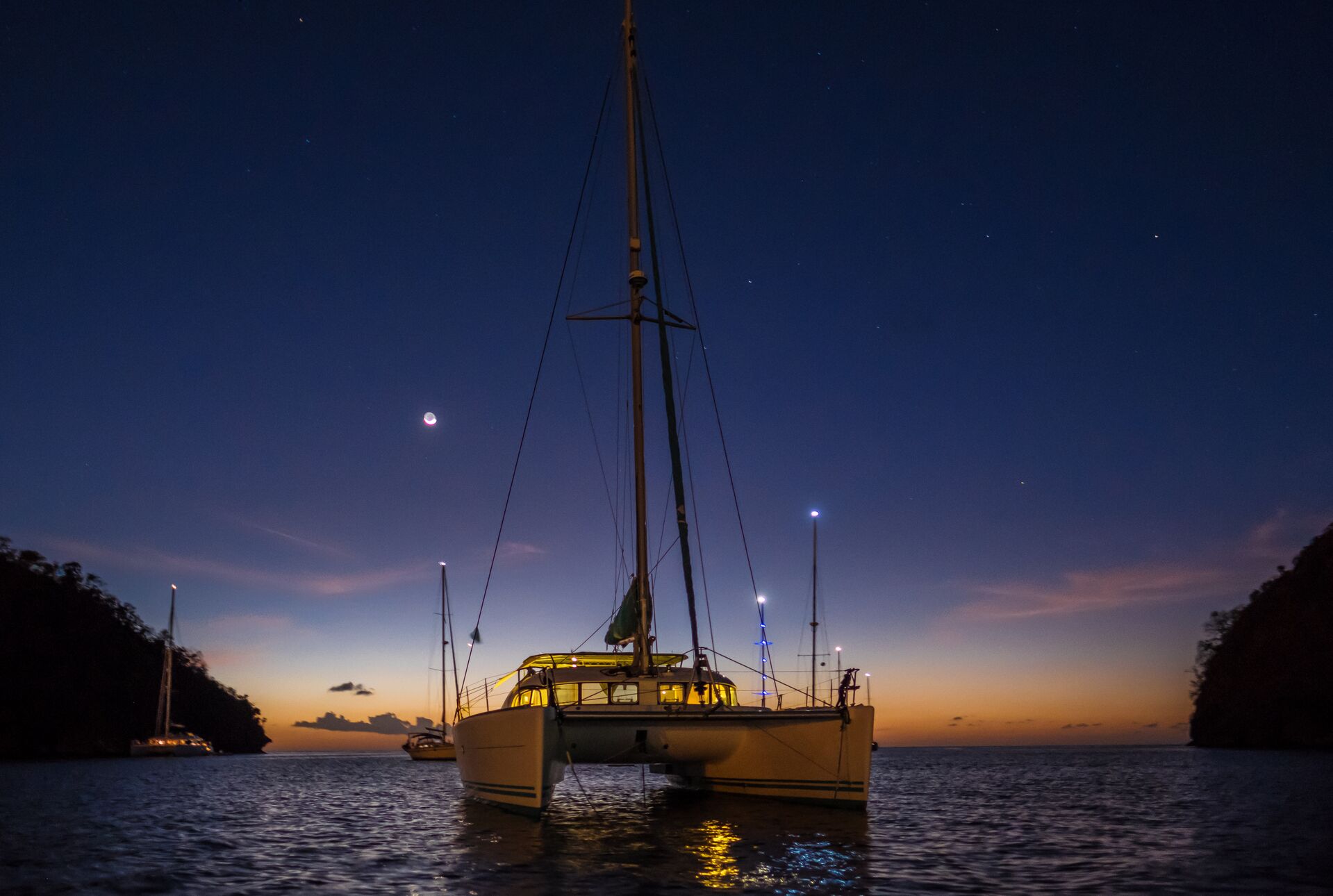
At night, boats need specific navigation lights, including red (port/left) and green (starboard/right) sidelights, a white stern light at the rear, and either a white masthead light at the front or an all-around white light. When anchored, your boat must display a white anchor light that is visible from 360 degrees. It is also important to ensure all lights are visible and not obstructed by other lights.
Boat lights are also needed for compliance with maritime laws. You could be ticketed and fined if you don't have the right ones in the right colors and when and where you're supposed to.
So, what boat stern lights does your boat need to keep you safe and comply with regulations—especially at night? We'll cover all of that in today's blog!
Types of Boat Lights
There are several different boat lights, and how they're used matters. Using them properly helps keep the waterways safe and properly regulated.
Navigation Lights
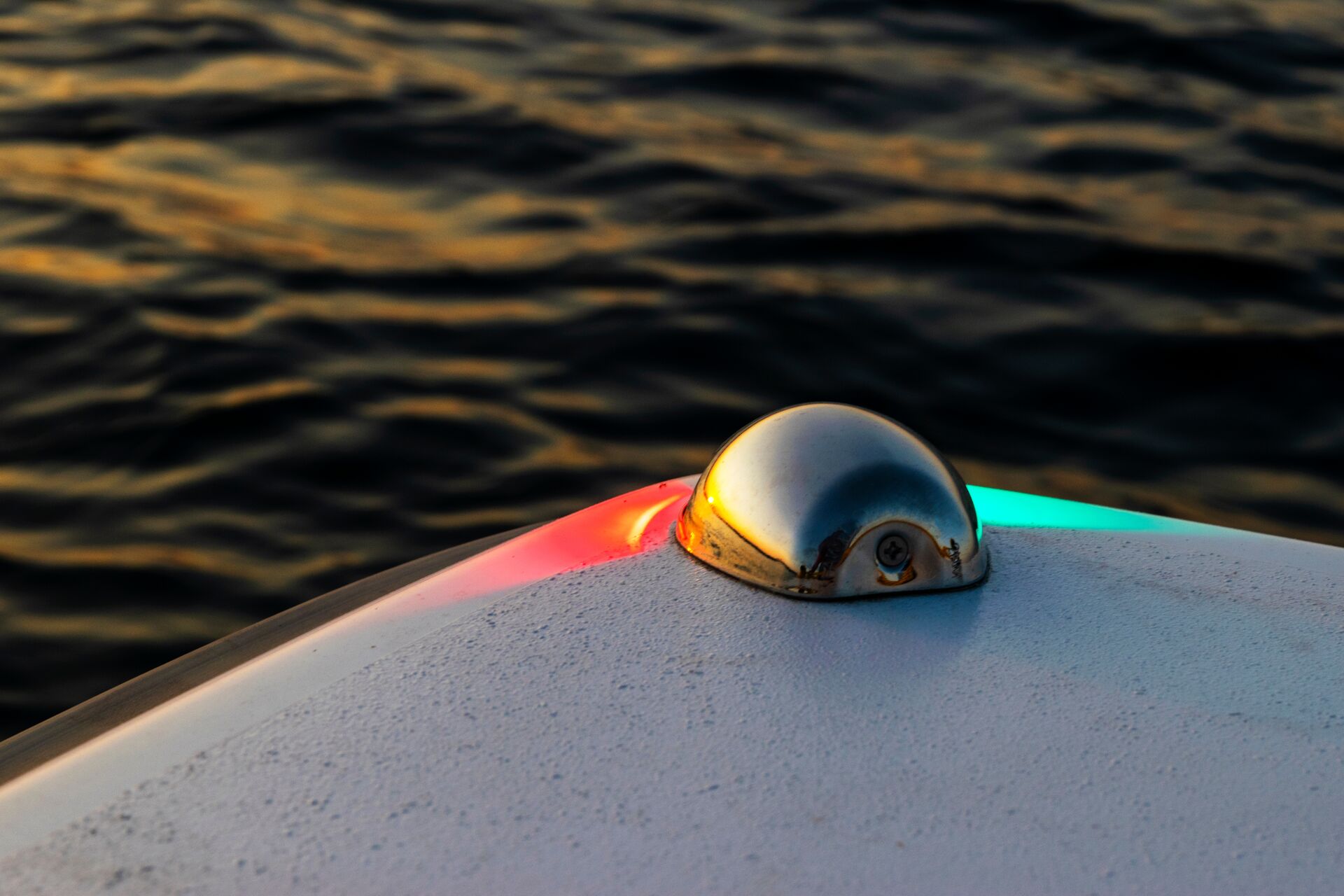
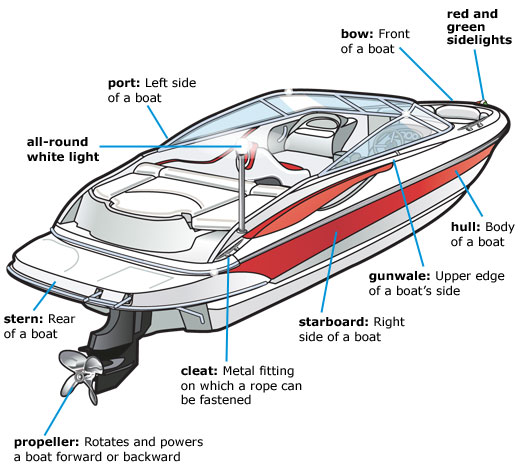
Your boat's navigation lights include both red and green side lights. They're mandatory for most vessels and used to indicate the port (left) and starboard (right) sides of the boat.
You also need a white stern light as part of your navigational lighting. This helps vessels see you from behind.
A white masthead light is also required for power-driven vessels. It's positioned on the front mast and visible from the front and sides to make it easier for other boats to see where you're located in the water.
Some smaller boats use an all-around white light instead of masthead and stern lights, as this kind of light combines those functions.
Anchor Lights
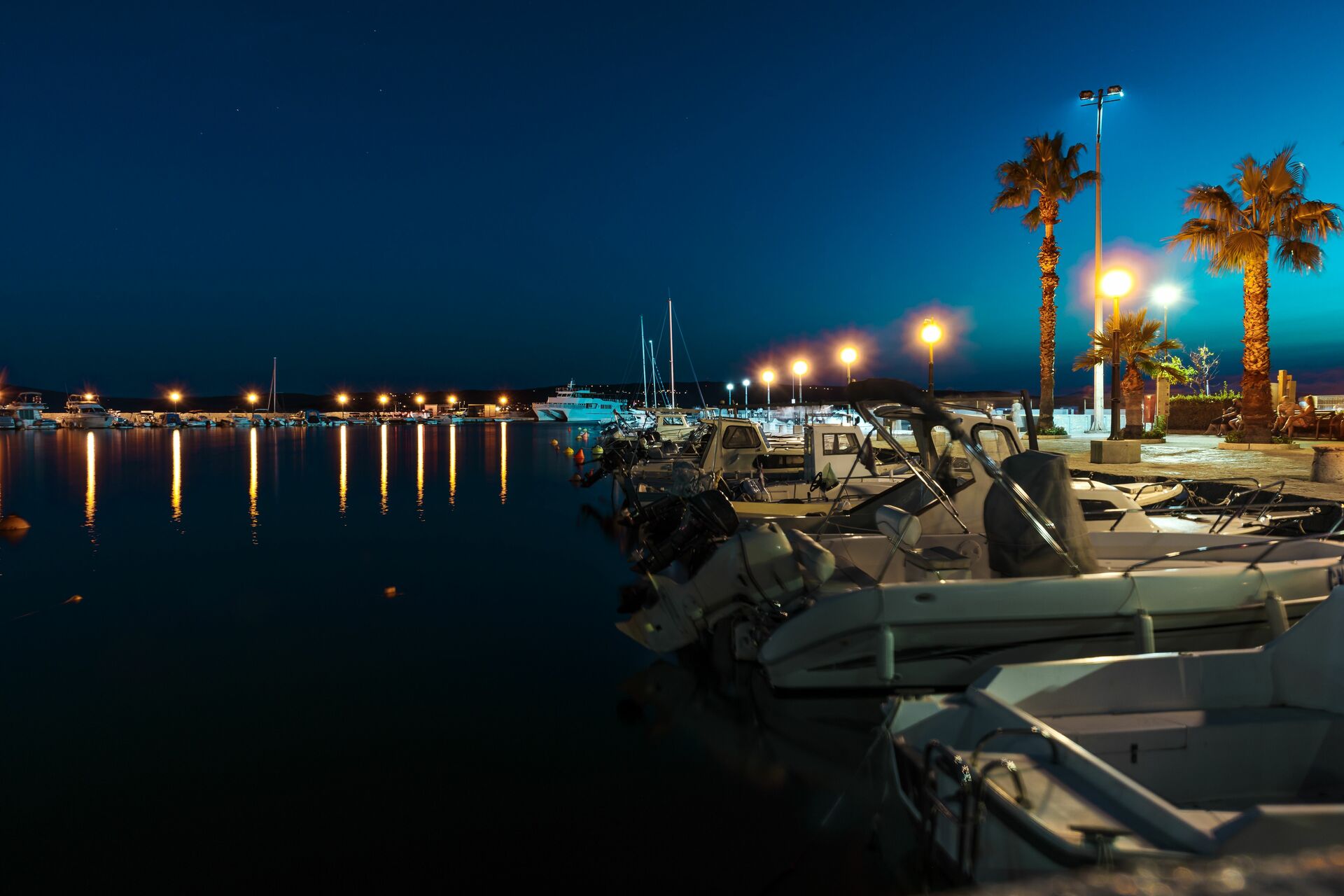
When your boat is anchored, a white anchor light must be visible around the horizon. This shows that the vessel is stationary, reducing the chances of a collision.
Make sure it's not in use when you're underway, as this can cause confusion and potentially lead to an accident.
Special Lights
Sometimes boats need special lights for specific tasks, including the towing lights used by vessels towing other boats. Additionally, law enforcement uses flashing lights for their boats when patrolling the water.


Specific Requirements Based on Boat Size
The size of your boat correlates with the kinds of boat lights you're required to use.
Typically, boats fit into three categories:
- Vessels under 12 meters
- Vessels between 12 and 20 meters
- Vessels over 20 meters
Vessels Under 12 Meters (39.4 Feet)
If under power, these smaller vessels should have an all-around white light. You'll also need sidelights and stern lights in a tricolor light at the masthead.
Vessels Between 12 and 20 Meters (39.4 to 65.6 Feet)
Bigger boats need more lights. Vessels in this category need separate sidelights, a stern light, and a masthead light if they're under power.
Vessels Over 20 Meters (65.6 Feet)
These large vessels require the most lighting.
If they're under power, they should have two masthead lights: one at the front and one at the rear. They also need separate sidelines, a stern light, and additional white lights based on their specific size.
Usage Scenarios
How a vessel is being used can also affect what kinds of lights it has to display at night.
- If your boat is underway and driven by power, it must display red and green sidelights, a masthead light, and a stern light.
- If it's underway and sailing, it can use the same combination as a power-driven vessel or a tricolor light to replace individual sidelights and a stern light.
At anchor, vessels need an all-round white anchor light.
What Boat Lights Are Required at Night?
Between sunset and sunrise, boats must display navigation lights (those are the red and green lights on the bow of your boat).
Masthead and stern lights are also crucial for nighttime navigation. These bright white lights make your boat visible to other boaters in the dark.
Common Mistakes to Avoid With Boat Stern Lights
You don't want to put yourself and others at risk by using boat stern lights or other vessel lights incorrectly. The wrong light colors and incorrect placement are common issues, as are lights that aren't bright enough.
To avoid these kinds of problems, all lights must be appropriately placed based on visibility requirements and regulations. Also, make sure you're using the correct colors to prevent confusion and choose bright lights for good visibility.
Maintenance Tips
Prioritizing good boat maintenance is very important, and your lights are no exception.
- Inspect lights frequently for proper functionality and ensure they're working as expected.
- During your inspection, clean the lenses and ensure they aren't obstructed in any way.
Additionally, always carry spare bulbs on your vessel and know how to replace dim or malfunctioning bulbs. You don't want to be caught out on the water with bad bulbs or without the tools to replace them.
Boat Safely and Legally In Your State with Boater Education
Understanding boat stern lights is important, but there's much more to being safe on the water! Along with taking good care of your boat lights, it's essential to be comfortable with basic boating safety. You can do that by taking a boating education course through Boat-Ed.
Through our online course, you'll learn a lot of great information to help you get out on the water confidently for a better boating experience. You'll also learn everything required by your state or province to pass the test for your boating education card to boat legally every season.


Content most recently reviewed and updated February 12, 2026.
Frequently Asked Questions (FAQs)
We have answers to your questions the boat lights required at night!
Q: What lights do you have to have on a boat at night?
A: At night (or in low visibility), every boat must display navigation lights. Typically this includes red and green sidelights, a white stern light, and. Depending on the boat type, you might also need a white masthead or all-round white light.
Q: Do you have to have red and green lights on a boat?
A: Yes, most powered boats need red and green lights. Red (port/left) and green (starboard/right) sidelights are required so other boaters can tell your direction of travel. Very small or non-powered boats may use a single all-round white light instead.
Q: What are the rules for lights on a boat?
A: Rules for lights on boats vary based on the size of your boat. Boat lighting rules specify which lights to show, their color, position, brightness, and when they must be used (generally from sunset to sunrise and in poor visibility) to prevent collisions and show your boat’s size, type, and direction.