How Does a Boat Anchor Work?
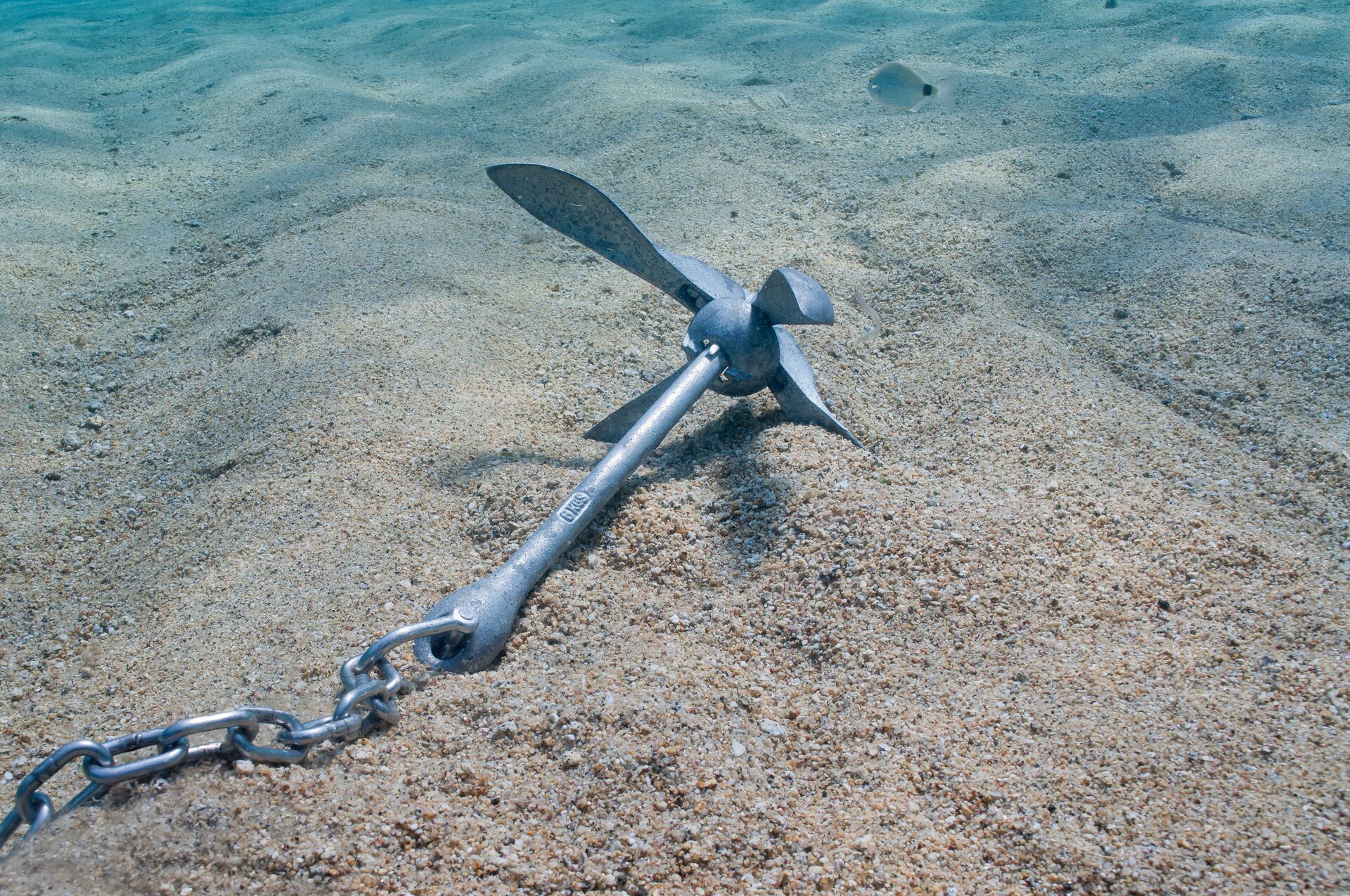
A boat anchor works by using its weight to land on the seabed. It's specifically designed shape (like a fluke or plow blades) digs into the ground. As the boat drifts, the anchor creates resistance, with the attached chain ensuring a pull that digs it deeper into the seabed to hold the boat in place.
Today, we'll talk more about what is an anchor, choosing the right one, and how they work. Using an anchor properly is part of boating safely!
Updated March 5, 2026
What is an Anchor (and What's Its Purpose)?
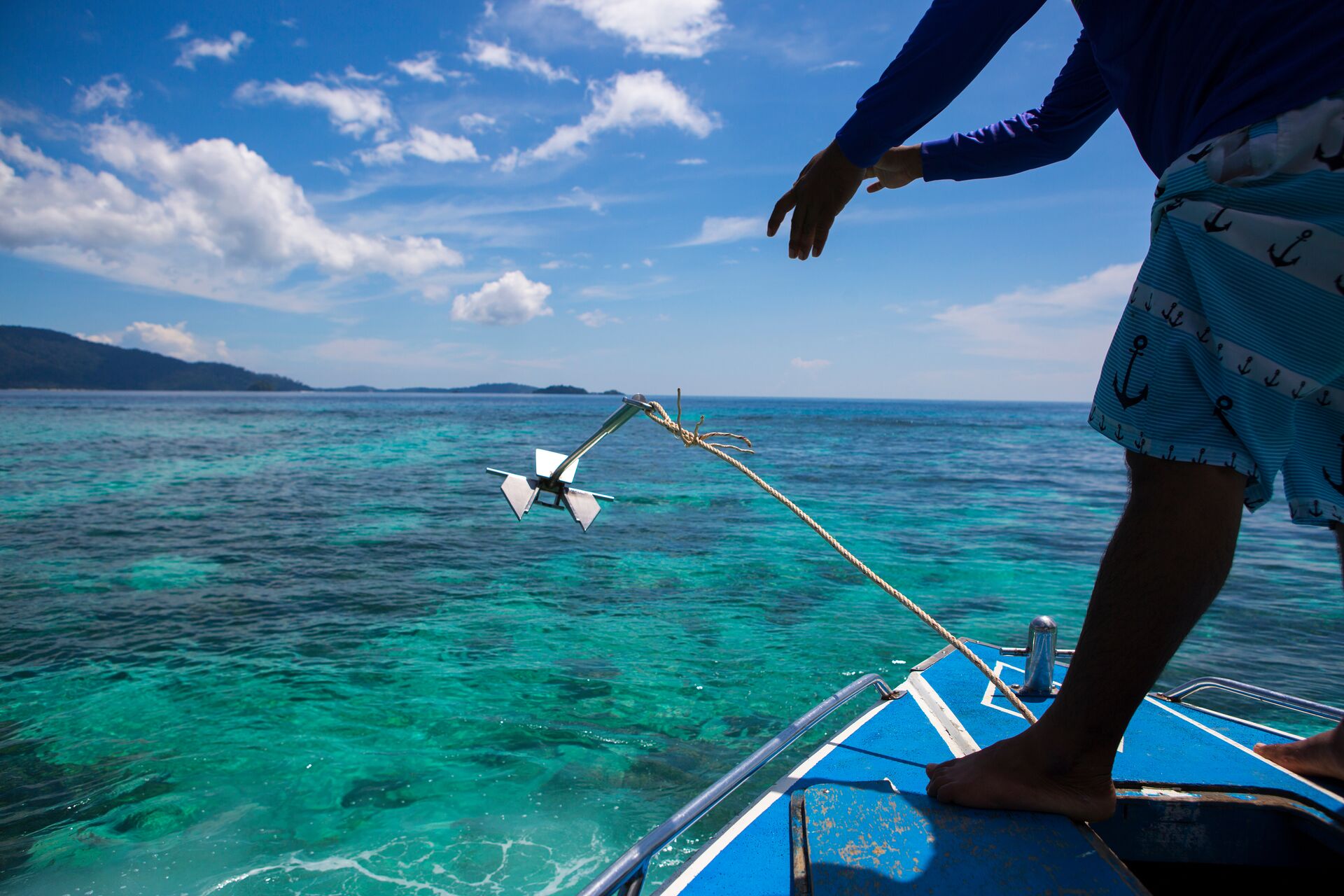
Whether you've operated a boat or not, you've probably seen an anchor. You've probably also seen television shows or movies where a captain throws an anchor over the side of a boat to keep it in place.
The primary purpose of a boat anchor is to secure the boat in place. An anchor stops your boat from drifting with the wind or water currents and holds the boat in a specific location.
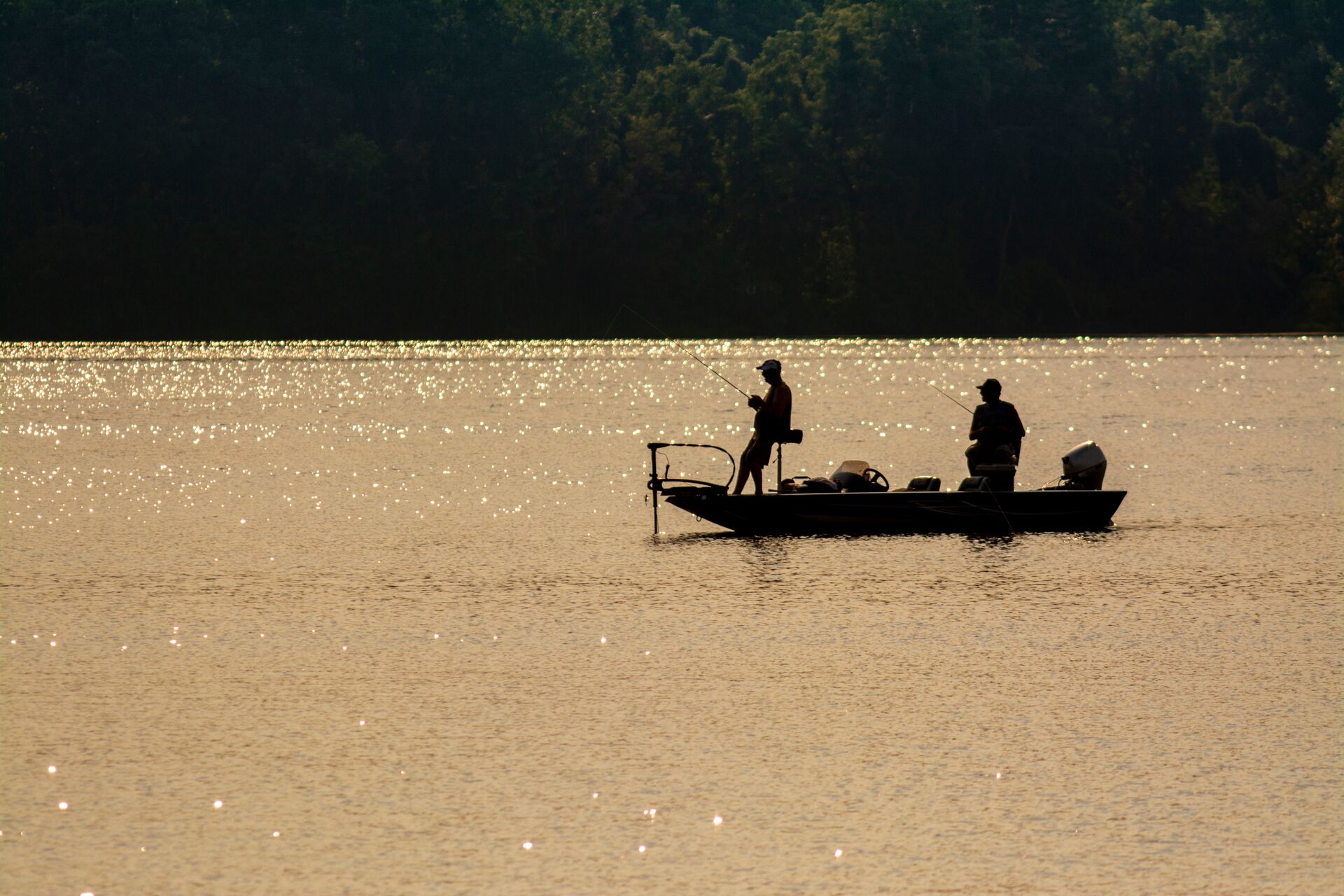
For example, anchors work well when fishing, so you can stay in place and let the fish come to you.
When you want to rest and enjoy the water or in areas where it's safe to leave your boat and swim, an anchor gives you security that your boat will stay where you stopped it.
How Do Anchors Work?
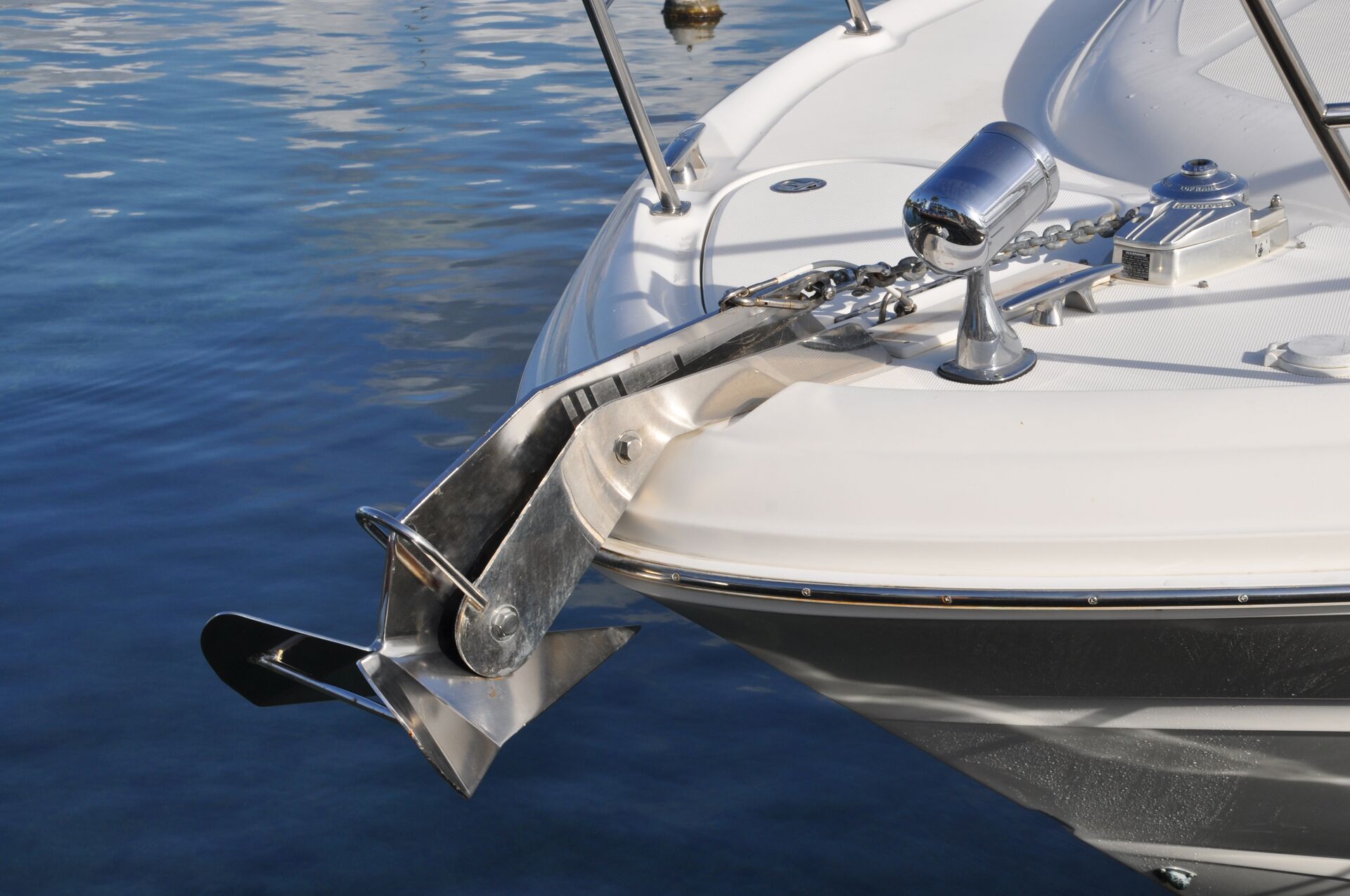
A boat anchor is a simple mechanism. It works by digging into the seabed's mud, sand, rock, or gravel and holding fast.
Many people think that the weight of the anchor is what keeps the boat in place, but this is a misconception. The blades or flukes on the anchor dig into the seabed and create resistance to hold the vessel in one location.
What Are the Types of Anchors?
When boating, you'll see several types of anchors. If you buy, rent, or borrow a boat with an anchor, the chances are high that it's the right type for that vessel.
However, if you don't already have an anchor for your boat or want to get a different kind, knowing which one will work best for your needs is essential.
Here's a quick overview of three types of anchors.
Fluke Anchor (Danforth)
The fluke anchor is best for soft seabeds like mud and sand. It's a lightweight option that's easy to handle and store, so it's a very convenient choice.
Plow Anchor
The plow anchor is more versatile than the fluke anchor and works with various seabed conditions. You can even use it with grassy and rocky seabeds, and it's an excellent choice for larger vessels.
Claw Anchor
If you're using your boat in waters that have rocky, grassy, or rugged seabeds, a claw anchor is a great choice. It provides a solid grip even when your boat changes direction, so you won't worry about a dislodged anchor sending you off with the current.
The Importance of the Anchor Line or Chain (Rode)
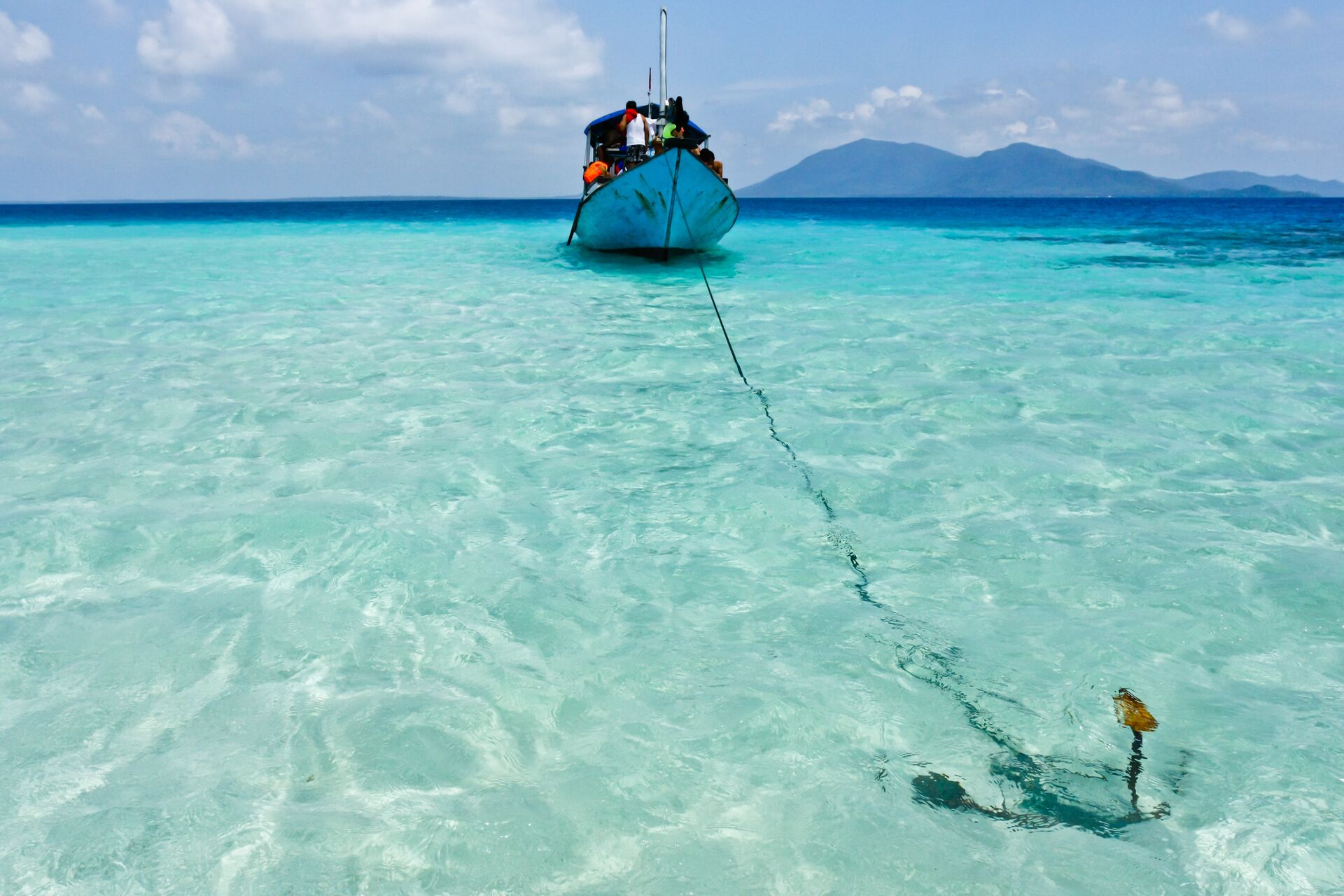
The anchor isn't the only essential item when securing your boat to the seabed. You also need the anchor rode, which is the rope or chain that connects the anchor to the ship.
To set your anchor more effectively, you want a longer ride, which should be five to seven times the depth of the water you're in. This allows for a horizontal pull and can set the anchor more solidly.


Setting the Anchor
Before hitting the water, if you're unfamiliar with how a boat and its anchor system operate, you want to learn as much as possible before getting out on the water. You don't want to get caught not knowing how to use it when needing the anchor while away from shore.
To set your boat's anchor, slowly lower it to the bottom while allowing your boat to drift backward. That helps the flukes catch the seabed.
To allow for a firm hold, ensure you have a sufficient scope: the ratio of rode length to water depth. Not having enough rode can keep the anchor from fully settling, resulting in a weaker hold.
When the anchor doesn't set, you risk drifting away from where you want to be.
Do Different Conditions Affect Holding?
Many things can affect how well an anchor holds, including wind (and extreme wind), tides, and currents. Additionally, you need to know the main composition of the seabed to choose the best anchor for your boat's stability.
If you take your boat to various waterways, you may want to carry more than one type of anchor.
How to Retrieve the Anchor
Retrieving a ship anchor isn't complicated when you have the correct technique.
Slowly move your boat toward the anchor while you pull in the rode. Once you're over the anchor's position, a vertical pull will break its grip on the seabed and bring it up from the bottom.
Anchor Maintenance and Safety
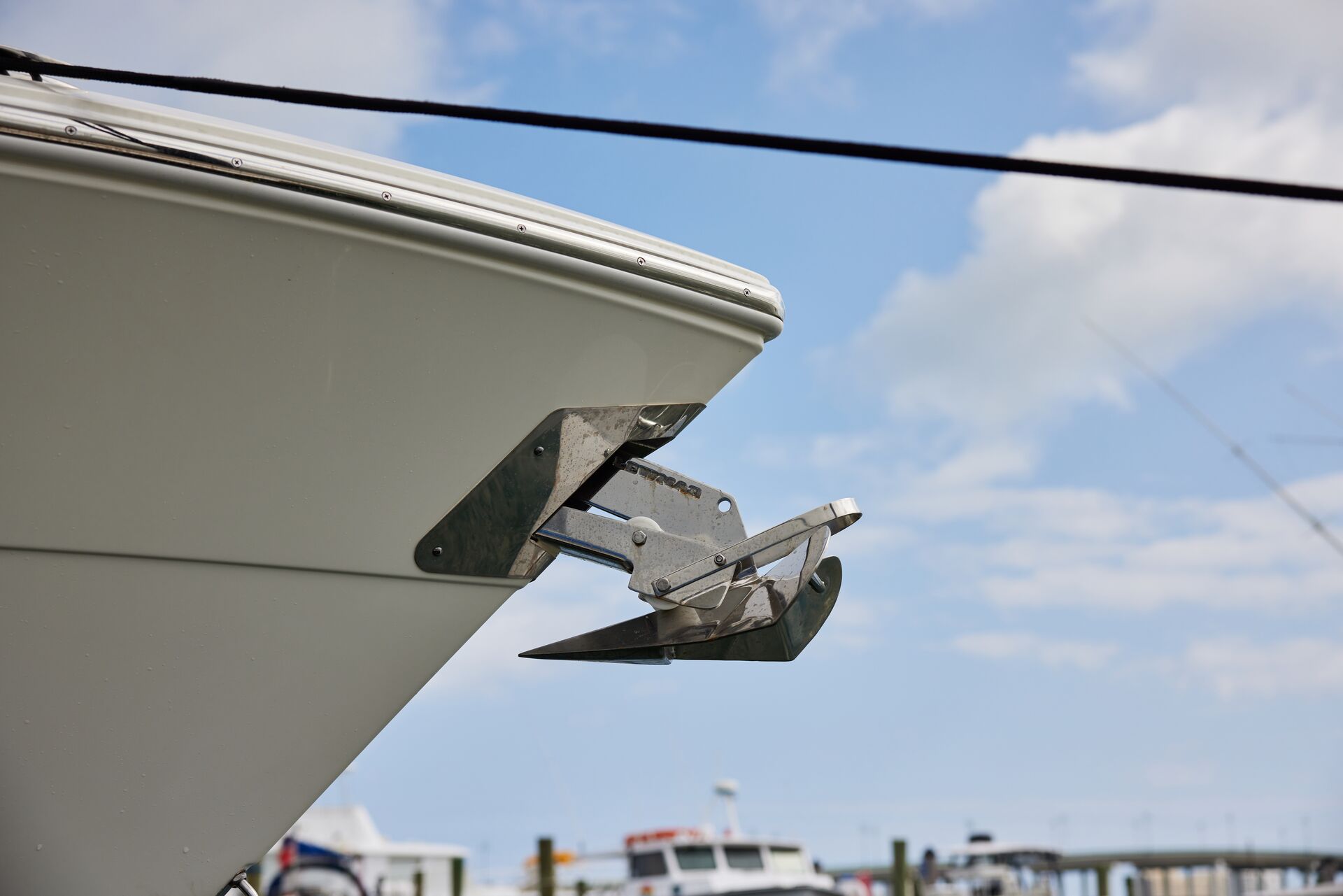
Knowing "how do anchors work" includes understanding how to keep them in good condition. Taking good care of your anchors and the other parts of your boat is extremely important.
As a good boating safety practice, you should regularly inspect anchors and rode for wear and tear and replace any damaged components. Also, make sure you use the proper anchor size for your boat's length and weight.
How to Choose the Right Anchor for Your Boating Needs
To choose the right anchor size, consider your boat size and type, the seabed type, and local water conditions.
Again, you might also need to carry multiple anchors to prepare for a variety of situations, depending on where you boat.
Learn More About Safe Boating With a Boater Education Course
Anchoring a boat is an important skill to master, and it starts with understanding different types of anchors and how they function. We hope this guide helps you better understand your ship anchor!
Along with asking yourself, "What is an anchor?" you may have other questions about boating safety, navigation, and more. The best way to get your questions answered is to take a boat education course—like the ones we offer here at Boat-Ed. Our online courses help you stay safe on the water and give you the confidence to enjoy your boating adventures.
Plus, after completing the course and passing the exam, you've met your state's requirements for boater education. You can grab your boater education card, then hit the water safely and legally!


Content most recently reviewed and updated March 5, 2026.
Frequently Asked Questions (FAQs)
We have answers to your questions about how to boat anchors work!
Q: How does a ship anchor in deep water?
A: In deep water, a ship drops a heavy anchor attached to a long chain. The anchor digs into the seabed, and the weight of the chain lying along the bottom helps hold the ship in place. In very deep water, ships usually don’t anchor and instead drift or use engines to maintain position.
Q: What does 4 shackles in the water mean?
A: A shackle is 90 feet (15 fathoms) of anchor chain. "Four shackles in the water" means 360 feet of chain has been let out.
Q: What’s the correct order to anchor a boat?
A: The correct order to anchor a boat is to position the boat facing into the wind or current, lower the anchor to the bottom, let out enough chain or rode, then gently reverse to set the anchor and confirm it is holding.