When to Use a Bowline Knot
This probably goes without saying, but . . . knots are essential for boaters. They make it easier to dock or anchor your boat, tow other vessels, and handle emergencies.
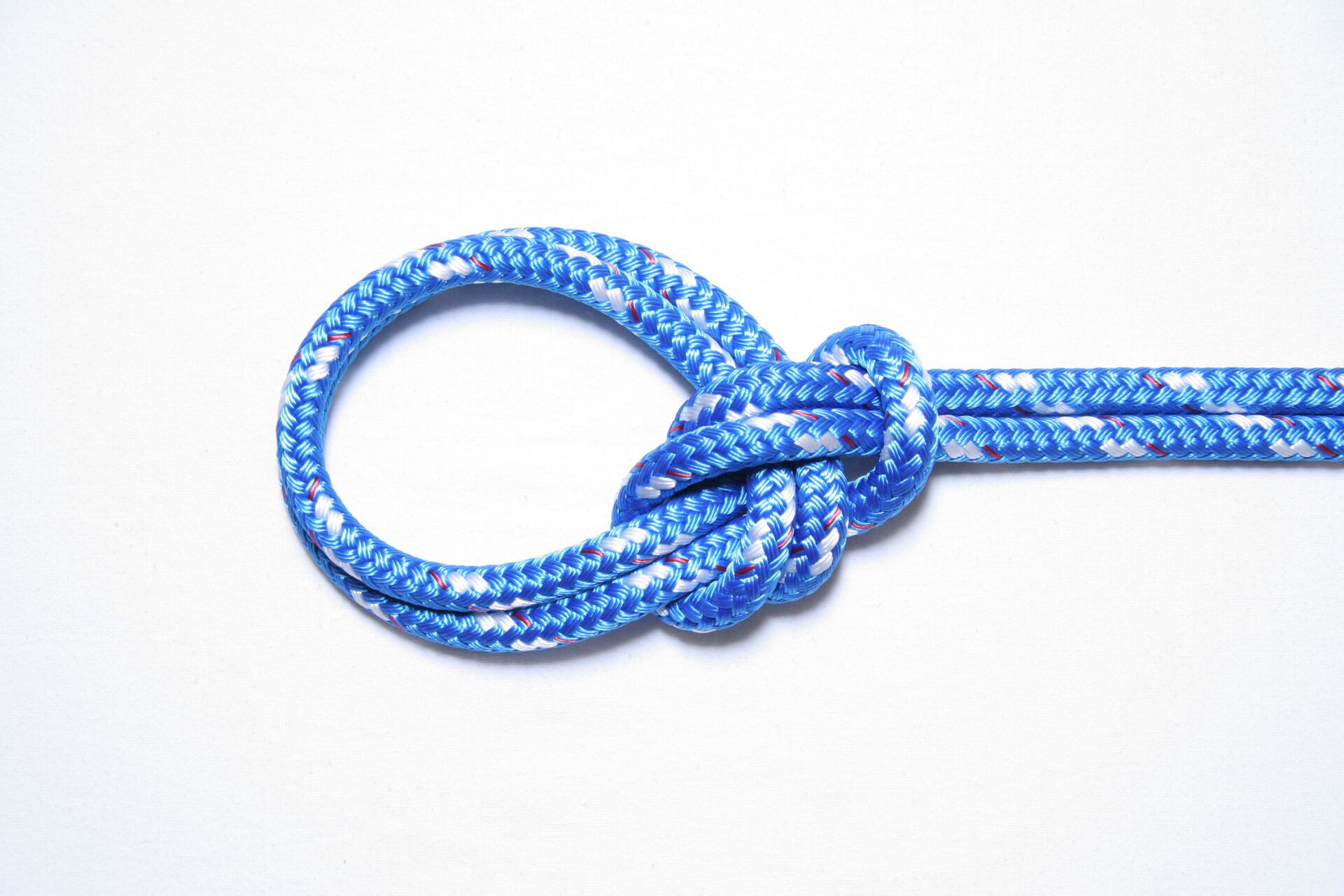
The bowline knot is among the most valuable knots to learn, and it's not a complicated knot to tie. It's also useful for many different activities (even beyond boating), including securing lines to posts or cleats, towing, climbing, rescue, camping, and general utility
Here's what you need to know about arguably the most versatile of the boat knots: the bowline knot.
Updated January 29, 2026.
A Brief Overview of the Bowline Knot
The bowline (or "paalsteek") knot is among the most widely used knots in boating. It's popular because it creates a non-slip loop at the end of a rope, making it very secure.
It's also easy to tie and untie, even if it's under a heavy load. Every boater should know how to tie this knot, as it can increase peace of mind, safety, and security on the water.
What Are the Benefits of a Bowline Knot?
The bowline creates a fixed loop that does not slip under load, making it reliable and predictable.
It’s also easy to tie, inspect, and untie even after being heavily loaded. This makes it popular in sailing, climbing, rescue, and general rope work.
What is the Strength of a Bowline Knot?
A bowline typically retains about 60–70% of the rope’s original strength, depending on the rope type and how well the knot is dressed and set. However, while strong, it is not the strongest of the available boat knots.
What Are the Limitations of a Bowline Knot?
The bowline can loosen when not under constant load or when the load direction changes. It is also weaker than some modern alternatives (like the double bowline or figure-eight loop) and requires correct tying to avoid failure.
What Are the Safety Considerations When Using a Bowline Knot?
To stay safe when using a bowline, always dress and set the knot properly, leaving an adequate tail. In situations with variable or cyclic loading, add a stopper knot or use a more secure variation (e.g., a double bowline).
Then, regularly inspect the knot, especially in critical safety applications.
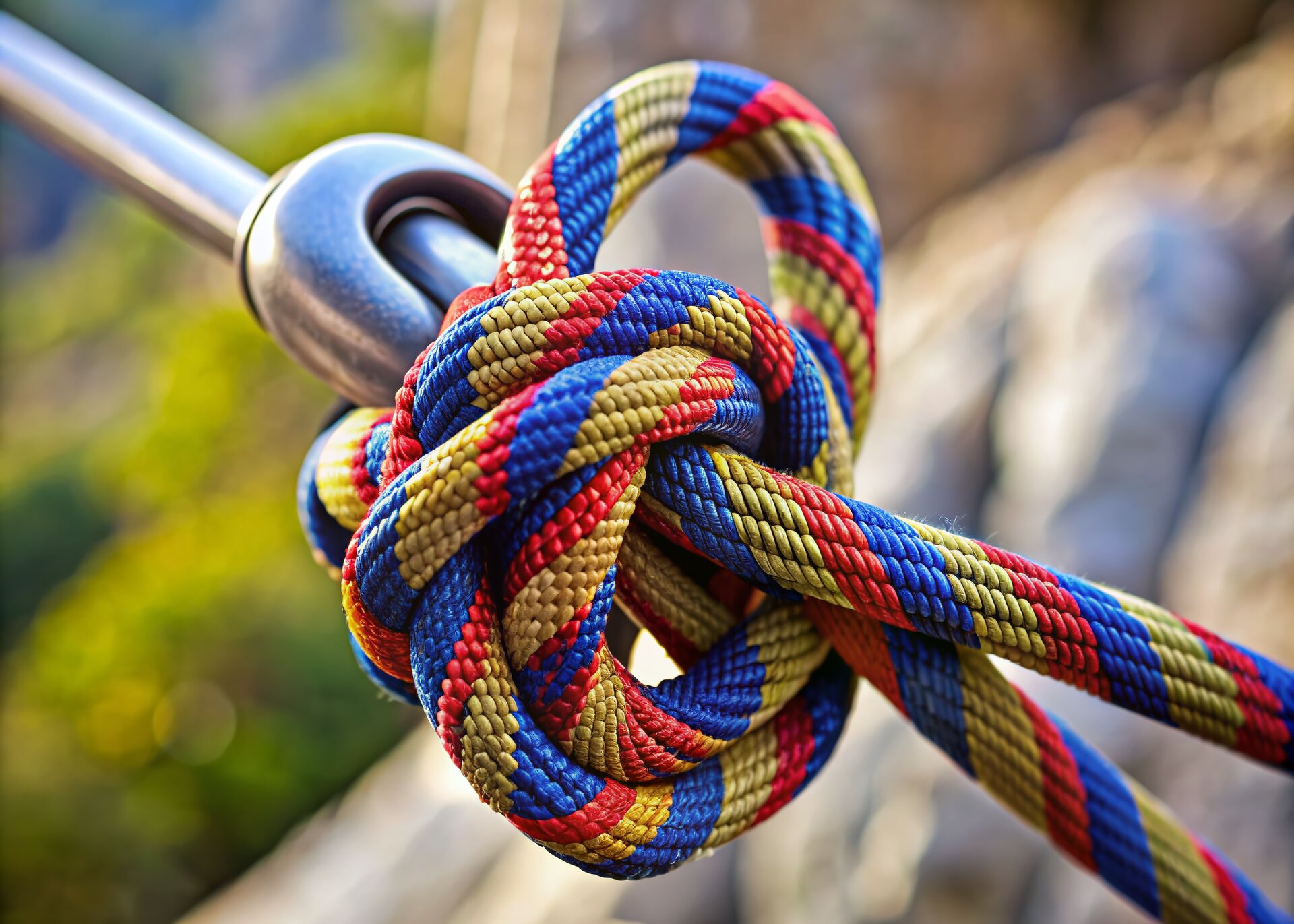


How to Use the Paalsteek Knot
How do you use this knot? As we mentioned, it's very versatile for boating! Here are a few ideal uses for the bowline.
Securing to Fixed Objects
One of the main reasons boaters like this knot is that it's ideal for tying a rope to a fixed object. Whether you're docking your boat and need to tie it up tightly or you want to secure it to a ring or post, the bowline knot can get the job done.
It's a reliable knot that can handle plenty of weight and won't slip.
Towing Other Vessels
Another valuable use for the bowline is towing.
Because the knot offers a strong loop that won't tighten under tension, you can rely on it to help another vessel safely get back to shore without worrying that the knot will come loose during the tow. This option is ideal for smaller boats.
If you need a smaller or larger loop, you can quickly adjust it to fit your towing needs. That can be extremely important in a hurry, such as during rough weather or a medical emergency.
Being able to tow a vessel in distress could mean life or death for the boat's captain and passengers.
Safety in Emergencies
When faced with a rescue situation, such as securing a person or object for lifting or pulling, this knot is the right choice. It can be tied around a person's waist or life jacket without causing constriction, making it a top choice for rescuing people in a marine environment.
Use a bowline knot to help get someone out of the water quickly before the risk of hypothermia!
Attaching to Cleats or Anchors
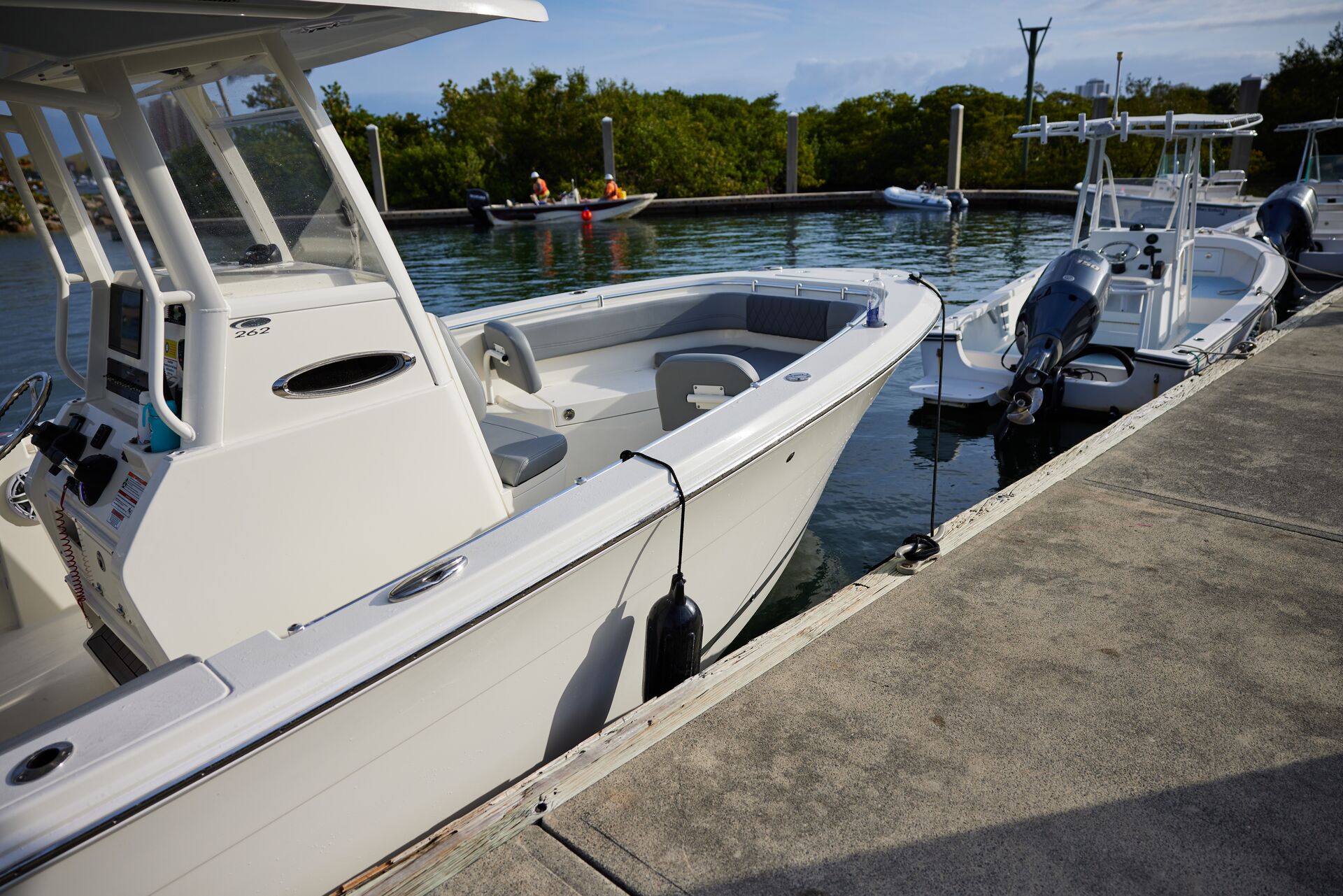
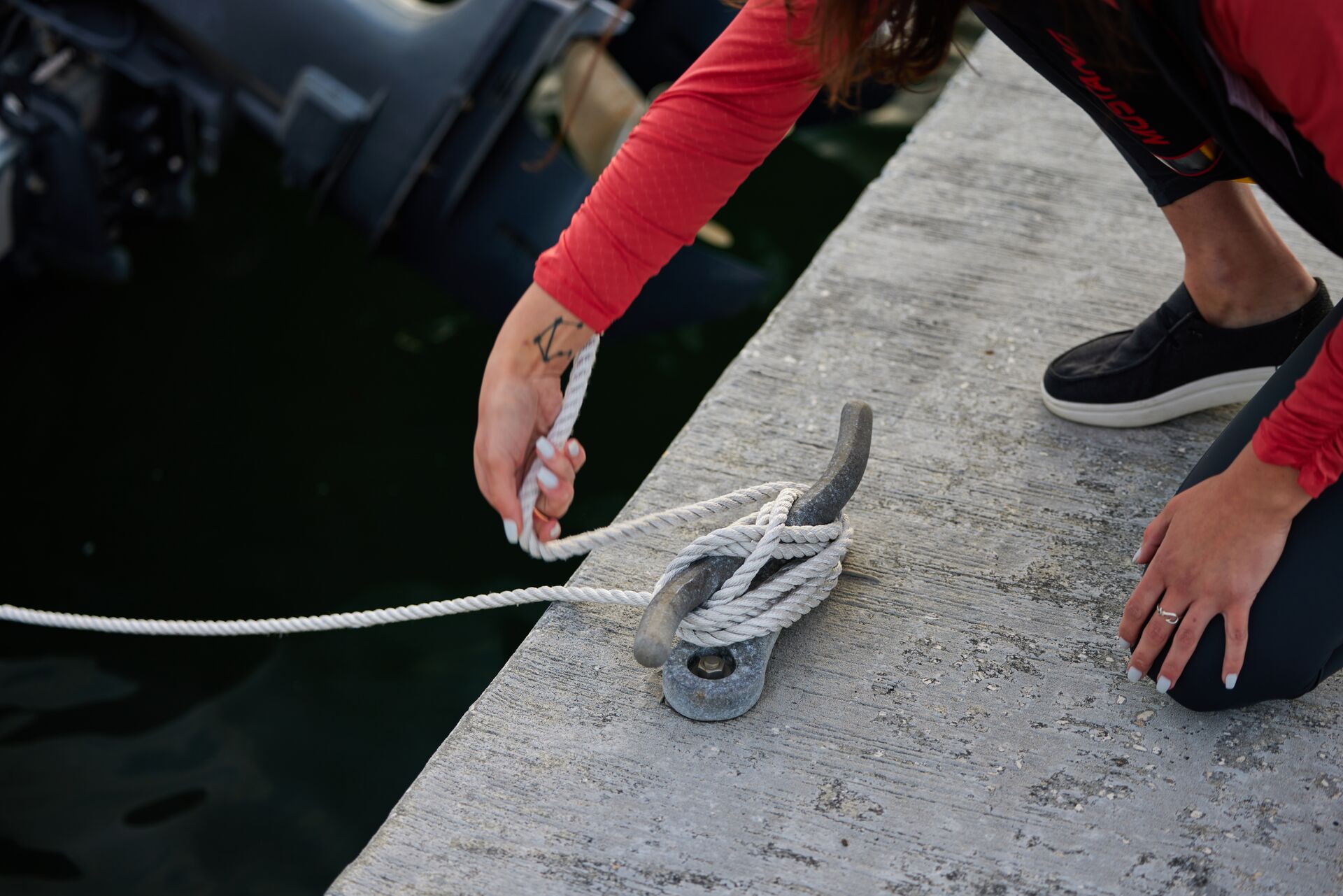
Another essential use for this type of knot is attaching to boat cleats to secure and anchor lines during docking.
By creating a loop at the end of a rope, you can attach it to a chain or anchor line. Doing that will keep your boat secure and reduce concerns over having it break free once it's docked or anchored.
What if You Need to Untie It?
Tying a quality knot doesn't have to be challenging, but what about untying it?
That's another vital feature of the bowline: it's easy to untie.
This holds true even after it has been under a lot of tension or loaded with weight. Unlike other knots that can bind after being under strain, the bowline stays manageable and functional. You can untie it quickly and move on.
Not for Constant Tension
The bowline is secure under a load, but it's not the best choice for situations where the knot will be under constant tension.
For example, you would want to use a different knot to tie down sails or secure lines under continuous strain. A clove hitch knot can be a better choice in cases like this.
Practical for All Experience Levels
The bowline (or bowline on a bight) is an easy and practical knot whether you're a beginning boater or a seasoned pro. It's a must-know knot for anyone making their way onto the water.
With its reliability and simplicity, this knot can help boost your confidence when you take your boat out on an adventure.
Using a Bowline Knot for Sailing
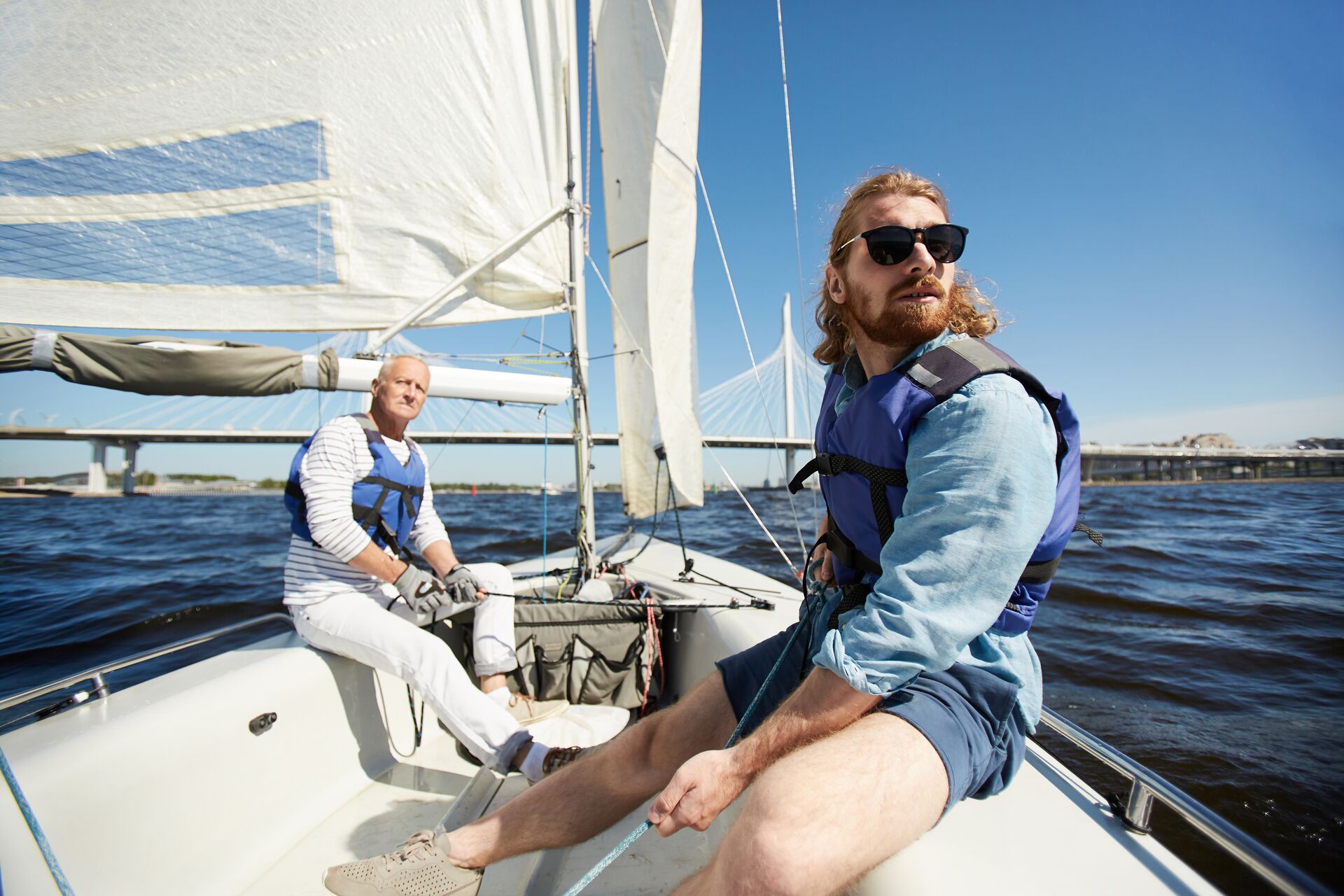
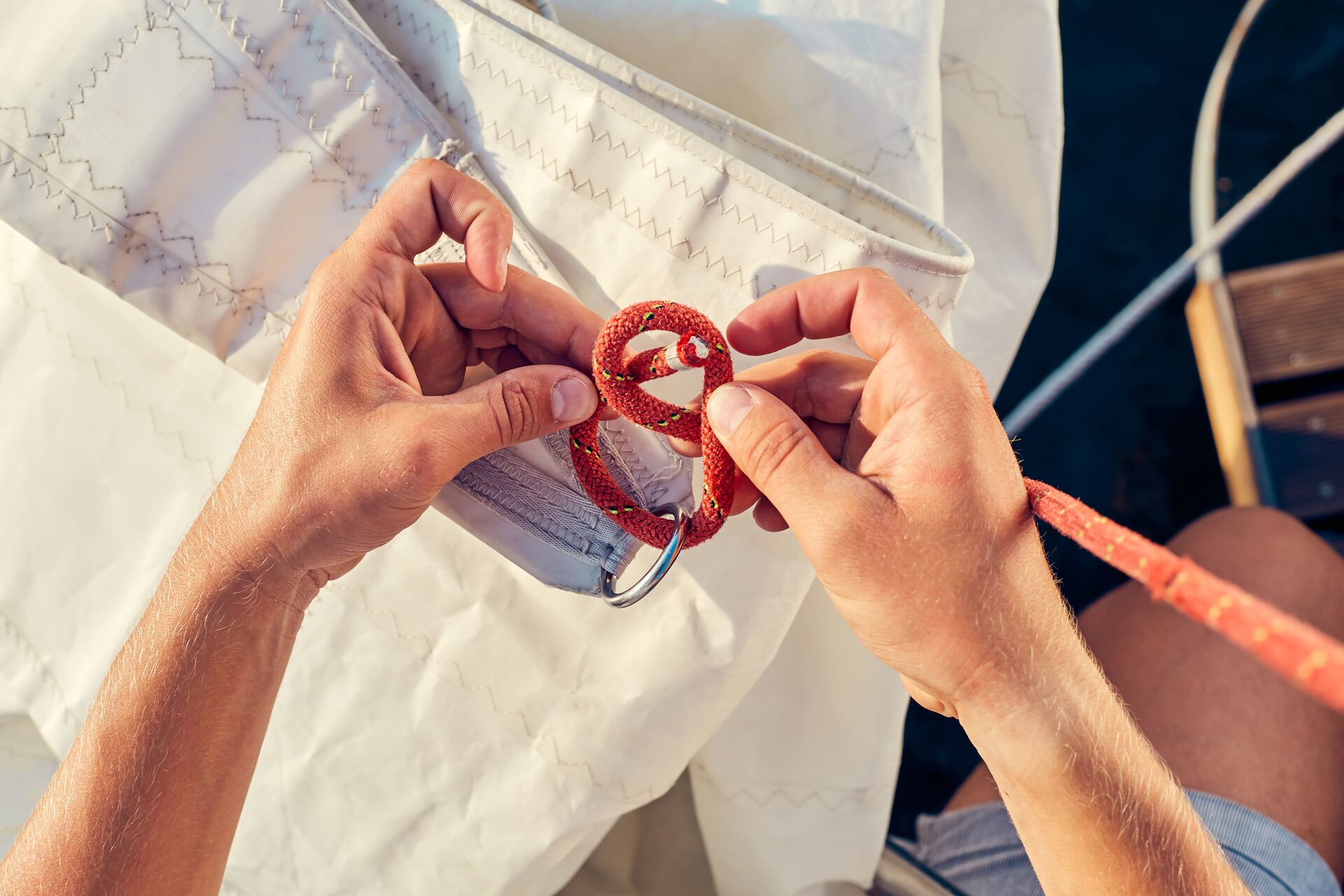
You can use the bowline for sailing to attach sheets to the clew of a sail. This ensures a strong connection with a knot that's still easy to untie when needed.
Sailing can be hard work and involve a lot of different components, so you want to make each one as easy and convenient as possible. Using a bowline knot is an excellent way to do this.
Final Tip: Always Check Your Knots
Before you put your bowline under any load, you must ensure it's appropriately tied. Double-checking the knot will help you avoid slippage and reduce risks.
You'll also want to inspect your knots regularly in challenging conditions or on a more extended voyage to ensure they stay secure.
Take a Boater Education Course to Learn More
The bowline knot is just one of several important knots you'll want to know as a boater. You also need to know how to operate your boat safely to protect yourself and others on the water.
To learn more about staying safe on the water, take a boating education course through Boat-Ed. Knowledge of your boat and how to operate it safely is essential, and a quality boating education course can give you the information you need.
Our online boater education courses cover the essentials required by your state and Transport Canada—including different types of knots—to help you boat legally and safely every season.
Boat safely and legally this season!


Content most recently reviewed and updated January 29, 2026.
Frequently Asked Questions (FAQs)
We have answers to your questions about bowline boat knots!
Q: What are the disadvantages of a bowline knot?
A: When considering the disadvantages of a bowline knot, it can loosen or work itself undone if it isn’t kept under steady load. It is also weaker than some alternative loop knots and can be unsafe if tied incorrectly or without a stopper knot.
Q: What are the benefits of a bowline?
A: When considering the benefits of a bowline knot, it forms a secure, non-slipping fixed loop that is easy to tie, easy to inspect, and easy to untie even after being heavily loaded.
Q: How much does a bowline reduce the strength of a rope?
A: A bowline typically reduces rope strength by about 30–40%, meaning the rope retains roughly 60–70% of its original strength.