Top 10 Boating Safety Tips Every Canadian Should Know
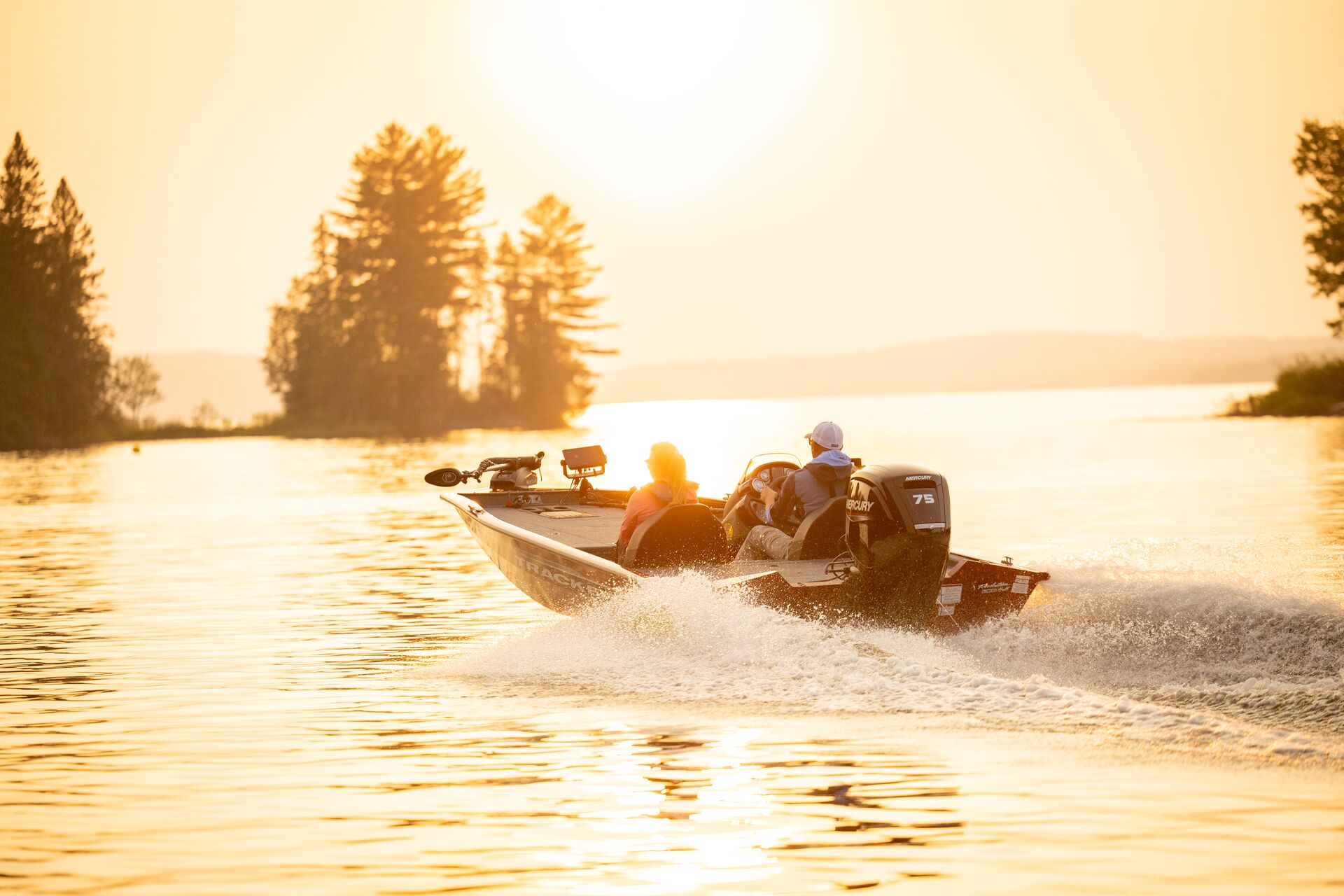
If you're a Canadian who loves the water, getting out on your boat can be a beautiful way to spend some time with friends and family. Fishing, cruising, paddle sports, sailing, and more are all available, offering adventure and freedom. Just don't forget to practice safe boating, too.
With vital boating safety tips and the proper safety equipment, you can make the most of your time on the water and keep Canada’s lakes, rivers, and coastlines safe for others, as well.
Here are the top ten boating safety tips Canadians need to know and follow when hitting the water.
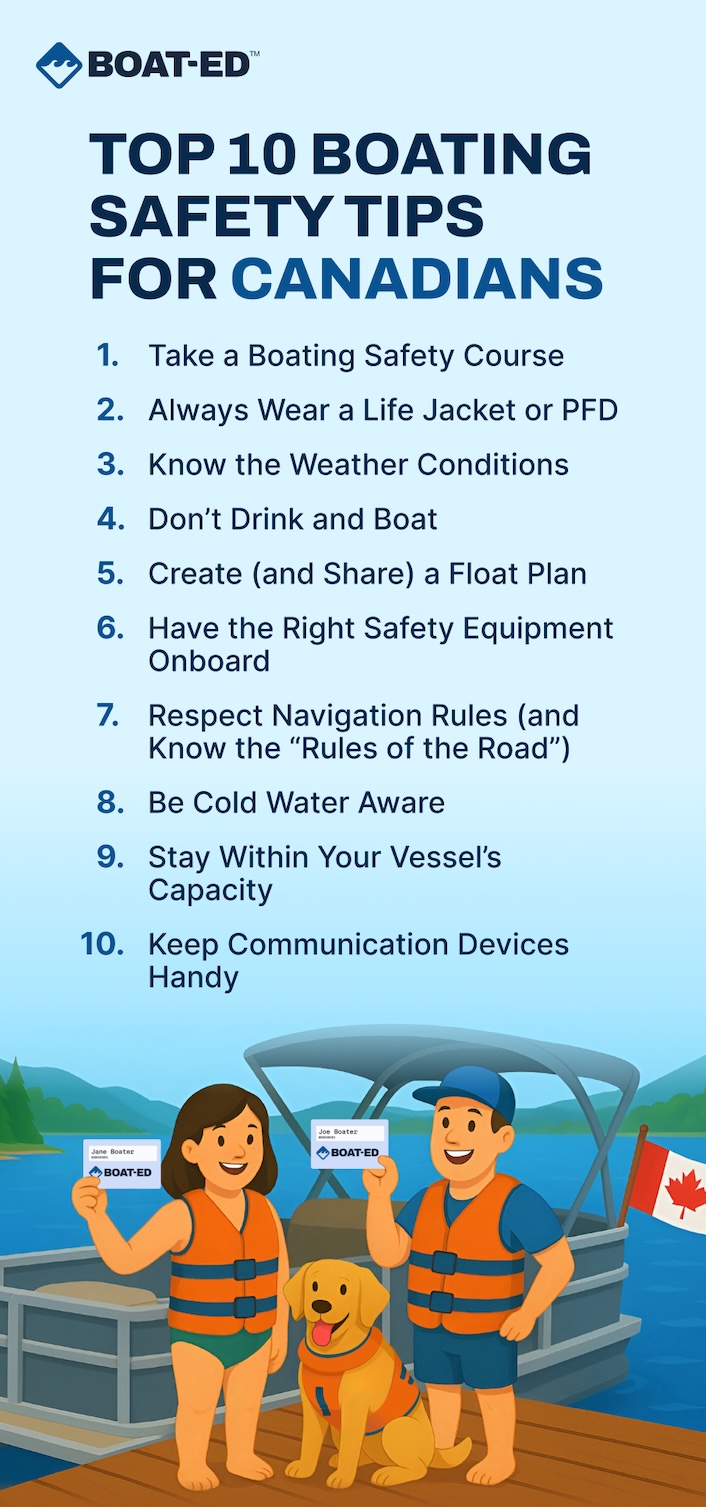
Top 10 Boating Safety Tips for Canadians
Keeping these ten safety tips in mind helps boaters protect themselves and others on the water!
1. Take a Boater Safety Course (and Get Your Pleasure Craft Operator Card)
Canadian law requires you to carry proof of competency while boating, which means you need a Pleasure Craft Operator Card (PCOC) when operating most motorized vessels.
Taking a boating course teaches you essential navigation rules, emergency procedures, and environmental responsibility so that you can boat confidently. You can take an online course (like Boat-Ed) and complete it at your own pace.
2. Always Wear a Life Jacket or PFD
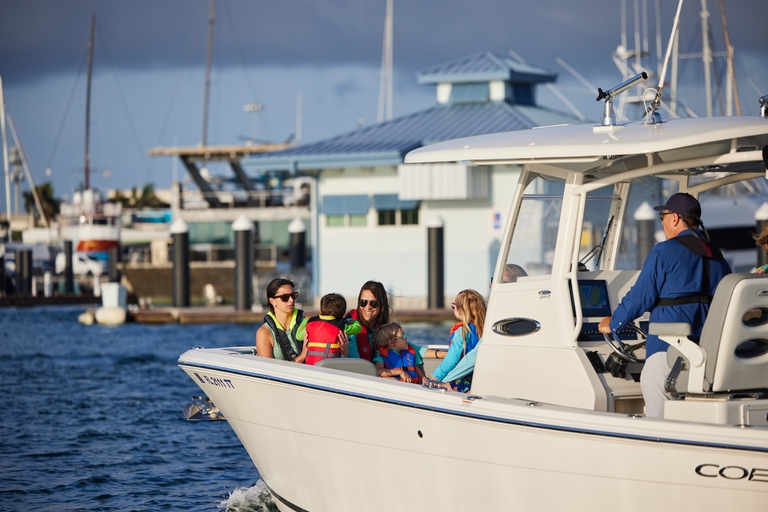
Accidents can happen quickly, and the cold Canadian waters can lead to hypothermia in just minutes. Make sure everyone on board has a Transport Canada-approved PFD that fits them, and keep life jackets easily accessible if they're not being worn.
3. Know the Weather Conditions for Canada Boat Safety
The weather can change quickly, especially on larger bodies of water and near the coast. Check the marine forecast before leaving the dock, and monitor a VHF radio or weather app for updates.
If there's any doubt about the weather, staying on shore is the best course of action.
4. Don't Drink and Boat
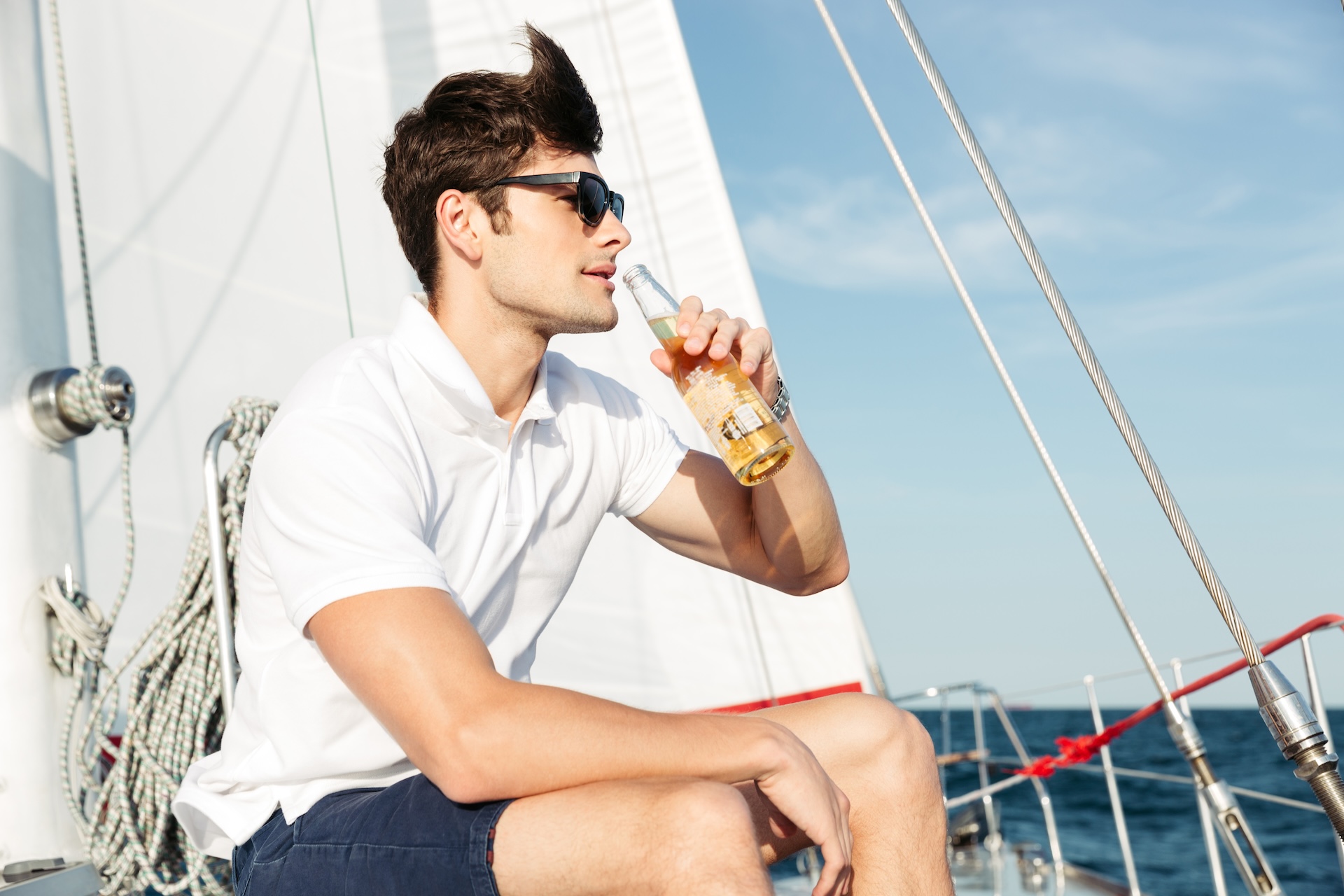
Among the biggest boating safety tips is avoiding alcohol. Boating under the influence is not only illegal but also dangerous. Choose a sober skipper and save the drinks for the dock.
5. Create (and Share) a Float Plan
File a float plan and ensure someone on land knows where you're going, who's with you, and when you expect to return. Add your contact details and boat's description to the plan, to make rescue easier if you ever need it.
6. Have the Right Safety Equipment Onboard
Canada boat safety means having the required gear on board. Transport Canada has a safety equipment checklist, and requirements vary by the size of your boat.
You'll likely need equipment such as:
- A sound-signaling device
- Navigation lights
- A bailer or bilge pump
- A flashlight
- A fire extinguisher
To ensure all your safety equipment works when you need it, be sure to inspect and maintain it regularly.
7. Respect Navigation Rules (and Know the "Rules of the Road")
Make sure you understand right-of-way, buoy markers, and speed zones, and avoid reckless or aggressive driving. It's also essential to stay alert and be courteous to others on the water.
Navigation apps or charts are essential for helping you stay in designated boating areas and avoid hazards.
8. Be Cold Water Aware
Even in the summer, some Canadian waters are cold enough to cause hypothermia. Make sure you're dressed appropriately for the temperature of the water, not just the air.
9. Stay Within Your Vessel's Capacity
Another thing you'll learn in a boater safety course is that vessels have capacity limits. You don't want to overload your boat with gear or people.
Check the capacity plate and ensure you distribute the weight evenly. Overloading can increase the risk of capsizing by destabilizing your boat.
10. Keep Communication Devices Handy
Make sure you have a fully charged phone or marine radio. On a VHF radio, channel 16 is the emergency frequency.
If you're boating in remote areas, consider a satellite messenger or personal locator beacon (PLB) and know how to activate it to call for help.
Why Boating Safety Tips Matter When You Travel On the Water
Part of Canada boat safety is knowing what can go wrong and understanding how to reduce your risk. Here are several reasons why understanding and practicing these boater safety tips is important — every time you operate a boat on the water.
Accidents Can Happen on Any Vessel
From paddling a canoe or operating a powerboat, you have risks such as changing weather conditions, cold water, collisions, and unexpected emergencies. Knowledge improves reaction times, keeping you safer.
Smaller Boats = Higher Risk of Capsizing
These safety tips apply even if you're not on a big motorized boat.
Kayaks, canoes, and small fishing boats are vulnerable to capsizing. Staying balanced, knowing how to signal for help, and being aware of what to do if you fall overboard can save your life.
Paddlecrafts Also Require Safety Equipment
Even non-motorized vessels still require safety gear, such as a life jacket, whistle, and bailer. Every boater needs to stay safe and abide by the law.
Remote Areas Amplify Risk
Many Canadian boaters venture into remote lakes, rivers, or coastal waters. If you boat in these areas, help could be far away in an emergency.
Carrying proper communication gear and learning self-rescue techniques is critical.
Responsibility Isn't Just for "Big Boat" Operators
Regardless of the size of your boat, everyone shares the responsibility of avoiding collisions, respecting wildlife, and responding to emergencies.
A Boater Safety Course Helps You Stay Safe When Boating in Canada
Boating can be fun and safe when you understand the risks and crucial safety tips. Whether you boat in Canada or the U.S., make sure you know how to protect yourself and help ensure safer waters for others.
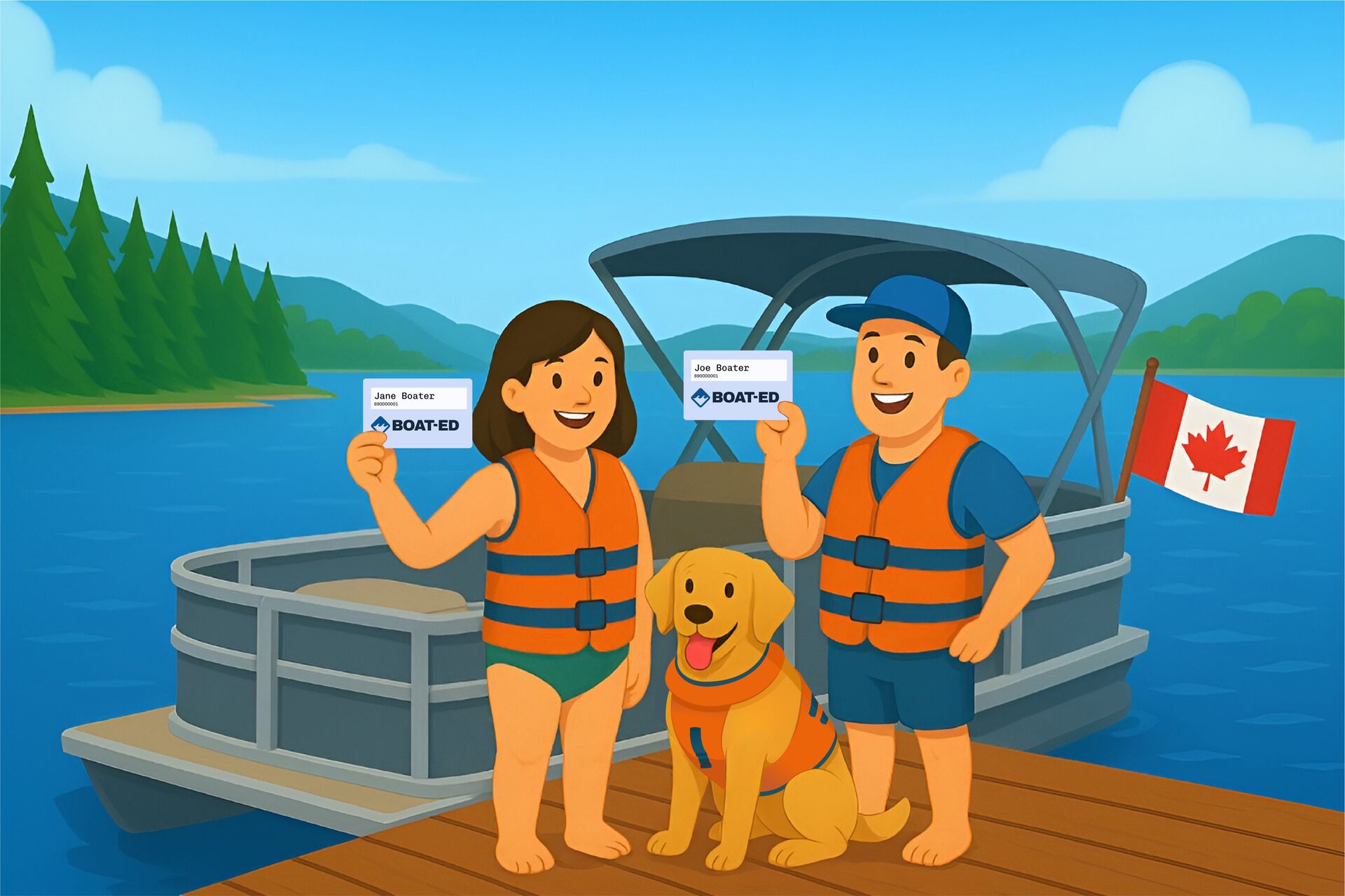
Before heading out onto Canadian waterways, make sure to take a boat education course like the ones we offer here at Boat-Ed. Not only will the information you learn help increase your safety, but it will keep you in legal compliance and give you more confidence on the water.
Boaters in Canada must carry a boater education card (or PCOC) to boat legally and safely!
Taking the Boat-Ed course for Canadians meets Transport Canada's requirements for boater education, so you can get your card and comply with the law.