Do You Need a Boating License in Virginia?

Virginia doesn't issue a traditional boating license, but that doesn't mean you can get on the water without credentials. The state requires a Boating Safety Education Certificate for most motorized vessel operators, issued through the Virginia Department of Wildlife Resources (DWR).
Unlike many states, Virginia has no birth-year exemption. If your motorboat has an engine of 10 horsepower or greater, the requirement applies to you regardless of age.
This guide covers exactly who needs the certificate, who is exempt, and how the rules apply to out-of-state visitors.
Quick Answer: Do You Need One?
Yes, you need boater education in Virginia if you operate a motorboat with an engine of 10 horsepower or greater on Virginia waters, or if you operate a PWC and are 14 or older.
No, if you operate only non-motorized vessels (canoe, kayak, paddleboard, rowboat) or qualify for an exemption listed below.
Virginia's Education Requirement (No Birth-Year Exemption)
Virginia's boating safety education requirement was phased in over several years and is now fully in effect. Every operator of a motorboat with a 10 HP or greater engine (regardless of age or birth year) must hold a valid Virginia Boating Safety Education Certificate. There is no grandfather clause or birth-year cutoff.
The certificate is issued through the DWR, is valid for life, and never needs to be renewed.
Who Is Required to Hold the Virginia Boating Safety Education Certificate
Virginia law requires the certificate for the following operators:
- Any person operating a motorboat with an engine of 10 horsepower or greater on Virginia waters
- PWC and jet ski operators 14 years of age and older
- PWC operators ages 14-15 (who must carry proof of completed course; the challenge exam does not satisfy this age group's requirement)
- Non-residents who do not hold a valid NASBLA-approved card from their home state
You must carry your Virginia Boater Card on board and have it available for inspection whenever you operate a qualifying vessel. Failure to present it during an enforcement stop can result in a civil penalty of $100.
Who Is Exempt from the Requirement
The following operators are not required to hold the Virginia Boating Safety Education Certificate:
| Virginia Boating License Exemptions | |
| Who | Exemption Status |
| Operators of non-motorized vessels (canoe, kayak, paddleboard, rowboat) | Exempt |
| Operators of motorboats with engines under 10 horsepower | Exempt |
| U.S. Coast Guard licensed captains and merchant mariners | Exempt |
| Active-duty military with qualifying vessel operation credentials | Exempt |
| Visitors with a valid NASBLA-approved card from their home state | Exempt |
| Canadian boaters holding a valid Pleasure Craft Operator Card (PCOC) | Exempt |
Vessel Types That Trigger the Requirement
The requirement is tied to engine size and vessel type, not the operator's age or birth year.
Virginia Boating Certificate Vessel Requirements | |
| Vessel Type | Certificate Required? |
| Motorboat with engine 10 HP or greater | Yes — all operators, regardless of age |
| PWC / Jet Ski | Yes |
| Motorboat with engine under 10 HP | No |
| Sailboat without auxiliary motor | No |
| Kayak / Canoe / Paddleboard / Rowboat | No |
Rules for Visitors and Non-Residents
Virginia recognizes NASBLA-approved boating education cards issued by other states, territories, and provinces. If you are visiting from another state and hold a valid NASBLA-approved card, you may operate a motorized vessel on Virginia waters without obtaining a Virginia certificate.
Canadian boaters holding a valid Pleasure Craft Operator Card (PCOC) that meets Transport Canada standards are also recognized. If you do not hold a qualifying credential from your home state, you must complete a DWR-approved course before operating in Virginia.
For more on Virginia's boating laws and regulations, including registration requirements and required safety equipment, visit the Boat-Ed Virginia regulations resource page.
What Happens If You Boat Without One
Operating without a required Virginia Boating Safety Education Certificate is a Class 4 misdemeanor with fines up to $250. Failing to carry your certificate during an enforcement stop carries a separate civil penalty of $100.
DWR Conservation Police Officers patrol Virginia waterways and are authorized to stop and board vessels at any time to verify registration, safety equipment, and certification. You must have your certificate on board and available for inspection at all times.

Start Your Virginia Boater Safety Course Today
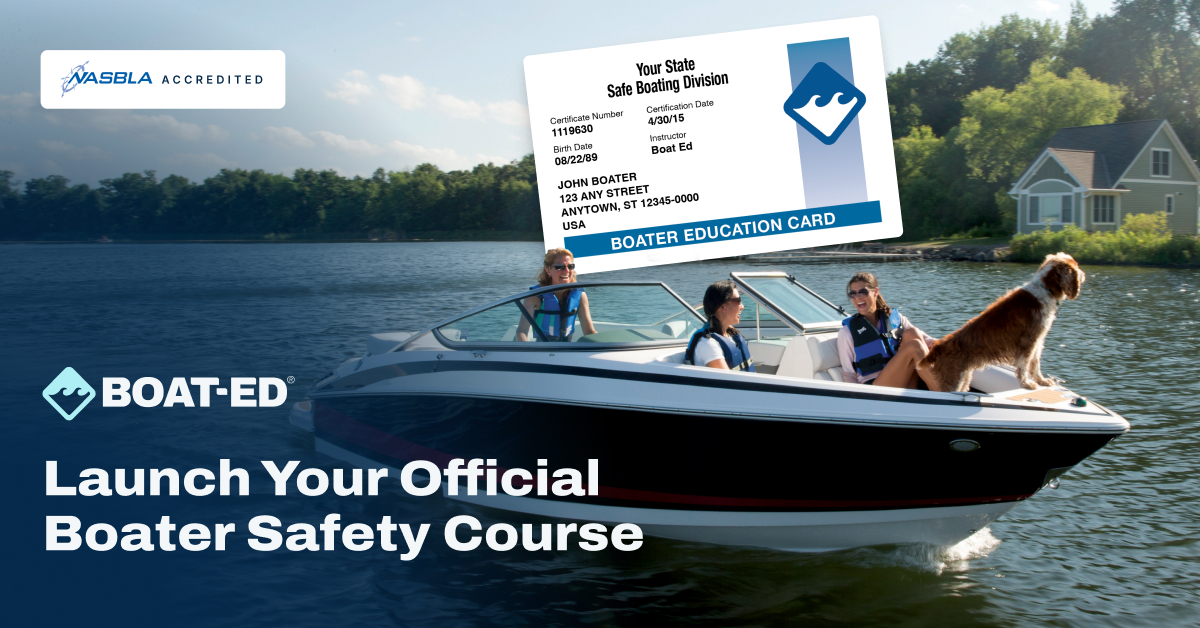
The DWR-approved Boat-Ed course is available online on any device and can be completed at your own pace. Most students finish in 3 to 4 hours.
Pass the unit quizzes (90% required), print your temporary certificate immediately, and your permanent card will arrive in the mail within approximately 3 to 5 weeks.
Frequently Asked Questions (FAQs)
Q: Do I need a boating license in Virginia?
A: Virginia does not issue a traditional boating license. Instead, the state requires a Boating Safety Education Certificate for operators of motorboats with engines of 10 horsepower or greater and all PWC operators 14 and older. The certificate is issued by the Virginia Department of Wildlife Resources and is valid for life.
Q: Does the Virginia Boating Safety Education Certificate expire?
A: No. The certificate is valid for life and never needs to be renewed. Once you earn it, you carry it aboard whenever you operate a qualifying vessel.
Q: Can I take the course online?
A: Yes. The DWR-approved Boat-Ed course is self-paced and available on any device. Most students complete it in 3 to 4 hours. After passing the unit quizzes, you can print a temporary certificate the same day.
Q: Are kayaks and canoes covered?
A: No. Non-motorized vessels are fully exempt from Virginia's boating safety education requirement.
Q: What if I'm visiting Virginia?
A: Visitors holding a valid NASBLA-approved card from their home state may operate on Virginia waters without obtaining a Virginia certificate. Canadian boaters with a valid PCOC are also recognized.
Q: What's the penalty for boating without the certificate?
A: Operating without the required certificate is a Class 4 misdemeanor with fines up to $250. Failing to carry it during an enforcement stop carries an additional civil penalty of $100.
Q: How long does the course take?
A: Most students complete the DWR-approved online course in 3 to 4 hours. The course is self-paced, progress is saved between sessions, and you can start and stop at any time.
Q: How do I get the certificate if I need one?
A: Complete the DWR-approved Boat-Ed course online, pass the unit quizzes with a score of at least 90%, and print your temporary certificate immediately. Your permanent wallet-sized card will arrive by mail within approximately 3 to 5 weeks.
Approved by VA Dept. of Wildlife Resources & NASBLA | Last verified June 24, 2026| Content reviewed for accuracy against current Virginia boating requirements