Do You Need a Boating License in Wisconsin?

In Wisconsin, boaters born on or after January 1, 1989, must have a boating safety certification card to operate a motorboat or personal watercraft (PWC) legally. Boaters can obtain this lifelong certification by passing an approved safety course.
Do you need a boating license in Wisconsin? If so, we'll outline the steps to obtain a valuable credential that never expires, ensuring you're ready to enjoy the state's many water recreation opportunities.
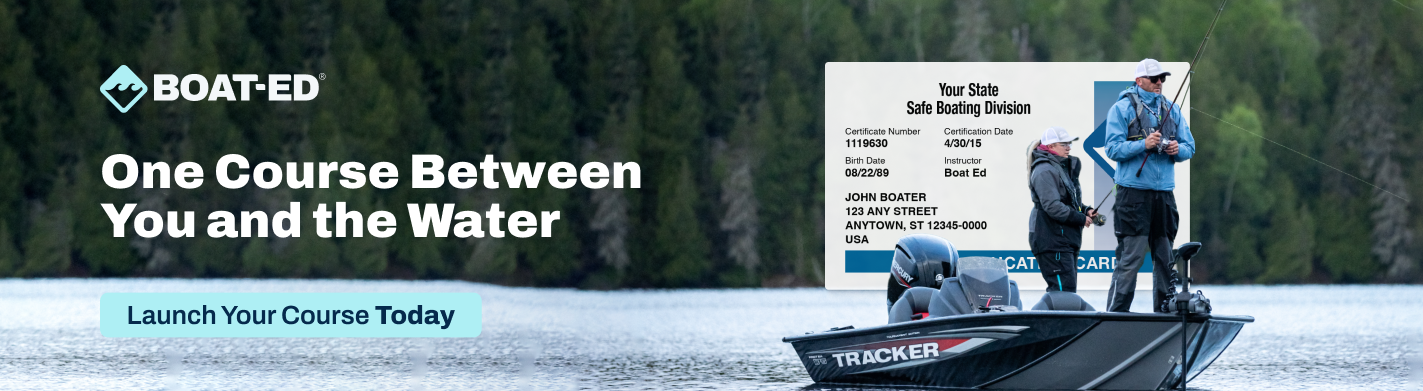
Is There a Boating License in Wisconsin?
In Wisconsin, the boating safety certificate acts as a traditional boating license to operate a motorized boat or PWC. All adult boaters in Wisconsin must complete a state-approved safety course and carry their boating safety certificate while on the water.
If you earned your boating certification out of state, Wisconsin will generally recognize it, provided you earned it through an approved, state-recognized provider such as Boat-Ed.
Who Needs a Boating Safety Certificate?
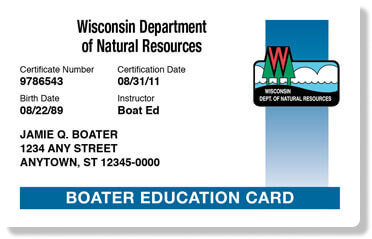
Many states, including Wisconsin, issue a boating safety certificate instead of a license. The certificate functions the same way, and boaters must carry it at all times when on the water.
Born On or After January 1, 1989
Wisconsin requires a boating safety certificate for anyone born on or after January 1, 1989. Boaters must complete a Wisconsin-approved boating safety course and pass the accompanying exam. This course must be state-approved by the Wisconsin Department of Natural Resources (DNR).
Boaters must carry the certificate while operating motorboats or personal watercraft (PWC), such as jet skis.
Do You Need a Boating License in Wisconsin If You Were Born Before January 1, 1989?
If you were born before January 1, 1989, you are exempt from the certification requirement. Boaters born before this date may legally operate a motorized vessel without obtaining a certificate.
Non-Motorized Watercraft
Wisconsin does not require safety certification for the operation of non-motorized watercraft, such as canoes, kayaks, or sailboats without motors. Even if your vessel doesn't require boater safety education, it's still a good idea for anyone operating a boat on Wisconsin's waters.
Wisconsin Age-Specific Boating Rules
Boating education is not reserved solely for adult operators, and some minors may be required to complete certification. Double-check the age groupings below to stay on top of the minimum requirements.
 Wisconsin Boat Operation Rules by Age | |
Children Under 10 | Children under the age of 10 cannot operate a motorboat under any circumstances. |
Ages 10–11 | Children aged 10–11 may operate a motorboat if accompanied by a parent, guardian, or designated adult age 18 or older. The accompanying adult must hold a safety certificate or be born before January 1, 1989. |
Ages 12–15 | Boaters aged 12–15 can take a Wisconsin boating education course to receive a valid safety certificate to operate a motorboat on their own. Without the certification, boaters in this age range must be accompanied by a qualified adult. |
Personal Watercraft | No one under 12 can operate a PWC, and from 12–15, PWC boaters must hold a valid safety certificate. Adult supervision does not override certification requirements for operating a PWC. |
How to Get a Wisconsin Boating Safety Certificate
Wisconsin boaters have many opportunities to get a boating safety certificate, including in-person classes with DNR-approved programs or online through trusted course providers such as Boat-Ed. Cost will depend on your course provider.
Step 1: Get a Wisconsin DNR Customer ID
All applicants must first apply for a DNR customer ID number through the Wisconsin Department of Natural Resources website or at a service center.
Step 2: Take an Approved Boating Safety Course
Once you've secured your customer ID, you'll need to choose an accredited course. In-person options include those offered by the U.S. Coast Guard Auxiliary or the Wisconsin DNR. Online, interactive options such as Boat-Ed and ilearntoboat are approved by the National Association of State Boating Law Administrators (NASBLA) and allow you to go at your own pace.
Courses cover emergency procedures, navigation rules, boating safety equipment, and Wisconsin boating laws. To complete a boating safety course, you'll have to pass a final exam.
Step 3: Receive Your Certificate
Upon successful completion of your exam, you will receive your certificate. It's a lifelong certification with no renewal requirement.

Are There Temporary Rental Certificates (For Visitors or Casual Boaters)?
Temporary rental certificates allow out-of-state visitors to operate rented vessels on Wisconsin waters and are valid until the end of the current calendar year.
The temporary certificate will cost around $10, depending on the provider. It's a great option for short-term outings if you're not ready to take the full course or are visiting Wisconsin for a short time.
Why Getting Certified Is Worth It (Even If You're Exempt)
Wisconsin boating laws are in place to encourage safe and ethical use of the state's waterways. Even if the answer to "Do you need a boating license in Wisconsin?" is "no," it's still a great idea to get certified. Whether or not you're exempt from the state's requirements, a boating safety course can help you increase your confidence and boating safety.
Certification may also help reduce your liability risks, and completing a course can be a valuable refresher on navigation rules and local laws. As a result, you can make informed boating decisions and responsibly navigate Wisconsin's lakes and rivers.
Get Your Boater Education Card in Wisconsin with Boat-Ed
If you were born on or after January 1, 1989, you are required to complete a boater safety education course to operate a motorized boat or PWC in Wisconsin legally (non-motorized vessels are exempt). Young boaters are subject to additional age restrictions, so they should carefully review certification requirements and understand when adult supervision is required.
We always recommend boating education, whether you're exempt or not. Boat-Ed makes certification simple and affordable, giving Wisconsin boaters a solid foundation in safety and emergency procedures. Your certification is valid for life!
The sooner you get started on boater education, the faster you'll be able to enjoy the waters of Wisconsin.

Frequently Asked Questions (FAQs)
Q: Do you need a boating license in Wisconsin to drive a boat?
A: In Wisconsin, anyone born on or after January 1, 1989, must complete a boater safety course and carry a boater education certificate to operate a motorized boat.
Q: How much is a boating license in Wisconsin?
A: The Wisconsin boating license course typically costs around $30-$80 for online, depending on the provider. Traditional in-person courses are around $10.
Q: How long does a boaters license last in Wisconsin?
A: A Wisconsin boaters license, or boater education certificate, does not expire. It's valid for life.
Q: Can you drink alcohol while driving a boat in Wisconsin?
A: Operating a boat while intoxicated is illegal in Wisconsin. Passengers can drink, but the operator must stay under the legal blood alcohol limit.
Q: How to get your boating license in Wisconsin?
A: To get your boating license in Wisconsin, take an approved boater safety course, pass an exam, and receive your boater education certificate.
Q: Do you have to get a new boaters license every year?
A: The Wisconsin boaters license is a one-time certification, and you do not need to renew it annually.