Do You Need a License to Drive a Boat?
If you're beginning to explore your local waterways, you may be wondering what kind of credentials you need to operate a boat. Most U.S. states and Canadian provinces require boat operators to hold a license (often called a boater education card) to drive a motorized vessel.
So, do you need a license to drive a boat? Because of state-specific requirements, it depends on your location. Here's what to consider when planning a safe, enjoyable boating experience.
Do You Need a License to Drive a Boat?
In most cases, yes. The majority of U.S. states and Canada require boat operators to have a boater education card or boater safety card, which is essentially the same thing as a boating license.
Criteria for getting this card vary by state and include age limits, course requirements, and horsepower restrictions. To get your license, check your local laws and take an approved boater safety course.
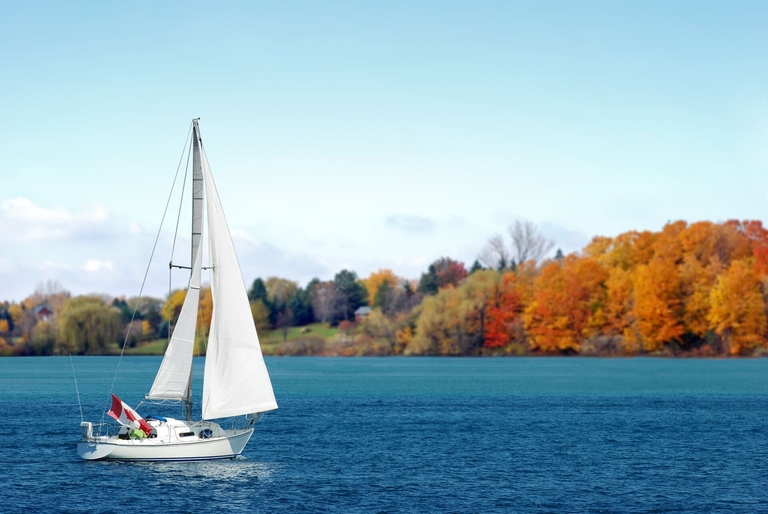
In the U.S., boating licenses are generally only for motorized vessels, so you might not need one if you're only using a kayak, canoe, or sailboat. Likewise, Canadian boaters need a Transport Canada boating license or boater education card to operate a motorized vessel.
Canada's rules regarding non-motorized vessels are similar to those in the U.S., and most non-motorized human-powered or wind-powered boats don't require a boating license.
If you travel between U.S. states or Canadian provinces (or between the U.S. and Canada), take extra time to learn the laws of your destination. The rules could differ from your local rules, so determine whether you're legally allowed to operate a vessel wherever you go.


Requirements and Exemptions
Knowing the requirements for obtaining a boating license through a U.S.-based agency or Transport Canada is essential for safe, legal boating practices.
State-Specific Rules
Boating license regulations differ across the U.S. and Canada.
For example:
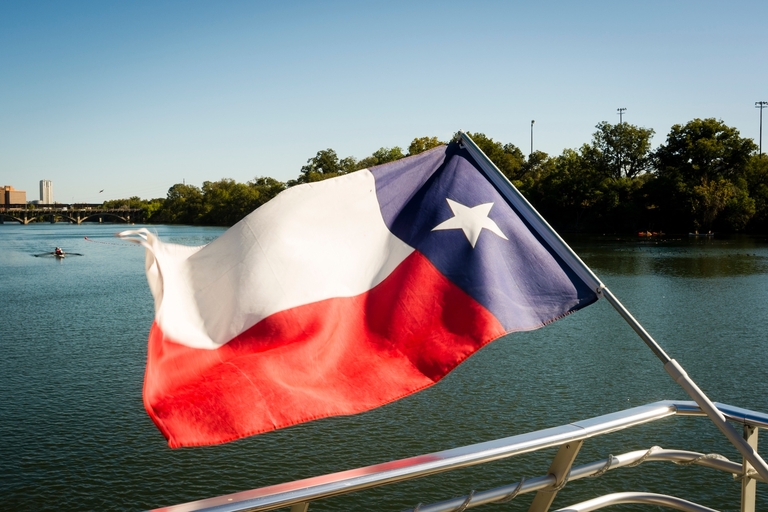
- In Texas, the minimum age to operate a boat is 13, and a boater education course is necessary.
- In Florida, the minimum age to operate a powered watercraft is 14, and most operators are required to complete boater education (with some exceptions).
Each state and Canada have specific rules, so make sure you're familiar with them before taking your motorized boat out on the water.
The California Boater Card
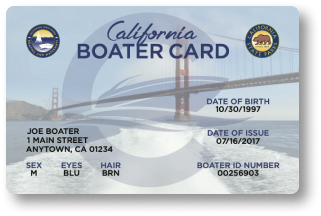
As of January 1, 2025, all motorized vessel operators in the state must carry a California Boater Card. Prior to 2025, the requirements were phased in by birth year. However, now anyone operating a motorized vessel must have the California Boater Card.
Age Restrictions
Additionally, many states have minimum age requirements for boat operators.
For example, in California (again), anyone under 16 can't legally operate a boat with more than 15 horsepower. Operators aged 12–15 may operate certain vessels, but only with adult supervision.
Are There Any Exemptions to Needing a License?
If you're operating a rental boat, you may want to ask yourself, "Do you need a license to drive a boat?" In these circumstances, license requirements depend on the state in which you're renting the boat.
Other situations may not require licenses, depending on the state.
For example:
- Youth operating a boat may not need a license if they're under the direct supervision of an adult who holds a valid card.
- Non-residents of a specific state who meet their home-state requirements may be able to use their licenses for a limited time when visiting a different location.
Certain commercial or professional operators may also have separate credentialing. Because they have credentials, they won't need the same kind of boating safety card commonly required of pleasure craft operators.
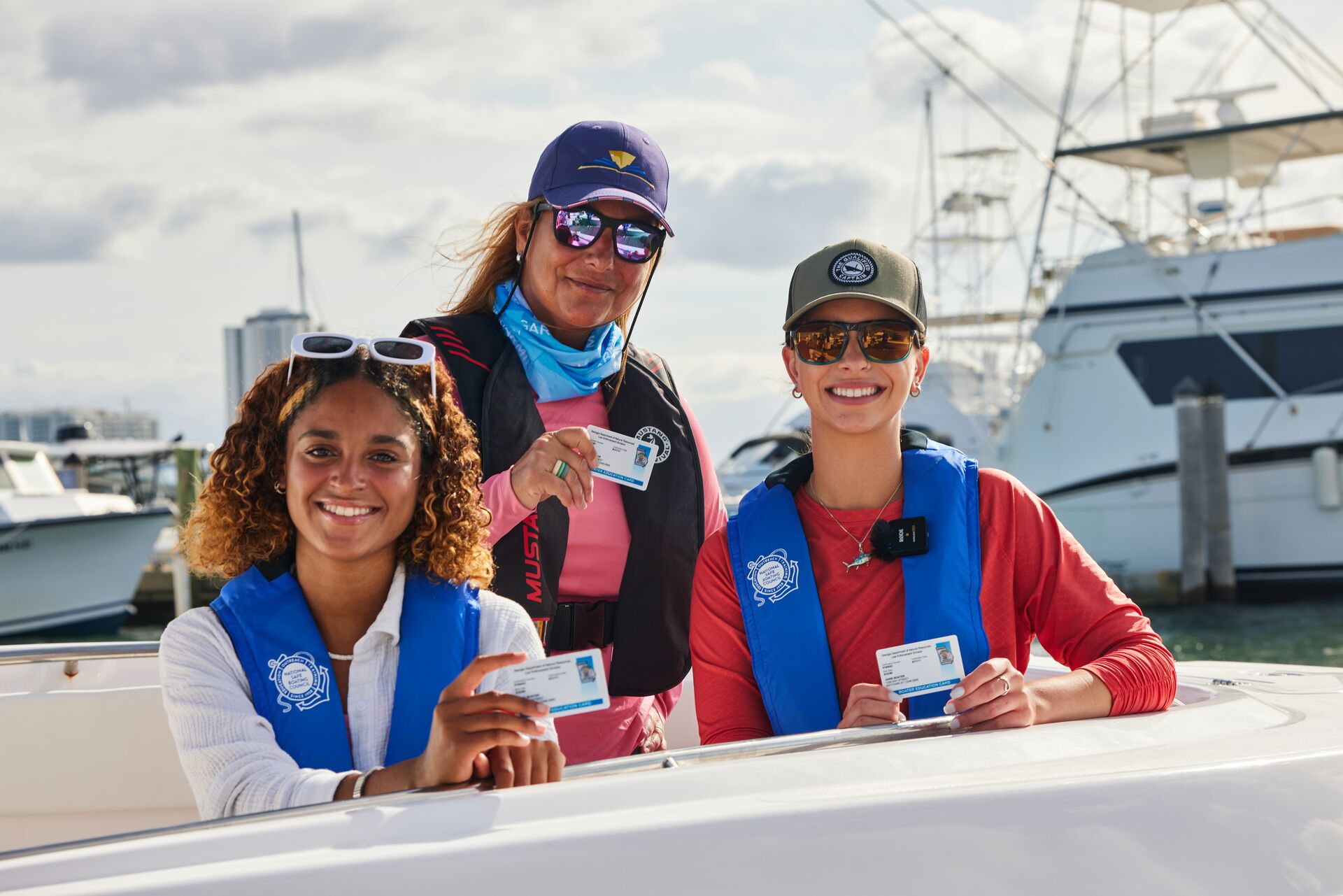
How to Get a Boating License or Card
Getting a boating license requires a few simple steps.
- Take a course: Complete a state-approved or Transport Canada-approved boating safety course (like ours here at Boat-Ed).
- Pass the exam: Pass the final test (usually multiple-choice) at the end of the course.
- Apply for the card: Apply via your state's boating authority or follow the instructions after completing your boater safety course.
- Pay the fee: Pay any required processing fee for the card, which, along with the course, is part of the cost of a boating license.
- Carry your card: Keep your card with you whenever you're operating a boat.
If you take these actions, you'll see how easy it can be to get a boating license and travel the waterways with the necessary credentials.
What Is the Biggest Boat You Can Drive Without a License?
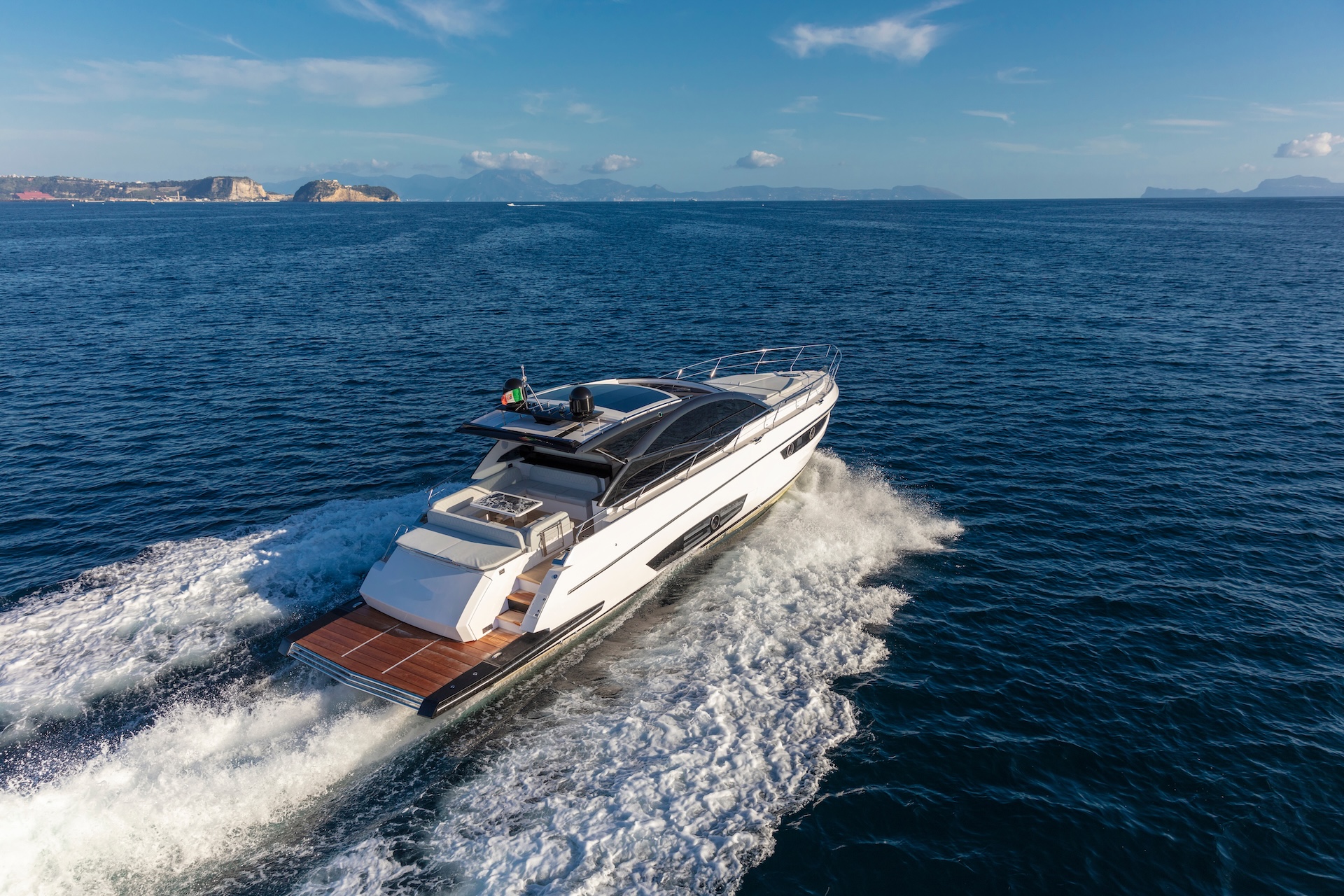
Boating size limits vary widely by state. Many states tie licensing rules to factors such as horsepower, engine type, or operator age rather than vessel size.
In general, you may need a boating card to operate any recreational water vessel powered by a motor of a certain horsepower. In addition to (or separate from) state licenses, commercial vessels often require federal credentials from the U.S. Coast Guard.
What Boats Don't Require a License?
Most of the time, you don't need a license for non-motorized vessels such as kayaks, canoes, paddleboards, and sailboats under a specific size. You may also be able to operate low-horsepower boats without a license, depending on the horsepower threshold set by your state.
If your state offers temporary exemptions for renters (and many do) you may be able to operate a rental boat without a license. Confirm state- or province-specific exemptions before operating any vessel.
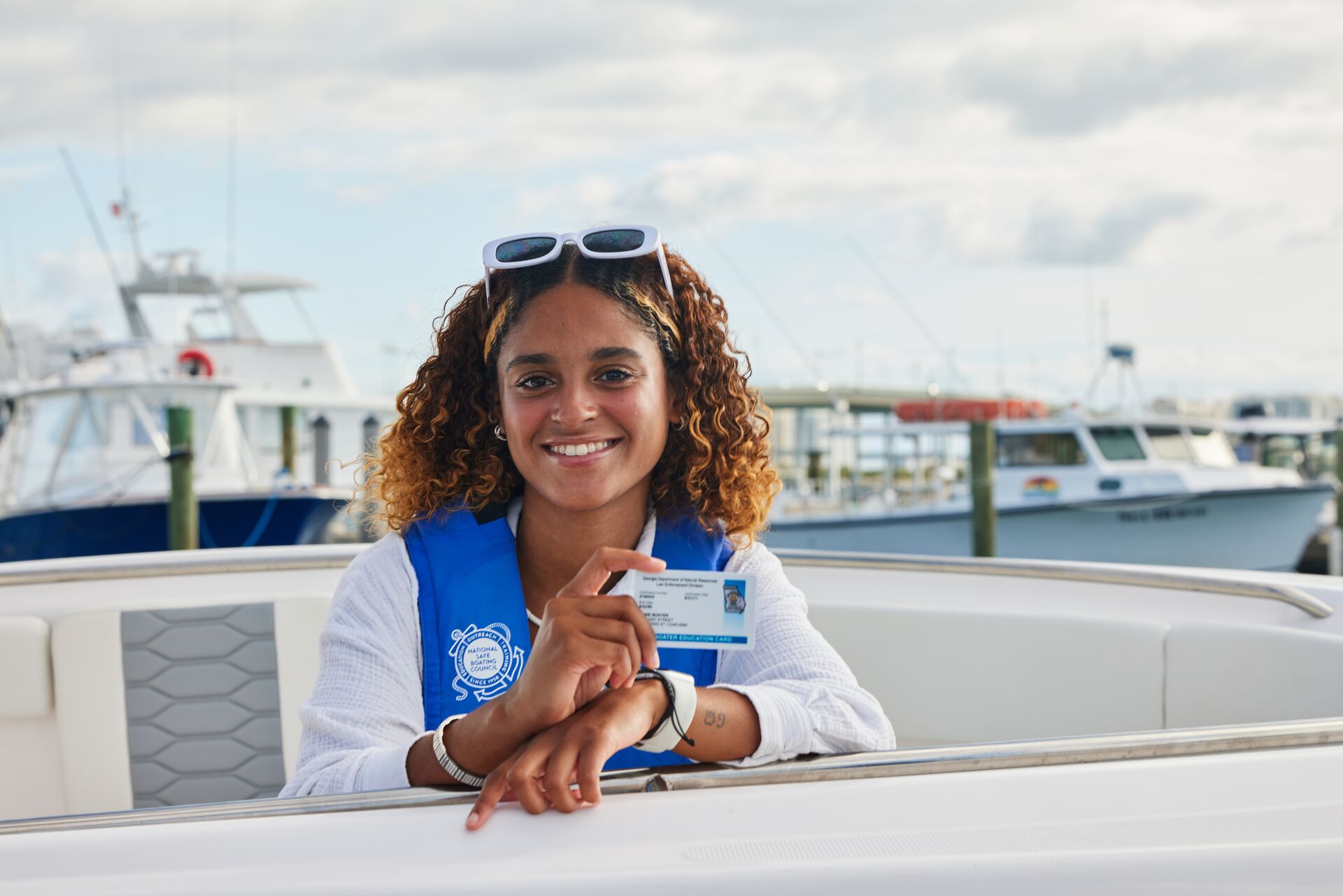
Get Your License to Drive a Boat With a Boater Education Course
Even if you aren't required to have a license in your area, be sure to prioritize safety for operating boats on the water. That's easier to do when you make time for a boat education course.
Boat-Ed boater education courses teach emergency procedures, etiquette, navigation, and other skills to build confidence on the water. Plus, our courses take place completely online and meet your state's or Transport Canada's requirements for boater education!
As you plan your next boat outing, make sure you have the credentials you need to boat legally and safely.


Frequently Asked Questions (FAQs)
We have answers to common questions about needing a license to drive a boat!
Q: What is the biggest boat you can drive without a license?
A: There’s no single “biggest size” rule in the U.S. Most states don’t limit boat length. They regulate operator age and engine horsepower, not boat size. You can legally drive a large boat without a license in some states if you meet age and safety-education rules.
Q: What size boat can I drive without a license?
A: In most states, boat size doesn’t matter regarding whether you need a license to drive it or not. What matters is whether you’re required to have boater safety education, which often depends on your age and engine horsepower.
Q: What boats don’t require a license?
A: Generally, non-motorized boats (kayaks, etc.), small motorboats under a certain horsepower (varies by state), and sailboats without engines don’t require a license in most states.
Q: Do I need a license to drive a boat in the USA?
A: There's not a traditional “license” for driving a boat in the USA, but many states require a boater safety education certificate, especially for younger operators or powered boats. Rules vary by state, so checking local regulations is important.