Hypothermia, even in warm water, can occur in as little as 1-2 hours. In very cold water, your body can experience hypothermia in just 10-15 minutes.
That's why it's crucial to understand what to do if someone falls into the water. Hypothermia is one of the most significant risks for that person. You want to get them out of the water as quickly as possible, but that could take longer than you like if the water is rough, the weather is terrible, or they're not wearing a life jacket.
How long does it take to get hypothermia when falling into the water in various water temperatures? Keep reading for insights, including the symptoms to watch for, how quickly it can happen, and what to do when someone falls in.
Understanding Hypothermia
By definition, this condition occurs when your body is losing heat faster than it's producing it. That causes your core temperature to drop dangerously low, which can happen quickly. The most significant risk factors are water temperature, body size, age, clothing, and physical condition.
For example, someone who's underweight, elderly, or frail could develop this problem from falling into cold water much faster than someone who's heavier, younger, and in excellent shape. Children can also become hypothermic quickly because of their small size.
Time Frames in Different Water Temperatures
The temperature of the water plays a significant role in whether someone who falls overboard is at risk of becoming dangerously cold. Additionally, the time it takes to become hypothermic will also be affected by the water temperature.
Water Temperature
Time to Hypothermia
Warm Water
70-80°F / 21-27°C
1-2 hours
Cool Water
60-70°F / 15-21°C
1-2 hours
Cold Water
50-60°F / 10-15°C
30-60 minutes
Very Cold Water
Below 50°F / 10°C
10-15 minutes
Warm Water
Yes, it's possible to get hypothermia in warm water!
In warm water (70-80°F / 21-27°C), it can take one to two hours for someone to become hypothermic. The condition would generally be mild in this case, and not everyone will have symptoms or experience problems.
If you're in the water at this temperature but staying active, you may not have to worry about the temperature becoming a problem.
Cool and Cold Water
Cool water (60-70°F / 15-21°C) can cause mild problems in one to two hours, but more severe symptoms can begin to develop in two to three hours. It's essential to avoid being in the water at this temperature for an extended period.
Cold water (50-60°F / 10-15°C) can put you at risk within 30 to 60 minutes. Remaining in the water for one to two hours can have the potential for severe effects that can put your health and life at significant risk. If you see someone fall overboard in cold water, the goal is to get them out immediately.
Very cold water(Below 50°F / 10°C) can mean it only takes 10 to 15 minutes for you to become hypothermic. This can lead to unconsciousness and create a severe risk of drowning within 30 minutes. Getting out of the water as quickly as possible is vital for survival.
What Are the Stages to Watch Out For?
There are three stages of hypothermia to watch for: mild, moderate, and severe.
In mild cases, a person may experience shivering, numbness, and some minor confusion. This is the first stage, which happens when the body tries to generate enough heat.
Moderate cases cause more intense shivering, a lack of coordination, mental confusion, and slurred speech.
In severe cases, the shivering stops, but the person may fall unconscious, have slow breathing, and have a weak pulse. They must receive immediate medical attention.
Watch for hypothermia symptoms as you help anyone in the water and act quickly to prevent it from becoming severe.
The 1-10-1 Rule
If you fall into the water, remember the 1-10-1 Rule.
This Rule states that:
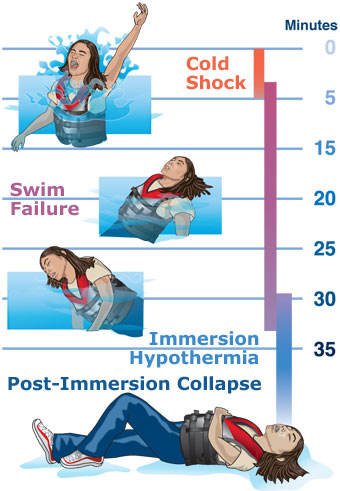
You have one minute to control your breathing after responding to the cold water shock.
Then, you have around 10 minutes of meaningful movement before you start to see a decline in muscle function.
After that, you have about one hour before you become hypothermic, which can lead to unconsciousness.
While the actual water temperature and other factors can affect these numbers somewhat, it's essential to recognize that you have a relatively short window of time to get help or find a way to get out of the water.
Take Preventative Measures
You can't always prevent a fall into the water, but there are some things you can do to reduce your chance of becoming hypothermic if you do.
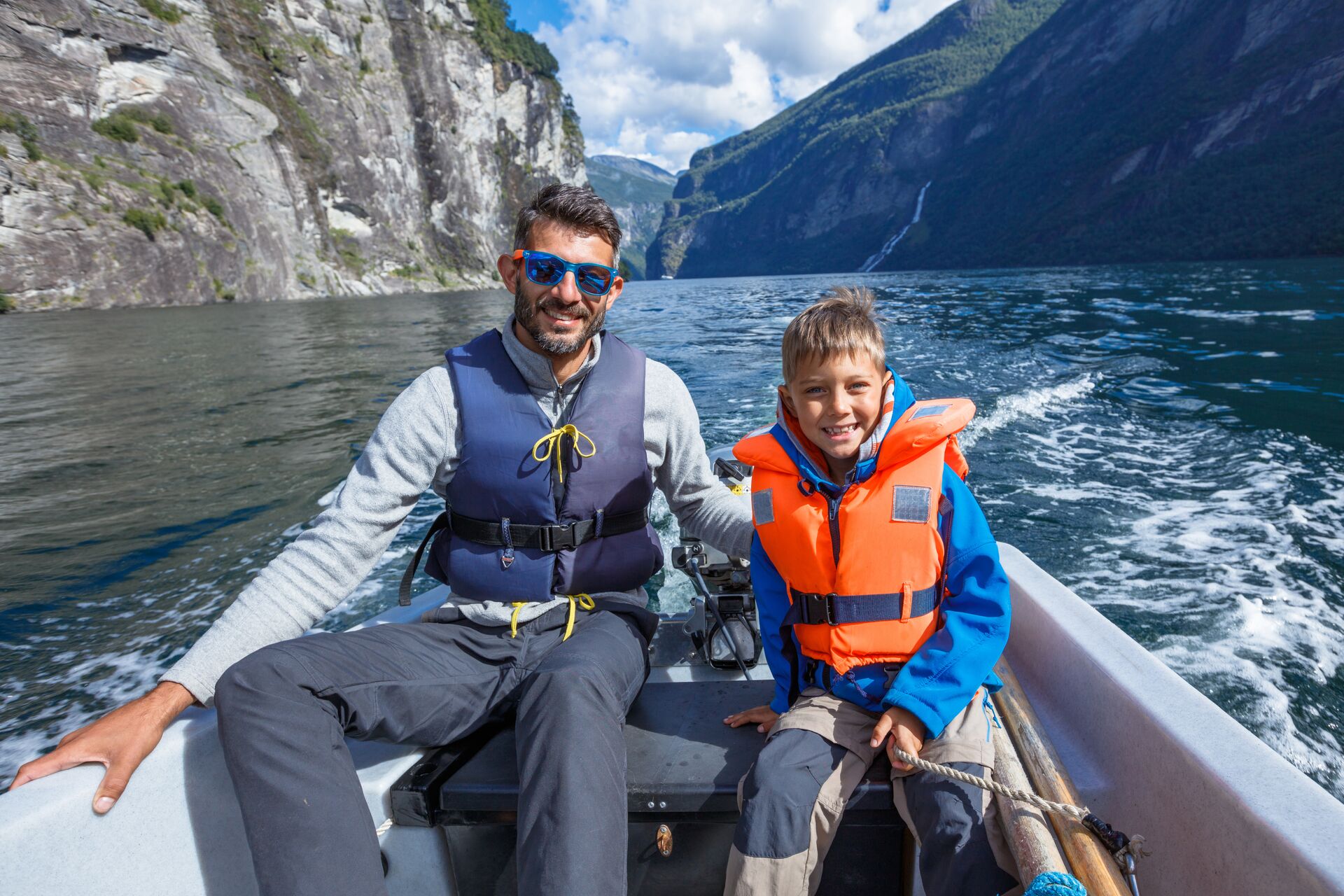
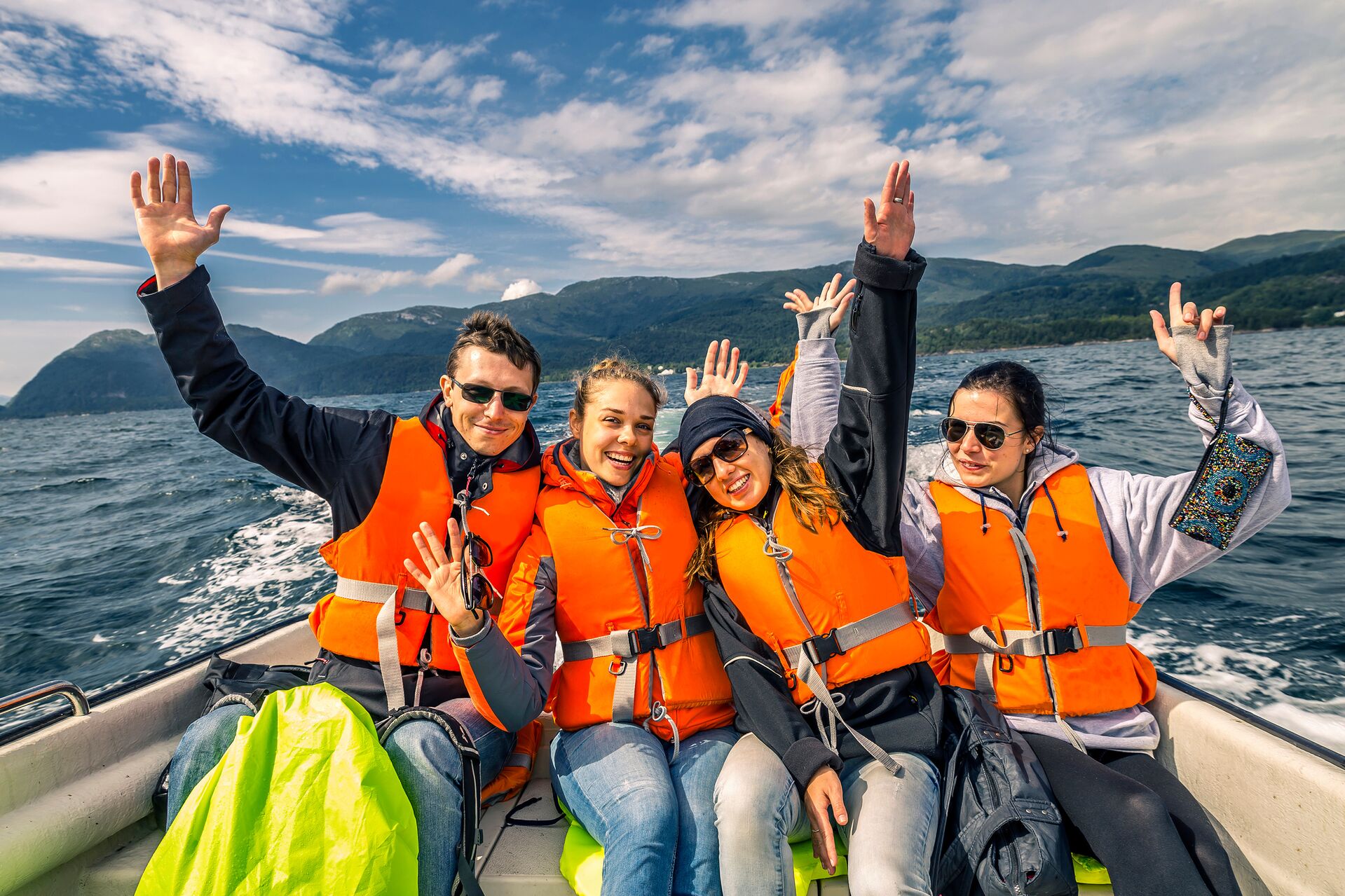
First, wear a life jacket. This keeps you afloat and helps maintain body heat.
Additionally, if you're boating in the winter or exploring a location where the water is traditionally cold, use cold water gear such as a wetsuit, drysuit, or immersion suit to slow heat loss.
Also, minimize your water exposure by trying to keep as much of your body out of the water as you can. If there's a floating object you can climb onto, for example, that can help you stay warmer.
While it can be frightening to fall into cold water, try to stay calm. Panicking will accelerate heat loss, but staying calm and signaling for help can extend your survival time and increase your chances of rescue.
Immediate Actions to Take if This Condition Is Suspected
Again, know the signs of hypothermia and act quickly if you spot them.
If you suspect that you or someone else is becoming hypothermic:
Remove any wet clothing and replace it with warm, dry clothes, blankets, or other insulating layers.
Warm the chest, neck, and groin first, which can help raise the core body temperature faster. Blankets, body heat, and water bottles are good to do this efficiently.
However, ensure you're not warming someone too fast because sudden heating can cause shock. Gradual warming is much safer.
Even if there doesn't seem to be any lasting damage, hypothermia is still a potentially life-threatening condition. Seeking medical attention is the right choice.
A Boating Safety Course Can Help You Be Prepared on the Water
We hope you never find yourself in a hypothermic situation, either in cold water yourself or helping someone else who has fallen in. However, applying the insights we shared today can help you quickly assess the situation and keep someone from suffering from hypothermia if they fall into the water.
Additionally, a boating education course through Boat-Ed is a great way to learn about staying safe in the water. Not only will you learn what to do for severe conditions like hypothermia, but you'll also learn important navigation and boating information to have more fun on the water.
So, before your next boating adventure, take a course! Most states and Canadian provinces require boater education if you plan to operate a motorized vessel.
Choose the course for your region and start learning with our free study guides.
Frequently Asked Questions (FAQs)
We have answers to your questions about how long it takes to get hypothermia in the water.
Q: How long does it have to be to get hypothermia?
A: Hypothermia can begin in minutes to hours, depending on temperature, wind, wetness, clothing, and activity level. Cold water speeds it up dramatically.
Q: What are the five stages of hypothermia?
A: The five stages of hypothermia are: 1. Cold stress (early heat loss), 2. Mild hypothermia, 3. Moderate hypothermia, 4. Severe hypothermia, and 5. Profound hypothermia / cardiac arrest
Q: What does stage 1 hypothermia feel like?
A: Stage 1 of hypothermia feels like intense shivering, cold hands and feet, numbness, fatigue, and mild confusion or clumsiness.
Q: What is the 50-50-50 rule for hypothermia?
A: The 50-50-50 rule for hypothermia is a rough rule for cold water exposure. In 50°F (10°C) water, you may have about 50 minutes of useful movement and risk unconsciousness or death around 50 minutes without rescue. Note that this is an estimate, not a guarantee.