How to Calculate Boat Capacity (and Why It's Important)

Exceeding capacity on a boat, no matter its size or style, can lead to boating accidents and serious injuries. Fortunately, many issues that can occur on the waterways are avoidable with some knowledge, patience, and care.
Calculating boat capacity can be done in three primary ways: Looking at the capacity plate on your boat, checking the manufacturer's specifications, or using a simple formula.
Let's look closer at how to calculate boat capacity (and why it's important) so that you can travel safely and reduce your risk of a boating accident.
What Is Boat Capacity?
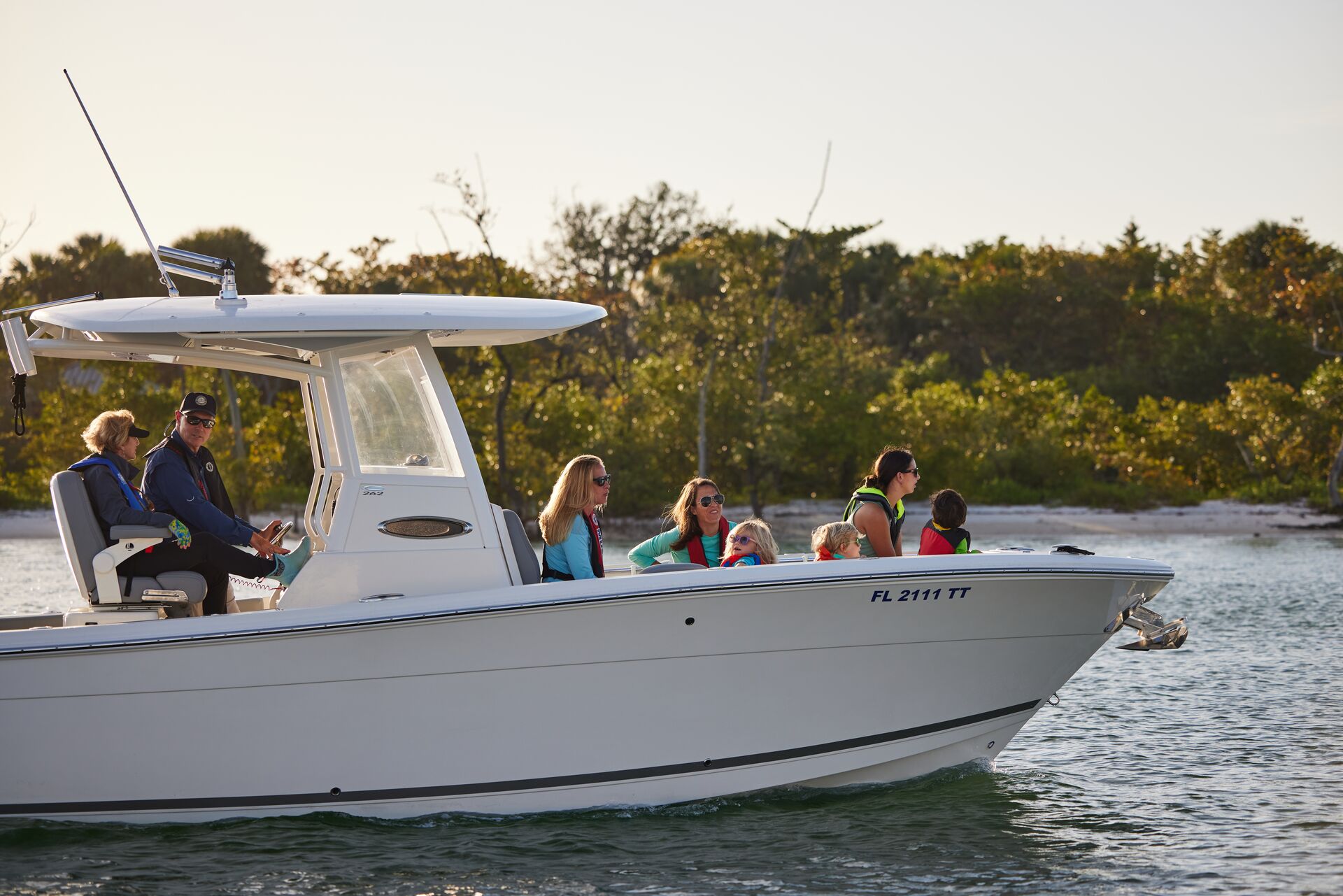
Boat capacity refers to the maximum safe load that your boat can carry, including passengers, gear, and the vessel's engine. There are boat passenger limits, as well as limits on the overall weight of a fully loaded boat.
When you stay under your vessel's capacity limit, you help ensure stability, buoyancy, and safety on the water. The capacity of your boat varies depending on its design, size, and intended use, so it's essential to know where to find information on total capacity, passenger allowances, and other relevant details.
Is Boat Capacity Based on Weight or Number of People?
The capacity limits of your boat aren't based just on the amount of weight it can carry or how many people can be on board. Capacity limits account for both the weight and the number of passengers.
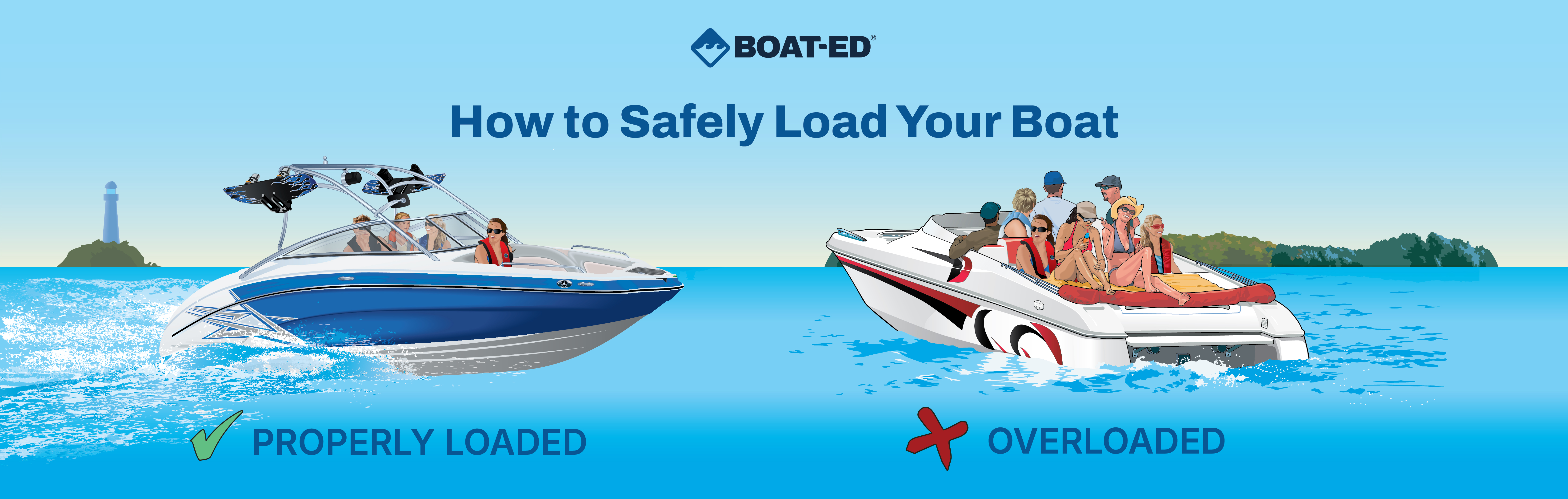
Your vessel needs to balance the total load of passengers, gear, and motor. If you exceed the weight or passenger limit of your boat, you risk compromising the safety of yourself and those traveling with you. Ignoring capacity limits can cause a boat to destabilize or sit too low in the water, resulting in a swamped vessel.

How Do You Figure Out How to Calculate Boat Capacity?
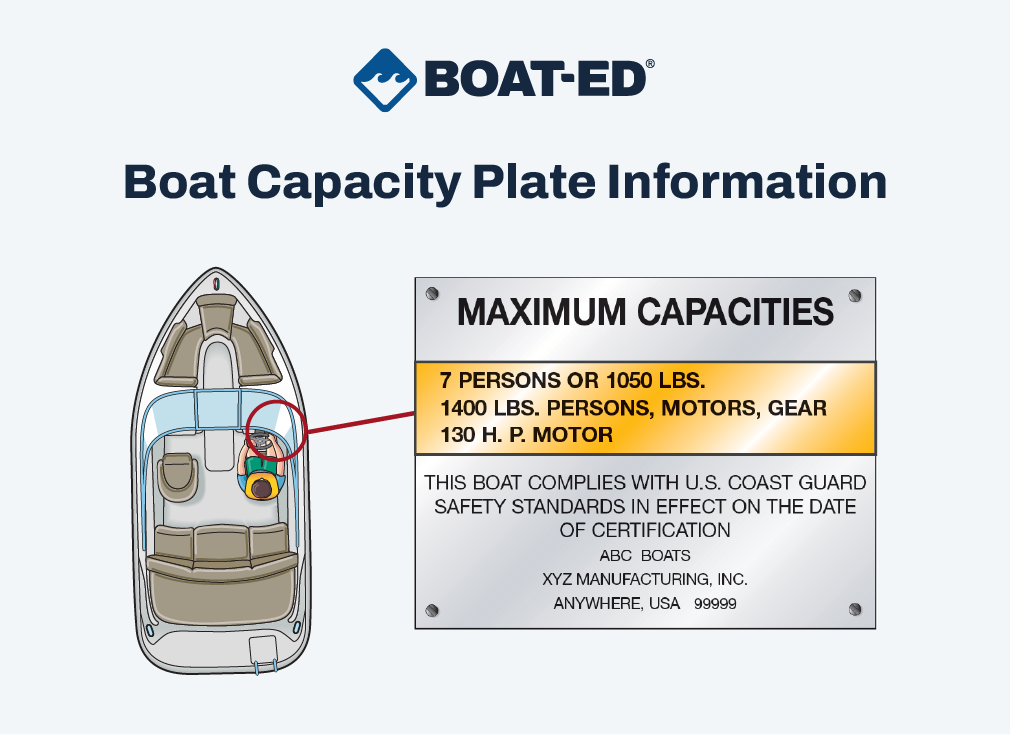
The best way to determine your boat's capacity is to look for the capacity plate located on the boat's helm or transom. Note that if you have a small boat under 20 feet, it may not come with a plate.
Fortunately, the U.S. Coast Guard provides a formula for boats under 20 feet that do not have a plate, allowing you to calculate the capacity independently. You can also consult your owner's manual or the boat manufacturer's documentation, both of which provide capacity information.
Formula for Calculating Boat Capacity by Length and Width
Need an easy guide for calculating boat capacity? Use this formula if you have a small, flat-bottom boat under 20 feet.
| Boat Capacity Formula |
| (Length × Width) ÷ 15 = Number of people (average 150 lbs each) |
| Here's an example: 16 ft × 6 ft = 96 ÷ 15 ≈ 6 people max. In other words, if you have a boat that is 16 feet in length and six feet in width, its maximum passenger capacity is six people. |
This formula is primarily for small recreational boats. Larger vessels or those with different hull types typically use manufacturer-specific engineering calculations.
Keep in mind that the formula is an estimate of passenger capacity only; you'll need to account for the weight of the gear, motor, and fuel to determine whether the overall load on your vessel is safe.
What Is a Boat Capacity Plate?
A capacity plate is required on most boats under 20 feet sold in the U.S. It lists the maximum boat passenger limits and the combined maximum weight of all passengers.
The plate also typically shows the combined weight limit for people, motor, and gear, as well as the recommended maximum horsepower for the motor. Providing all this information in one place makes it easier for boat operators to understand the safe limits of their vessel quickly.
What Happens if You Exceed Boat Capacity?
One of the most important boating safety tips is to never exceed your vessel's capacity.
If you exceed capacity, you could struggle with:
- An increased risk of capsizing or swamping
- Reduced stability and maneuverability
- Longer stopping distances and a sluggish engine response
- Engine strain or damage from the excess load
- A higher chance of accidents, injury, or drowning
Boat capacity limits are there for a reason, and it's always wise to follow them. Taking extra gear or too many people just isn't worth the risk to yourself, your passengers, your vessel, and the other boaters in the area.
Legal Implications of Exceeding Capacity
If you're asking yourself, "Is it illegal to exceed boat capacity?" the answer is yes. It's considered a negligent or reckless operation under boating laws.
If you exceed the capacity of your boat, you could face fines, citations, or the loss of your boating privileges.
Exceeding boat capacity could increase your liability if you're involved in an accident, and your insurance carrier may deny you coverage or refuse to pay your claim. It's important to have boat insurance to protect yourself and others, and you don't want to risk losing coverage due to capacity issues.
Take a Boat Education Course to Learn More About Safe Boating
The more you know about boating, the safer you'll be on the water! We hope these tips about calculating boat capacity and not overloading your boat help you enjoy safe adventures on the water with the right number of people and amount of gear on board.
It's also so important to take a boat education course. You'll learn about capacity limits, navigation, etiquette, emergencies, and much more, so you can have a safe and fulfilling boating season.
If you're not boating safety certified yet, Boat-Ed makes it easy to get it done online! Plus, our courses help you meet boater education requirements in the U.S. and Canada.
Take time to learn boater safety essentials!
Boaters in the U.S. can take the Boat-Ed course for their state.
Canadian boaters can take our Transport Canada-approved course.
Frequently Asked Questions (FAQs)
We have answers to the most common questions about how to calculate boat capacity.
Q: How do you figure out a boat’s maximum capacity?
A: To figure out a boat's maximum capacity, check the boat’s capacity plate (usually near the helm). If there isn’t one, use the standard capacity formula for small boats.
Q: What happens if you exceed boat capacity?
A: When exceeding a boat's capacity, the boat becomes unstable and is more likely to capsize, swamp, or handle poorly. It’s also illegal and can result in fines.
Q: Is boat capacity based on weight or number of people?
A: A boat's capacity is based on both the weight and the number of people. Capacity is usually listed as maximum persons, maximum weight (people + gear), and maximum engine power.
Q: How to determine how many people can be on a boat.
A: To determine how many people can be on a boat, use the person-capacity number on the plate. If the plate is not available, divide the boat’s length × width by 15 (for boats under about 20 ft).
Q: What's the formula to calculate capacity?
A: For small boats, the formula to calculate capacity is: Maximum Persons = (Boat Length × Boat Width) ÷ 15. The length and width are in feet, and the result is the number of adults.
Learn about boater safety essentials!
Boaters in the U.S. can take the Boat-Ed course for their state.
Canadian boaters can take our Transport Canada-approved course.