How to Avoid Swamping Your Boat
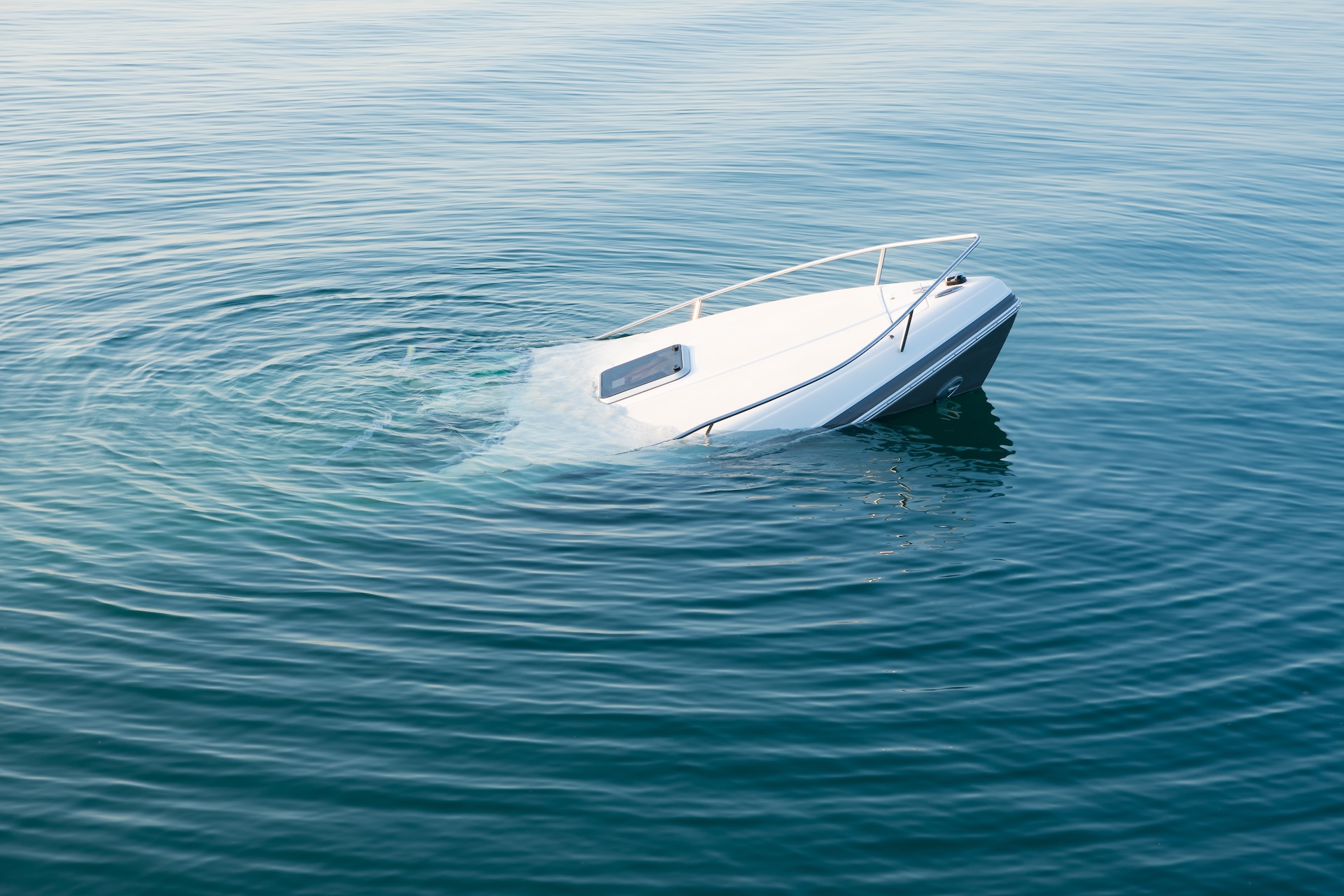
To avoid swamping your boat, keep all weight in the boat low and evenly distributed. You'll also face large waves head-on, and always anchor from the bow (rather than the stern).
Swamping occurs when water gets over the edge of your vessel and overwhelms it, causing it to lose buoyancy. Common causes of swamping include overloading, waves, wakes, improper distribution of weight, and bad weather conditions.
Here's what you need to know to reduce your chances of getting a swamped boat so you don't need an emergency rescue and, instead, enjoy fun and safe boating adventures.
Updated September 14, 2026
How to Respond If Your Boat Starts Swamping
First, let's look at what to do if your boat starts swamping. Even with careful preparation, a boat can still take on water faster than expected. Knowing exactly what to do in the first few minutes can prevent a swamped boat from becoming a capsized one, and it keeps everyone on board safer while help arrives.
- Stay calm and assess the situation. Quickly check how much water is coming in and where it's entering from, whether that's a wave over the side, an open drain plug, or a leak. Panicking wastes time you need to react.
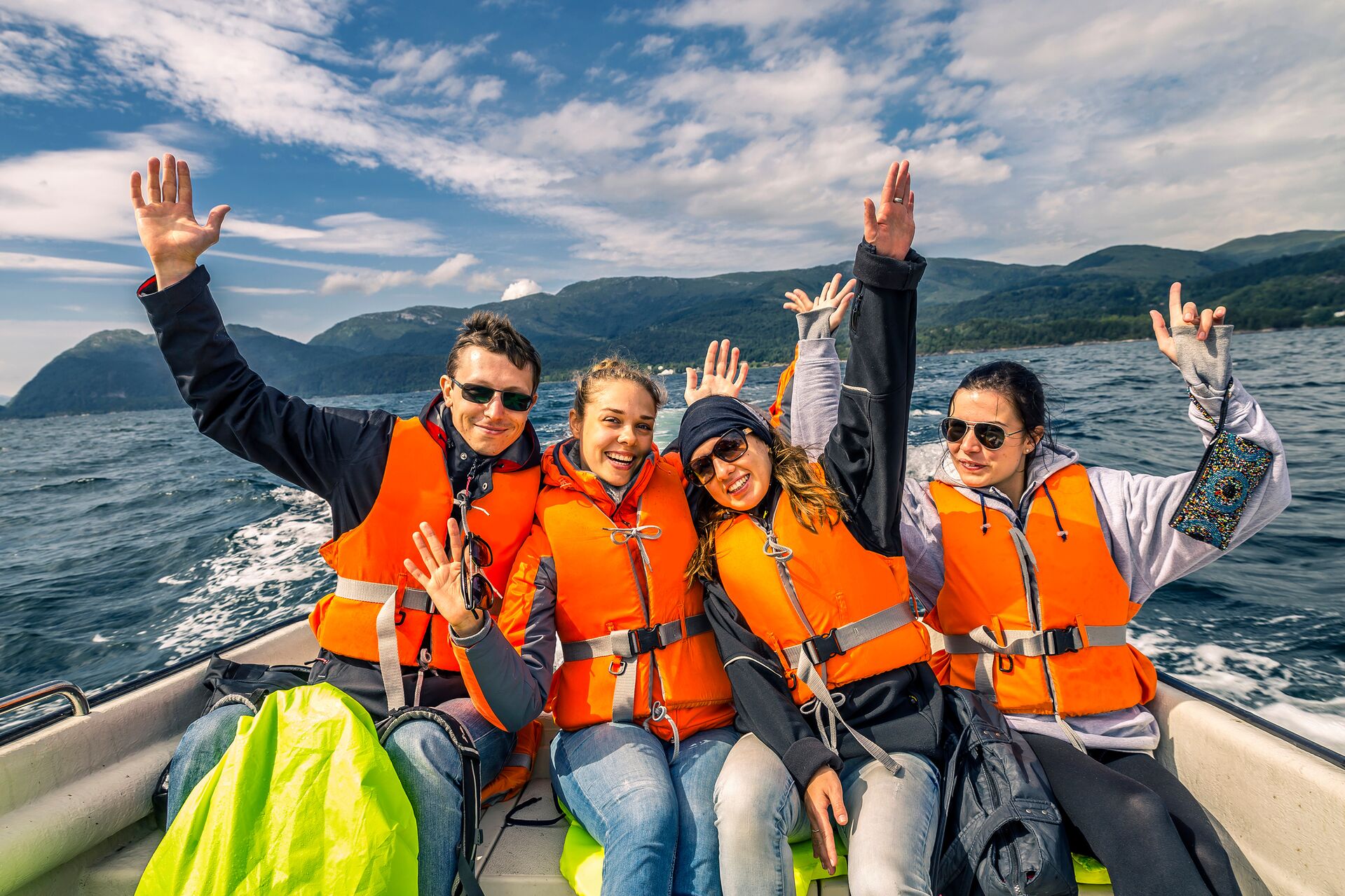
- Get life jackets on everyone immediately. Don't wait to see if the situation improves. Every passenger should be wearing a properly fitted life jacket before you do anything else.
- Stop the boat and reduce speed. Cut the throttle so you're not taking on additional water from your own wake or forward motion, and hold your position as steadily as possible.
- Redistribute weight to balance the boat. Move passengers and gear away from the low side or the area taking on water to help keep the vessel as level and stable as possible.
- Bail or pump water out as fast as you can. Use a manual bilge pump, electric bilge pump, or a bucket to remove water while you address the source of the leak.
- Signal for help if the situation worsens. If you can't control the water intake, use a marine VHF radio, phone, or visual distress signal to call for assistance before the situation escalates. If a passenger has gone overboard during the chaos, follow proper man-overboard recovery steps right away.
- Head to shore once the boat is stable. Once you've slowed the water intake and the boat feels manageable, move toward the nearest safe shoreline rather than continuing your trip.
Practicing these steps before you're ever in a real emergency helps everyone on board react quickly instead of freezing up. A calm, prepared response is often the difference between a scary moment and a genuine emergency.
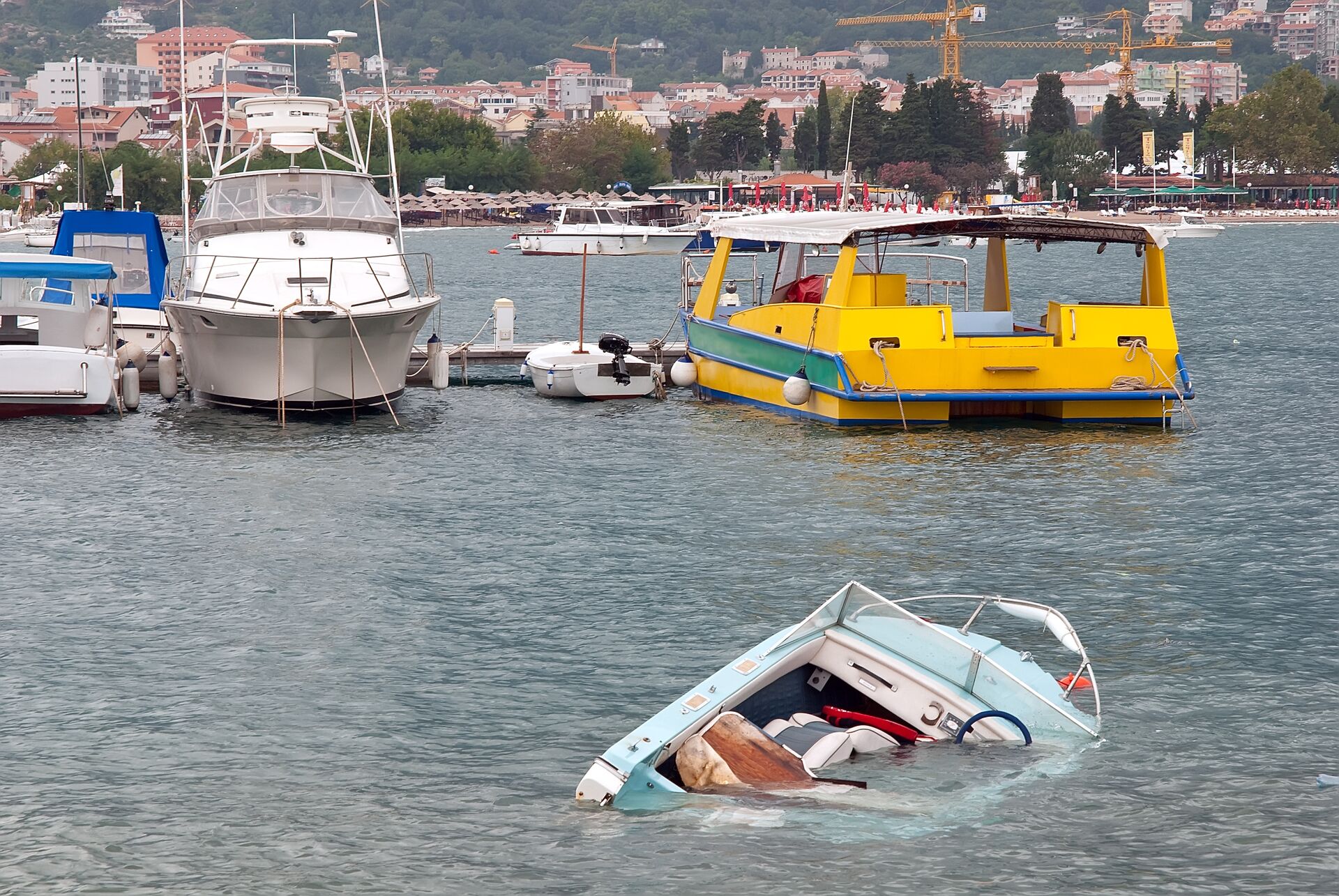
How to Avoid Swamping Your Boat
Now we'll look at how to avoid swamping your boat in the first place. Taking a few simple steps can help you stay afloat and enjoy your time on the water.
Follow Proper Weight Distribution
One of the biggest causes of a swamped boat is uneven weight distribution. In other words, having too many passengers or too much gear gathered in one part of the boat can lead to swamping.
For example, you don't want all the gear in the bow or stern, and you don't want all the passengers sitting on one side.
Boats must stay balanced to improve their buoyancy and maneuverability and have weight and passenger limits to consider. Even a well-balanced vessel can risk swamping if you load too many passengers or too much gear into it. Heavily loaded boats are less stable and sit lower in the water.
However, it's easy to avoid overloading your boat if you understand the capacity limitations of your vessel and plan accordingly.
Know Your Boat's Freeboard Limit
Be aware of the distance between the waterline and the top of the boat's sides. You want to travel in a way that preserves this limit and avoid scenarios where water could easily make its way over the side.
Remember: the more weight you add to your boat, the lower it will sit in the water. This can raise your swamping risk because it shortens the space between the top of the boat's side rail and the waterline.
Be Mindful of Weather and Water Conditions
Before you head out on the water, take time to check the weather forecast. You don't want to get far from shore and then find that the wind is picking up or there's a storm rolling in. It's always better to avoid boating in rough waters, and anytime the forecast calls for strong winds.
If the weather unexpectedly changes or your vessel feels too unstable for the current water conditions, it's a good idea to get your boat to shore as soon as possible. You don't want to take a chance that could become a disaster, especially in cold water, where issues like hypothermia could quickly affect you or your passengers.
Operate Your Boat at Safe Speeds
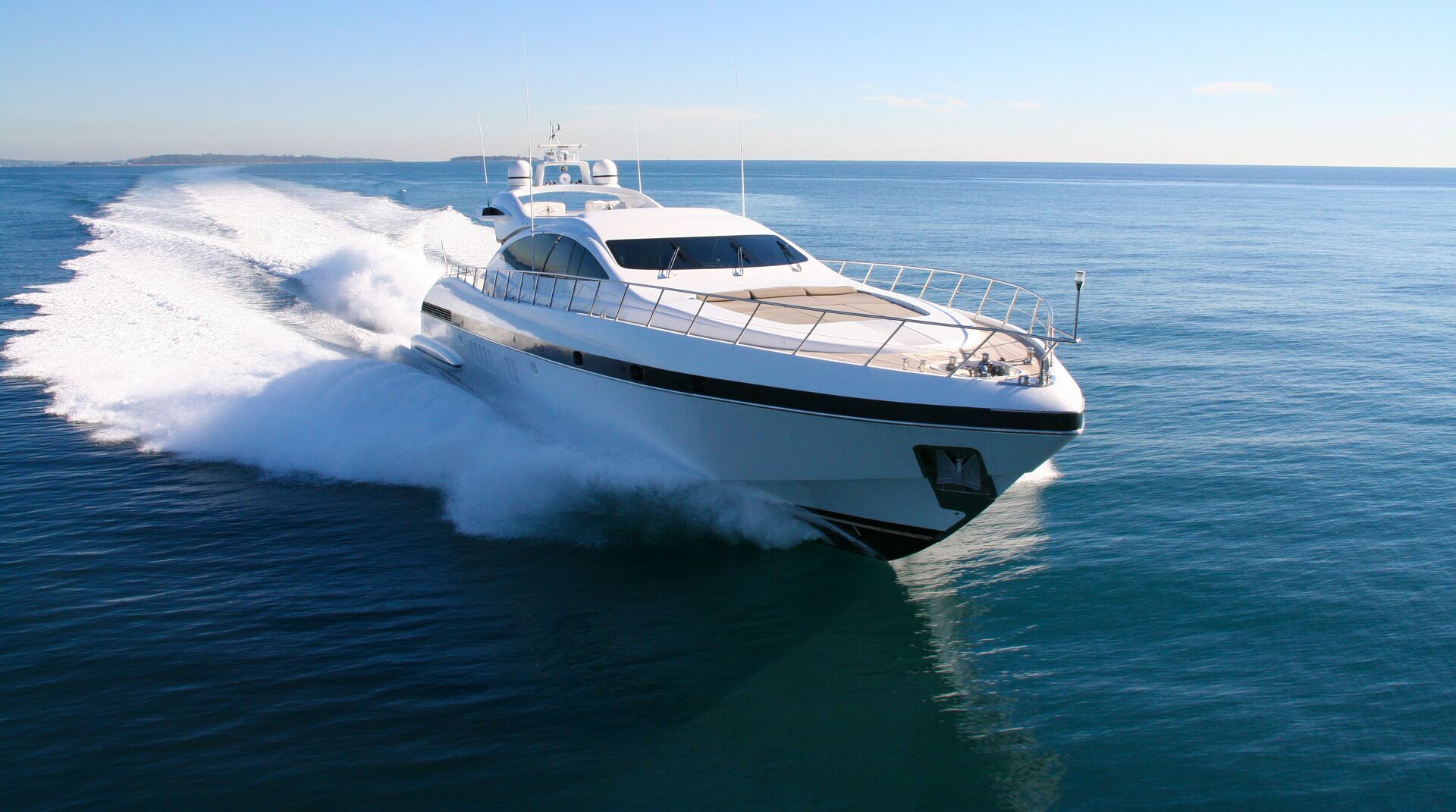
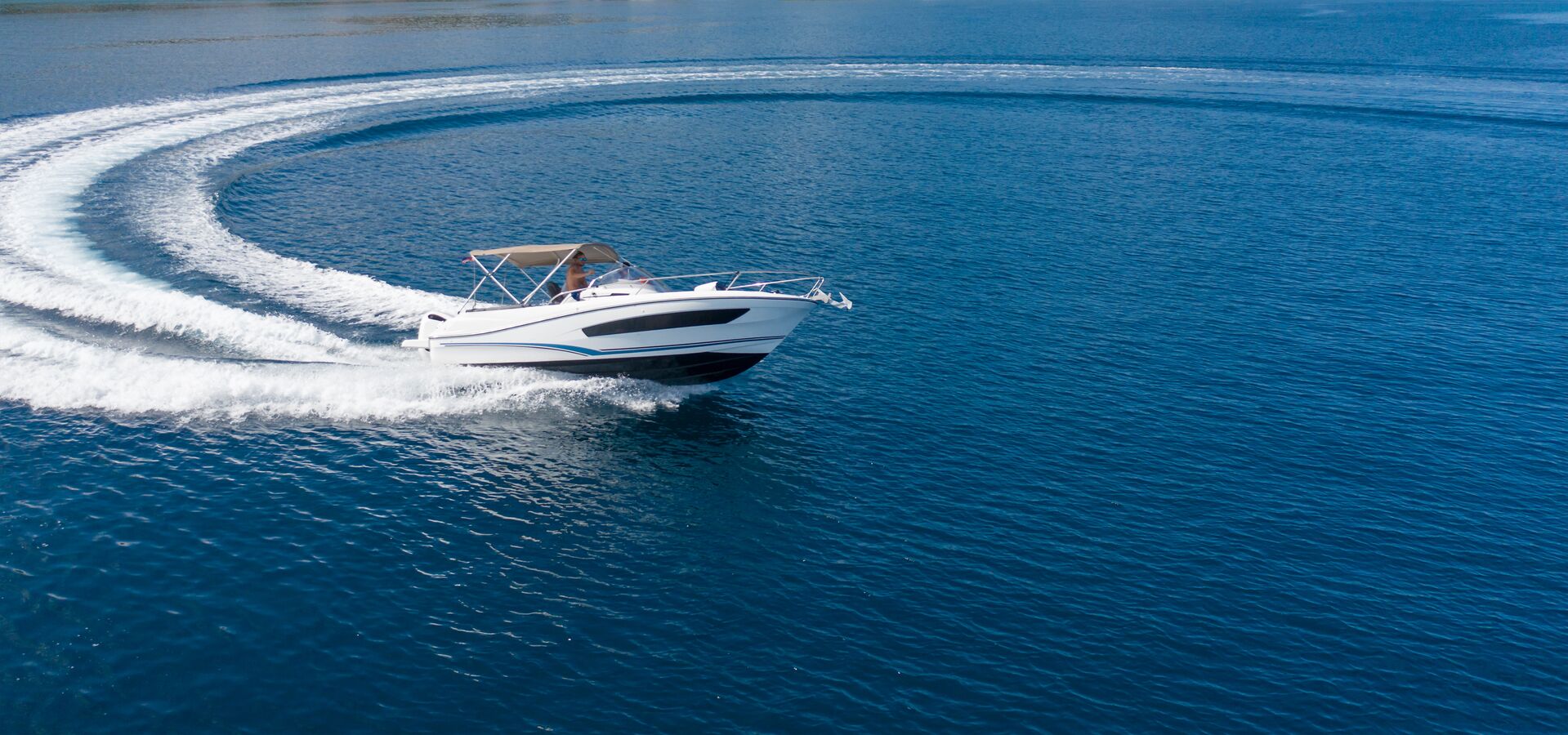
Another crucial way to avoid swamping your boat is to slow down when navigating rough waters, near large wakes, or when passing other vessels. Also, reduce your turning speed to minimize the risk of tipping or taking on water.
Going fast and turning sharply can be fun, but it's unsafe unless you're in a boat designed explicitly for those maneuvers.
Position Yourself and Your Passengers Properly in the Boat
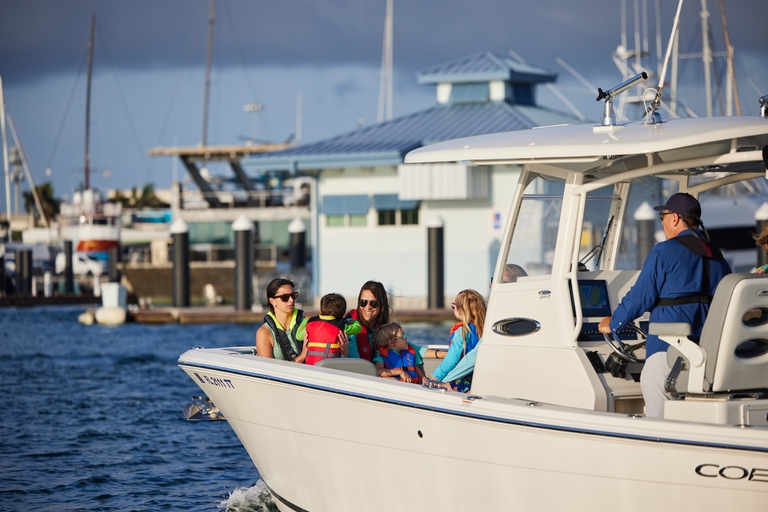
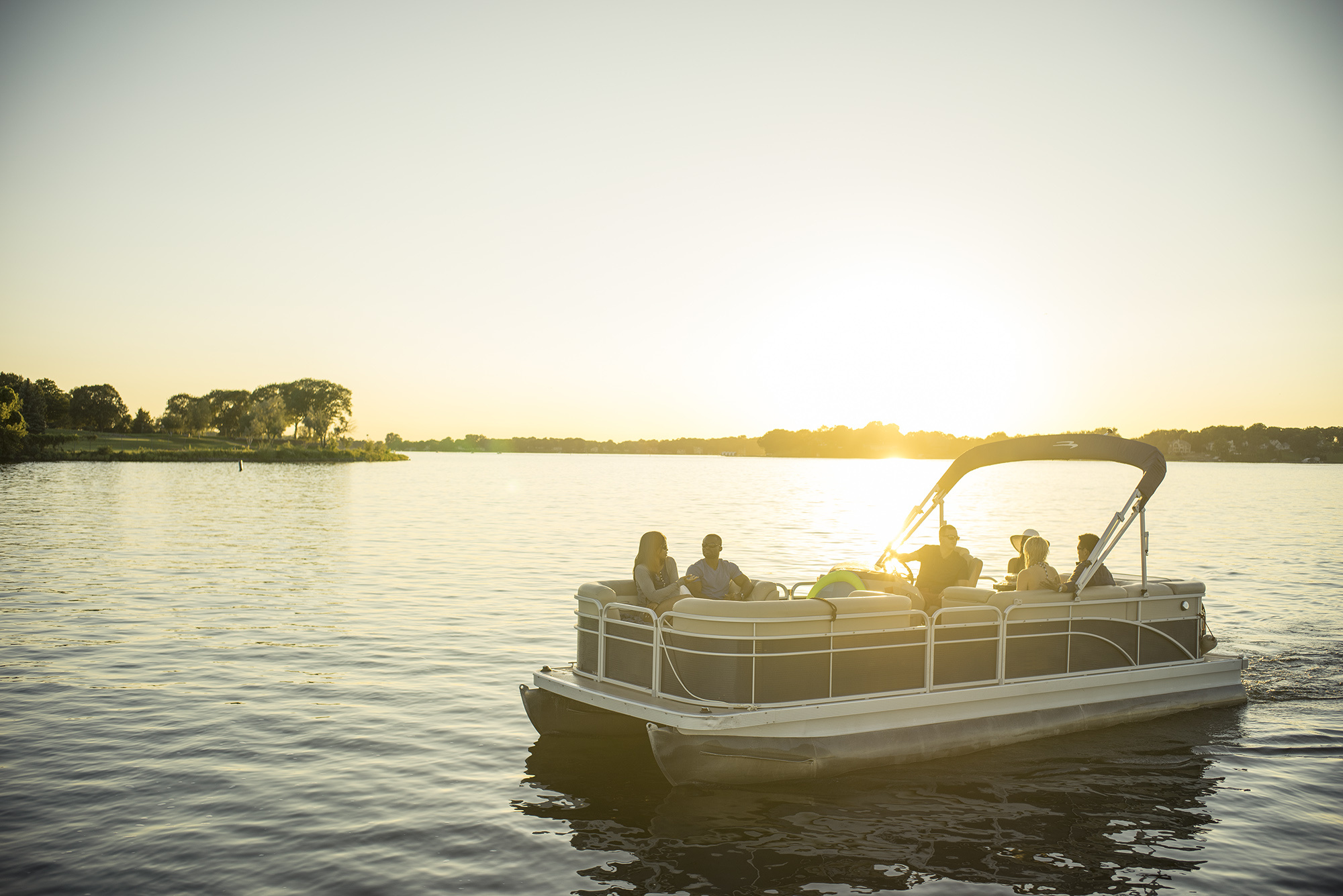
It's fun to gather with friends and family to talk and enjoy yourselves, but you should avoid letting everyone gather at one end of the boat, especially in small vessels. The weight of everyone in one place can pose a serious swamping risk.
All your passengers should remain seated while the boat is in motion, too, so the additional movement doesn't tip the balance and put your boat and its occupants at risk. By staying focused on how to avoid swamping your boat, you can still have a great time and a much higher chance of returning safely to the dock at the end of your adventure.
Always Wear Life Jackets
Ensure everyone on board has access to properly fitted life jackets. These are essential if the boat takes on water, and you don't want to wait for a crisis to realize you don't have the proper safety gear.
Use Proper Draining and Bilge Systems
Before you launch your boat, ensure that scuppers, bilge pumps, and drain plugs are functional and properly secured. Forgetting to check these critical components can create a problem that could have been avoided if water makes it onto your boat.
Also, keep the bilge area dry and clear of debris so everything works as it should and you can see if problems are starting.
Avoid Taking on Large Waves
You should approach waves at a 45-degree angle rather than head-on or broadside, especially if they're large or conditions are worsening. When you reduce speed, you can manage the impact of incoming waves more effectively and lessen your swamping risk.
Maintain Your Boat Properly
Good maintenance is crucial to boating safety. You should regularly check for leaks or damage to the hull and inspect and maintain the engine and steering systems for safe operation.
Then, if you find a problem with your boat, repairing it quickly and properly is the right way to reduce risk. If you're unsure how to make the repair, hire someone with good knowledge and abilities to fix your boat correctly.
Respond Quickly to Emergencies
If water enters your boat, you must remove it immediately. To do that, have a bailer or manual pump on board to remove water quickly.
Also, train your passengers on what to do if swamping begins, including wearing life jackets and staying calm. Panicking can make a difficult or tense situation worse.
Stay Alert to Your Surroundings
Staying alert is one of the best ways to stay safe and reduce swamping risk. Watch for large wakes, floating debris, or unexpected hazards, and communicate with other boaters to avoid creating unsafe wakes.
Doing this can keep you safe and also protect others who share the waterways.
A Boater Education Course Helps You Learn How to Avoid Swamping Your Boat (and More)
What should you do to avoid capsizing or swamping your boat? Follow the tips we shared today and take a boater education course!
Every boater should take a boat education course to stay safe and understand navigation, boating etiquette, and other specifics of enjoying the water. With this knowledge, you can feel confident and have more peace of mind, so you can focus on having fun.
Plus, most states require boaters to pass a certification course to boat legally. The best way to meet this requirement is to take an online course through Boat-Ed! We make it convenient and fun to learn how to keep yourself and others safe on the water.
Complete your course before launching your boat this season! Choose the course for your state or our course for Canadian boaters, and start learning right away with our free study guides.


Content most recently reviewed and updated September 14, 2026.
Frequently Asked Questions (FAQs)
Q: What can you do to prevent swamping of your boat?
A: To avoid swamping a boat, keep your boat's weight balanced by distributing passengers and gear evenly instead of clustering them in one area. Check the weather before heading out, slow down in rough water or near large wakes, and make sure your bilge pumps and drain plugs are working properly before you launch.
Q: What angle should you take waves at to avoid swamping?
A: Approach waves at roughly a 45-degree angle instead of heading straight into them or taking them broadside, to avoid swamping your boat. This angle helps your boat manage the impact more smoothly and reduces the chances of water coming over the side.
Q: Where should you lower the anchor to avoid swamping your boat?
A: Always lower the anchor from the bow, not the stern, to avoid swamping. The stern sits lower in the water and isn't designed to handle wave impact, so anchoring from that end lets water pour in and swamp the boat.
Q: What is the difference between swamping and capsizing?
A: Swamping happens when water fills the boat faster than it can drain, causing it to lose buoyancy while often staying upright. Capsizing means the boat has flipped onto its side or fully overturned, which is a separate and more severe outcome.
Q: Can a swamped boat still float?
A: Yes, many boats can still float when swamped, especially those with built-in flotation foam or sealed compartments. However, a swamped boat is unstable and difficult to control, so you should still get everyone into life jackets and work to remove water and reach shore.
Q: How does boat speed affect the risk of swamping?
A: Higher speeds make it harder to control how your boat meets waves and wakes, increasing the chance that water comes over the side. Slowing down, especially in rough water or when turning, gives you more control and reduces the amount of water your boat takes on.
Q: Should everyone wear a life jacket to help prevent swamping?
A: Life jackets don't prevent swamping itself, but they protect everyone on board if the boat does take on water or become unstable. Every passenger should wear a properly fitted life jacket any time the boat is moving, regardless of the water conditions.