How to Find the Boating Weather Forecast Near Me
Before heading out on the water, checking the local boating weather forecast can make the difference between a smooth, enjoyable trip and a potentially dangerous situation.
From marine warnings and sudden storms to shifting winds and choppy waters, conditions can change quickly. Knowing what to expect helps you plan, stay safe, and protect your vessel.
Here's what to consider when you need to find an accurate weather forecast near you, whether you're checking from home, you're at the marina, or you're already on your boat.
Why Weather Forecasts Matter for Boaters
Good boating weather is essential for comfort, but that's not the only consideration. You also need to be aware of the weather for safety and survival.
If there's a sudden change in the weather, you could experience dangerous water conditions, unexpected mechanical stress on your vessel, and reduced visibility.
Understanding the weather is an excellent way to stay on the water longer, plan your trip more effectively, and ensure a safe return home after your boating adventure is complete.
Where to Find a Reliable Boating Weather Forecast
There are several reliable sources for boating weather forecasts.
Among the most common options are:
- NOAA Marine Forecasts: These are the gold standard for U.S. coastal and Great Lakes regions. Boaters can use their website or VHF radio channel WX1-3.
- Weather Apps with Marine Features: Apps like Wavve Boating are designed for boaters to navigate water and weather safely. They provide marine-specific information such as wind speed, wave height, and barometric pressure. Additionally, Navionics and Garmin ActiveCaptain apps frequently integrate real-time weather onto your navigational charts for added convenience.
- Local News and TV Stations: Many stations have marine weather segments, especially during boating season.
- Voice Assistants (like Alexa and Siri): You can use your phone's convenient voice commands to get quick, local marine weather updates in real time.
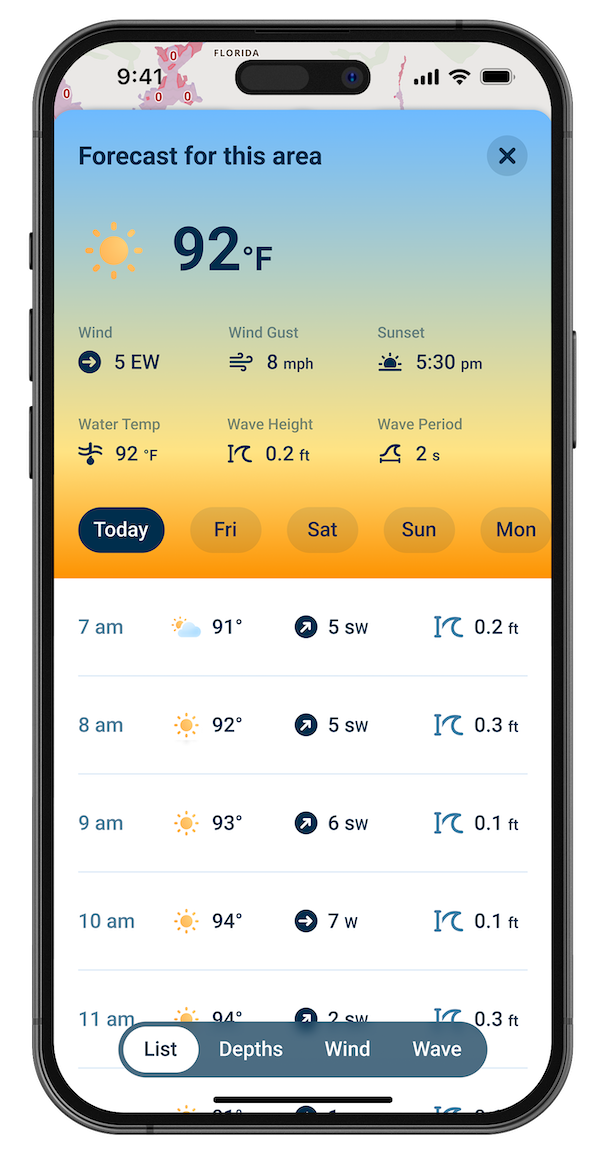
Regardless of which option you choose, make sure you have the most up-to-date information (or can access it) before leaving the dock, whenever possible. Sometimes the weather can change rapidly, though, so it's also a good idea to have a way to check the weather when you're already out on your boat.
Watch for Boat Thunderstorm Alerts
Thunderstorms can develop quickly, particularly on hot and humid days, and are especially dangerous when you're in open water. By using apps like Wavve, RadarScope, or MyRadar, you can track storms and lightning in real time.
NOAA weather radios frequently issue Small Craft Advisories or Storm Warnings, and it's critical that you don't ignore them. There are also some signs to watch for before heading out on your vessel. These include sudden temperature drops or wind shifts, distant thunder, and rapidly building cumulonimbus clouds.
If you're already out on the water and caught in bad weather while boating, knowing what to do matters. Stay calm, slow down, and try to head toward shore or back to the dock. Do your best to maintain control of the vessel even if visibility is low as you move slowly toward safety.
Use Long-Range Boating Forecast Tools
Planning ahead helps you be prepared for the weather on the water.
For example, if you plan to boat within the next week, start checking the long-range boating weather forecast ahead of time. For example, NOAA's extended marine forecasts give predictions for the next five to seven days. You can also use Windy.com's ECMWF and GFS models for long-range wind and wave activity trends.
As your trip gets closer or when planning a boating trip for a time like the upcoming weekend, you'll want to watch for tropical activity if you're located in an area where it could put you at risk. Also, be aware of changing pressure systems and persistent high winds, as both can pose significant weather risks and should be avoided.
How to Read a Marine Forecast Like a Pro
To read a forecast accurately, consider the direction and speed of the wind. Anything above 15 to 20 knots of wind could mean rough water. Additionally, consider wave height and frequency, as short wave intervals typically result in choppy conditions.
Visibility is also crucial, so be sure to check the forecast for potential issues such as rain, fog, haze, or storms. A boat thunderstorm adventure isn't much fun, and can legitimately put your vessel and life at risk.
If you plan to navigate near the coast or through inlets, don't forget to check the tide and current info. The direction of the current and whether it's high or low tide could make the difference between safe passage and getting stuck in shallow water.
Why Accurate Forecasting Saves Lives
A sudden squall could capsize your boat, or swamp your kayak or paddleboard. Not only that, but lightning strikes are much more likely on open water, and forecast awareness helps you avoid marina accidents, groundings, and unplanned rescues.
Even an experienced captain checks the long-range boating forecast and current weather frequently, as it's part of boating responsibly.
Pro Tips for Safer Boating Based on Weather
To stay safer while boating, always file a float plan and ensure that someone on land is aware of your schedule and planned return time. If thunderstorms are in the forecast, stay close to shore if you must go out on your boat, and reschedule if possible.
Keep an emergency weather app downloaded and ready in case you lose your cell signal, and invest in a handheld VHF radio that has weather channels for a backup safety and information option.
Launch Your Weather App Before Your Boat
Before you launch your boat, launch your weather app. It should be your very first move, because knowing the forecast is essential.
Whether you plan to head out for an afternoon cruise or a week-long voyage, the weather could make the difference between a great time on the water and a very dangerous one.
Navigate the Weather and Waters Safely with Boater Education
Understanding and working around the weather is a crucial aspect of boating safely! Whether it's sunny, windy, or stormy, boat operators must research the boating weather forecast before leaving shore to keep themselves and others safe.
Along with paying careful attention to the weather, boost your safety on the water with an online boat education course from Boat-Ed. Our courses are state or Transport Canada-approved and teach all of the essential information required to boat safely and legally!
Additionally, our online courses offer a convenient way to learn at your own pace, in easy-to-understand formats, to help you retain and apply what you learn on the water.
Before your next outing on the water, take the Boat-Ed course for your state. Or, if you boat in Canada, take our course approved by Transport Canada!
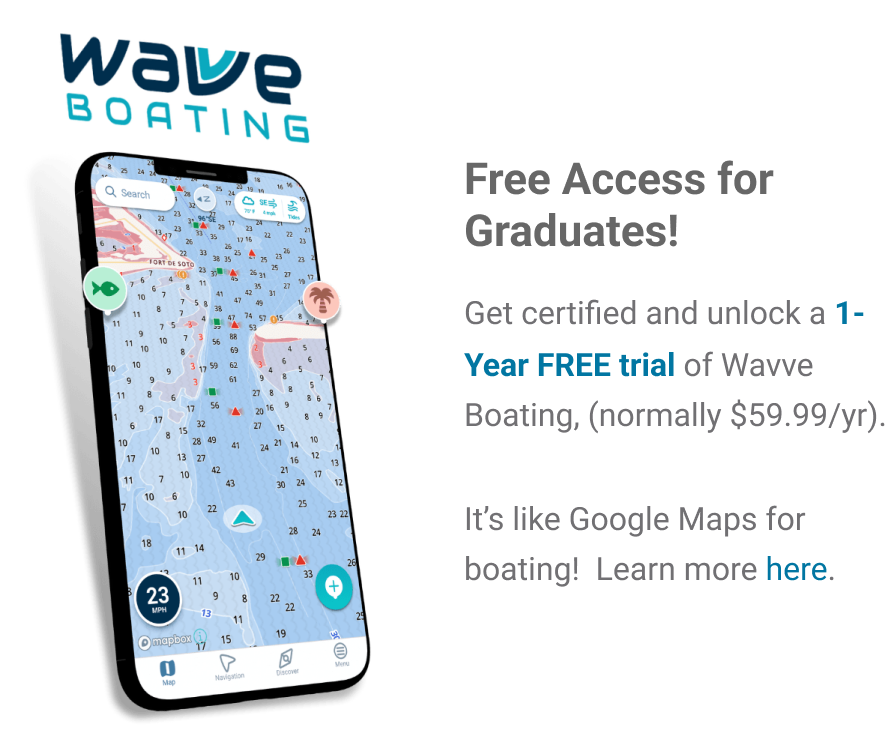
We want to help you enjoy the waters safely, from navigating the weather to charting your route to your destination. So, after completing your Boat-Ed course, take advantage of a Free 1-Year Trial of Wavve Boating!
You get full access to the app's many features, including nautical charts, automatic tidal data, weather, navigation and autorouting, custom mapping, and more.
To grab this offer, visit your student dashboard!