How to Get Your U.S. Boating License in 2026
Thinking about how to get your US boating license? There's no single, nationwide "boating license" in the United States. Instead, individual states determine their own requirements to operate a recreational vessel.
State requirements typically involve obtaining a boater education card or a boater safety certificate. So, it's essential to understand which states require a license, as not all of them do.
Here's how to get your boating license in the U.S., no matter the state in which you love to boat.
How to Get Certified to Boat in the U.S.
Getting boating certified isn't complicated, and most states make it very straightforward. The key is to start where you are and follow your location's guidelines.
1. Determine Your State's Requirements
State requirements generally depend on factors such as your age or birth year, your vessel's horsepower, the type of boat you have (motorboat, sailboat, PWC/jet ski, etc.), and whether you're a resident or non-resident of the state.
For example, Oregon requires a boater education card to operate a motorized boat with more than 10 horsepower. However, other states don't require any certification.
The best place to check US boating license requirements by state is your state's official boating or natural resources agency, or the National Association of State Boating Law Administrators (NASBLA) resources for mandatory education. You can also consult state-specific course provider pages, like ours at Boat-Ed, to get up-to-date information for your location.
2. Complete an Approved Boating Safety Course
Most states require a boating safety course, at least for certain ages or vessel types. To find the right boating course and ensure nationwide reciprocity, make sure you choose one approved by your state boating authority and NASBLA.
In these courses, you'll typically learn about navigation rules (or boating rules of the road), required safety equipment, emergency procedures, environmental responsibility, and state-specific boating laws.

The majority of states offer in-person classes from organizations such as the U.S. Coast Guard Auxiliary, America's Boating Club (U.S. Power Squadrons), and state park or marine patrol programs. You can also take online boating classes in Tennessee and many other states at Boat-Ed.
3. Pass the Exam and Get Your Card
Once you complete the course, it's time to take the final exam. You'll need to pay for the course and any state-required fees as part of the cost of your boating license.
Once you pass the exam, you'll receive an immediate, printable temporary certificate so you can start boating right away. Your permanent boater education card will come in the mail in approximately 4–6 weeks.
The terminology related to how to get your U.S. boating license differs by state. Some call their "license" a boater education card, or you might see it listed as a boater safety certificate. The term "boating license" is common, even though it's not legally accurate.

4. Carry Your Card on the Water
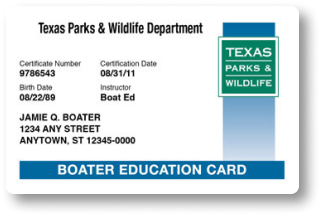
If you lose your card or it becomes damaged, you can request a new card for a small fee.
Most states have full reciprocity, meaning they recognize boater cards from other NASBLA-approved states. Even though US boating license requirements can differ among states, being NASBLA-approved means the course information and exam requirements in one state are close enough to those in another to grant reciprocity.
What Is a Boating License?
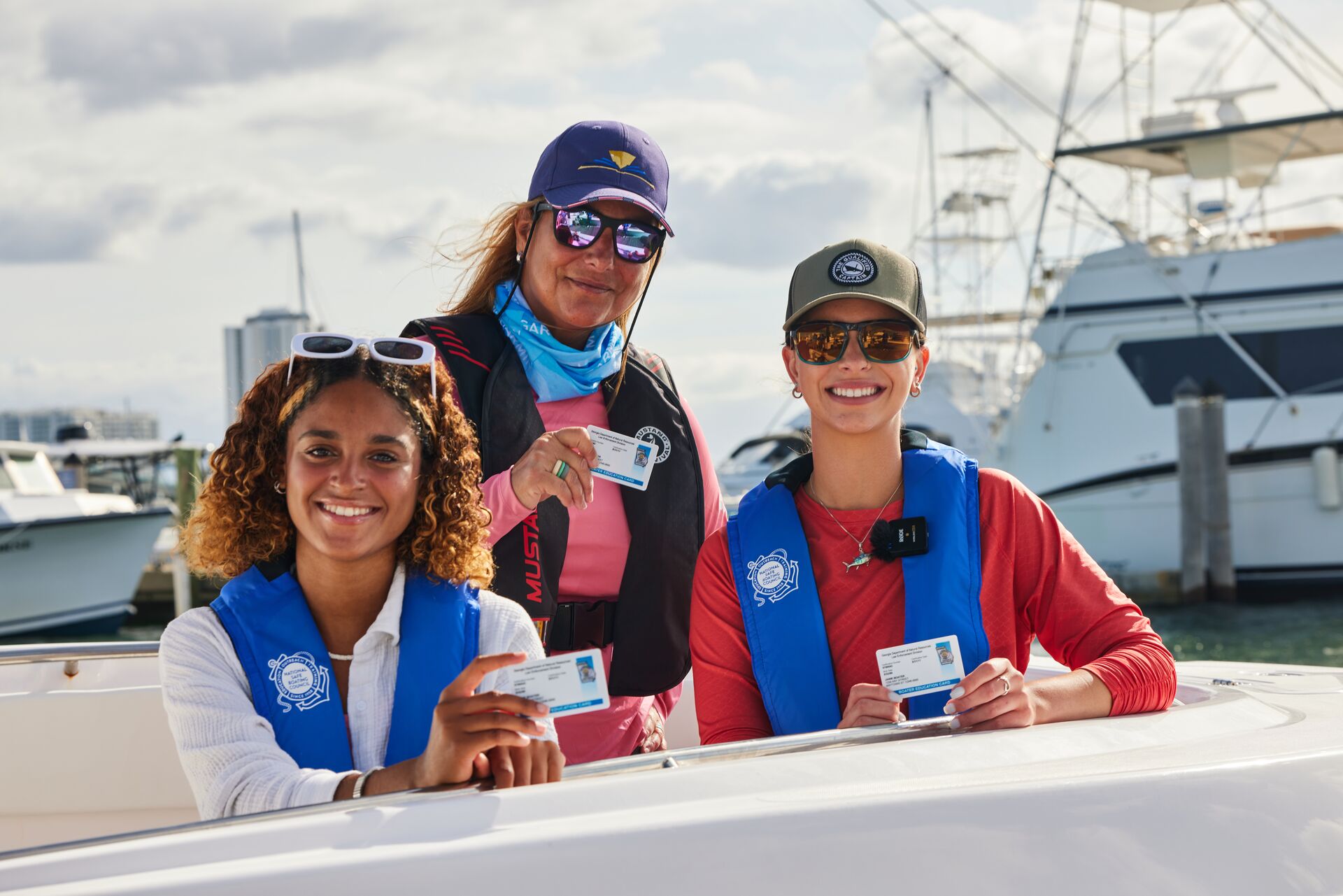
Most states don't issue a "license" for recreational boating in the same way as they issue a driver's license. Instead, states issue a boater education card or a safety certificate after completion of a mandatory safety course.
The card or certificate proves you've met the state's education requirement to legally and safely operate a boat on local waterways.
Is a US Boating License the Same as a Boater Card?
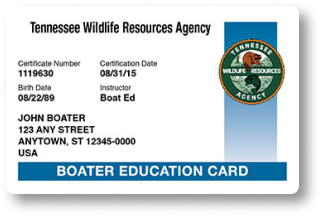
The proper term is usually "boater education card" or "boater safety certificate," but "US boating license" is an informal term often used by the public. When you're talking with someone at a state agency, they may not use the term "license."
No matter what you call it, the credential indicates you've met all the formal training requirements for vessel operation.
Can You Get a U.S. Boating License for All States?
No, there's no universal national boating license. However, most states accept NASBLA-approved courses.
The cost of a boating license may vary slightly depending on the provider and state fees, but your card typically works when you're boating in another state; check local rules to be sure.
Some states don't have a formal boating education requirement, so you may not need a card when boating in those locations. Keep in mind that all visitors must follow the laws of the state where they're boating.
Take a Boater Education Course to Get Your U.S. Boating License
Whether you need a boater education card in your state or not, it's always a good idea to take a boater education course. What you'll learn in a course will help you stay safe on the water, reduce the risk of accidents, and give you more confidence wherever you are.
However, since most US states require motorized boat operators to carry a boater education card, there's no better time to get yours than today! And there's no better place to get your card than through Boat-Ed. Our courses meet each state's requirements for boater education.
Within just a few hours, our online course will help you learn the safety essentials you need, provide unlimited opportunities to pass the exam, and get your card.
Boat safely and legally this season with boater education!

Frequently Asked Questions (FAQs)
We have answers to common questions about how to get your U.S. boating license.
Q: How hard is it to get a boating license?
A: It's not very hard to get a boating license. In most states, you simply complete a boating safety course and pass a multiple-choice exam, often online (Boat-Ed, for example).
Q: Is BUI as serious as DUI?
A: Yes, Boating Under the Influence (BUI) is treated similarly to DUI, with fines, possible jail time, license suspension, and criminal charges.
Q: What states require a boating license?
A: Almost all states require some form of boating education or certification, especially for younger operators. Requirements vary by age, boat type, and horsepower.
Q: Do you need a license to drive a boat in America?
A: To drive a boat in America, you usually do not need a “license” like a driver’s license. However, many states require a boating safety certificate (or card) to legally operate a motorized boat.
Q: Can I use my boating license in any state?
A: Generally, yes, most states accept a boating license (or boater safety card) from other states, as long as they meet national safety standards.