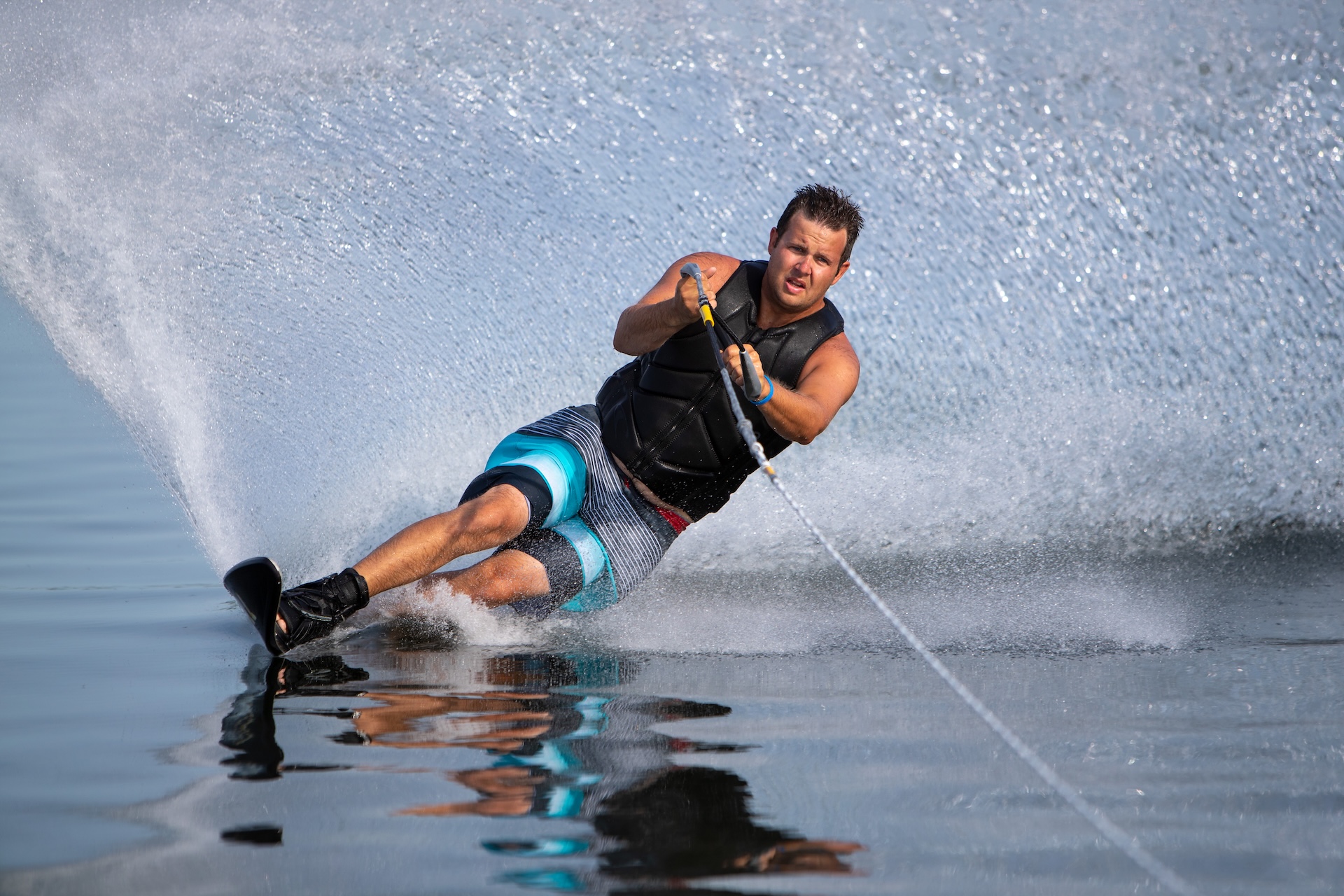
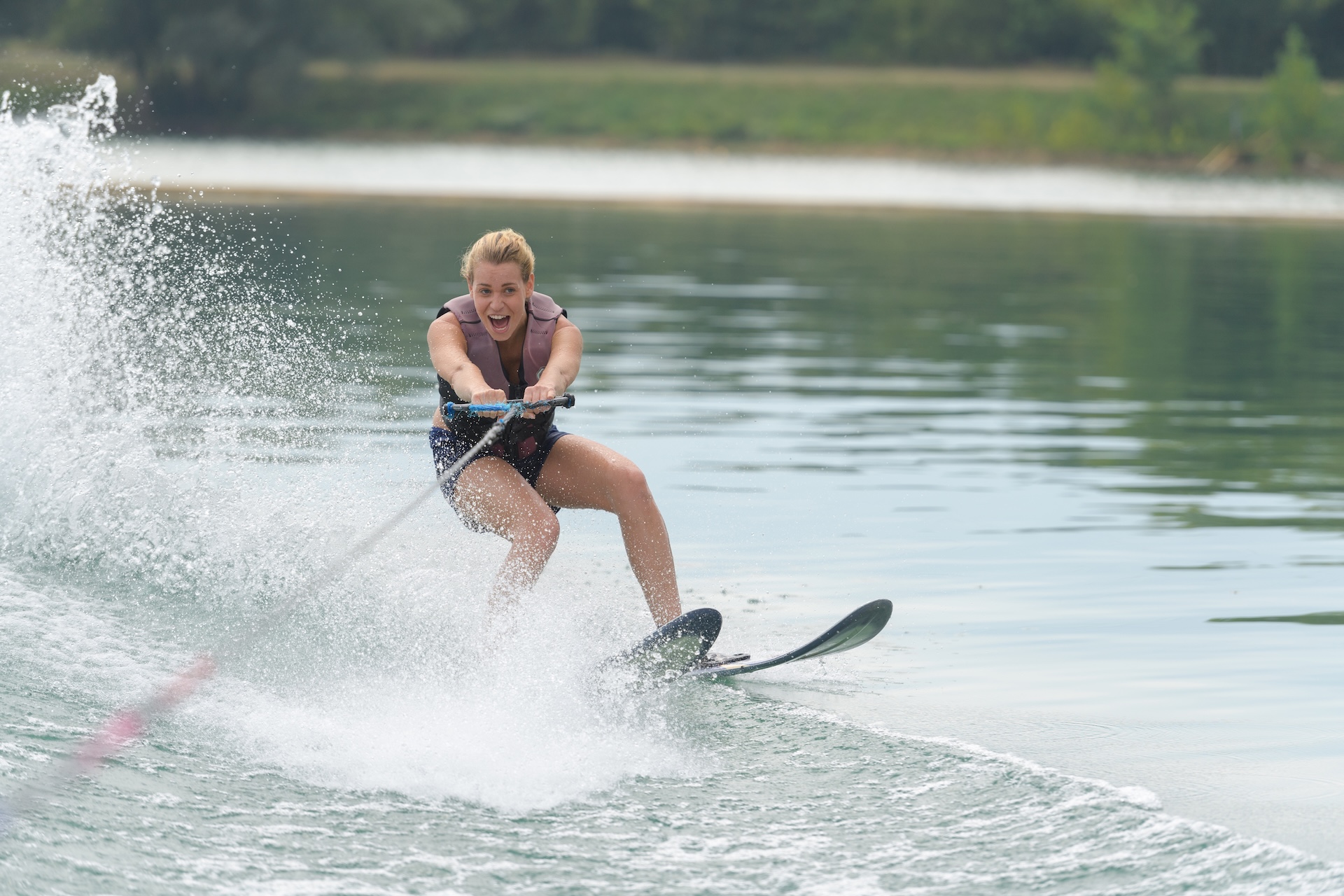
Is water skiing dangerous? Many people enjoy water sports, including water skiing, but it's also essential to understand the potential risks.
When you're not inside a boat or on something like a jet ski, you're very vulnerable on the water. Falling off your skis is similar to falling overboard in that it puts you at risk of hazards in the water, such as being struck by a boat's propeller.
Fortunately, there are ways to reduce this risk and avoid a propeller strike, allowing you to enjoy your water skiing adventure more fully. Here's what to know!
Is Water Skiing Dangerous? Understanding the Risks
Water skiing, ike any water sport, is inherently risky, but those risks are manageable. Most injuries and accidents are preventable as long as you practice proper safety procedures.
The high speeds and close proximity of the skier and boat increase the risk of accidents, such as propeller strikes. However, there are protocols to follow that can significantly improve safety.
As a water skier, you must take safety seriously. The same is true if you're the person driving the boat or operating a vessel near skiers.
After all, safe skiing is more fun!
What Is a Boat Propeller Strike?
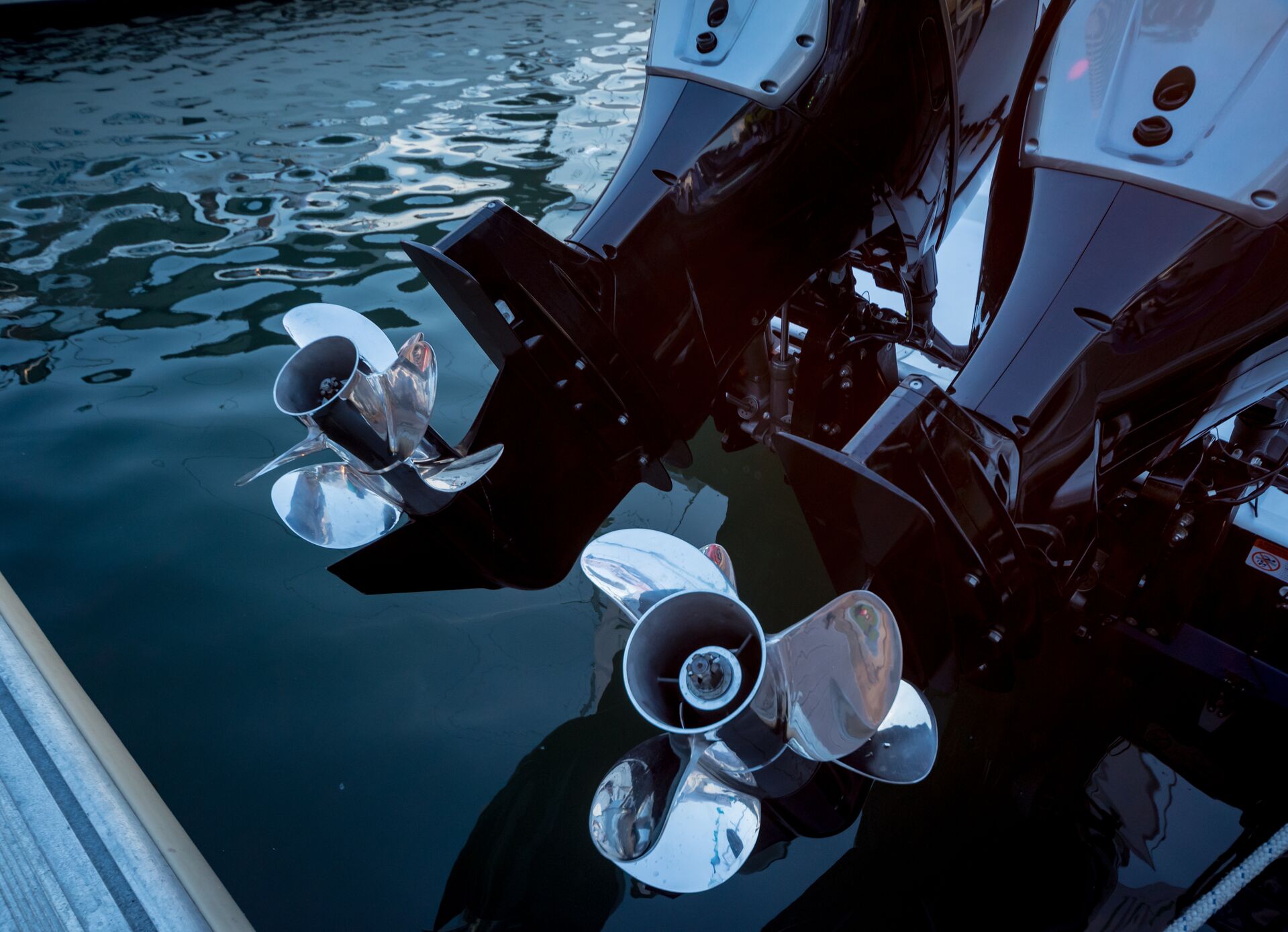
A propeller strike happens when the spinning blades of a boat propeller come into contact with a person in the water. This can happen to a water skier, a swimmer, or a person who falls overboard.
Because a propeller can spin at thousands of revolutions per minute (rpm), even very brief contact can cause devastating injuries.
The most common injury types during a propeller strike are:
Deep lacerations
Limb amputations
Spinal cord injuries
Fatalities
Most victims of propeller strikes are people who are near a boat, such as skiers or swimmers.
How to Avoid Propeller Strikes While Water Skiing
Operating a boat that's pulling a water skier requires caution and clarity. Fortunately, there are steps you can take to avoid a boat propeller strike.
1. Designate a Spotter
It's essential to have a second person on board to watch the water skier. With this type of helper, you can focus on navigation.
With a spotter, you have the benefit of rapid communication between the skier and the driver, resulting in a faster response in emergency situations.
2. Use Engine Cut-Off Switches
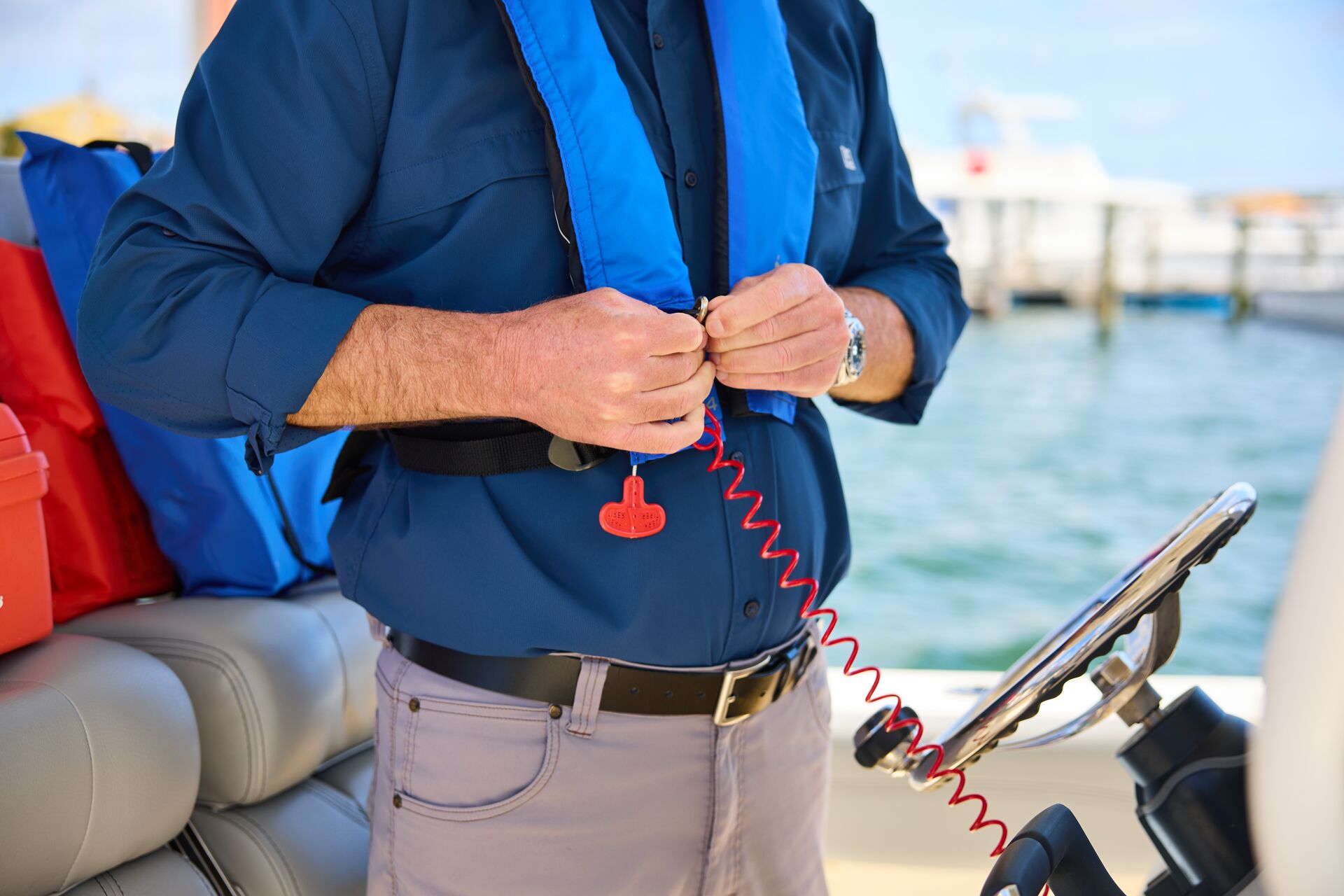
Anyone operating a boat should have the kill switch lanyard attached to their life jacket or clothing at all times.
If you're driving the vessel and fall overboard or are jolted away from the helm unexpectedly, the engine will stop. That keeps the boat from moving on its own and potentially striking someone with the propeller.
3. Turn Off the Engine When Near Skiers in the Water
If you're near water skiers in the water, avoid operating your boat's engine when people are getting into or out of the water. For example, you can reduce boat propeller strike risk by always shutting off the motor when you're retrieving a fallen skier.
4. Maintain a Safe Distance
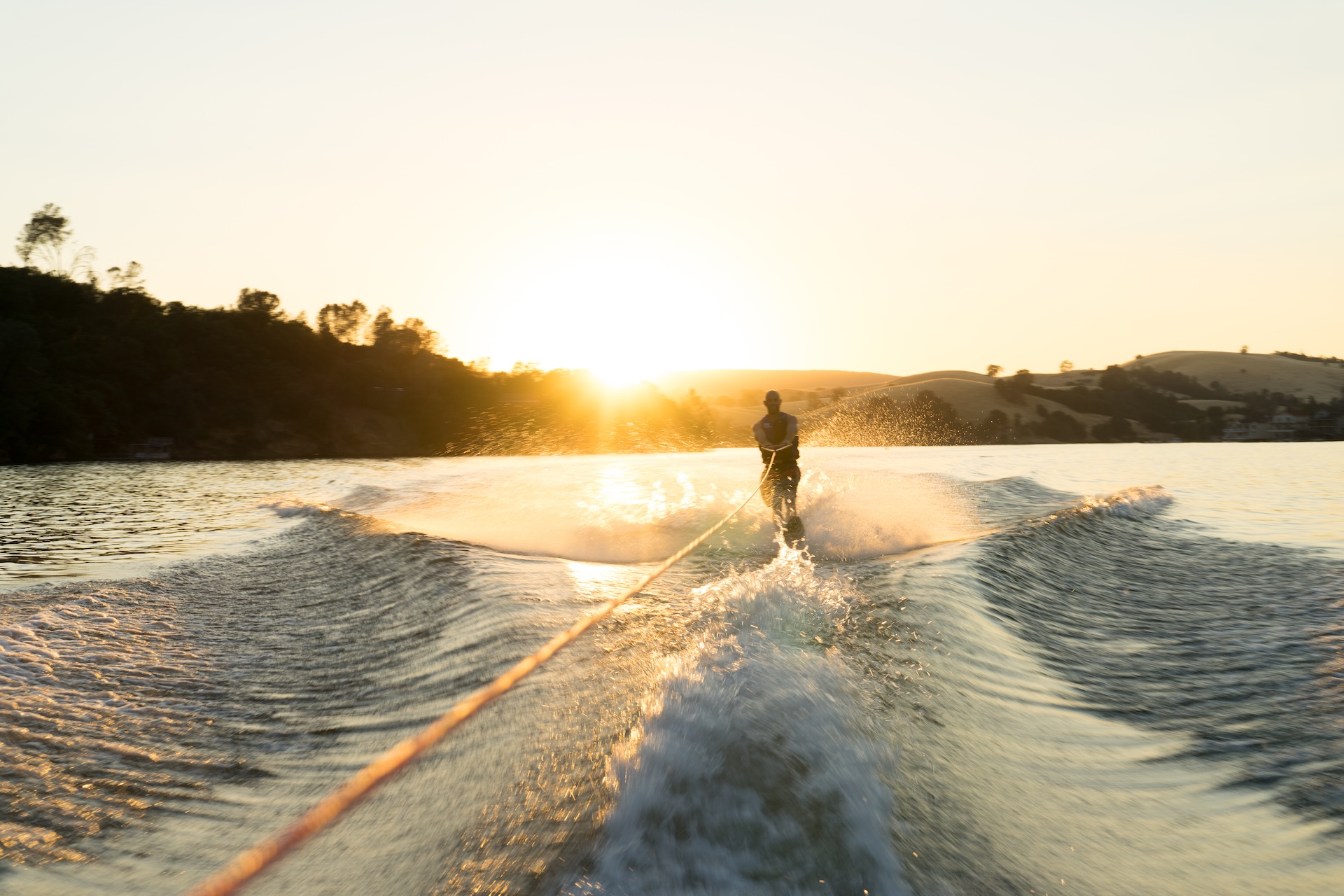
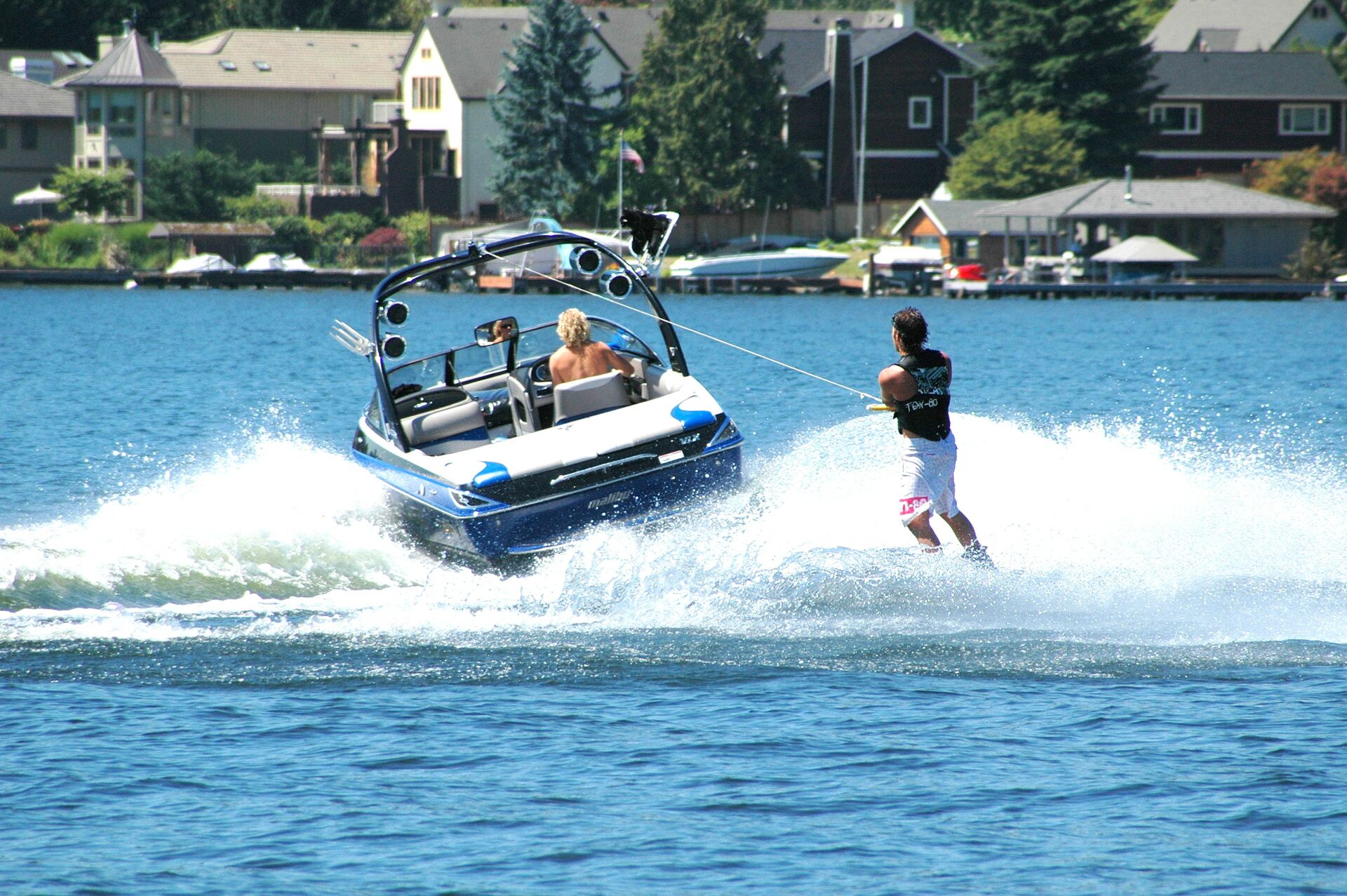
Your tow rope should be long enough to keep a skier well behind the vessel. Most ropes are 75 feet.
Also, avoid erratic speed changes or sharp turns that could accidentally bring the skier too close to the boat.
5. Approach With Caution
When you circle back to collect a skier, approach slowly and make sure you can see them at all times. You want to stay at idle speed only, and never put your boat in reverse unless you can see the skier and your spotter gives the all-clear.
6. Avoid Crowded Areas
Water skiing should take place in open water areas away from other boats, obstacles, and swimmers. With fewer distractions, you can enjoy safer skiing and a quicker response in the event of a fall.
Smart Safety Habits to Prevent Skiing Accidents
To prevent skiing accidents, make sure you focus on:
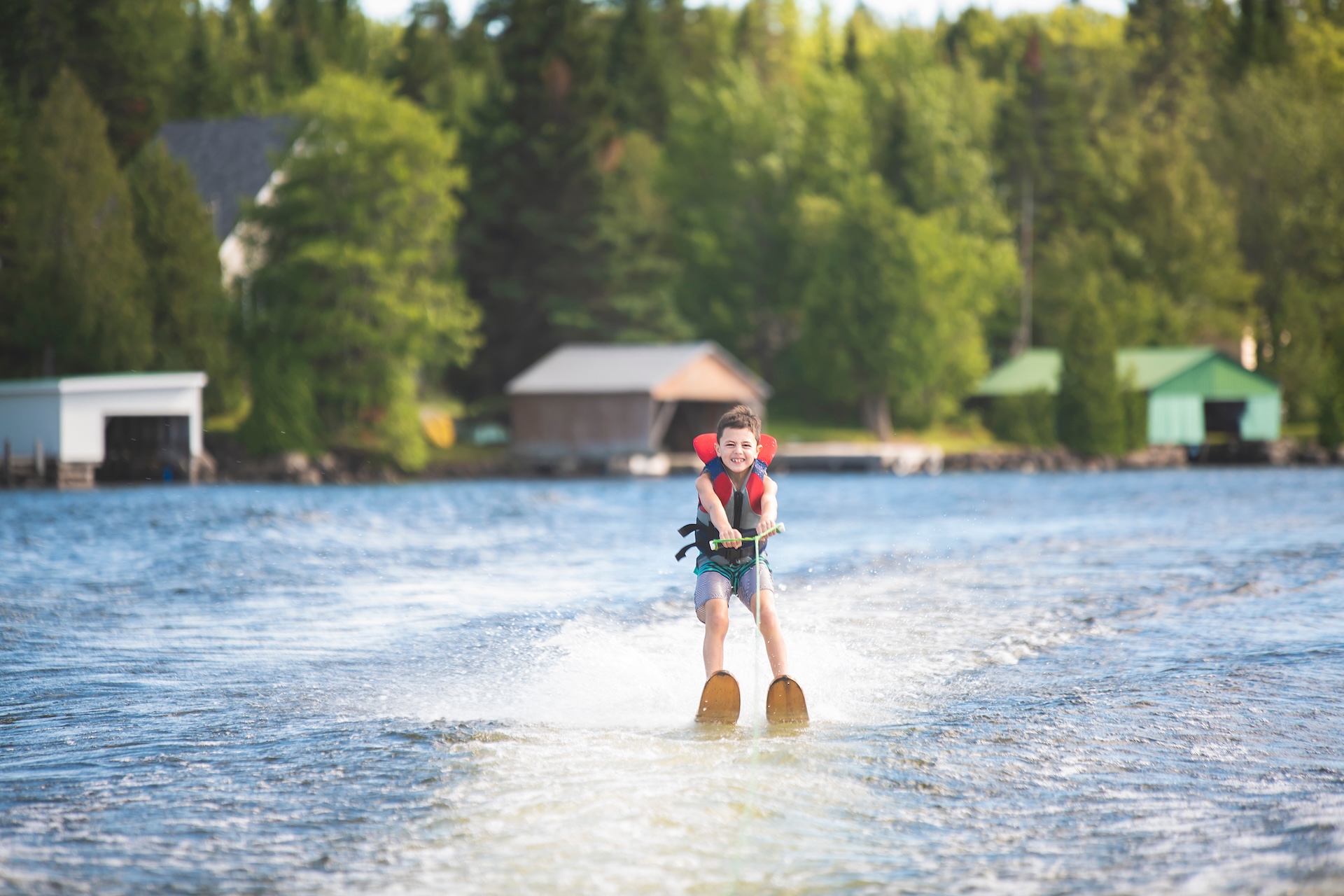
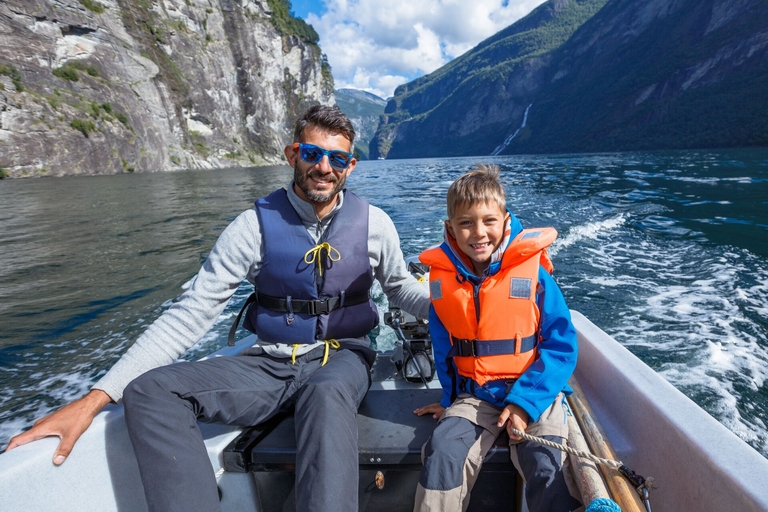
Life Jackets: These are non-negotiable. Make sure skiers wear U.S. Coast Guard-approved Personal Flotation Devices (PFDs) that fit them properly.
Pre-Ride Safety Checks: Discuss hand signals and rope positioning with the skier to ensure a safe ride. Make sure you have a plan in place for when the skier falls and you need to collect them.
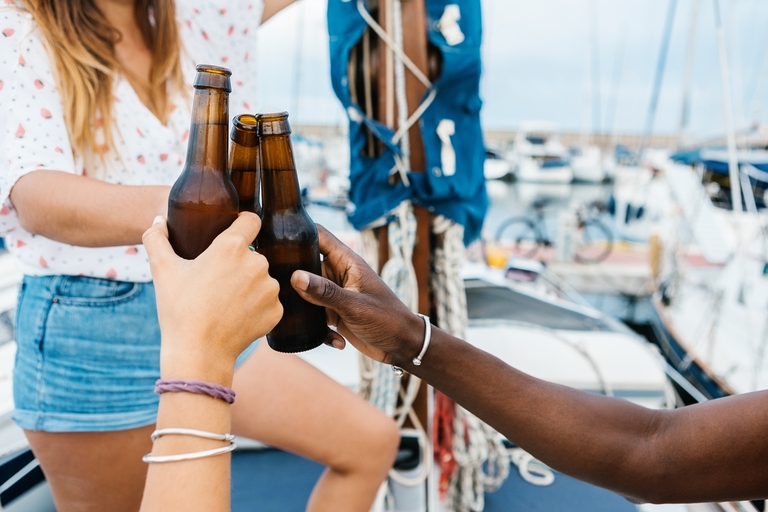
Stay Sober and Alert: Whether you're operating the boat or skiing, avoiding alcohol and drugs is the right choice for a better experience.
Putting these habits into practice every time you hit the water with water skiers helps keep everyone safe and have more fun!
Here's a Quick Recap Checklist for Safe Skiing
Let's recap what we've learned today.
For a safer water skiing experience for everyone, make sure you:
Turn the engine off before a skier gets into or out of the water.
Always have a spotter on board.
Keep your engine cut-off switch engaged.
Have a 75-foot rope to maintain a safe distance between the skier and the vessel.
Approach a fallen skier slowly and keep them in your sight.
By taking the necessary safety precautions, you and your passengers can have a safe and enjoyable day on the water.
Learn More Safe Practices to Avoid Boat Propeller Strikes with Boat-Ed
So, is water skiing dangerous? It can be, but you can make it safer.
Water skiing can be an exciting way to enjoy time on the water, but it's not safe unless everyone takes responsibility. That's especially true of the boat operator, who always needs to keep propeller safety on their mind.
With some simple precautions and good habits, a boat operator can protect themselves, their skier, and others on the water from a boat propeller strike.
Before you head out for a day of waterskiing, don't forget to take a boat education course. An online course through Boat-Ed teaches you about emergency procedures, navigation, safety, and more! Plus, our courses meet the requirements for boater education in the U.S. and Canada.
We have answers to your questions about waterskiing safety!
1. What are the biggest risks when waterskiing?
The primary risks to be aware of when waterskiing include propeller strikes, falling at high speeds, drowning, collisions with obstacles, and muscle or joint injuries.
2. How can I avoid propeller strikes while waterskiing?
When picking up a fallen skier, always turn off the engine. Skiers should keep a safe distance from the boat’s stern, and re-board only when the propeller has stopped completely.
3. Is it necessary to wear a life jacket when waterskiing?
Yes! Skiers should always wear a properly fitted U.S. Coast Guard-approved life jacket to stay afloat and visible.
4. How can boat operators keep skiers safe?
When driving a boat, maintain a steady speed, keep a lookout for other boats, watch for hazards, and follow agreed-upon hand signals with the skier.
5. What should I do if I fall while waterskiing?
Stay in place until the boat returns and hold your skis up vertically to be more visible. Never swim toward the boat’s stern.