What Are the Official Maritime Flags for the U.S. and Canada?
Both the U.S. and Canada use their respective national flags as primary, official maritime flags, flown as each country's national ensign. In both countries, boaters need to know the meanings of other specialized flags, including those for recreational boaters in domestic waters, government vessels, and communication using the International Code of Signals.
Maritime flag meanings are crucial to boat terminology, so it's extremely important to fly the correct flags and understand what they mean. Here's what to know about this vital way vessels convey information.
What Are Maritime Flags?
Maritime flags, also known as nautical signal flags, are specialized flags used on vessels to convey messages and information such as nationality, status, or purpose. There are two main types: official flags (such as national ensigns) and functional flags (including signal and courtesy flags).
Naval ships, commercial vessels, and recreational boaters use maritime flags. They function like a visual language, conveying information quickly and universally. Additionally, they're governed by long-standing international maritime traditions and, in some cases, legal requirements.
These flags cover multiple categories, including:
- National ensigns to identify a vessel's country of registry
- Jacks and naval ensigns used by warships and government vessels
- Courtesy flags to fly when visiting a foreign port
- Club burgees and squadron flags to indicate membership or affiliation
- International Code of Signals flags for communication between vessels
- Special-purpose flags, such as quarantine ("Q"), pilot boarding, distress signals, and racing flags.
Flags are highly valuable for providing clarity when radio communication could fail or be restricted, and they're a key element of safe, lawful, and respectful operation on the water.
How Many Maritime Flags Are There?
Every nation has a single primary maritime flag, which is its national ensign.
Additional maritime flags include government and military ensigns, recreational boating ensigns (used only domestically), and service flags, such as those for the Coast Guard, auxiliaries, or yacht clubs. Boaters also use International Code of Signals flags for communication.
Primary Maritime Flags of the United States
When you're out on the water, you could encounter dozens of flag types, but only a few are required or commonly used.
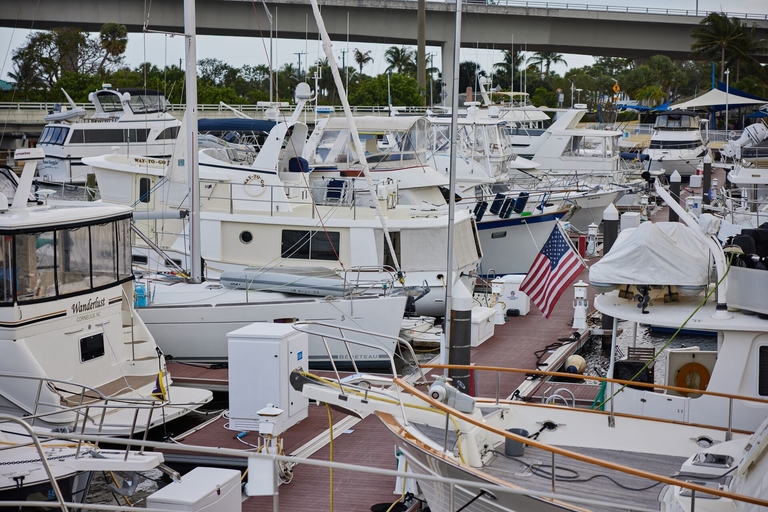
| The U.S. national ensign is a standard American flag, and it's considered the official flag for all U.S.-flagged vessels. This flag is required to be flown in foreign or international waters to identify the nationality of the ship. | 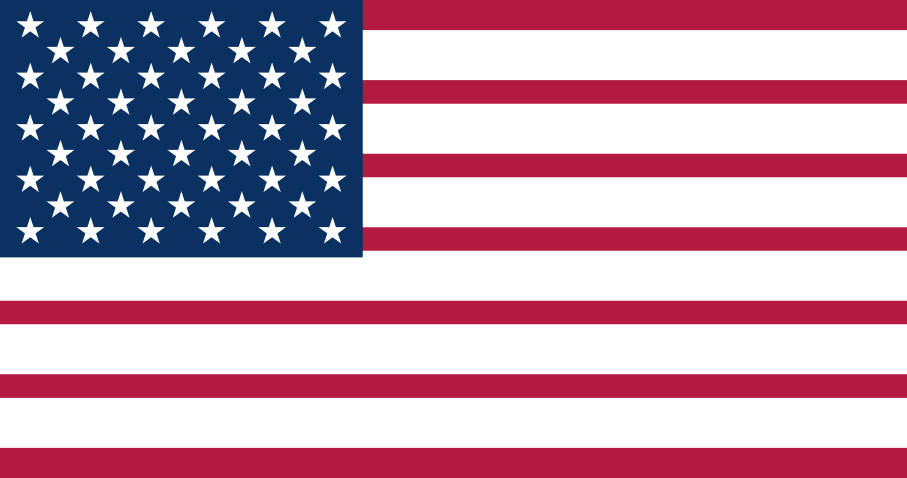 |
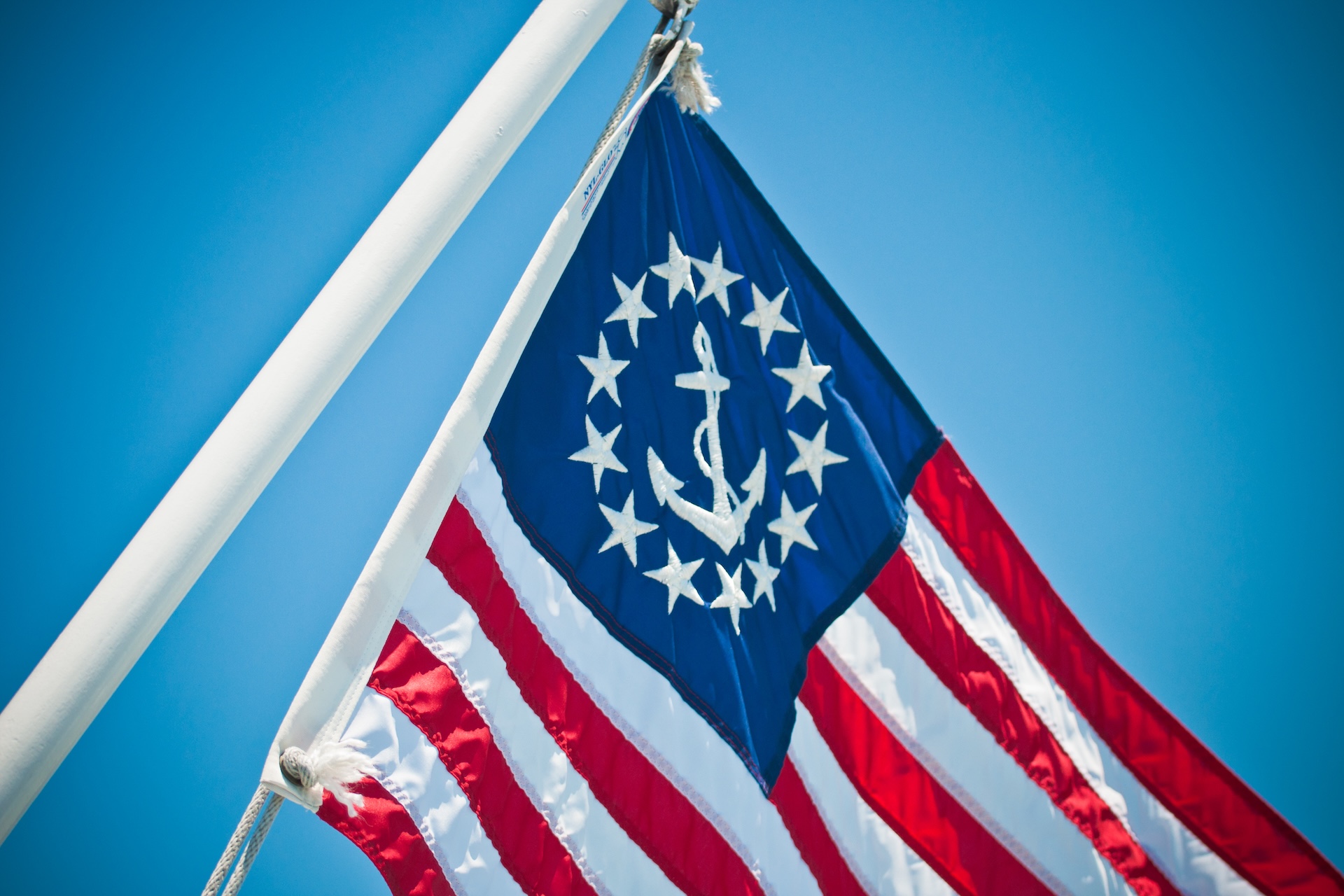
| The U.S. Yacht Ensign is a historical design consisting of 13 stars and a fouled anchor. It's only allowed on recreational boats in U.S. domestic waters and is not recognized internationally as a U.S. flag abroad. | 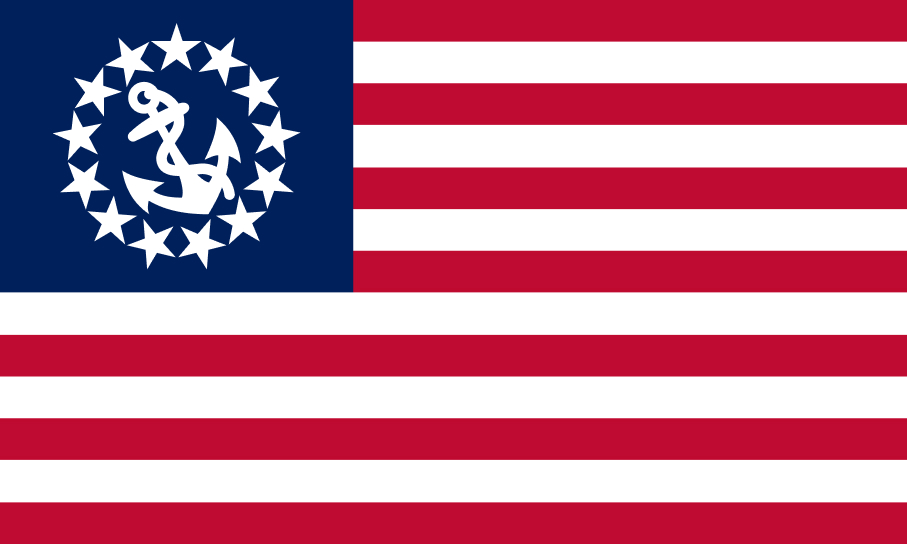 |
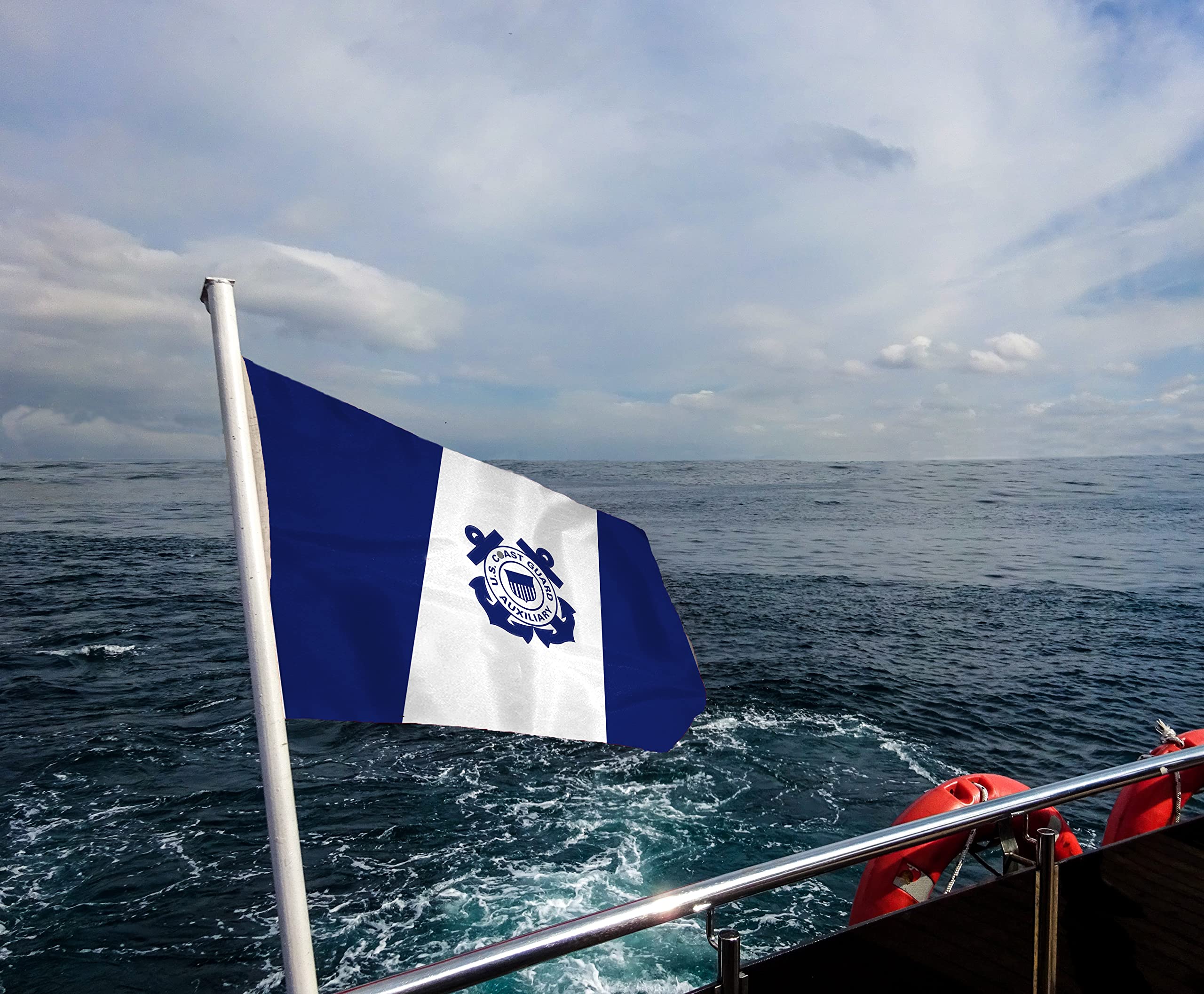
| There's also a U.S. Coast Guard Auxiliary ensign, which is a "blue ensign" flown by approved Auxiliary facilities. You can fly it day or night. | 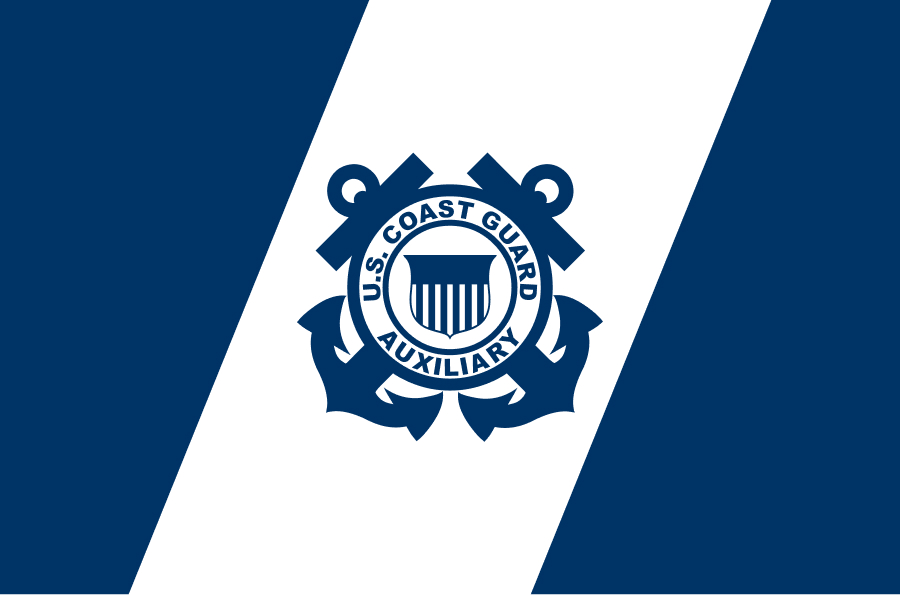 |
| U.S. government vessels also display the U.S. Jack flag—a blue field with 50 stars—at their bows when anchored or moored. This flag is not something most boaters see very often, and it rarely appears on private boats. | 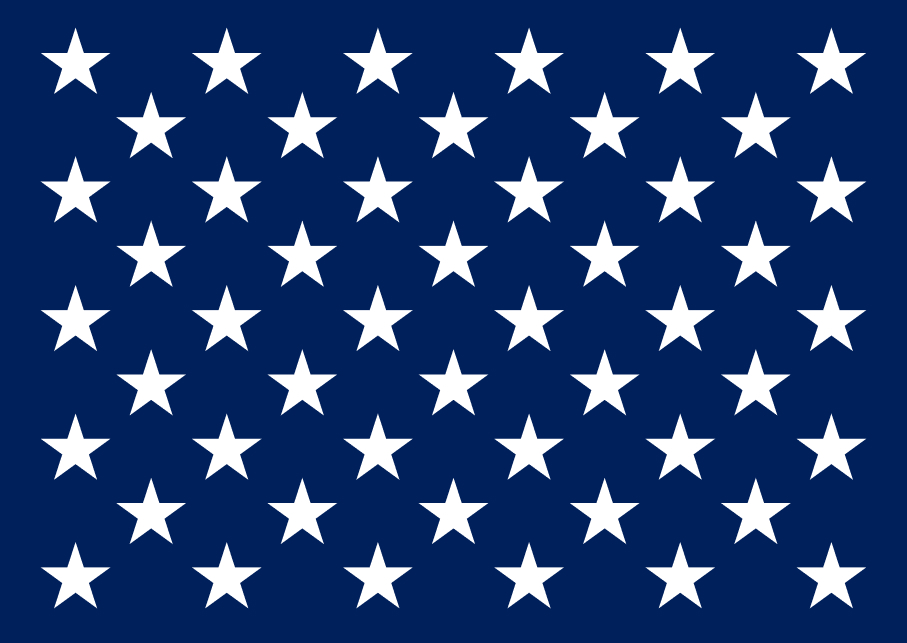 |


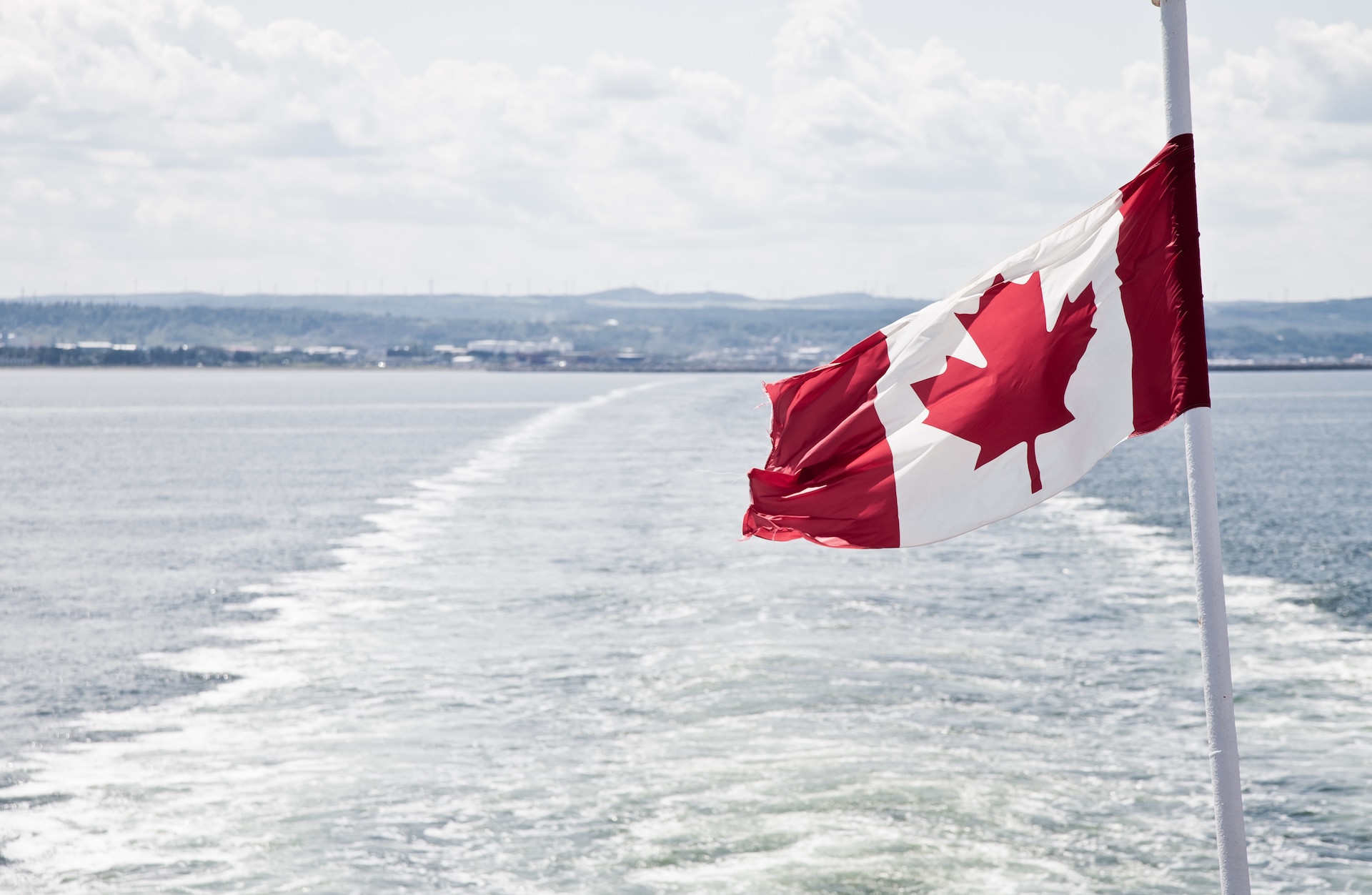
What Is the Maritime Flag of Canada?
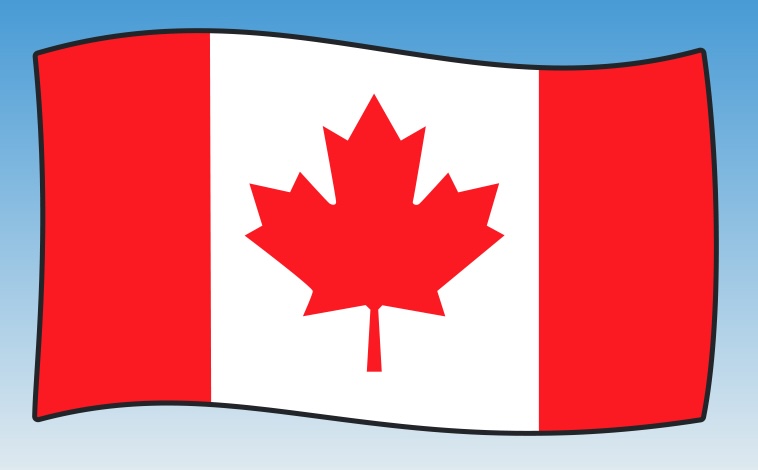
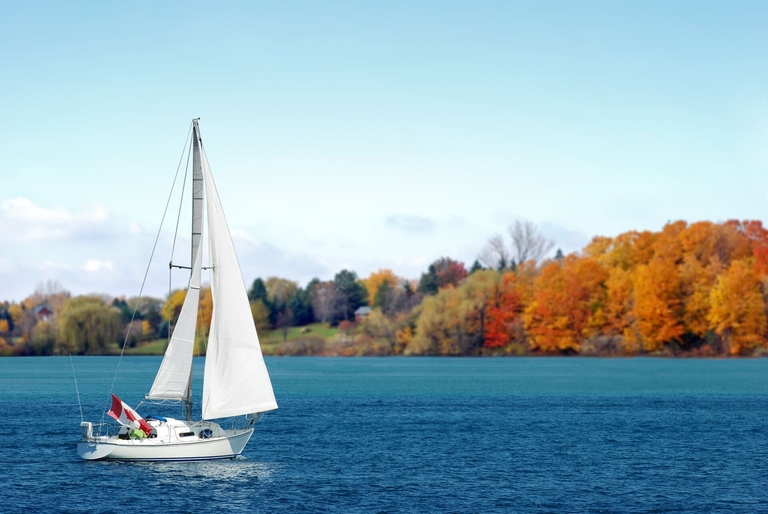
It's required in international waters to indicate the vessel's nationality.
Other Primary Maritime Flags of Canada
There are a few other Canadian maritime flag meanings boaters should know.
| The Canadian Naval Ensign has a white field with a Maple Leaf in the canton and the Canadian Forces emblem in the fly. Warships display this flag at sea; on moored ships, it's the naval jack at the bow. | 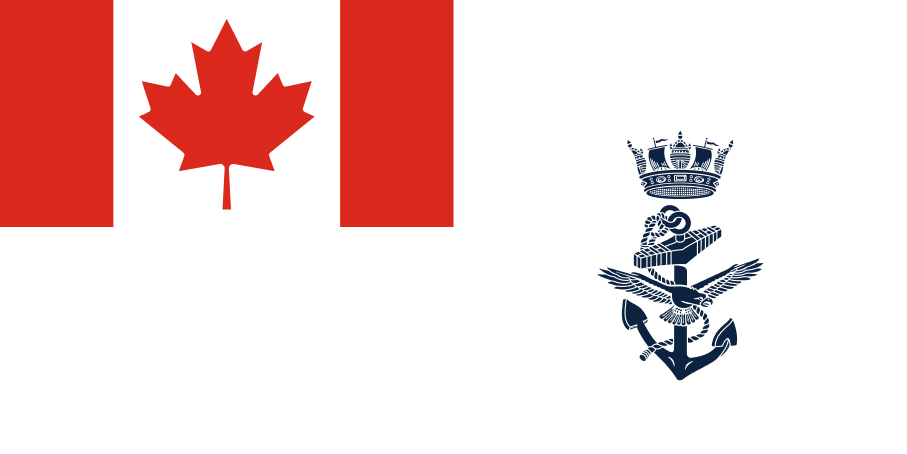 |
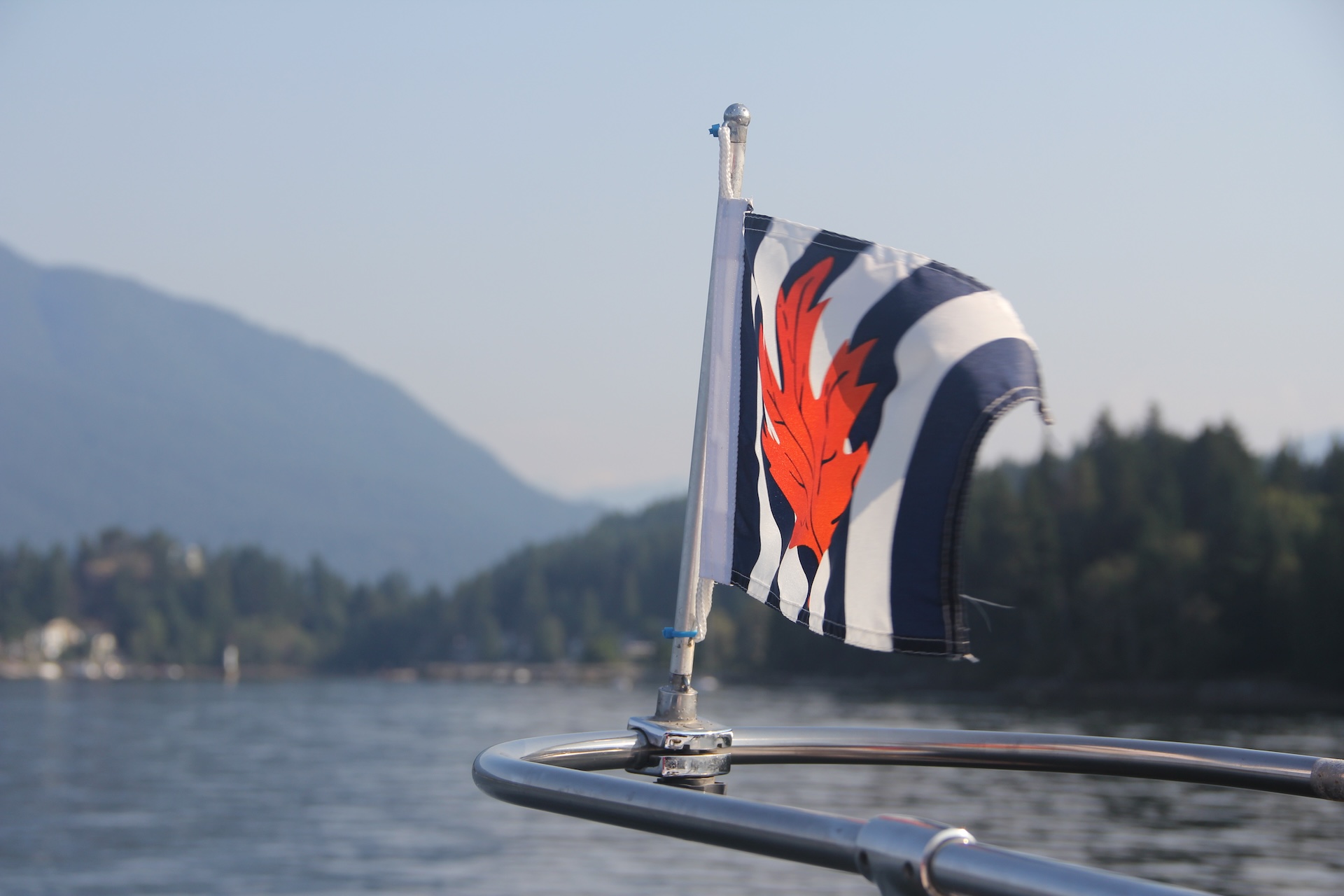
| You might also see the Canadian Power & Sail Squadrons ensign while boating on Canadian waters. It's common on pleasure craft and plays a similar role to the U.S. Power Squadrons ensigns. In other words, it's considered a membership or courtesy flag, not an official ensign. | 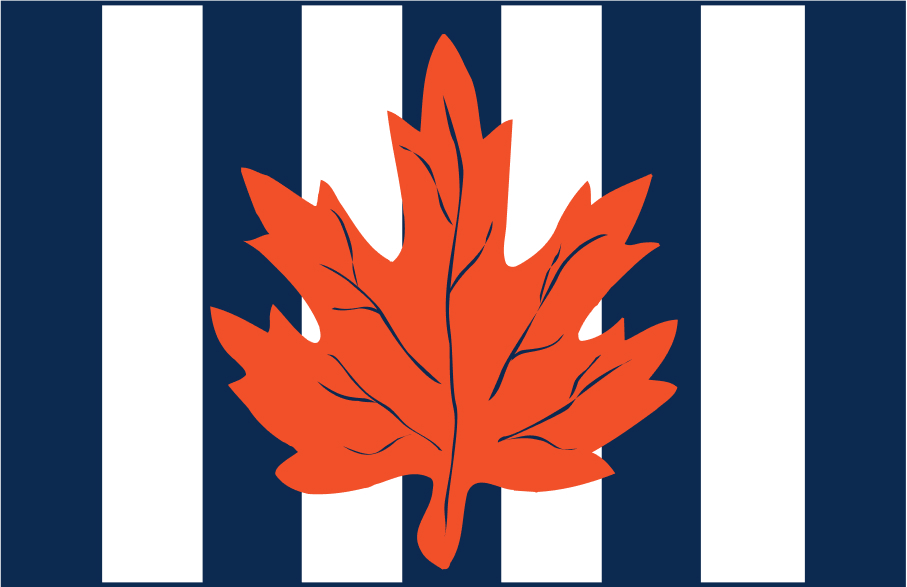 |
Are There Other Types of Flags for Boats?
Look out for other international maritime signal flags when you're boating. You might encounter:
- Courtesy flags, such as the flag of a country you're visiting
- Club or association burgees, like those for yacht clubs and power squadrons
- Signal flags for the A-to-Z International Code of Signals
- Racing flags for regattas
- House flags of shipping companies
- Private signals or personal pennants for boat owners
Recognizing and understanding universal maritime flag meanings can help you communicate with all other vessel owners. It may also reduce the risk of misunderstandings, helping you avoid boating accidents.
What Flag Can I Fly on My Boat?
When you use your boat, fly your country's national ensign when you're in international or foreign waters. In domestic waters, you can also fly yacht ensigns (U.S.), squadron ensigns (U.S. or Canada), club burgees, and courtesy flags (when visiting another harbor or region).
Take the time to ensure your flag placement is correct, and remember that a national ensign typically goes at the stern or taffrail.
Why Is It Important to Understand Maritime Flag Meanings?
If you learn the meaning of flags on boats, you can understand more about maritime etiquette, law, and tradition. These flags signal your vessel's nationality, which can affect your experience with customs, rights, and maritime rules. Using the wrong flags can lead to confusion and fines, especially if you're traveling internationally.
Nautical signal flags not only help with communication, courtesy, and safety on the water—they also help you show professionalism and respect for maritime heritage. It's a key part of overall responsible boating: much like following right-of-way rules, wearing a life jacket, and filing a float plan, knowing maritime flag meanings can help you be a better, safer boater.
Get Your Boater Safety Certification with a Boat-Ed
We hope this helps you learn more about international maritime signal flags for Canada and the U.S.! Understanding the flags you see on the water is an important part of being a responsible boater.
Before heading out on the water in your vessel this season, make sure you've taken a boater education course. Boat-Ed online courses cover boating safety, etiquette, and navigation, giving you the skills and knowledge to be confident on the water. Plus, our courses help you meet your state's or Transport Canada's requirements for boater education!


Frequently Asked Questions (FAQs)
We have answers to your questions about maritime flags meanings!