What Is the Minimum Age to Get a New Jersey Boating License?

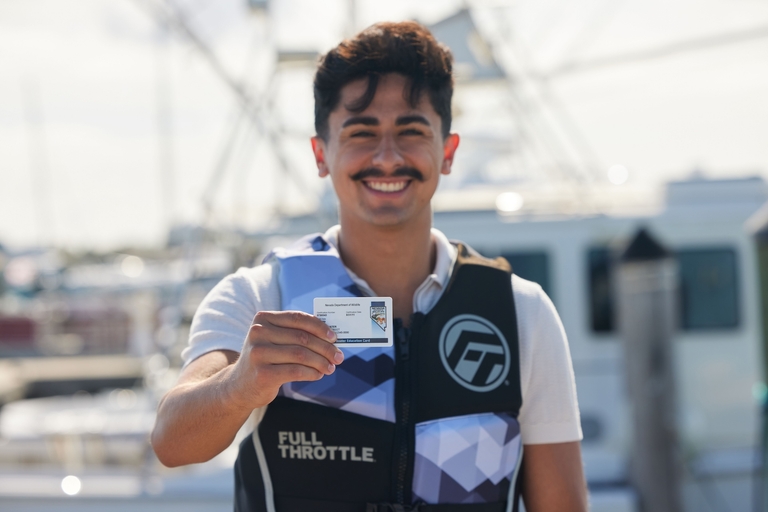
The minimum age to get a New Jersey boating license (also called a New Jersey Boating Safety Certificate) is 13 to operate limited power vessels and 16 to operate any power vessel or personal watercraft (PWC) independently. Specific horsepower and vessel-type restrictions apply to operators ages 13 through 15.
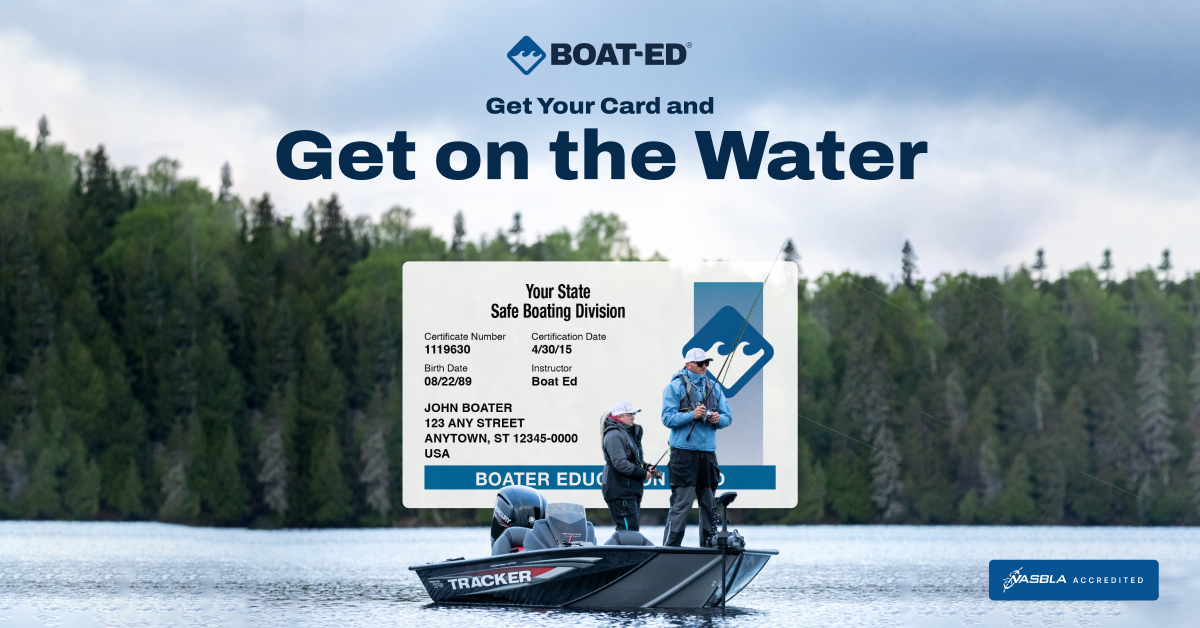
New Jersey's requirements are administered by the New Jersey State Police, Marine Services Bureau. All operators of motorized vessels (regardless of age) must complete an approved boating safety course and carry proof of certification on the water.
Keep reading to learn the minimum age requirements, who needs a certificate, and how to get one.
What Is the Minimum Age to Operate a Boat in New Jersey?
New Jersey law sets 13 as the minimum age to operate a power vessel, with significant restrictions on vessel type and horsepower for operators under 16. Children under 13 may not operate a motorized vessel under any circumstances.
Operators ages 13 to 15 who hold a valid New Jersey Boating Safety Certificate may operate only vessels powered by an electric motor, or motorboats that are at least 12 feet in length and powered by a motor of less than 10 horsepower. They may not operate any vessel with a motor of 10 horsepower or more, and they may not operate a PWC.
The minimum age to operate a personal watercraft such as a Jet Ski or WaveRunner is 16. Operators 16 and older may operate any power vessel, provided they hold a valid Boating Safety Certificate.
Who Needs a New Jersey Boating License?
Do you need a New Jersey boating license this season? Every person who operates a motorized vessel on New Jersey waterways must hold a New Jersey Boating Safety Certificate, issued by the New Jersey State Police, Marine Services Bureau. This applies to boats, Jet Skis, WaveRunners, and all other power vessels.
New Jersey also has a second requirement for boaters on non-tidal (freshwater) waters such as lakes and rivers: an MVC motorboat or Jet Ski license, which is an endorsement on your New Jersey driver's license or ID card. This is separate from the Boating Safety Certificate and is not required for operation on tidal (saltwater or brackish) waters.
For a full overview of New Jersey's boating laws and regulations, visit the Boat-Ed New Jersey boating law page.
New Jersey Boating Age Requirements by Vessel Type
New Jersey's boating regulations include strict age-based rules for different vessel types. The table below breaks down who can operate what and under what conditions.
Requirements by Age and Vessel Type (New Jersey Boating) | |||
| Operator Age | Vessel Type | Can Operate? | Conditions |
| Under 13 | Any power vessel | No | Not permitted under any circumstances |
| 13–15 | Electric motor vessel | Yes | Must hold a valid NJ Boating Safety Certificate |
| 13–15 | Motorboat (12 ft+, under 10 HP) | Yes | Must hold a valid NJ Boating Safety Certificate |
| 13–15 | Motorboat (10+ HP) | No | Not permitted |
| 13–15 | PWC | No | Not permitted |
| 16+ | Any power vessel | Yes | Must hold a valid NJ Boating Safety Certificate |
| 16+ | PWC | Yes | Must hold a valid NJ Boating Safety Certificate |
Any Age | Non-motorized vessel | Yes | No certificate required |
Exemptions from the New Jersey Boating Education Requirement
Certain operators are exempt from the New Jersey Boating Safety Certificate requirement. The table below summarizes the most common exemptions.
New Jersey Boater Card Exemptions | |
| Exemption | Details |
| Out-of-state visitors | Non-residents who are at least 16 and visiting for fewer than 90 days may operate a power vessel with a valid boating safety certificate from their home state or written proof of completing a NASBLA-approved course |
| Racing permit holders | Persons operating a racing vessel with a valid New Jersey State Marine Police permit |
| Non-motorized vessels | Operators of kayaks, canoes, paddleboards, rowing shells, and other non-motorized watercraft |
| Small non-motorized inflatables | Non-motorized inflatable devices, surfboards, and dinghies used solely for transportation between a vessel and shore |
How to Get Your New Jersey Boating Safety Certificate
Follow these steps to get your boating license in New Jersey.
- Meet the minimum age requirement. You must be at least 13 years old to take the New Jersey boating safety course. Operators under 13 may not operate a power vessel under any circumstances.
- Complete an approved boating safety course. Enroll in a New Jersey State Police–approved course, such as the Boat-Ed New Jersey course. The online portion of the course can be completed at your own pace on any device.
- Pass the in-person proctored exam. Unlike most states, New Jersey requires all students to complete a proctored exam administered by an NJSP-approved instructor after finishing the online portion. You have one year from completing the online course to take the exam.
- Receive your certificate. After passing the proctored exam, your permanent New Jersey Boating Safety Certificate will be mailed to you by the Marine Services Bureau.
- Carry your certificate on the water. New Jersey law requires you to have your Boating Safety Certificate with you anytime you operate a motorized vessel. If you boat on non-tidal waters, you must also carry your MVC boat license endorsement.
Does New Jersey Accept Out-of-State Boating Cards?
New Jersey Marine Services Bureau reciprocity rules are more limited than most states. Non-residents who are at least 16 and visiting for fewer than 90 days may operate a power vessel using a valid boating safety certificate from their home state or written proof of completing a NASBLA-approved course.
However, New Jersey residents must hold a New Jersey–issued Boating Safety Certificate, even if they completed a NASBLA-approved course in another state. Out-of-state certificates do not qualify for New Jersey residents.

Start Your New Jersey Boater Safety Course Today
Getting your New Jersey Boating Safety Certificate starts with completing an approved course. The Boat-Ed New Jersey course is approved by the New Jersey State Police and can be completed online at your own pace on any device.
After finishing the online portion, you have one year to complete the required in-person proctored exam and receive your certificate.
Frequently Asked Questions
Q: What is the minimum age to get a boating license in New Jersey?
A: The minimum age to get a New Jersey Boating Safety Certificate is 13. Operators ages 13 to 15 may only operate limited vessel types with a certificate. The minimum age to operate any power vessel (including a PWC) independently is 16.
Q: What is the minimum age to operate a boat in New Jersey?
A: The minimum age to operate a power vessel in New Jersey is 13, with restrictions. Operators ages 13 to 15 who hold a valid Boating Safety Certificate may only operate vessels powered by an electric motor or motorboats that are at least 12 feet long and powered by less than 10 horsepower. Children under 13 may not operate any motorized vessel under any circumstances.
Q: What is the minimum age to operate a Jet Ski in New Jersey?
A: The minimum age to operate a personal watercraft (PWC), including Jet Skis and WaveRunners, in New Jersey is 16. No one under 16 may operate a PWC under any circumstances.
Q: Can a 13-, 14-, or 15-year-old operate a boat in New Jersey?
A: Yes, with significant restrictions. Operators ages 13 to 15 who hold a valid New Jersey Boating Safety Certificate may operate a vessel powered by an electric motor, or a motorboat that is at least 12 feet long and powered by a motor of less than 10 horsepower. They may not operate any vessel with a motor of 10 horsepower or more, and they may not operate a PWC.
Q: Do I need a boating license in addition to a Boating Safety Certificate in New Jersey?
A: It depends on where you boat. If you operate on tidal waters (such as coastal bays and the ocean), you need only your Boating Safety Certificate. If you operate on non-tidal freshwaters (such as lakes and rivers), you also need an MVC motorboat or Jet Ski license, which is an endorsement on your New Jersey driver's license or ID card.
Q: Do I need a New Jersey Boating Safety Certificate if I already have one from another state?
A: It depends on your residency. Non-residents visiting for fewer than 90 days may use a valid certificate from their home state or written proof of completing a NASBLA-approved course. New Jersey residents must hold a New Jersey–issued certificate, even if they completed a NASBLA-approved course in another state.
Q: How much does the New Jersey boating safety course cost?
A: Course fees across approved providers generally range from $30 to $80. The cost for the course through Boat-Ed is $54.95.
Q: Does the New Jersey Boating Safety Certificate expire?
A: No. The New Jersey Boating Safety Certificate is valid for life once issued. You do not need to renew it or retake the course.
Q: Is the New Jersey Boating Safety Certificate the same as a boating license?
A: Not entirely. The Boating Safety Certificate is proof that you completed an approved boating safety course and is required for all power vessel operators on New Jersey waters. A separate MVC boat license is also required for operation on non-tidal (freshwater) waters. Both are needed for freshwater boating; only the certificate is required for tidal waters.