What Is the Minimum Age to Get a Vermont Boating License?

The minimum age to get a Vermont boating license (also called a Vermont Boating Safety Education Certification Card) is 12 to take the required boating safety course. Vermont requires all motorized vessel and PWC operators born after January 1, 1974, to hold a valid Boating Safety Education Certification Card, administered by the Vermont State Police.
There is no hard minimum age for motorboat operation, but operators under 12 may operate only with adult supervision. Keep reading to learn the minimum age requirements, who needs a Vermont boating license, and how to get one.
What Is the Minimum Age to Operate a Boat in Vermont?
Vermont law does not set a hard minimum age for motorboat operation, but the education requirement ties to your birth date.
Anyone born after January 1, 1974, who operates a motorized vessel or PWC on Vermont's public waters must carry a valid Boating Safety Education Certification Card. The minimum age to take the Vermont boating safety course is 12.
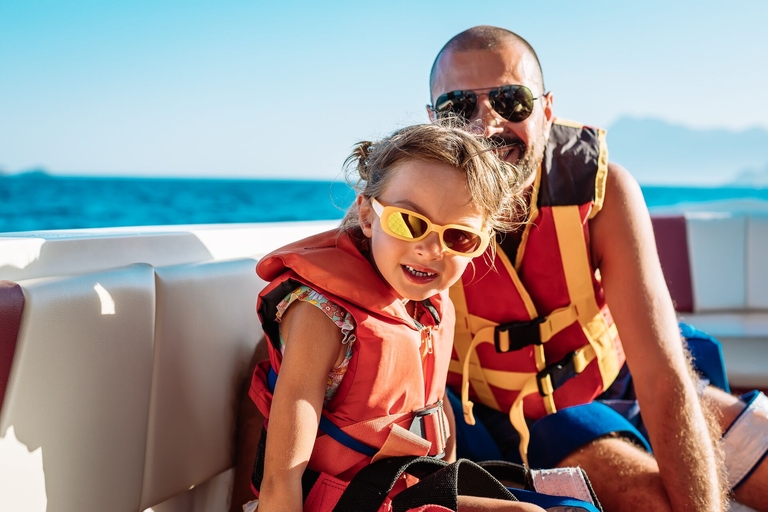
Operators under 12 may operate a motorboat only under the direct supervision of a competent adult onboard.
Who Needs a Vermont Boating License?
Do you need a boating license in Vermont?
Anyone born after January 1, 1974, who operates a motorized vessel or PWC on Vermont's public waters must carry a valid Vermont Boating Safety Education Certification Card. The card must be carried onboard and available for inspection at all times while operating.
Vermont's boating safety program is administered by the Vermont State Police Marine Unit. Visit the Vermont State Police Marine Unit page for course listings and program information.
For an overview of our Vermont boating laws and regulations resource, visit the Boat-Ed Vermont boating law page.
Vermont Boating Age Requirements by Vessel Type
Vermont's education requirement applies to all motorized vessels and PWCs for operators born after January 1, 1974. The table below breaks down who can operate what and under what conditions.
Requirements by Age and Vessel Type (Vermont Boating) | |||
| Operator Age | Vessel Type | Can Operate? | Conditions |
| Under 12 | Any motorized vessel or PWC | Supervised only | Must be under the direct supervision of a competent adult onboard |
| 12+ minimum age for the course | Any motorized vessel or PWC | Yes | Must hold a Vermont Boating Safety Education Certification Card if born after 1/1/1974 |
| Any age, born on/before 1/1/1974 | Any motorized vessel or PWC | No | No card required |
| Any age | Non-motorized vessel | Yes | No card required |
Exemptions from the Vermont Boating Education Requirement
Certain operators are exempt from the Vermont Boating Safety Education Certification Card requirement.
| Vermont Boating Education Exemptions | |
| Exemption | Details |
| Born on/before 1/1/1974 | Operators born on or before January 1, 1974, are not required to hold a card |
| Out-of-state visitors | Non-residents who hold a valid NASBLA-approved boating education certificate from their home state |
| USCG license holders | Operators who hold a valid U.S. Coast Guard vessel operator's license |
| Non-motorized vessels | Operators of paddleboards, kayaks, canoes, and other non-motorized watercraft |
How to Get Your Vermont Boating Safety Education Certification Card
Follow these steps to get your boating license in Vermont.
- Meet the minimum age requirement. You must be at least 12 years old to take the Vermont boating safety course and obtain a card. Operators under 12 may operate only under adult supervision.
- Complete an approved boating safety course. Enroll in a Vermont State Police–approved course, such as the Boat-Ed Vermont course. The course is available online and can be completed at your own pace on any device. Free in-person "Boat Vermont" classroom courses are also available statewide.
- Pass the final exam. You must pass the state-required exam to earn your Vermont Boating Safety Education Certification Card.
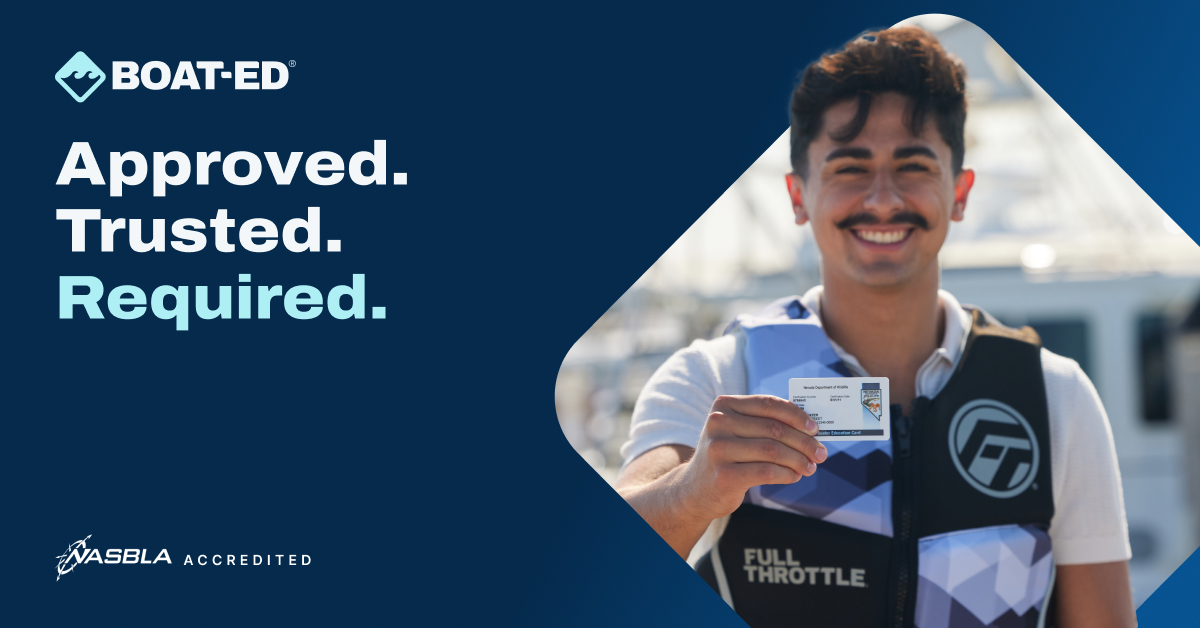
- Receive your card. After passing, you can print a temporary certificate to use on the water right away. Your permanent Vermont Boating Safety Education Certification Card will arrive by mail. For class listings and program details, visit the Vermont State Police Recreational Enforcement Unit page.
- Carry your card on the water. Vermont law requires you to have your card onboard and available for inspection at all times while operating a qualifying vessel.
Does Vermont Accept Out-of-State Boating Cards?
Yes. Vermont recognizes valid NASBLA-approved boating education certificates from other states and provinces, as well as Canadian Pleasure Craft Operator Cards (PCOC). If you hold a qualifying out-of-state certificate, you are not required to obtain a separate Vermont card.

Start Your Vermont Boater Safety Course Today
Getting your Vermont Boating Safety Education Certification Card is straightforward. The Boat-Ed Vermont course is approved by the Vermont State Police and is available entirely online on any device at your own pace.
After passing the final exam, you can print a temporary certificate and get on the water right away.
Frequently Asked Questions (FAQs)
Q: What is the minimum age to get a boating license in Vermont?
A: The minimum age to take the Vermont boating safety course and obtain a card is 12. Anyone born after January 1, 1974, must hold a valid Vermont Boating Safety Education Certification Card to operate a motorized vessel or PWC on Vermont's public waters.
Q: What is the minimum age to operate a boat in Vermont?
A: Vermont does not set a hard minimum age for motorboat operation. Operators under 12 may operate only under the direct supervision of a competent adult onboard. Anyone born after January 1, 1974, must hold a valid card to operate a motorized vessel.
Q: What is the minimum age to operate a Jet Ski in Vermont?
A: Vermont applies the same rules to PWCs as to motorboats. Anyone born after January 1, 1974, must hold a valid Vermont Boating Safety Education Certification Card to operate a PWC. Operators under 12 may only operate under adult supervision.
Q: Do I need a Vermont card if I was born on or before January 1, 1974?
A: No. Operators born on or before January 1, 1974, are not required to hold a Vermont Boating Safety Education Certification Card. Vermont's mandatory education requirement applies only to those born after that date.
Q: Do I need a Vermont card if I already have one from another state?
A: Vermont recognizes valid NASBLA-approved boating education certificates from other states and provinces, as well as Canadian PCOCs. If your certificate meets these requirements, you are not required to obtain a separate Vermont card.
Q: How much does the Vermont boating safety course cost?
A: The Boat-Ed Vermont course fee is $54.95. Free in-person "Boat Vermont" classroom courses are also available through the Vermont State Police. Course fees across approved online providers generally range from $30 to $80.
Q: Does the Vermont Boating Safety Education Certification Card expire?
A: No. The Vermont Boating Safety Education Certification Card is valid for life once issued. You do not need to renew it or retake the course.
Q: Is the Vermont Boating Safety Education Certification Card the same as a boating license?
A: Vermont does not issue a traditional boating license. The Boating Safety Education Certification Card serves the same purpose. It's proof that you have completed an approved boating safety course and are authorized to operate motorized vessels on Vermont's public waters.