What Are the Requirements for Boat Stern Lights?
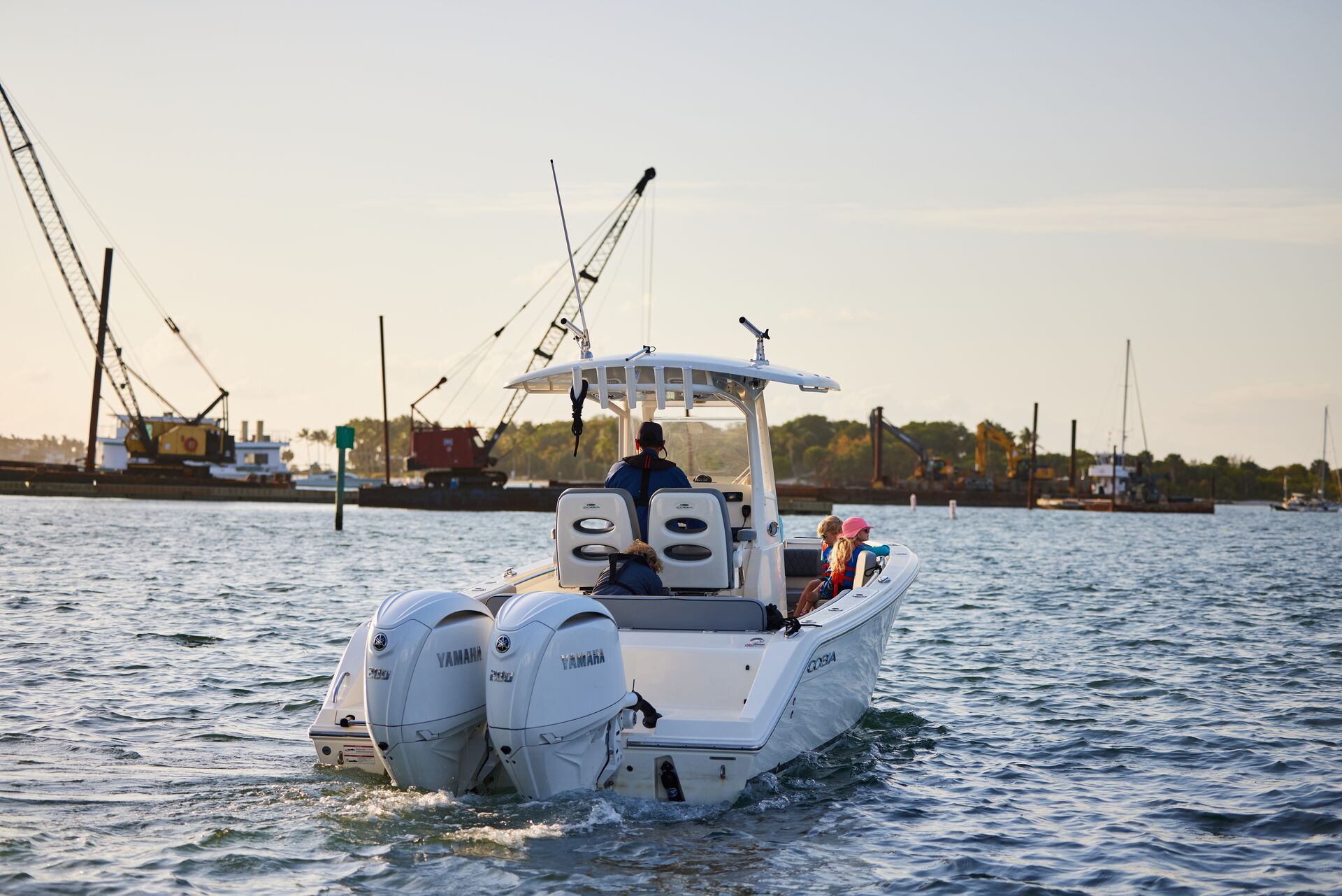
A boat stern light must be a white light positioned at the rear of the vessel to shine aft and 67.5 degrees forward on each side. The light must provide visibility from a distance of at least two nautical miles for most recreational boats under 39.4 feet (12 meters).
Having the proper type of lighting on your boat is vital for safety and a legal requirement. You'll need to adhere to the regulatory standards of the organization that controls boating laws in your area, such as the United States Coast Guard (USCG).
These standards are in place to keep the waterways as safe as possible, and proper boat stern lights are a part of that. When learning about boating safety tips and proper boat operation, lighting is one of the most valuable areas to consider. Here's what you need to know about ensuring your boat stern lights meet requirements and will help keep you safe.
Updated September 8, 2026
Quick Reference: Boat Stern Lights | ||
| Category | Requirement | Detail |
| Light Color | White | Stern lights must be white so other boaters can distinguish them from red and green sidelights. |
| Placement | Mounted at the stern | Lights must be properly angled and set a specific distance from the waterline for maximum visibility. |
| Visibility Distance (Recreational Vessels) | About 2 miles | Most recreational boats must meet a minimum visibility distance of roughly two nautical miles. |
| Visibility Distance (Larger Vessels) | Up to 5 miles or more | Larger ships have stricter visibility requirements than typical recreational boats. |
| When Required | Sunset to sunrise, or low visibility | Fog, rain, snow, mist, and other reduced-visibility conditions also require stern lights to be on and functioning. |
| Common Light Types | LED, solar-powered, incandescent | Each type has different tradeoffs in durability, energy efficiency, and maintenance. |
How to Make Sure Your Boat Has the Right Stern Lights
Checking your stern lights doesn't take long, but skipping this step can put you at risk on the water. Follow these steps to confirm your boat's lighting setup meets requirements before you head out.
- Confirm your boat's size class. Visibility requirements differ for recreational boats versus larger vessels, so knowing where your boat falls determines which standards apply to you. Use the chart above as a quick reference guide.
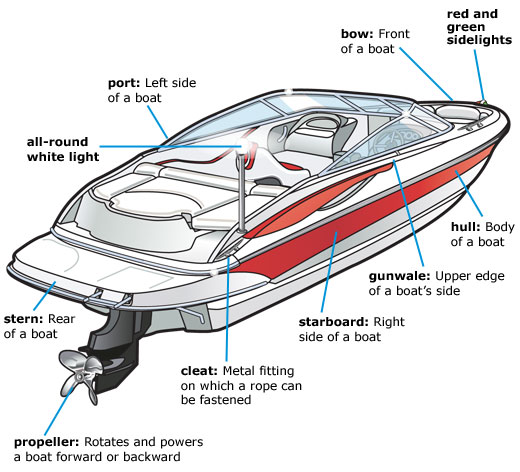
- Check your light colors. Sidelights should be red and green, and your stern light should be white. Mixing these up or using the wrong color fixture is a common compliance mistake.
- Test visibility at night. Have someone view your stern light from a distance on the water to confirm it's bright enough and not obstructed by gear, canvas, or passengers.
- Verify placement and angle. Your stern light should sit at the correct height and angle at the back of the boat so it's visible from the required range in all directions it needs to cover.
- Review your full safety equipment checklist. Stern lights are just one item on a longer list of required gear, so it helps to work through a complete boat safety equipment checklist before every trip, especially before nighttime outings.
Once you've worked through these steps, you can head out with confidence that other boaters will see you clearly after dark. Make this check part of your regular routine, not just a one-time task before a single trip.
Visibility Requirements
Stern lights are essential during low-light conditions or at night. The visibility requirements for these lights are outlined in maritime regulations to prevent collisions and should always be followed.
The minimum distance at which stern lights should be visible varies depending on the size of the vessel. The requirement for smaller boats, such as recreational vessels, is generally around two miles, whereas larger ships might require visibility of up to five miles or more.
Additionally, weather conditions play a significant role in visibility. Fog, rain, snow, or mist can reduce visibility on the water, making it harder for boat stern lights to be seen from a distance.
Ambient light, such as moonlight or city lights on the shore, can affect the visibility of stern lights. In areas with high ambient light, the stern lights might not appear as bright from a distance compared to areas with low ambient light.
Obstructions on the water, such as waves, buoys, or other vessels, can also block visibility. Boaters should maintain a clear line of sight to ensure they can see and be seen by other vessels. Additionally, keeping stern lights unobstructed by equipment or cargo on the boat is essential for maximum visibility.
Color and Placement
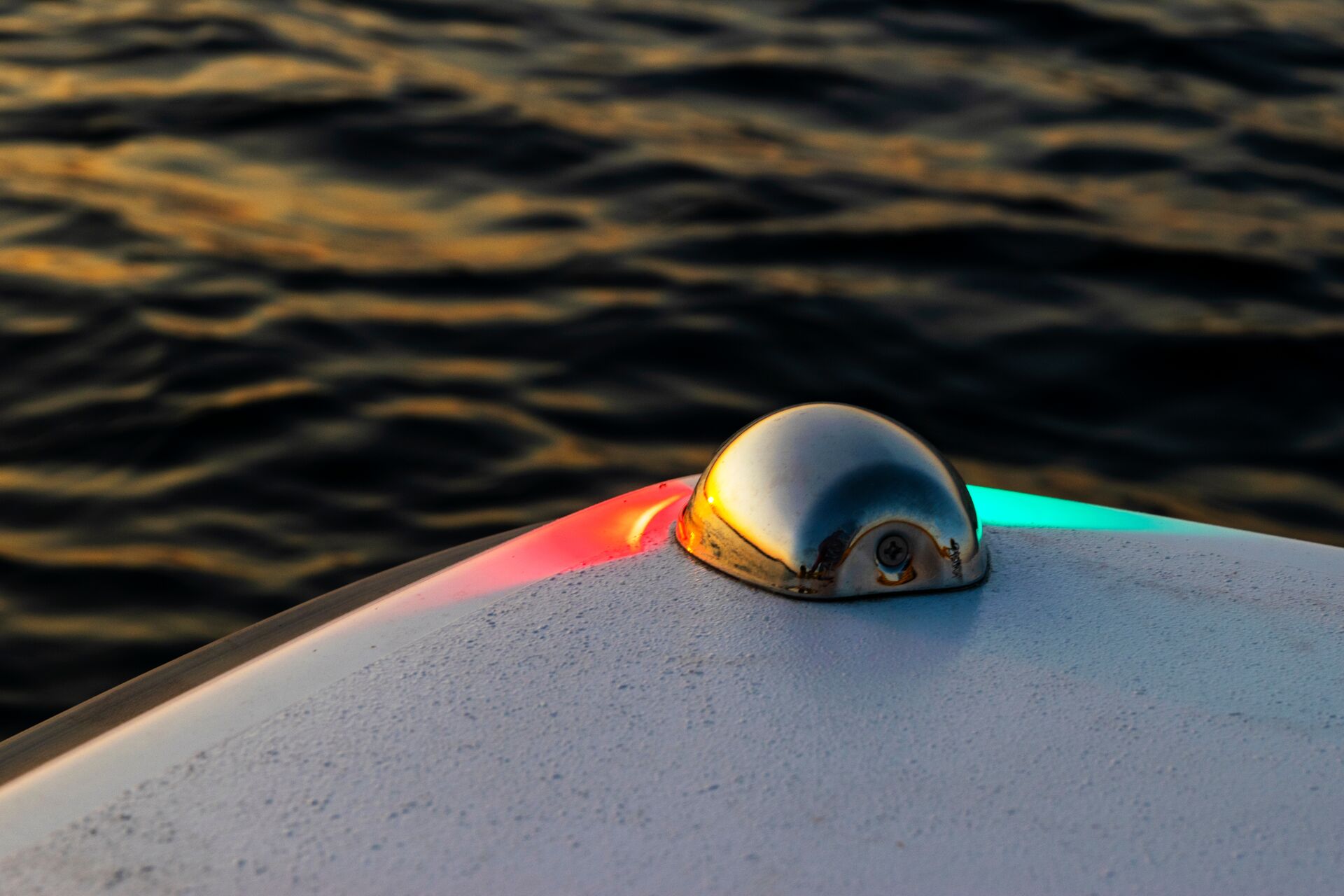
Stern lights are generally white and placed at the stern of the boat to help other boaters determine its location. Seeing stern lights while boating at night can help you avoid a collision with another boat, whether it's anchored or simply navigating nearby.
Additionally, stern lights must be adequately angled and set a certain distance from the water line. This increases the chances of other boaters seeing them because the consistency in requirements means every boater is trained on what to look for.
Whether you're anchored and learning to fish or you're navigating a new waterway, you want to be sure other boats in the area can see you clearly.
Types of Stern Lights
In the past, stern lights were all the traditional incandescent type. Now, though, there are other options.
- Both LED and solar-powered lights can be used, but they aren't the right choice for every situation. Durability, energy efficiency, and maintenance all matter.
- Solar-powered stern lights are efficient but not exceptionally durable and can fail unexpectedly.
- Incandescent lights are more durable but not energy efficient. However, maintenance for incandescent lights is generally easy because changing the bulb is usually all that's required.
Many boaters choose LED lights because they're durable and energy-efficient. However, maintenance can be more complicated because not all LED stern lights are easy to change bulbs in, so it's important to understand how to maintain or replace them before buying.

Check Your Lights for Compliance
Regularly checking your boat's stern lights is extremely important for staying in compliance with regulations. This includes ensuring that the lights are working, visible, and fully functional so you can be confident that other boaters can see you.
Compliance isn't just about following the rules. It's also about safety.
Maintenance Tips for Boat Stern Lights
Regularly maintaining boat stern lights is crucial to keeping them operational and visible.
When you maintain them, focus on cleaning the lights to remove dirt or debris, checking for damage or malfunctions, and replacing bulbs or batteries as needed. A well-maintained stern light is much more likely to meet visibility requirements and enhance safety on the water.
It's also a good idea to know how to change the bulb in your stern light if it uses one or how to replace it if it's a sealed unit. Not only will that help protect you because you can get a non-functioning light working again, but it's good to continue to learn about your boat's systems and how to maintain them properly.
What About Backup Lighting?
Another critical point for keeping your boat safe and in compliance is having backup lighting systems, such as handheld or emergency stern lights, in case the primary lights fail.
If your stern light stops working unexpectedly, you could be at risk of a collision with another boat if you don't have backup options. Protect yourself with additional lighting and check it periodically to ensure it works.
Learn More About Lights and Safety With Boater Education
We hope this information about boat stern lights has been helpful! However, there's much more to learn than what we can cover in this blog.
Before you head out on the water, take the time to get safety certified through Boat-Ed. You'll learn all the essential ways to stay safe while enjoying your boating adventures and the requirements you'll need to meet to operate your boat safely. With this knowledge and the required certification, you can confidently explore your local waterways.
Our courses are 100% online and state-approved to meet boating education and licensing requirements in the U.S. So, find the course for your state and start learning with our free online study guides. Then, enjoy a safe boating season.

Content most recently reviewed and updated September 8, 2026.
Frequently Asked Questions (FAQs)
Q: What are the rules for boat lights at night?
A: All recreational boats must display navigation lights from sunset to sunrise and during periods of reduced visibility, such as fog or heavy rain. The required lights vary by boat length and type, but they generally include red and green sidelights, a white stern light, and sometimes a white masthead light. These lights follow specific colors, angles, and visibility distances set by federal navigation rules so other boaters can judge your vessel's position and direction.
Q: Are stern lights required?
A: Yes, a white stern light is required on power-driven vessels operating between sunset and sunrise. It must shine aft through a 135-degree arc and be visible for at least 2 nautical miles. On boats under 39.4 feet, this stern light function can be combined with the masthead light into a single all-round white light instead of using separate fixtures.
Q: Is it necessary to have a stern light boat under 40 ft?
A: Yes, boats under 40 feet (39.4 feet) still need a functioning stern light or its all-round white light equivalent. Powerboats in this size range can combine the masthead and stern functions into one all-round white light rather than installing them separately. Sailboats under 40 feet follow slightly different options and can use a tri-color masthead light instead of separate sidelights and a stern light.
Q: What is the difference between an anchor light and a stern light?
A: A stern light is used while a vessel is underway and shines aft through a 135-degree arc, working alongside sidelights so other vessels can tell your direction of travel. An anchor light is a 360-degree all-round white light used only when the boat is stopped and anchored, signaling that the vessel isn't moving. Many small boats use the same all-round white fixture for both purposes, just with different rules depending on whether the boat is underway or at anchor.
Q: What size boat needs a stern light?
A: Any recreational powerboat operating after dark needs a stern light, regardless of size, though the exact light configuration depends on length. Boats under 39.4 feet can combine the stern and masthead functions into a single all-round white light. Larger boats, between 39.4 and 65.7 feet, generally need separate stern, masthead, and sidelight fixtures with greater visibility ranges.
Q: Where should stern lights be placed?
A: A stern light should be mounted at or near the back of the boat, high enough to avoid being blocked by gear, passengers, or a Bimini top. It needs a clear, unobstructed 135-degree arc shining aft and to each side. Proper height and placement matter because an obstructed stern light won't meet visibility requirements even if the fixture itself is compliant.
Q: What are the best boat lights for night fishing?
A: The most important lights for night fishing are USCG-compliant navigation lights, including sidelights, a stern light, and an all-round white anchor light for when you're stopped and fishing in one spot. LED fixtures are a popular choice because they draw less battery power during long nights on the water. Separate deck or fishing lights can help with visibility on board, but they don't replace the required navigation lights and shouldn't be mistaken for them.