Upstream vs Downstream: What to Know About River Hazards
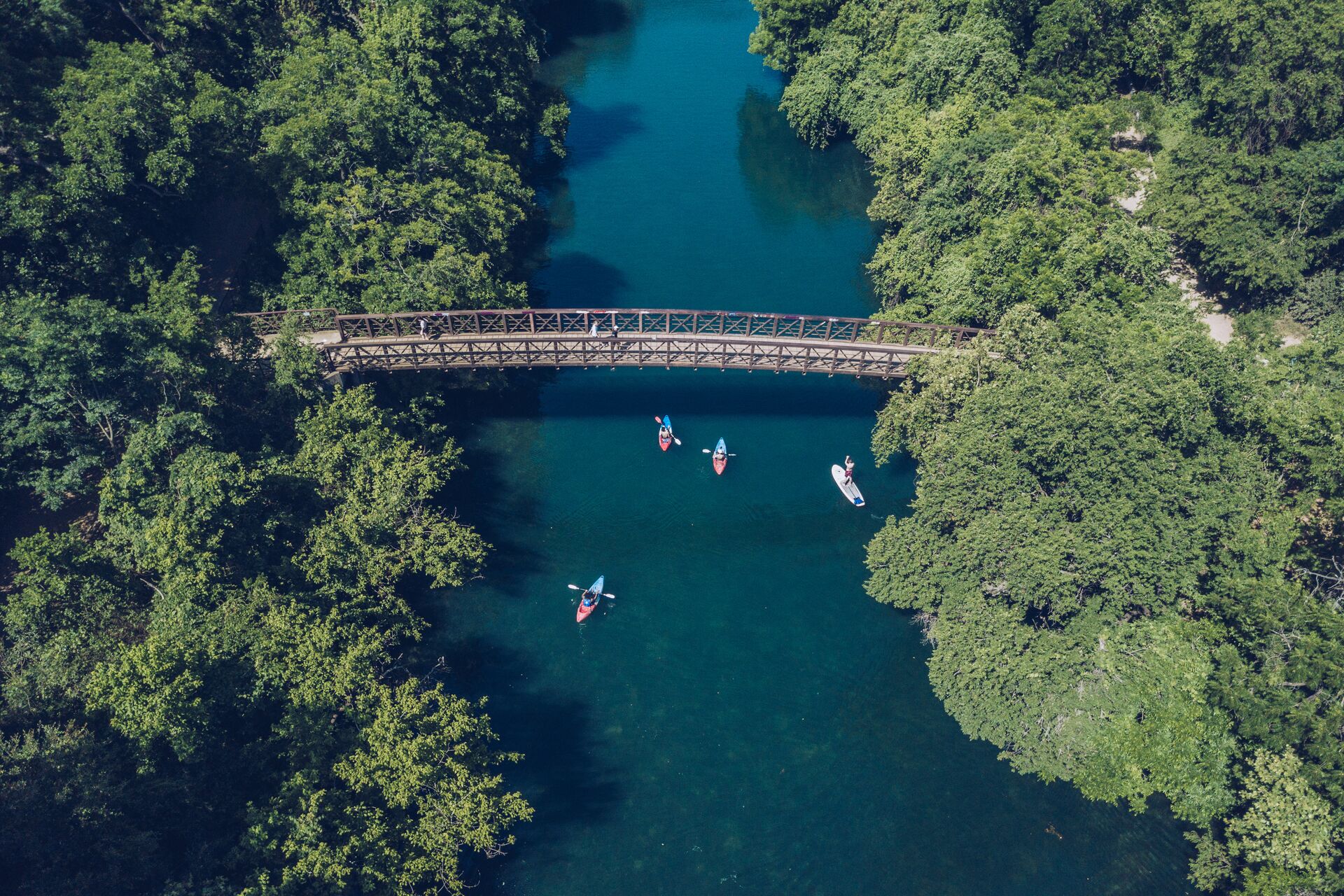
If you're worried about river hazards, boating upstream or downstream can be stressful. Fortunately, there are some easy ways to protect yourself and others.
Learning about upstream vs downstream dangers can make your time on the water much more enjoyable and keep you and your vessel safe.
With some knowledge of the area, an understanding of how to avoid hazards in the river, and proper boat safety equipment, you'll be ready to take your boat out in no time. Whether you're fishing, kayaking, or just cruising, here's what to consider when you're preparing for a day out on a local river.
What Hazards Are Found in Rivers?
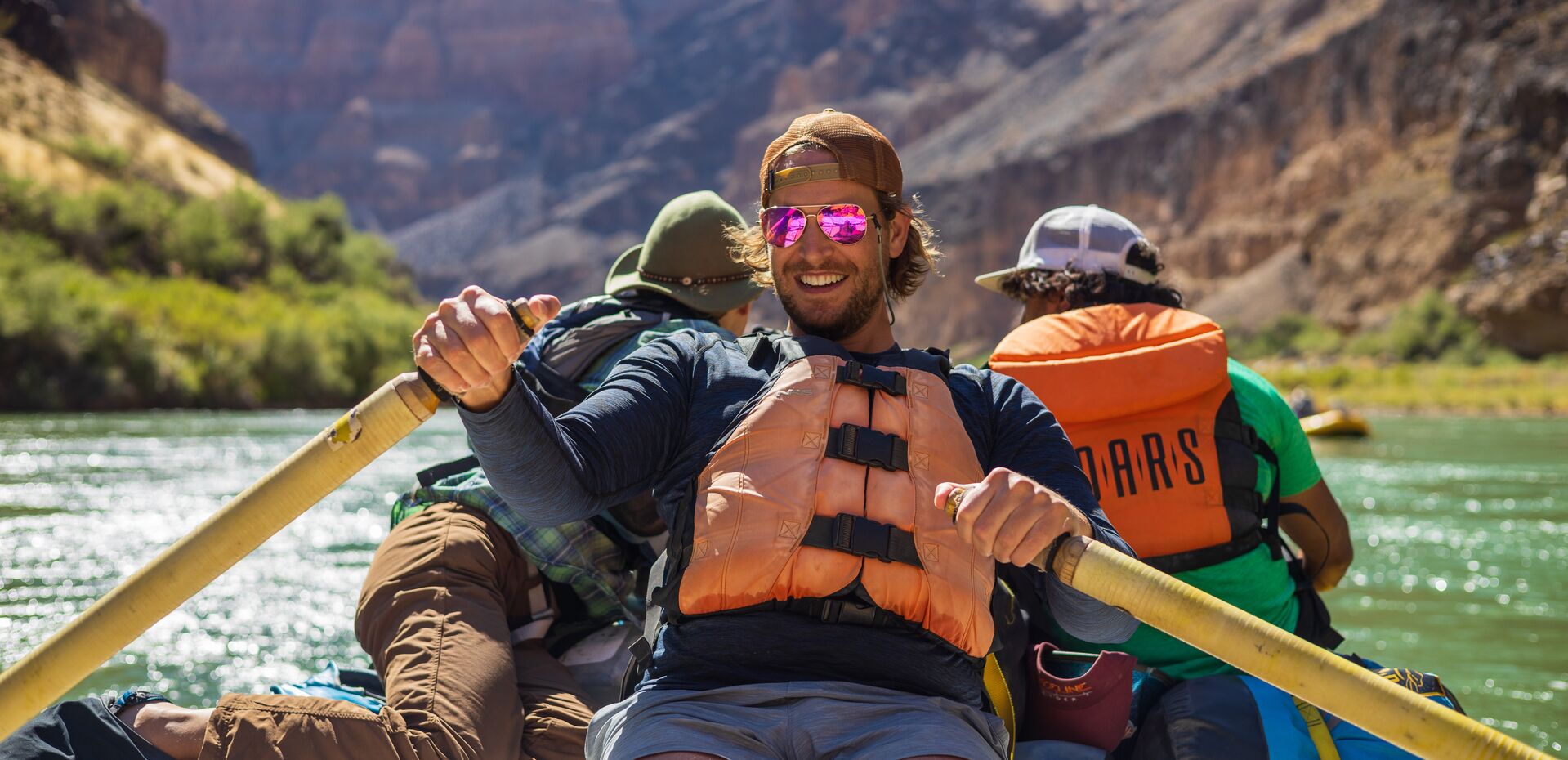
Boating on a river isn't the same as boating on a lake or the ocean. Each of these bodies of water offers different conditions, and the more you know about the river you're boating on, the safer you'll be.
The most common river hazards include:
- Intense and unpredictable currents
- Hidden obstacles, such as rocks, logs, and debris
- Changing water levels from dams, rainfall, and snowmelt
- Fallen trees or branches that can trap boats and people
- Low-head dams, often called "drowning machines," that create dangerous areas of recirculating water
- Narrow channels with limited maneuvering space
That can seem like a lot of challenges, but not every river has these hazards. If you're aware of these potential issues, you can watch for them and reduce your chances of an accident or injury.
How Is Boating in a River Different From a Lake or the Ocean?
Lakes are typically still, and oceans have tides and waves. In contrast, rivers flow in one direction, and the constant current created by this flow can affect your ability to steer and stop, as well as your vessel's speed.
Rivers also include more frequent hidden obstacles such as logs, rocks, and sandbars. You might not expect them or easily see them, and you might find it difficult to maneuver around them within narrow river channels.
Hazards can also change rapidly with rain or dam releases.


What Does It Mean to Boat Upstream vs Downstream?
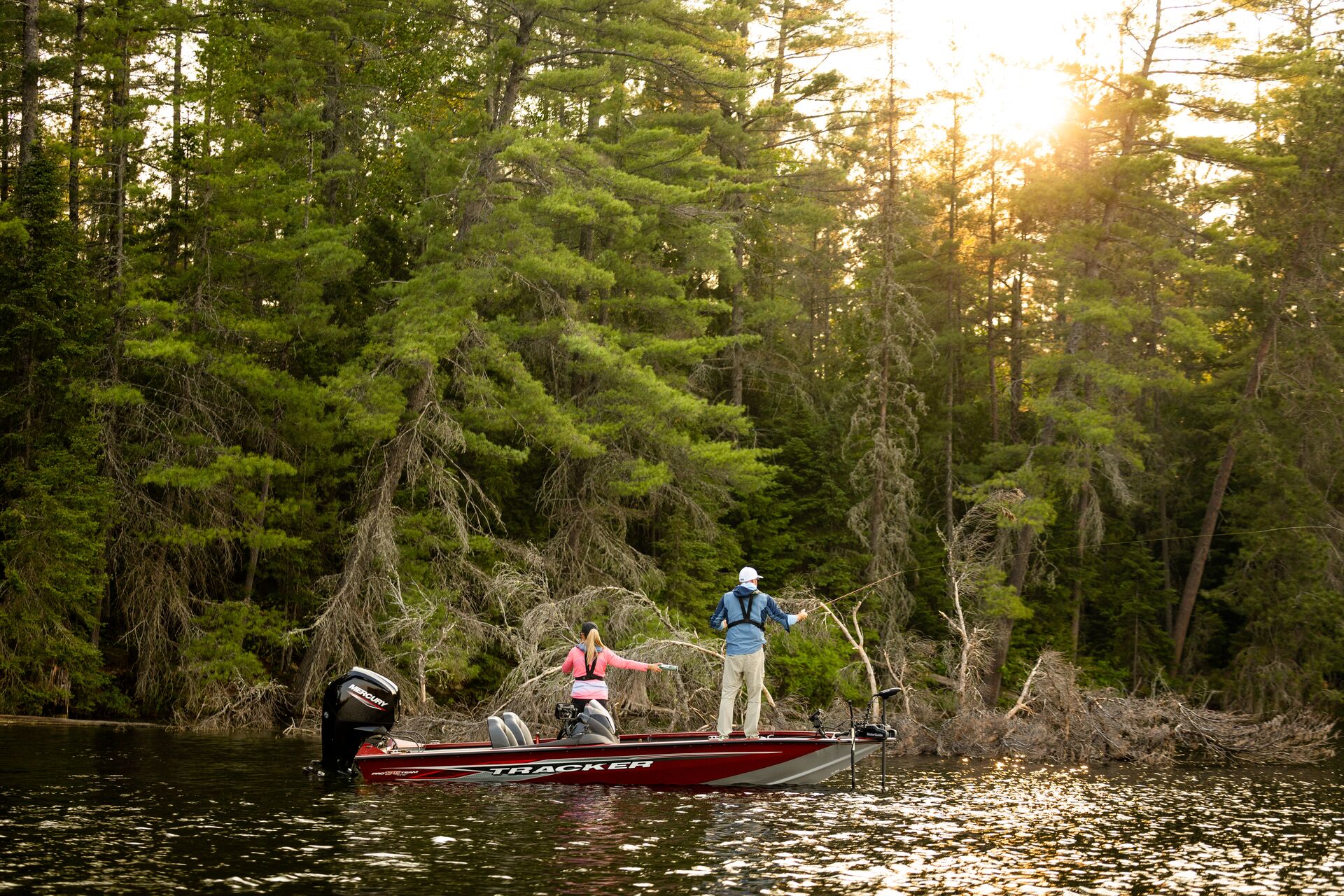
Boating upstream means you're traveling against the current. When you boat upstream, you move more slowly, and this kind of travel requires more power and steering control.
When you travel downstream, you move with the current. That means you can travel faster, but you'll also have less control and need more awareness of any hazards that might be ahead of you.
If you pay close attention to upstream vs downstream dangers, you can be better prepared to avoid them.
Common River Hazards Boating Upstream
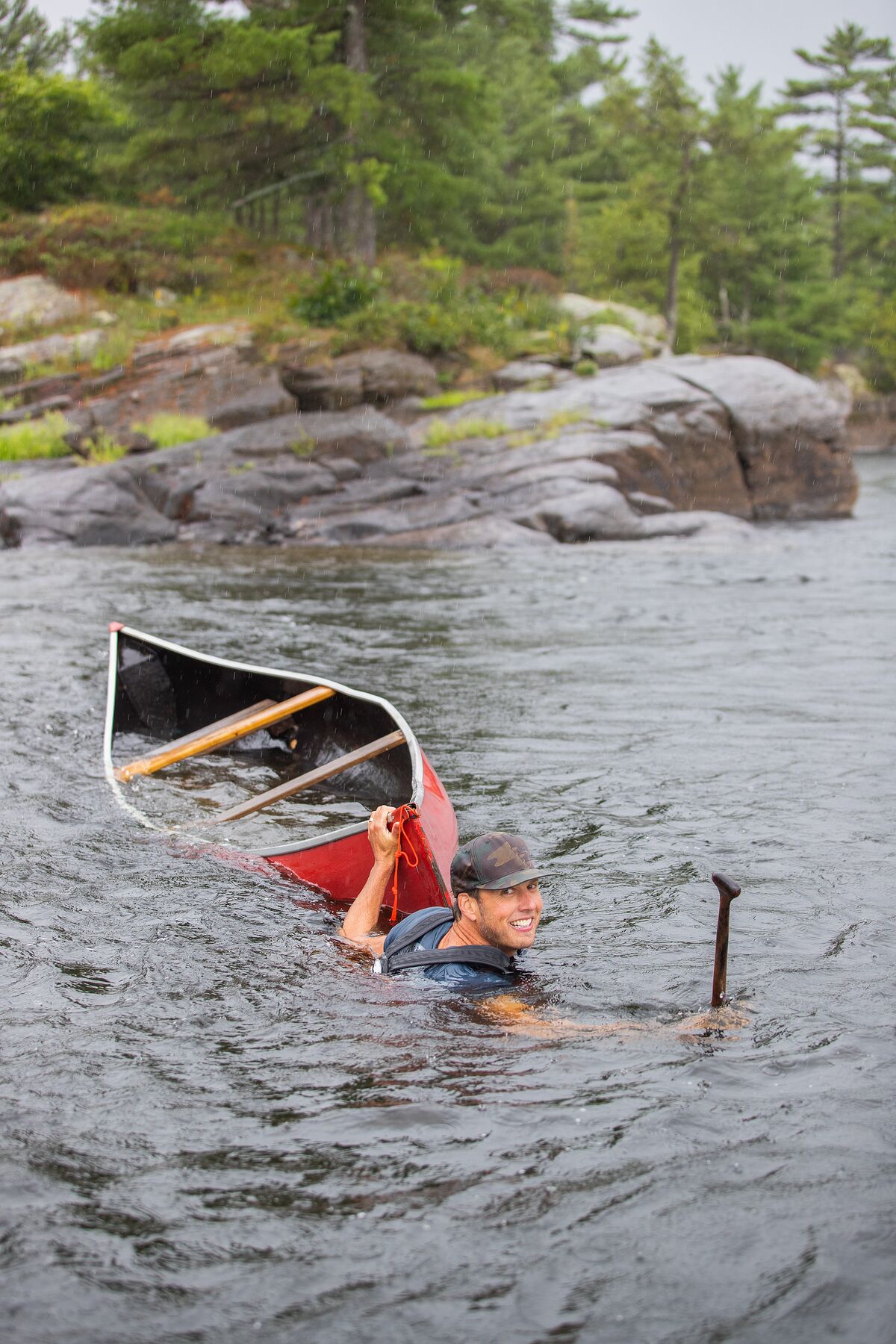
Be sure to consider the increased strain on your engine or on yourself when paddling upstream. Unexpected obstacles such as rocks or bridge pylons could push your boat sideways. These hazards could put paddlers at risk of capsizing kayaks or canoes.
Dangers When Boating Downstream
Downstream boating may sound easier, but it comes with its own set of risks.
For example, your speed will increase when boating downstream, so you'll have less time to react to obstacles. Rapids or turbulence could also swamp your boat.
Floating debris, such as logs or trash, moves quickly with the current and could come into contact with your vessel. You'll also have a higher risk of being pulled into dams or strainers (such as branches or trees) downstream.

What Should You Do if Caught in a Strong Current?
Understanding boating currents safety is a critical part of enjoying your day on the water. If you're caught in a strong current, consider taking the following steps to protect yourself.
- Stay calm and avoid panicking.
- Point the bow (front) of the boat into the current for better control.
- Paddle or steer at an angle toward shore, rather than fighting against the current.
- If you end up in the water, float on your back with your feet downstream to protect yourself from obstacles, then work your way toward the shore.
- Never try to stand in fast-moving water, as there's a significant risk of foot entrapment.
Though it's not always possible to avoid river hazards, boating on rivers is much easier when you have proper knowledge, information, and equipment.
Safety Tips for River Boating
One of the best ways to reduce the risk of common river hazards is to take a boater safety course (like the courses we offer here at Boat-Ed). You'll learn everything you need to know about navigating the waters safely and what to do if something goes wrong.
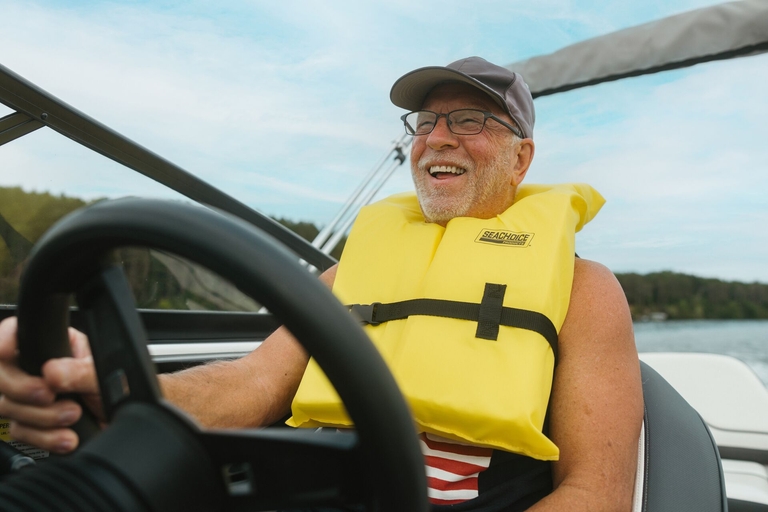
To increase your safety, always wear a properly fitted life jacket, and check the weather and water conditions before launching.
Another way to protect yourself and others is to avoid alcohol and drugs while boating, and to take time to scout unfamiliar rivers for hazards before heading out. Travel on rivers with others whenever possible—never boat alone.
While boating, stay alert for dams, rapids, and debris, and choose the right type of boat for the river, such as a canoe, kayak, raft, or jet boat. Bring safety gear—such as a whistle, a throw rope, and a first-aid kit—to protect yourself on your adventures.
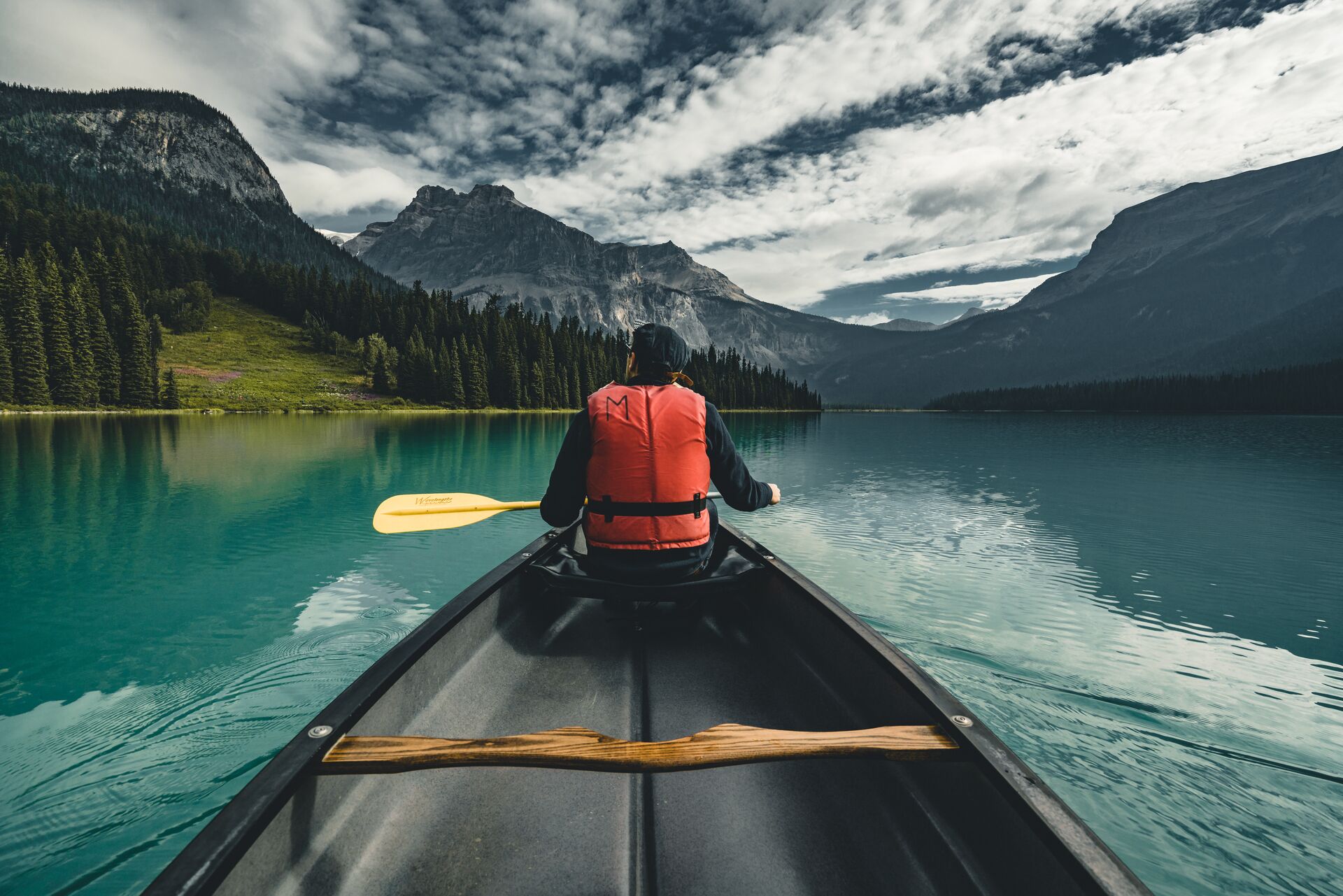
Boat Safely Up or Down the River with Boater Education
If you're ready to head out on the water (whether on a river, lake, or the ocean), make sure you take time for a boat education course. Boating education helps you stay safer on the water while also protecting others!
Through an online boater education course like the ones we offer here at Boat-Ed, you'll learn safety essentials, including how to choose the right life jacket, navigation rules, and what to do if someone goes overboard. Plus, you'll meet the boater education requirements for your state or Canada!
Boat-Ed makes it easy to operate motorized boats safely and legally in the U.S. and Canada!
Frequently Asked Questions (FAQs)
We have answers to common questions about common river hazards!
Q: What hazards are found in rivers?
A: Hazards in rivers include strong currents, rocks, submerged objects, strainers (downed trees), low-head dams, cold water, and sudden depth changes.
Q: What does it mean to boat upstream vs downstream?
A: Boating upstream means paddling against the current (harder, slower). Downstream means going with the current (faster, less control).
Q: What should you do if caught in a strong current?
A: If you get caught in a strong current while boating, stay calm. Keep the boat pointed downstream, paddle at an angle toward shore, and avoid fighting the current head-on.
Q: What are the three river hazards that paddlers should avoid?
A: Three river hazards paddlers should avoid include strainers (trees/brush), low-head dams, and undercut rocks.
Q: What is likely to create a boating hazard around river bridges?
A: River hazards around bridges include bridge pilings that create strong eddies, turbulence, debris buildup, and fast-moving water.