Best Online Boating Safety Course 2026: Compared and Reviewed

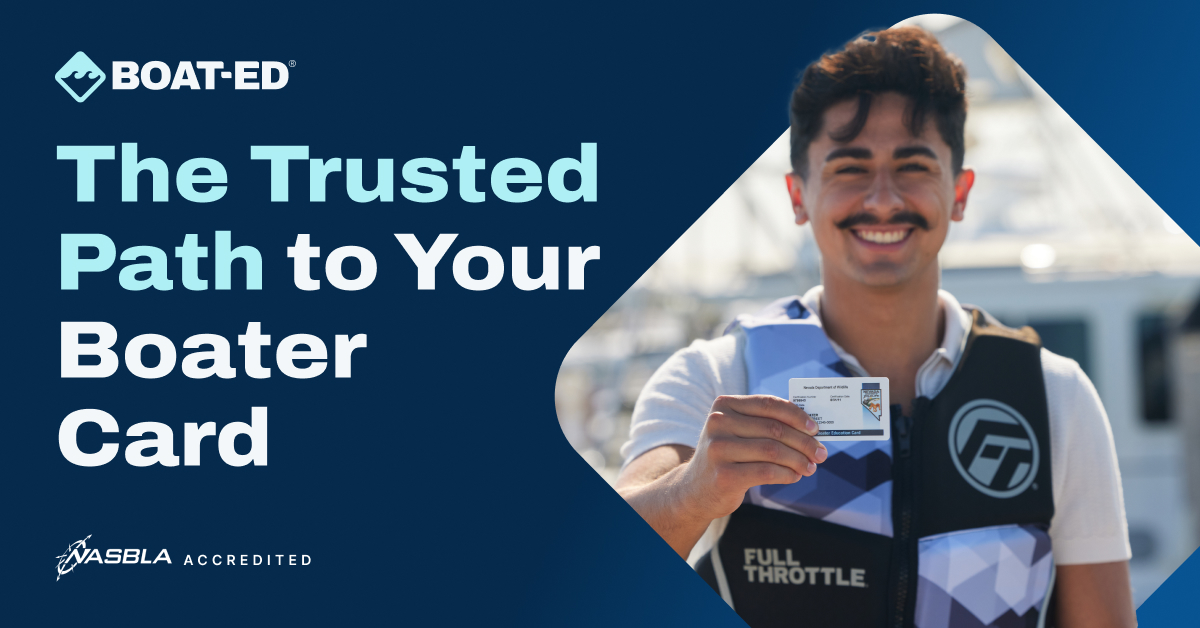
The best online boating safety course depends on your state's requirements. For example, Boat-Ed is the official state agency-approved course provider, developed directly with state boating agencies, in all 50 states and Washington, D.C. However, BoatUS Foundation also offers a free NASBLA-approved course that's officially accepted in 37 states.
No matter which course you select, always confirm your chosen course is approved in your state before you enroll.
Which course is right for you? Keep reading for a course comparison to help you decide.
 |  |
What is the Best Boating Safety Course Online?
Choosing the best boating safety course online isn't as simple as picking whichever one shows up first in a search. Providers differ in cost, course length, and (most importantly) whether their certificate actually satisfies your state's legal requirement.
The legitimacy and format of a course should also factor into your decision-making process. For example:
- Some courses are built directly with state agencies.
- Others are national platforms approved for use across many states.
- A few blend online study with in-person or live-instructor formats.
To help you with some of the most crucial information, this guide compares five providers boaters commonly research: Boat-Ed, BoatUS Foundation, Aceboater, Recademics, and Safe Boating America.
We looked at why NASBLA approval matters for each one, along with cost, course length, device compatibility, state agency relationships, and customer support. Whether you're new to boating or brushing up before the season, here are a few key things to know about each course.

How We Compared These Courses
We evaluated every provider below on the same six criteria. They are:
- State approval: Is the course officially recognized by your state boating agency, or only by NASBLA generally?
- Cost: What's the typical price, and how much does it vary by state?
- Length: How long does the course take to complete?
- Mobile/desktop access: Can you take the course on any device?
- State agency partnership: Was the course built with a state agency, or independently developed and then approved?
- Customer support: What happens if you have a question or get stuck?
With these six criteria in mind, let's take a look at some of the most well-known boating safety courses!
Boat-Ed
Boat-Ed develops its courses in direct partnership with state boating agencies, and its certificate is the official course in all 50 states and Washington, D.C. Additionally, the course is NASBLA-approved.
Courses typically run three to six hours online and are self-paced, with an interactive Boat-Ed+ option available in select states. Pricing ranges from about $30 to $60 depending on the state, with Boat-Ed+ (the virtual, interactive version of the course) priced at $79.95 where offered.
Boat-Ed courses work on desktop and mobile, and support includes phone and email assistance.
BoatUS Foundation
The BoatUS Foundation for Boating Safety and Clean Water offers a free, NASBLA-approved course. However, an optional $20 donation can be added at checkout.
The course is officially accepted as meeting the state education requirement in 37 states. In the remaining states, it's available to take but doesn't fulfill the legal requirement.
The course typically takes two to four hours and includes a 60-question final exam. This course runs on desktop and mobile, and support is available through the BoatUS Foundation's help center and phone line.
Aceboater
Aceboater sells a flat-rate $39.95 course that's NASBLA-approved and sold on a state-by-state basis. Students must spend a minimum of three hours on the course material before taking the exam, and the site advertises multi-platform access for desktop and mobile.
Support includes phone, email, and chat. Unlike Boat-Ed, Aceboater's course isn't developed in direct partnership with individual state agencies.
Recademics
Recademics prices its course by state, typically between $29.99 and $39.99, and backs it with a pass guarantee: retake the course and exam for free, or get a refund if you don't pass.
It's NASBLA-approved and, in several states (including Texas, Nevada, and North Carolina), Recademics holds official delegated provider status with the state agency. Course length runs three to six hours online, and the platform works on desktop and mobile.
Safe Boating America
Safe Boating America operates differently from the other four providers. Its core business is in-person and live Zoom classes in New York and Connecticut, typically run as a single full day or two evening sessions.
For boaters in other states, the company links out to separate, state-specific study guide and exam sites where the study material is free and you pay only after passing.
Because of this hybrid structure, state approval and format vary more than with the other providers here, so it's worth confirming your state's requirements directly before enrolling. Support for New York and Connecticut classes comes through local phone lines and live instructors.
Which Courses Offer Transport Canada-Approved Options?
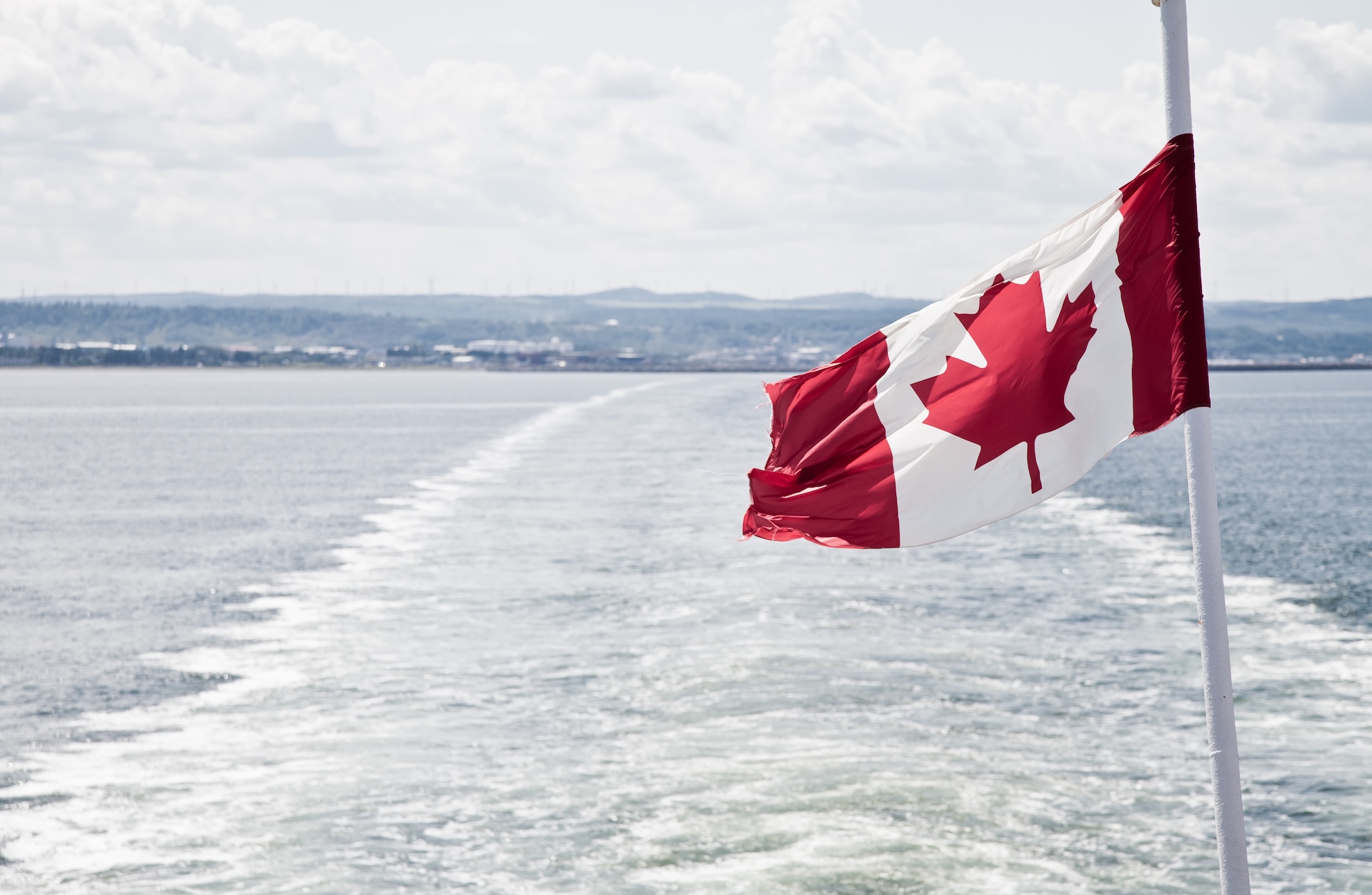
Canadian boaters need a Pleasure Craft Operator Card (PCOC), issued only by Transport Canada–accredited providers.

That's a separate accreditation from NASBLA approval or any U.S. state's boating license requirement, so it's worth checking specifically if you boat in Canada.
Of the five providers in this comparison, two currently hold Transport Canada accreditation.
- Boat-Ed is certified by Transport Canada in addition to its NASBLA approval and U.S. state agency partnerships, making it an option for boaters who spend time on both American and Canadian waterways.
- Aceboater also holds full Transport Canada accreditation, with a Canada-specific course priced at $59.95 plus tax that includes the final exam and card.
BoatUS Foundation, Recademics, and Safe Boating America are U.S.-focused and don't currently offer a Transport Canada-accredited course. If a PCOC is what you need, confirm Transport Canada accreditation directly on the provider's site before enrolling.
Side-by-Side Course Comparison
Below, you'll find some of the most critical information about each course for a quick overview.
Boater Safety Courses: Side-by-Side Comparison | |||||
| Feature | Boat-Ed | BoatUS Foundation | Aceboater | Recademics | Safe Boating America |
| State Approval | Official provider, all 50 states + D.C. | Free course, officially accepted in 37 states | NASBLA-approved, sold state-by-state | NASBLA-approved; delegated provider in select states | Varies by state; NY/CT in-person, other states via linked exam sites |
| Cost | Approximately $30–$60 (depending on the state) (Boat-Ed+ $79.95) | Free (optional $20 donation) | $39.95 flat | $29.99–$39.99 | Free study guide/exam in most states; paid NY/CT classes |
| Length | 3–6 hours, self-paced | 2–4 hours | 3+ hours minimum | 3–6 hours | Varies; NY/CT classes run 1 day or 2 evenings |
| Mobile or Desktop | Both | Both | Both | Both | Exam site: both; NY/CT classes: in-person or Zoom |
| State Agency Partnership | Developed directly with state agencies, NASBLA-approved | NASBLA-approved; not agency co-developed | NASBLA/state-approved; not agency co-developed | Official delegated provider in some states | Not agency co-developed |
| Customer support | Phone and email | Foundation help center and phone | 24/7 phone, email, chat | Help center, pass guarantee | Local phone lines, live instructors |
| Transport Canada Approval | Yes | No | Yes | No | No |
Which Course Should You Choose?
If your state requires a specific approved course, start by confirming what your state's boating license actually costs and which providers it accepts.
- Free options like BoatUS Foundation are a solid choice where they're officially accepted.
- Flat-rate providers like Aceboater and Recademics work well if you want predictable pricing.
- Safe Boating America suits boaters in New York or Connecticut who prefer live instruction.
For most boaters, though, the deciding factor is simple: does the certificate satisfy your state's legal requirement? Because Boat-Ed builds its courses directly with state boating agencies in all 50 states and Washington, D.C., it's the course most likely to be the exact one your state points to.
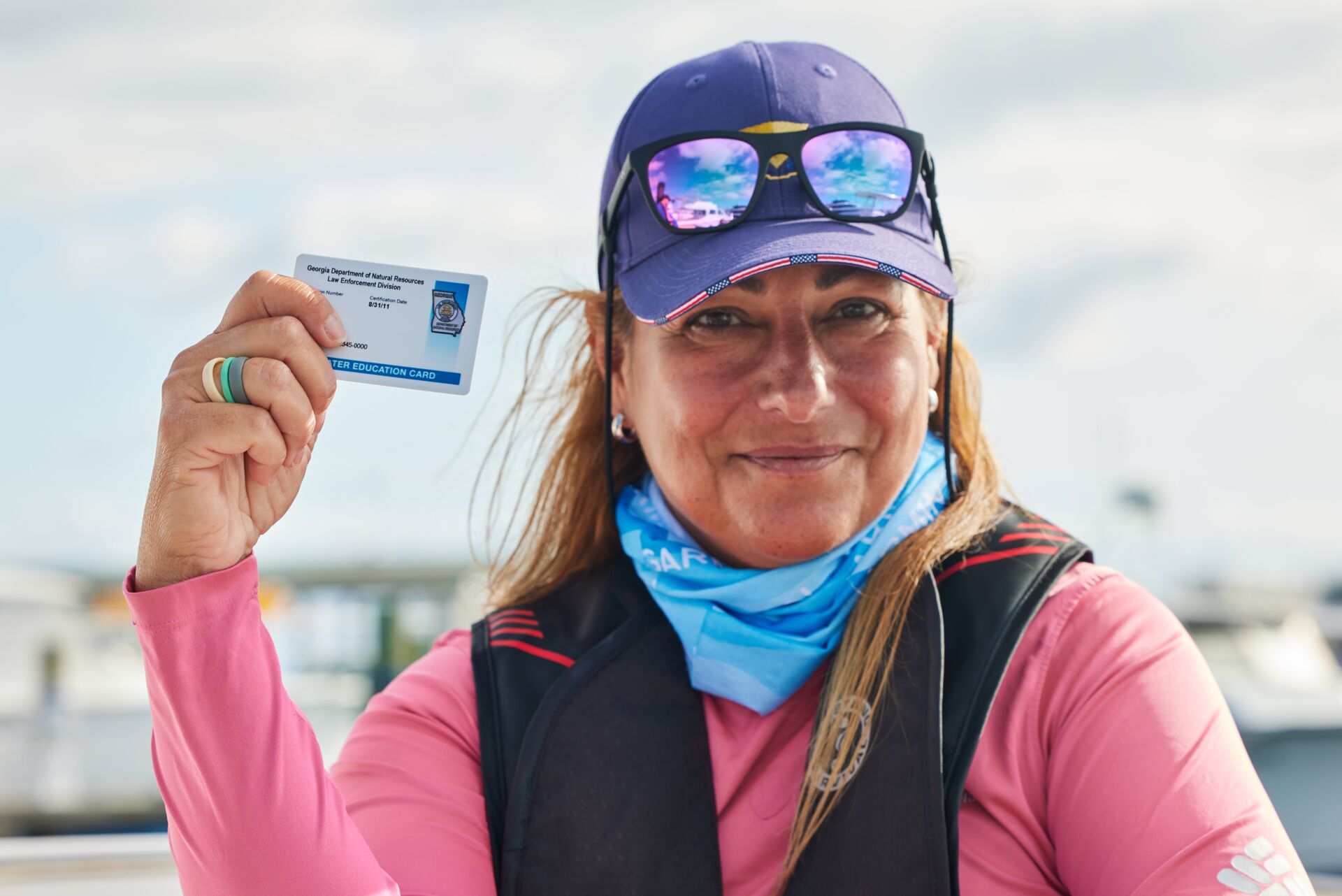
Since an approved certificate never expires once you earn it, getting the right course the first time matters.
Pick Your Boating Safety Course, Pass the Exam, Then Get on the Water
Comparing boating safety courses comes down to matching a provider's approval, cost, and format to your state's specific requirements. Whichever course you choose, complete an approved boating safety course before you head out on the water this season.
If you're ready to get started right away, find the Boat-Ed course for your state and launch it.
Frequently Asked Questions (FAQs)
Q: What makes a boating safety course "best?"
A: The best boating safety course is one that's officially approved for your specific state, since not every course fulfills every state's requirements. Beyond approval, cost, course length, and support matter, but state acceptance comes first.
Q: Which course does my state officially recognize?
A: Each state boating agency maintains its own list of approved providers, and acceptance varies by course and by state. Check your state agency's website or the provider's page before enrolling to confirm your course fulfills your state's requirement.
Q: Are paid courses better than free?
A: Not necessarily. A free course can be just as valid as a paid one if it's officially approved in your state, and the real differences usually come down to course depth, format, and support rather than price.
Q: How long does each course take?
A: Most online boating safety courses take two to six hours to complete, depending on the provider and your state's minimum requirement. Courses are self-paced, so you can stop and resume as needed.
Q: Do all courses have the same final exam?
A: No. Exam length, passing scores, and retake policies vary by provider and by state. Most require around 60 multiple-choice questions and a passing score between 75% and 80%, but always check your specific course.
Q: Which course works best on mobile?
A: Most major online providers, including Boat-Ed, design their courses to work on both desktop and mobile devices. Confirm mobile compatibility on your state's specific course page before you start.
Q: What about in-person courses?
A: Some states and providers still offer in-person or classroom-based courses, which typically take longer (often a full day or more) than online options. In-person courses can be a good fit for hands-on learners or where state law requires them.