What Does Capsize Mean in Boating?
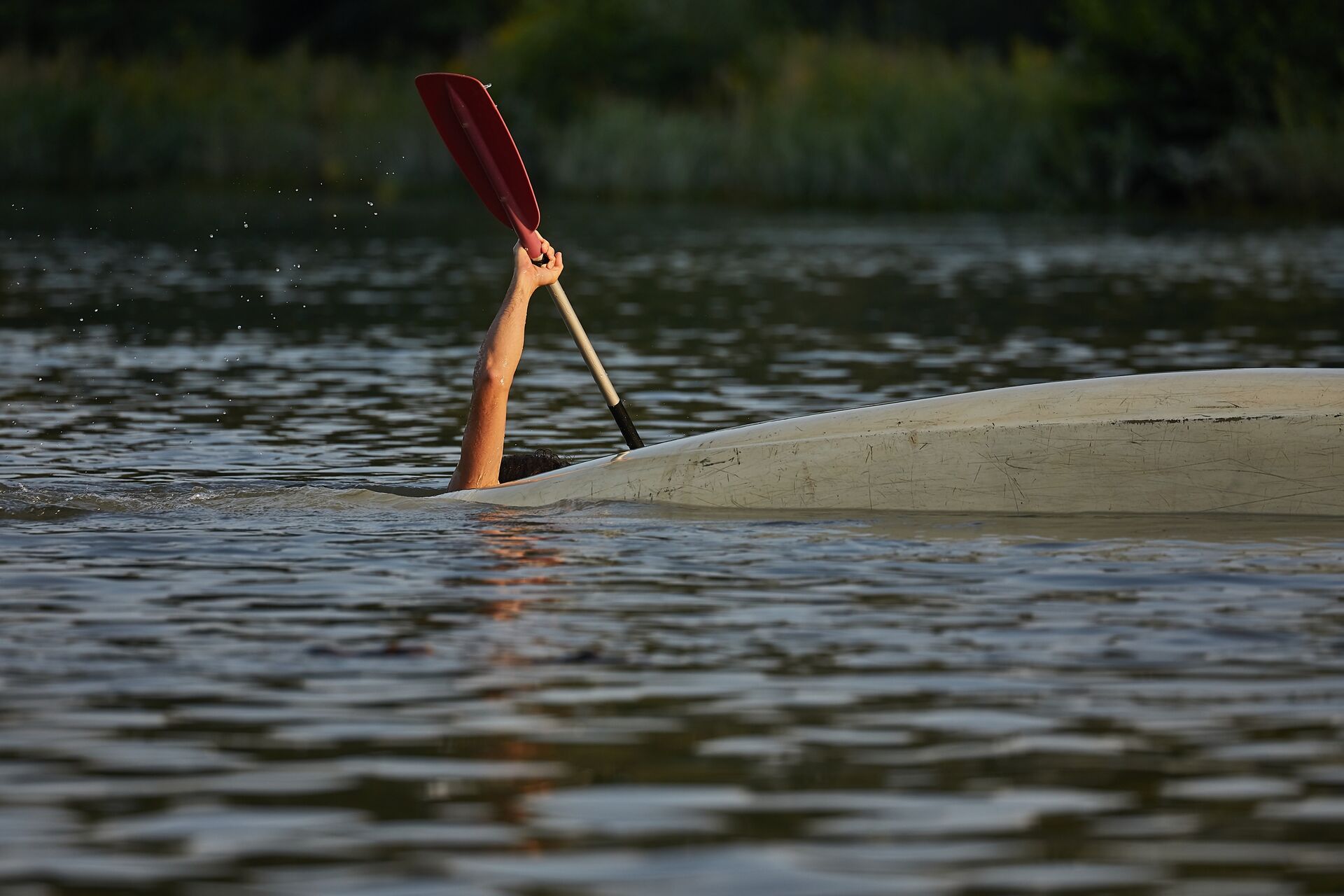
Capsize means a boat overturns, flipping onto its side or upside down in the water. This is often caused by strong waves, improper weight distribution, wind, or sudden movement onboard.
Note that capsizing is different from swamping, where water fills the boat without overturning. With additional knowledge, you can reduce the chances of having your boat capsize, and that's a great way to keep yourself safer on the water.
So, what does capsize mean? How can you avoid this situation when operating a boat? Keep reading for insights!
Updated July 16, 2026
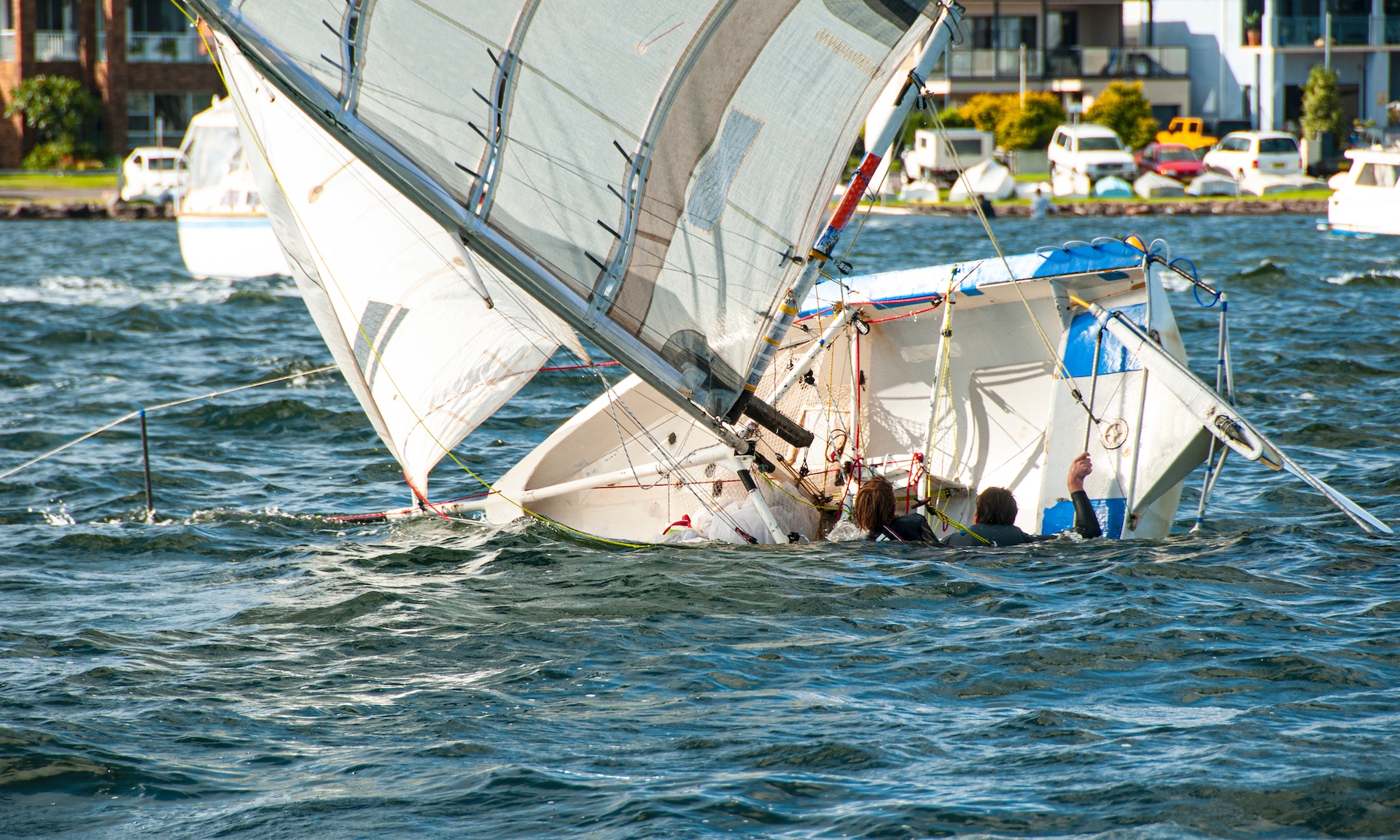
What Does Capsize Mean?
So, what does it mean when a boat "capsizes?"
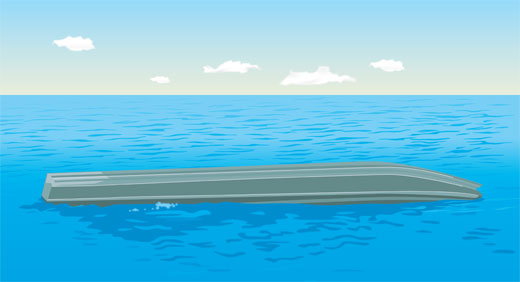
Capsizing refers to a boat overturning or flipping onto its side, or even upside down, in the water. This can be a frightening experience for any boater and puts lives at risk.
A capsize can happen suddenly due to various factors such as waves, weather, or improper weight distribution. Sometimes, an overturned boat can also occur more slowly if your boat has a leak or starts to take on water, eventually causing it to tip over.
Causes of Capsizing
Your boat could capsize for a variety of reasons. These include:
- Strong winds or waves. These are some of the most common causes of capsizing. An unexpected storm can capsize a boat quite quickly, and a rogue wave that comes seemingly out of nowhere can also cause big problems. Looking at the weather report before heading out on your boat is essential, but sometimes, the weather surprises you.
- Overloading the boat with too much weight is another issue that can create ideal conditions for capsizing, as can uneven weight distribution. To reduce your capsizing risk, make sure you don't overload your boat and focus on distributing any weight appropriately.
- Especially with smaller boats, sudden shifts in the positions of the passengers can create a capsize because they rapidly make the weight uneven and can tip the boat's balance on the water. If you take passengers out for a boating adventure, be sure to talk to them about this risk and be mindful of their positions on the boat.
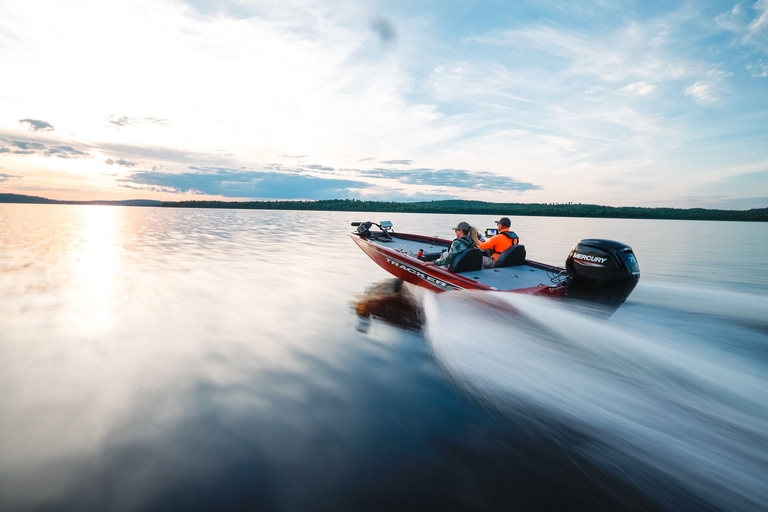
- You may also capsize if you mishandle your boat, such as taking sharp turns at high speeds. It can be fun to go fast and show off your boat's agility, but make sure you temper that with safe practices that will get you and your passengers back to the dock again.
What's the Difference Between "Capsizing" and "Swamping?"
If you're asking, "What does capsize mean?" you don't want to confuse it with swamping your boat, which is another common risk with some kinds of boats. However, they're very different issues.
Capsizing happens when the boat flips onto its side or completely overturns in the water, while swamping means that water enters the boat but doesn't entirely overturn it.
Both situations are problematic and can be very dangerous, but they have to be handled differently. If water starts filling your boat, try to get back to shore quickly while bailing water out of the boat to avoid swamping.
Capsizing vs. Swamping | ||
| Aspect | Capsizing | Swamping |
Capsizing | Boat tips onto its side or turns completely upside down | Boat fills with water but generally stays upright |
Boat Orientation | Rolled over (partially or fully) | Remains right-side up |
Cause | Instability from overloading, rough water, or sudden weight shifts | Water entering over the side, through an open drain, or from waves breaking over the bow or stern |
Common In | Kayaks, canoes, and small open boats | Small boats in choppy water or heavy rain |
Immediate Risk | Passengers thrown into the water | Boat becomes heavy and difficult to control, may lead to capsizing |
Does the Boat Sink? | Not always; many stay afloat due to built-in flotation | Not always; can often be bailed out if caught early |
Boat Types Most Likely to Capsize
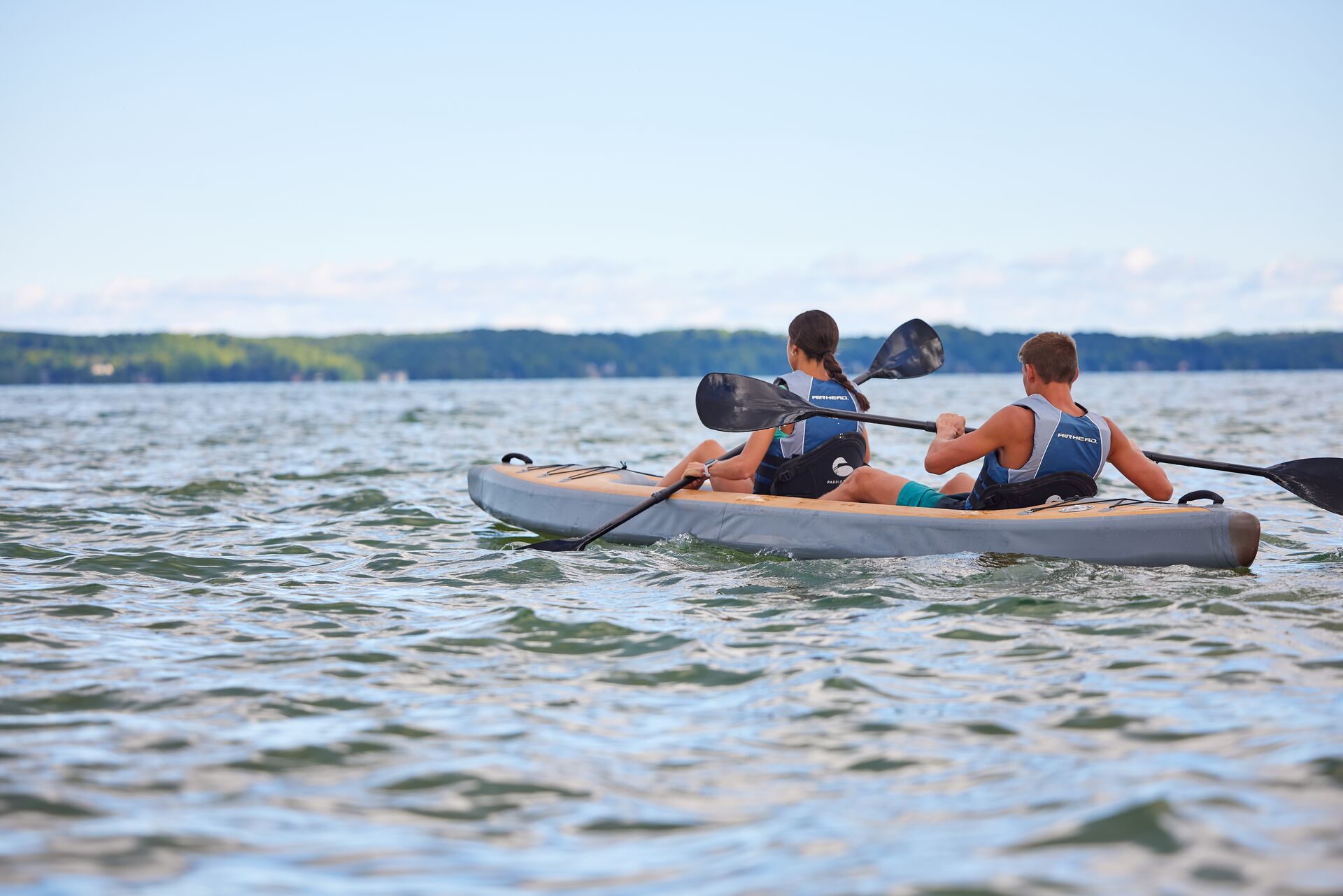
Small boats, kayaks, canoes, and dinghies are much more prone to capsizing than larger vessels because they weigh less and don't have good stability in rough waters.
Especially if you're a novice boater, you want to go slowly and get used to the feel of your boat before venturing out further from the dock or the shoreline.
How to Prevent Capsizing
To reduce the chances of capsizing, you can do a few things before your launch and while you're on the water.
- Balance the boat's load evenly. Do this before leaving the dock.
- Avoid overloading the vessel, as that can affect stability and cause it to sit too low in the water.
- Maintain proper handling techniques to keep good control of the boat, especially in challenging water or weather conditions.
- Pay attention to weather forecasts, read tide tables, and avoid boating in rough weather.
The more you understand boating safety and take it seriously, the less likely you'll be to capsize.
What to Do if Your Boat Capsizes
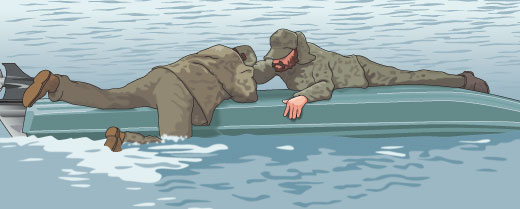
Sometimes, a boat capsizes even though you're doing everything right. If that happens, stay calm and stay with your boat. It provides flotation, and you may need to wait a while before you're rescued.
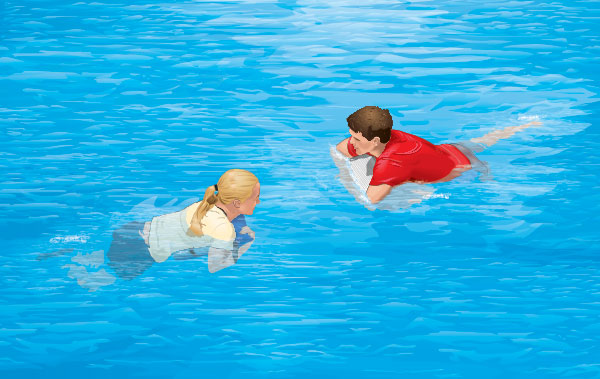
Signal for help using your PFD (personal flotation device) or another type of signaling device, and try to climb onto the boat's overturned hull if you can. This will help you stay dry and visible, protecting you from cold water immersion problems such as hypothermia and making it easier for rescuers to spot you.
The Importance of Safety Gear
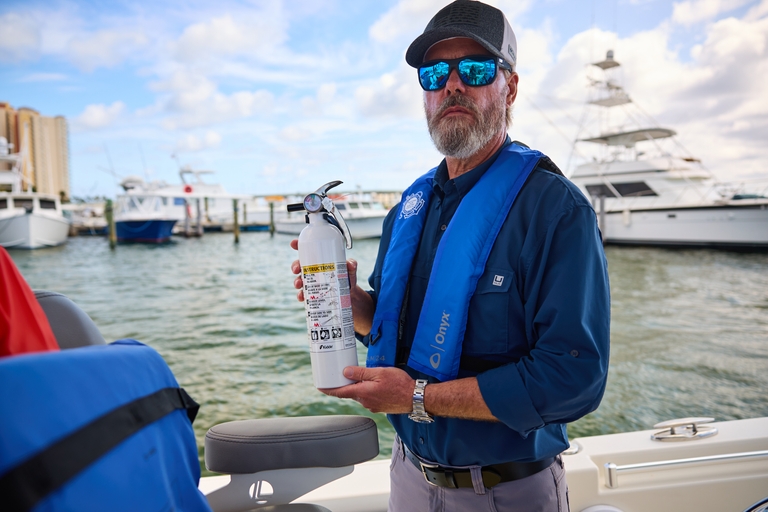
Wearing safety gear is extremely important when you're out on the water. Always wear a PFD, which will give you buoyancy if your boat capsizes. Also, make sure your boat has proper safety equipment, such as flotation aids and signaling devices.
A boating education course can teach you how to prevent and handle capsizing incidents. With the information you'll learn in a safety course, you'll understand how to use your safety gear properly and what to look for if the weather begins to change or you're facing a capsized boat.
Learn More About Boating Safely with Boat-Ed
Capsizing is a dangerous situation that can often be avoided with safe boating techniques. However, sometimes, a boat capsizes even if you apply all of the proper techniques and precautions while on the water.
The best way to recover from a capsized boat is to know what to do in this situation. So, before you head out on your boating adventures, take a boater education course through Boat-Ed. You can learn more about staying safe in the water and increase your peace of mind to enjoy your boating experiences more fully.
Plus, most states and Canadian provinces require boat operators to pass a safety course before driving a boat.
Let Boat-Ed help with our online courses that make it easy to learn! Choose the course for your state, or take our course for Canadians, and then hit the water safely.


Content most recently reviewed and updated July 16, 2026.
Frequently Asked Questions about Capsizing (FAQs)
Q: What does it mean when you capsize?
A: Capsizing means a boat has tipped over on its side or turned completely upside down, usually because it has become unstable in the water. This can happen suddenly, especially in rough water, high wind, or when a boat is overloaded or unevenly weighted. Once capsized, a boat can no longer be steered or operated normally.
Q: Does capsize mean sinking?
A: Not necessarily. Many boats, especially smaller ones with built-in flotation, will stay on the surface even after capsizing, giving people something to hold onto while waiting for help. Sinking happens when a boat takes on enough water to go completely underwater, which is a separate and more severe outcome.
Q: What is an example of capsize?
A: A common example is a canoe or kayak flipping over when a paddler leans too far to one side or shifts weight suddenly. Another example is a small fishing boat taking on water over the side in choppy conditions until it loses stability and rolls over. Both situations show how quickly a boat's balance can be disrupted.
Q: Can a boat come back up after capsizing?
A: Yes. In many cases, a capsized boat can be righted, especially smaller vessels like canoes and kayaks. Righting a boat typically requires proper technique and, for larger boats, help from other people or rescue crews. Boaters should always practice recovery skills in calm, controlled conditions before heading out on the water.
Q: Is it bad when a boat capsizes?
A: Capsizing is a serious boating emergency that can put everyone on board at risk, particularly if they are not wearing life jackets. It can lead to injury, hypothermia in cold water, or drowning if people become separated from the boat. Staying calm and staying with the boat greatly improve the chances of a safe outcome.
Q: What is the most common boat to capsize?
A: Kayaks and canoes capsize more often than other boat types, according to U.S. Coast Guard accident data. Their narrow shape and higher center of gravity make them less stable than larger, wider vessels. Small open motorboats also rank high on the list of boats that capsize most frequently.
Q: How does capsizing happen?
A: Capsizing usually happens when a boat becomes unstable due to overloading, uneven weight distribution, or rough water conditions. High winds, large waves, and sudden shifts in passenger weight can all cause a boat to lose its balance. Operator error, such as making sharp turns or ignoring weather warnings, is also a leading contributing factor.