Do You Need a Boating License in Texas?

If you want to operate a vessel on Texas waterways and you were born on or after September 1, 1993, you'll need to take a Texas Parks & Wildlife Department (TPWD)–certified boater education course. You must complete this course and carry a boater education card to operate a windblown vessel over 14 feet, a personal watercraft (PWC), or any motorized vessel with more than 15 horsepower.
So, do you need a boating license in Texas? The answer is probably yes. Here's what you need to know about getting your Texas boating license so you can boat responsibly and enjoy all that the state's lakes and rivers have to offer.

What Is a "Boating License" in Texas?
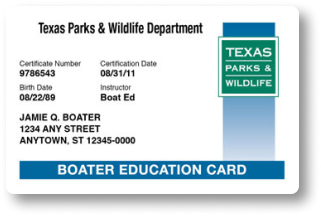
This certificate is issued upon completion of a TPWD-approved boater safety course and proves that you understand boating laws, navigation rules, and safety practices. It's valid if the course is NASBLA-approved (National Association of State Boating Law Administrators).
Who Is Required to Have One?
You're required to have a Texas boating safety certificate if you were born on or after September 1, 1993. To get this certificate, you'll need to complete a TPWD-approved boater education course. Always carry your certificate when you're on the water in case law enforcement asks to see it.
Whether you own your boat or are just renting it, you'll need a license for motorboats with more than 15 horsepower, any personal watercraft (PWC) such as a Jet Ski or Sea-Doo, or windblown vessels (sailboats) that are more than 14 feet in length.

Do You Need a Boating License in Texas, or Are You Exempt?
Some people are exempt from needing a Texas Boater Education Certificate, although everyone can benefit from taking a boater education course. You're exempt if:
- You were born before September 1, 1993.
- You're operating a boat under the supervision of someone who's 18 or older, onboard at the time, and legally allowed to operate the vessel.
- You have a vessel operator's license issued by the U.S. Coast Guard.
- You're operating a motorboat with 15 horsepower or less, or a sailboat under 14 feet.
Many people won't qualify for these exemptions, so be sure you understand the boating license requirements to operate your vessel safely and legally.
Key Rules to Remember
Along with the exemptions, Texas boaters should pay attention to some key rules before exploring the state's waterways.
Minimum Age to Drive a Boat or PWC
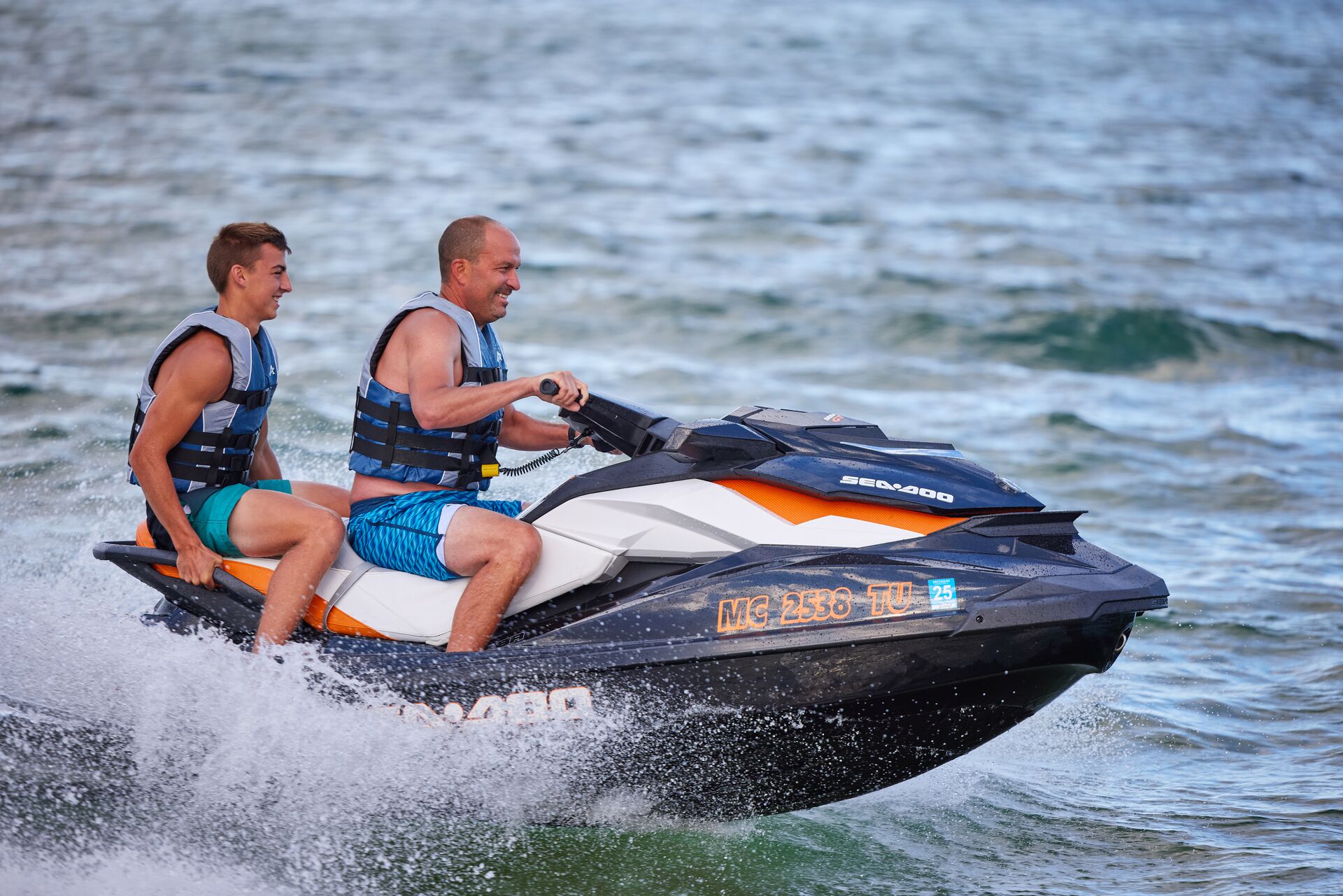
You need to be at least 13 years old to operate a vessel by yourself. Younger boaters still need proper certification if driving a boat or PWC by themselves.
Renting a Boat
The law isn't just for a boat you own. If you're renting a vessel and were born after the 1993 cutoff, you'll need to show your boating safety certificate.
Fines for Non-Compliance
You shouldn't operate your vessel without the required certification. Operating a boat without a license may result in fines of up to $500.
Out-of-State Recognition
Texas recognizes NASBLA-approved certificates from other states. If you're visiting from another state that has reciprocity with Texas, you can use your out-of-state boating license.

How to Get a Boater Education Certificate in Texas
There are some simple steps to follow when you want to get a Boater Education Certificate in Texas.
Step 1: Choose a TPWD-Approved Course
Courses are available online or in person from popular providers such as Boat-Ed. When you choose an approved course, you can feel confident that you'll get proper boating education.
Step 2: Complete the Course
The safety course covers boating laws, safety equipment, emergency procedures, and navigation rules. Online courses are self-paced and take just a few hours to complete.
Step 3: Pass the Exam
After you complete all the study materials, you'll take the final exam. You must pass that exam to earn your certification.
Step 4: Carry Your Certificate
Once you've passed the exam and gotten your certificate, keep it with you anytime you're operating a vessel. Your boater safety certificate is valid for life and doesn't expire.
Why It's Important to Have a Texas Boating License (Even If You're Exempt)
Even if the answer to "Do you need a boating license in Texas?" is no, because you're exempt, it's still a good idea to take a safety course and get certified. Getting certified is inexpensive, and it increases your safety by reducing your risk of accidents and injuries.
It also teaches you about right-of-way laws and navigation rules, and it helps you avoid expensive fines and legal trouble that can come from boating without a license. Some insurance providers may also offer discounts to certified boaters.
A Boater Education Certificate will also help you build confidence on the water, especially if you're a new boater who's looking for ways to feel more prepared and capable.
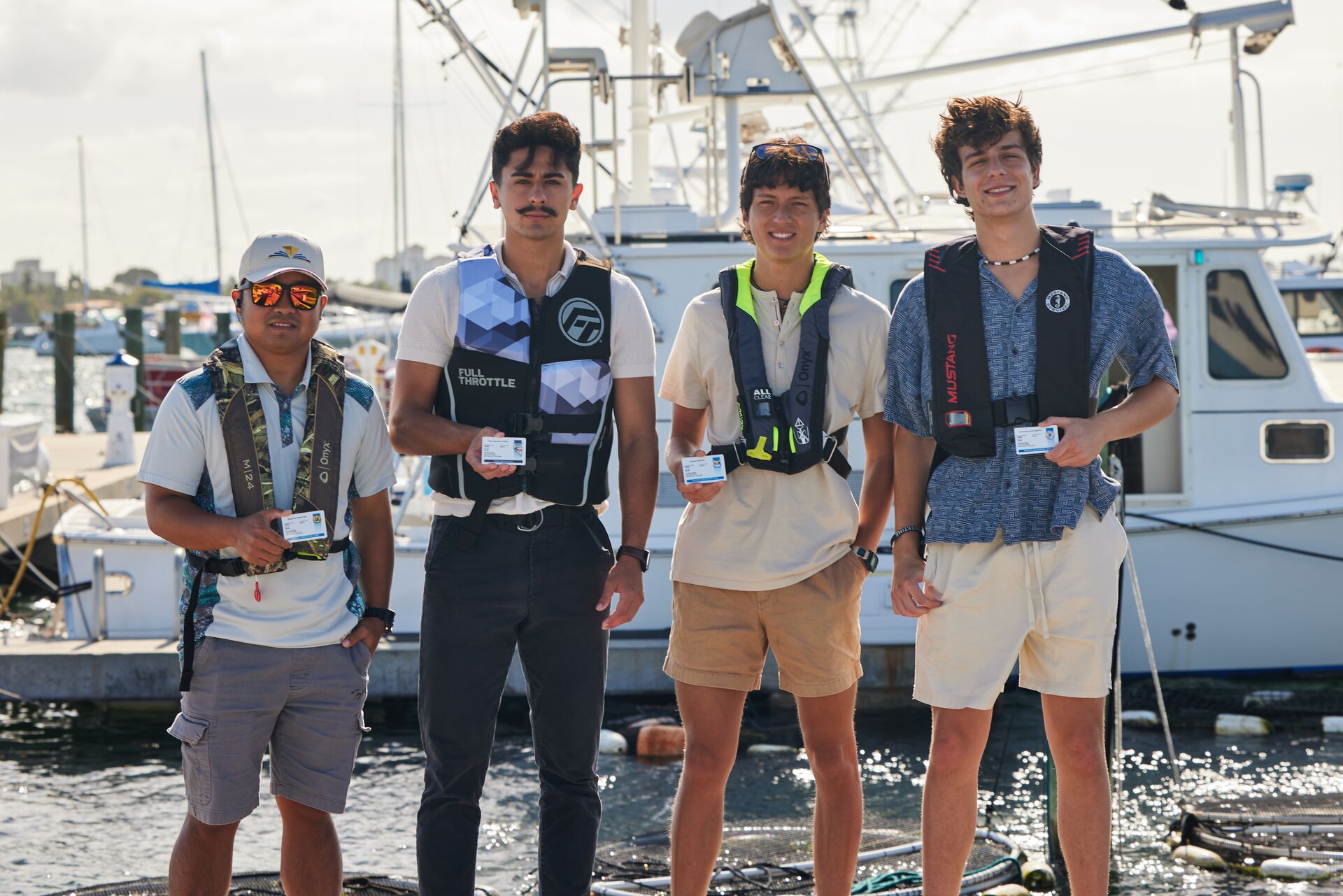
Get Your Boater Education Card in Texas with Boat-Ed
Before heading out on Texas waterways, check your eligibility to see if you need a Boater Education Certificate. Then, take a course, get certified, and enjoy boating safely throughout the state.
Boat-Ed makes it easy to get the certification you need. With just a few hours of safety instruction, you'll be better prepared to enjoy boating and protect lives—including your own.

Frequently Asked Questions (FAQs)
We have answers to some of the top questions about if you need a boating license in Texas!
Q: Do you need a boating license to rent a boat in TX?
A: In Texas, anyone born on or after September 1, 1993, must have a valid boater education certificate to operate a motorized vessel—including rentals.
Q: How hard is it to get a boating license in Texas?
A: It's generally easy to get a Texas boating license, also known as a Boater Education Certificate. To get certified, you'll need to take a TPWD-certified course like Boat-Ed.
Q: Is a Texas boating license valid in other states?
A: Many other states accept Texas Boater Education Certificates, especially states that recognize standards set by the National Association of State Boating Law Administrators (NASBLA).
Q: Do you need a boaters license in Texas to drive a boat?
A: If you were born on or after September 1, 1993, and are operating a motorized vessel over 15 horsepower, a windblown vessel over 14 feet, or a personal watercraft, you must have a Boater Education Certificate.
Q: How long does a boating license course take?
A: Most Texas-approved online courses take about 3–6 hours to complete, though you can spread the time out and finish at your own pace.