How to Get a Boating License in Wisconsin

If you plan to go boating in Wisconsin and you were born on or after January 1, 1989, you need a boating safety certificate to operate a motorboat or personal watercraft (PWC). You can get your certificate by passing an approved boating safety course, and your license is valid for a lifetime.
Do you know how to get a boating license in Wisconsin? Here's how to get this lifetime boating credential and what you need to know about the process.
How to Get a Boating License in Wisconsin (Step-By-Step)
If you’re new to boating in Wisconsin, one of the first things you’ll hear about is getting your “boating license.” The process is straightforward, affordable, and designed to help you feel confident on the water.
Here’s how to do it step by step:
- Determine eligibility (age requirements). Wisconsin requires boater education for certain operators based on age. Generally, anyone born on or after January 1, 1989, must complete a boating safety course to legally operate a motorboat. Younger operators may have additional supervision requirements, so it’s worth double-checking your specific situation.
- Enroll in a state-approved boating safety course. You’ll need to take a boating safety course approved by the Wisconsin Department of Natural Resources (WDNR). These courses are designed for beginners and cover everything from basic navigation to safety rules.
- Complete the coursework (online or in-person). You’ve got options here. Many people choose online courses because they’re flexible and self-paced, but in-person classes are also available if you prefer a classroom setting or hands-on instruction.
- Pass the final exam. At the end of the course, you’ll take a test to make sure you understand the material. Don’t worry! It’s based directly on what you’ve learned, and most courses prepare you well.
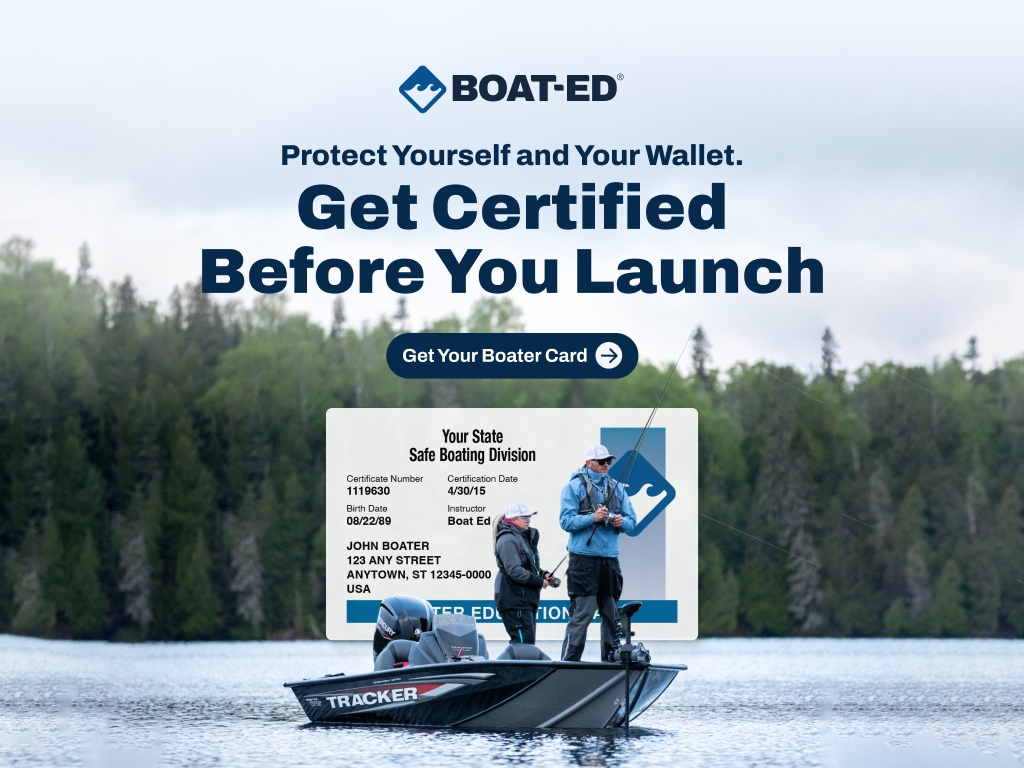
- Receive your Boating Safety Certificate. Once you pass, you’ll get your Boating Safety Certificate. This is what people commonly refer to as a “boating license.”
Getting your boating license in Wisconsin is a simple, easy process that helps you stay safer on the water!

What is the Timeline and Cost?
Most people finish the course in a few hours to a couple of days, depending on their pace. With Boat-Ed, you can finish the course and exam in one sitting if you have a few hours, or you can start and stop as your schedule allows.
Costs are typically modest for the exam, test, and certification card, ranging from $30–$80, depending on the course provider, making it an accessible step for just about anyone.
Where to Find Approved Courses
The Wisconsin DNR website lists approved providers, and many trusted online platforms offer state-specific courses that meet all requirements.
However, you can easily start your Wisconsin boater safety course right here through Boat-Ed!

What Is a Wisconsin Boating License?
Let’s clear up a common misconception: Wisconsin doesn’t issue a traditional “license” like a driver’s license for boating.
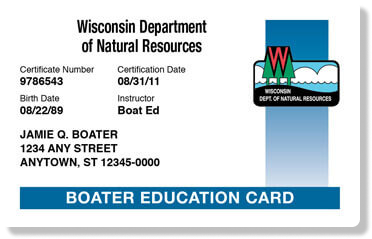
It’s also important not to confuse this with boat registration. Registration applies to the vessel itself (like a license plate for your car), while the safety certificate applies to the person operating the boat.
Who Needs a Boating License in Wisconsin?
Whether you need a boating safety certificate depends on a few factors. These include your age, whether you live in the state or are just visting, and what type of watercraft you plan to operate (motorized vs unmotorized).
Age-Specific Requirements
Anyone born on or after January 1, 1989, must have a Boating Safety Certificate to operate a motorboat. Younger operators may need adult supervision or may be restricted from operating certain types of boats.
Residents vs. Visitors
Wisconsin residents must follow state requirements. However, visitors can usually use a valid certification from their home state, as long as it meets similar standards.
If you plan to rent a boat, make sure you understand the rules and have the documentation you need to boat legally in Wisconsin.
Motorized vs. Non-motorized Watercraft
The certification is generally required for motorized boats.
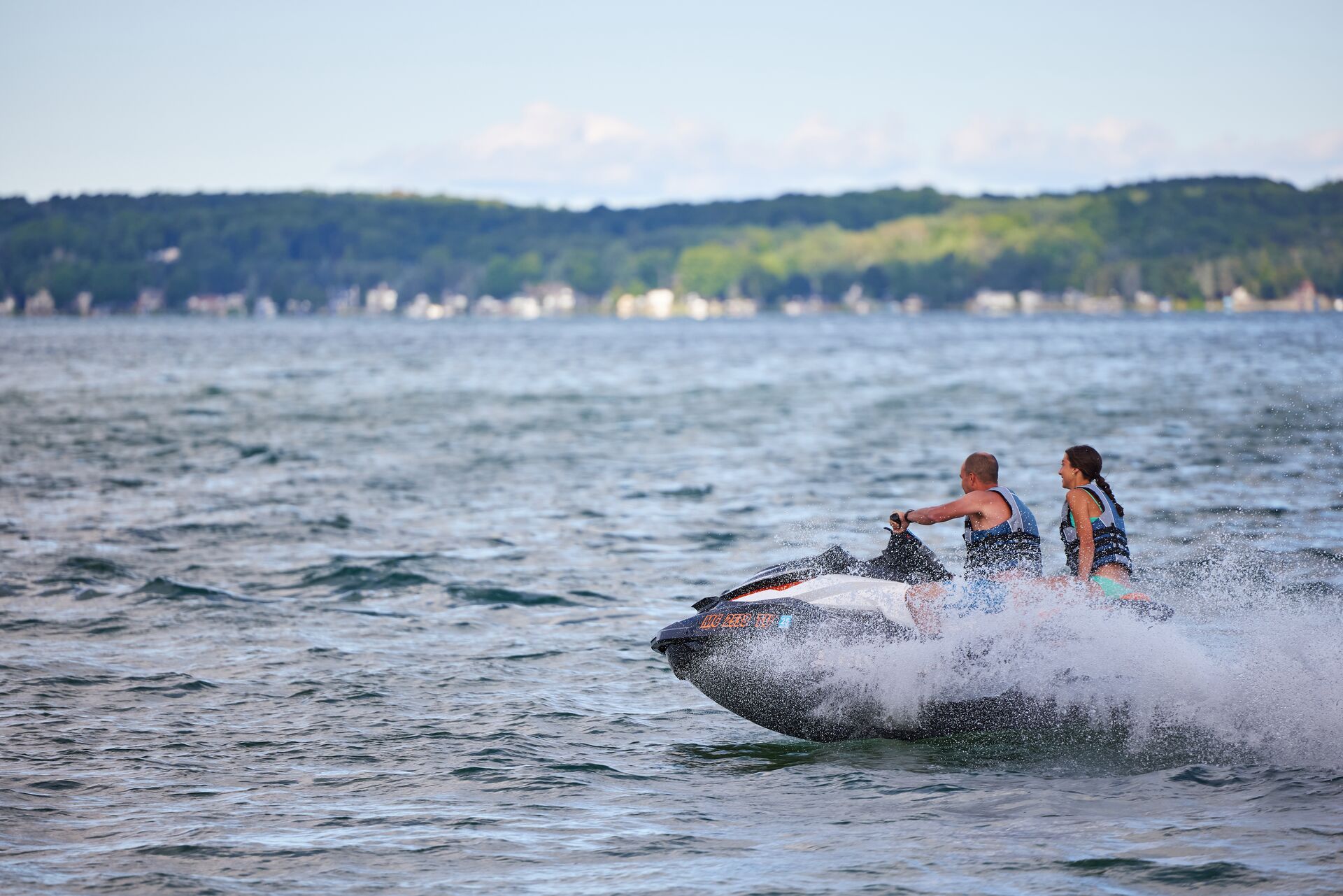
So, if you’re paddling a kayak, canoe, or paddleboard, you typically don’t need a certificate. However, we still recommend taking a boating safety course!
Why It’s Important to Have a Boating License
Getting certified isn’t just about checking a legal box. It’s about staying safe and protecting others. Here are four good reasons why having a Wisconsin boating license is a good idea.
- Legal Compliance and Avoiding Fines: Operating a boat without the required certification can lead to fines and penalties. It’s a simple step that keeps you on the right side of the law.
- Safety Knowledge: You’ll learn essential skills like navigation rules, right-of-way, reading water conditions, and what to do in emergencies. These aren’t just “nice to know”—they can prevent accidents.
- Protecting Passengers and Others on the Water: Boating often involves friends and family. Being a trained operator helps ensure everyone on board—and nearby—stays safe.
- Insurance and Liability Considerations: Some insurance providers may require or reward boater education. Having your boater safety certification can also help protect you legally if something goes wrong.
Whether you're required to have it or not, it's a good idea to take a boater safety course and get your certification!
Tips for First-Time Wisconsin Boaters
Once you’re certified, you’re ready to hit the water. Here are a few practical tips that can make your experience smoother.
Follow Best Practices
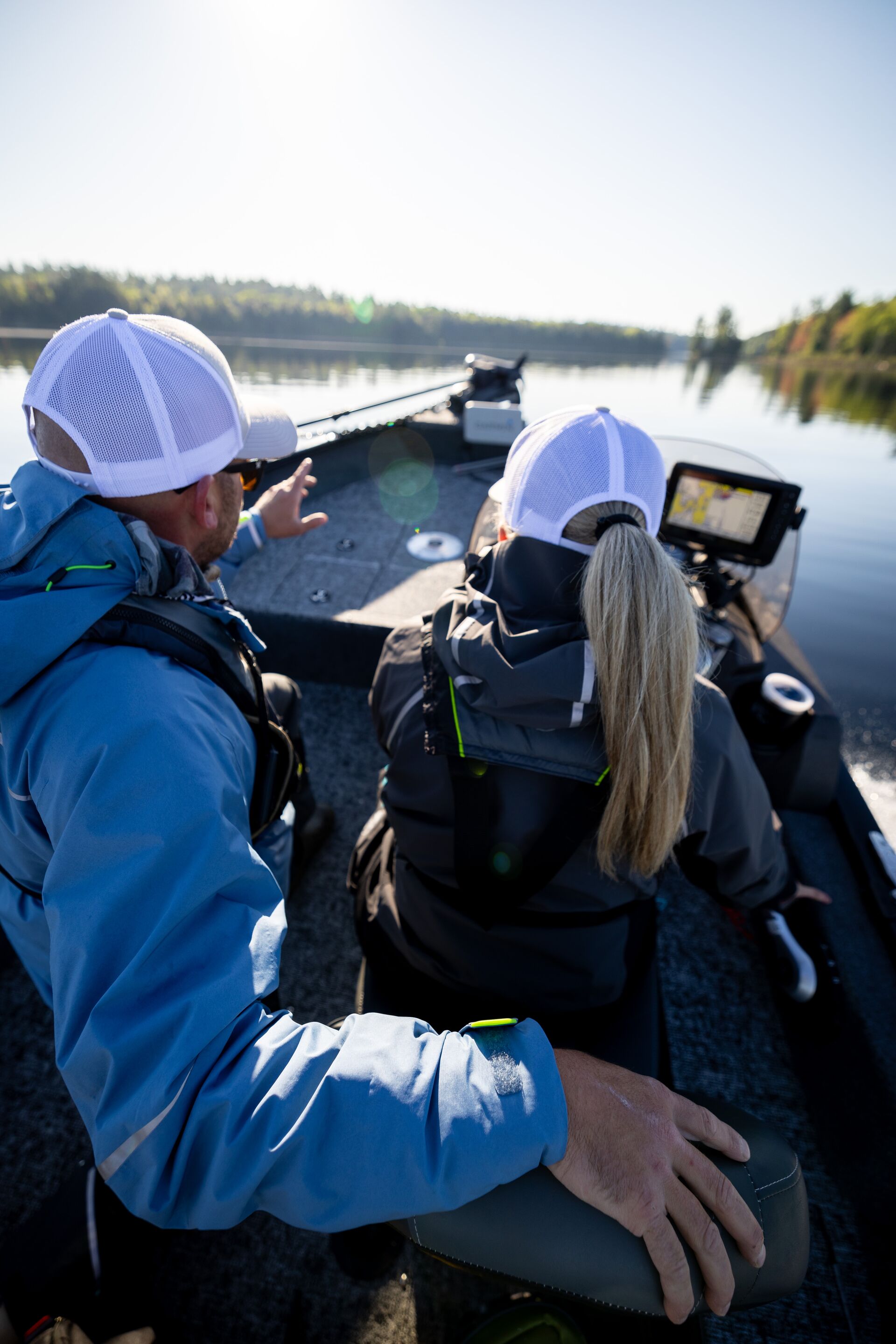
Start small. Choose calm lakes, good weather, and shorter trips until you build confidence.
Bring Essential Safety Gear
Before leaving the dock, make sure you have a few critical safety items on board, including:
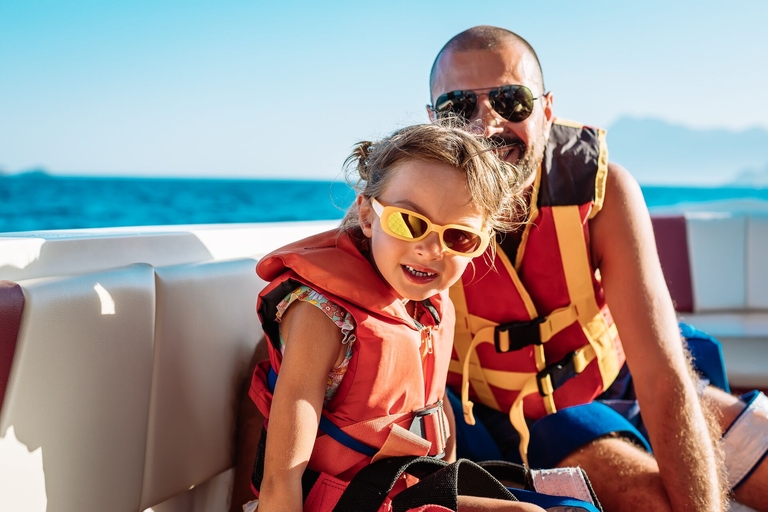
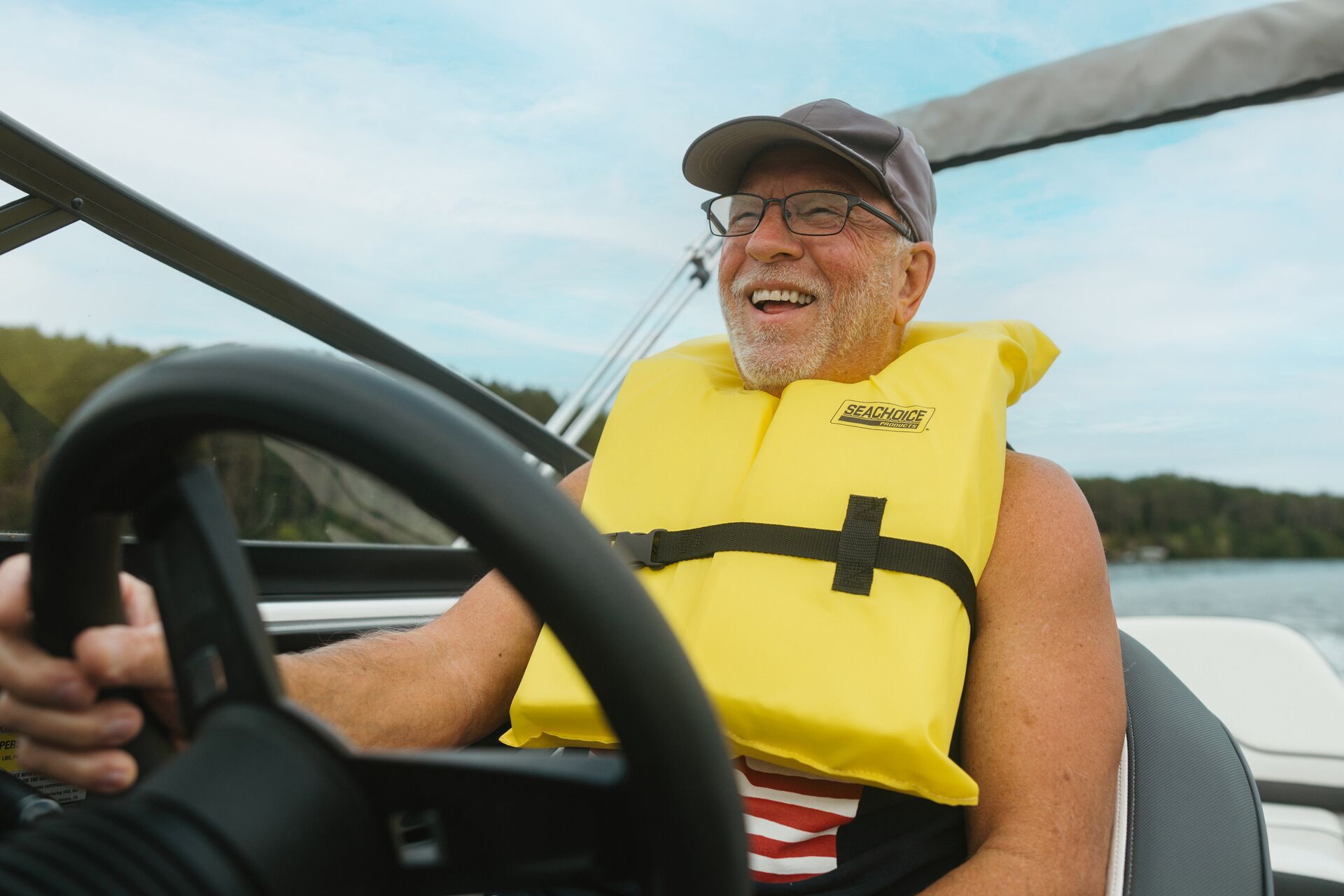
- Life jackets for everyone on board
- A throwable flotation device
- Fire extinguisher
- Sound-producing device (like a whistle or horn)
- Navigation lights if boating at night
We also recommend showing your passengers where safety items are on board, so they can get to flotation devices or flares quickly if needed.
Know the Local Boating Laws
In addition to your safety course knowledge, make sure you're up to speed on local rules.
Pay attention to speed limits, no-wake zones, and alcohol regulations. Wisconsin waterways can vary, so always check local rules before heading out.
Get Your Boater License in Wisconsin with Boat-Ed
Before you launch your first trip, take the time to get certified. It’s a small investment that pays off every time you’re out on the water. Getting your Wisconsin boating safety certificate (aka your Wisconsin boating license) is one of the smartest first steps you can take as a new boater. It’s quick and affordable, and gives you the confidence to enjoy the water responsibly.
The process is simple: take an approved course, pass the exam, and you’re set for life! Your certification doesn’t expire.
If you’re ready to get started, Boat-Ed offers an easy, user-friendly way to complete your certification online. You can learn at your own pace and get certified without stress. Plus, after completing the course and passing the final exam, you'll meet the state's requirements for boater education.

Frequently Asked Questions (FAQs)
Q: Do I need a license to drive a boat in Wisconsin?
A: Not exactly. A traditional “license” isn’t required. However, if you were born on or after January 1, 1989, you must have a boating safety certificate to legally operate a motorized boat.
Q: How much does a boating license cost in Wisconsin?
A: Most state-approved boating safety courses cost between $30 and $80. Some in-person classes may vary slightly, but it’s generally very affordable.
Q: How long does the Wisconsin boating license course take?
A: The Wisconsin boating course typically takes 3–6 hours to complete, depending on your pace. You can finish it in one sitting or spread it out over a couple of days.
Q: How do I get my Wisconsin boating license?
A: To get a Wisconsin boating license, take a Wisconsin DNR-approved boating safety course (online or in person), complete the lessons, pass the final exam, and receive your boating safety certificate.
Q: How long does Boat-Ed take online?
A: Boat-Ed is self-paced, but most people complete it in about 3–4 hours. You can log in and out anytime, so it’s easy to fit into your schedule.