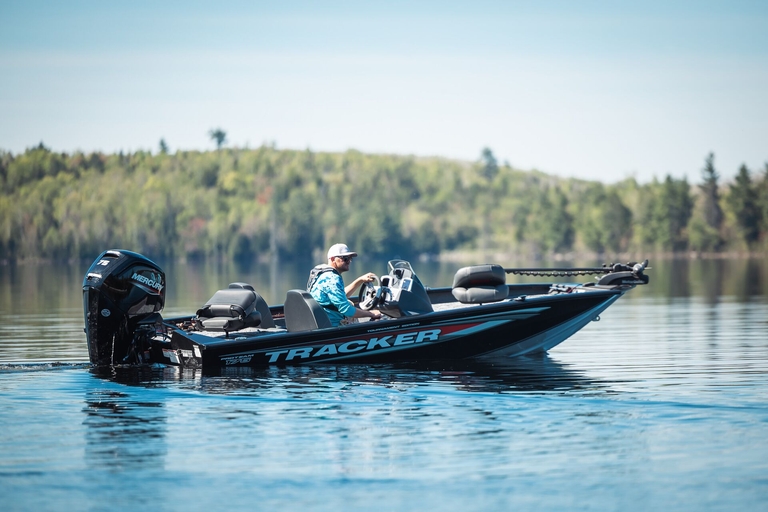
How to Get Your Virginia Boating License

Getting on the water in Virginia is straightforward once you know what credentials you need. Virginia does not issue a traditional boating license — instead, the state requires a Boating Safety Education Certificate for certain operators. The certificate is issued under the authority of the Virginia Department of Wildlife Resources (DWR) and is valid for life.
The requirement applies to all operators of motorboats with engines of 10 horsepower or greater, regardless of age, and to all PWC operators 14 years of age and older.
This guide walks you through how to get your Virginia Boating Safety Education Certificate, step by step.
What Is the Virginia Boating Safety Education Certificate?
The Virginia Boating Safety Education Certificate is what most people mean when they search for a Virginia boating license. It is not a traditional license. Instead, it's proof that you completed a DWR-approved boating safety course and met the required education standard.
The certificate is issued under the authority of the Virginia Department of Wildlife Resources and is valid for life. It does not expire and does not require renewal. Once you earn it, you carry it aboard your vessel whenever you operate a motorized boat or personal watercraft on Virginia waters.
Who Needs a Virginia Boating Safety Education Certificate?
Virginia law requires a Boating Safety Education Certificate for two groups:
- All operators of motorboats with engines of 10 horsepower or greater, regardless of age.
- All PWC operators 14 years of age and older.
There is no birth-year exemption in Virginia. If your motorboat has a 10 HP or greater engine, you need the certificate regardless of when you were born.
Exemptions for the Virginia Boating Safety Education Certificate
| You May Be Exempt from the VA Boating Safety Certificate If: |
| You hold a valid U.S. Coast Guard license to operate a vessel issued to maritime personnel, or a marine certificate issued by the Canadian government. |
| You are an out-of-state visitor in Virginia for 90 days or fewer and hold a valid NASBLA-approved certificate from your home state. |
| You are operating a non-motorized vessel (canoe, kayak, paddleboard, rowboat, etc.). |
| You are operating under onboard direct supervision of a person who meets the education requirement. |
| You are operating under a rental or lease agreement from a motorboat rental business, with a completed dockside safety checklist. |
VA Boater Card Requirements by Age
| Virginia Boater Card Requirements (by Age): | ||
| 13 and younger | Cannot operate a PWC under any circumstances | N/A |
| 14–15 | May operate a PWC with a certificate; may not operate alone on certain waters | Yes |
| 16 and older | May operate PWC alone with a certificate | Yes (if required) |
| Any age | Must have certificate to operate a motorboat of 10 HP or greater | Yes |
PWC rule: No one 13 years of age or younger may operate a personal watercraft under any circumstances in Virginia, even with a certificate. Operators ages 14–15 must hold a valid Boating Safety Education Certificate to operate a PWC.
How to Get Your VA Boat Safety Certificate (Step-by-Step)
In just three easy steps, you can get your Virginia boating license (boater safety certificate).
Step 1: Complete a PFBC-Approved Boating Safety Course
You can complete the required course online or in person. Both options are approved by the Virginia Department of Wildlife Resources and lead to the same lifetime certificate.
- Online course: The Boat-Ed Virginia-approved online boating course is self-paced and NASBLA-approved. You can take it on any device, save your progress, and complete it over multiple sessions. Most students finish in a few hours. The Boat-Ed course fee is $54.95. Course costs across approved VA providers range from $30–$80.
- In-person classroom course: DWR-approved classroom courses are offered at locations statewide and include the required exam at the end of class — no separate scheduling required.
There is no minimum age requirement to take the Boat-Ed online course. The Boat-Ed course fee is $54.95. Course costs across approved VA providers range from $30–$80.
Step 2: Pass the Course Exam
For the Boat-Ed online course, you complete the exam as part of the course by passing the unit quizzes. There is no separate final exam. Once you pass all unit quizzes with at least a 90%, you have met the education requirement and can print your temporary certificate immediately.
In-person classroom students take the exam at the end of class.
Step 3: Receive Your Certificate and Hit the Water
After completing the course, you can print a temporary Boating Safety Education Certificate immediately. Your permanent DWR Boating Safety Education Certificate — a wallet-sized card — arrives by mail in approximately three to five weeks.
Virginia law requires you to carry your certificate aboard the vessel whenever you operate a qualifying motorized boat or PWC. Your temporary certificate is legally valid while you wait for the permanent card.
Always carry your card when boating. Failure to present it during an enforcement stop can result in a civil penalty of $100.

Course Formats and Costs
What are the various formats and costs to get a Virginia boating license?
| VA Boater Education Course Formats and Costs: | ||||
| Online | Boat-Ed | $54.95 | Self-paced (a few hours) | Yes — unit quizzes included |
| Online | Other DWR-approved providers | $30–$80 | Self-paced | Yes — included |
| In-Person Classroom | DWR-approved instructors | Varies | 1 day | Yes — included |
All Virginia Boating Safety Education Certificates are valid for life and never require renewal. Learn more about whether boating licenses expire.
What to Bring to Get Your Card
To get your card, you'll need the following:
- Government-issued photo ID
- Payment for the course (if using an online provider)
- Proof of age, if requested by VA DWR
Reciprocity: Is Your Virginia Certificate Valid in Other States?
Yes. The Virginia Boating Safety Education Certificate is NASBLA-approved, which means it is recognized in U.S. states, territories, and Canadian provinces that honor NASBLA-compliant cards. Review Virginia Boating Laws and Regulations for full details.
Visiting boaters from other states may operate on Virginia waters for up to 90 days using a valid NASBLA-approved certificate from their home state. Learn more about using your boating license in another state.
Start Your Virginia Boater Safety Course Today
The DWR-approved Boat-Ed course is self-paced, NASBLA-approved, and available on any device. Earn your lifetime Virginia Boating Safety Education Certificate and get on the water with confidence.
Frequently Asked Questions
Who needs a Virginia Boating Safety Education Certificate?
All operators of motorboats with engines of 10 horsepower or greater — regardless of age or birth year — must hold a valid Virginia Boating Safety Education Certificate. All PWC operators 14 years of age and older must also hold the certificate. Unlike some other states, Virginia has no birth-year exemption for motorboat operators. If your engine is 10 HP or greater, the requirement applies to you.
Does it expire?
No. The Virginia Boating Safety Education Certificate is valid for life. Once you earn it, you never need to renew it or pay any renewal fee.
Is it valid in other states?
Yes. The Virginia Boating Safety Education Certificate is NASBLA-approved, which means it meets the national boating education standard recognized across the United States. Most U.S. states, territories, and Canadian provinces honor NASBLA-compliant cards, so your Virginia certificate is valid when you boat out of state.
Can I take the course online?
Yes. The DWR approves several online course providers, including Boat-Ed. The Boat-Ed online course is self-paced, NASBLA-approved, and available on any device. You complete the exam requirement by passing the unit quizzes throughout the course. Once you finish, you can print a temporary certificate immediately and go boating right away.
What if I'm visiting from another state?
Out-of-state visitors may operate on Virginia waters for up to 90 days using a valid NASBLA-approved certificate from their home state. Visitors without a NASBLA-approved certificate are subject to Virginia's full education requirement.
What's the penalty for boating without a certificate?
Operating a qualifying motorized vessel without a Virginia Boating Safety Education Certificate is a civil violation with a $100 penalty. DWR Conservation Police Officers patrol Virginia waterways and have the authority to stop and board vessels at any time to check compliance. Always carry your card on board.
Are PWC rules different?
Yes. Virginia's PWC rules are stricter than the general motorboat rules. No one 13 years of age or younger may operate a personal watercraft under any circumstances. Operators 14 and 15 years old must hold a valid Boating Safety Education Certificate to operate a PWC. Operators 16 and older may operate a PWC alone with a certificate.
How long does the course take?
Most students complete the Boat-Ed online course in a few hours. You can work at your own pace, save your progress, and log back in at any time. Once you pass all unit quizzes, you can print your temporary certificate and get on the water immediately — no waiting required.