How to Launch a Boat: Casting Off With Wind Direction in Mind
When it comes to launching a boat, timing and conditions can make all the difference. One often-overlooked factor that can dramatically impact success is the wind.
While prepping your vessel, filing a float plan, and checking weather reports are standard before heading out, paying attention to wind direction can be the key to a smooth and safe departure.
Here’s what to know about casting off with wind \when launching your boat and how to use it to your advantage for a safe, comfortable start to a day on the water.
Why Wind Matters When Casting Off
Both the strength of the wind and its direction can have dramatic effects on your ability to launch a vessel safely. When you know how to respond to wind, you reduce the chances of a collision, a tangled line, or a hard impact against the pilings or dock.
Understanding the proper technique for launching in wind not only increases safety but also reduces the time it takes for you to launch your boat and clear the area for others who are getting ready to launch. Knowing what to do when the wind is blowing away from the dock can protect you and other boaters from an avoidable accident.
Assess Wind Direction and Strength Before You Launch
Before launching your boat, look carefully at water surface ripples and dock flags, or use a handheld anemometer to understand the wind's behavior.
If the wind is pushing you into vs. away from the dock, this changes your strategy, so it's crucial to know which direction the wind is coming from and how it may affect you. You'll want to avoid releasing any lines before clearly communicating the launch plan to all crew members and passengers who are assisting.
Casting Off With Wind Blowing Away From the Dock
Casting off with wind away from dock is a common strategy and often easier and safer than launching directly into the wind. That's because wind naturally helps push you off the dock and out into the water.
Following these steps can make your cast-off procedure easier.
1. Start the Engine First
Before doing anything else, ensure your vessel's engine is running and warmed up. Only then are you ready to release the lines holding your boat in place.
2. Release the Bow Line
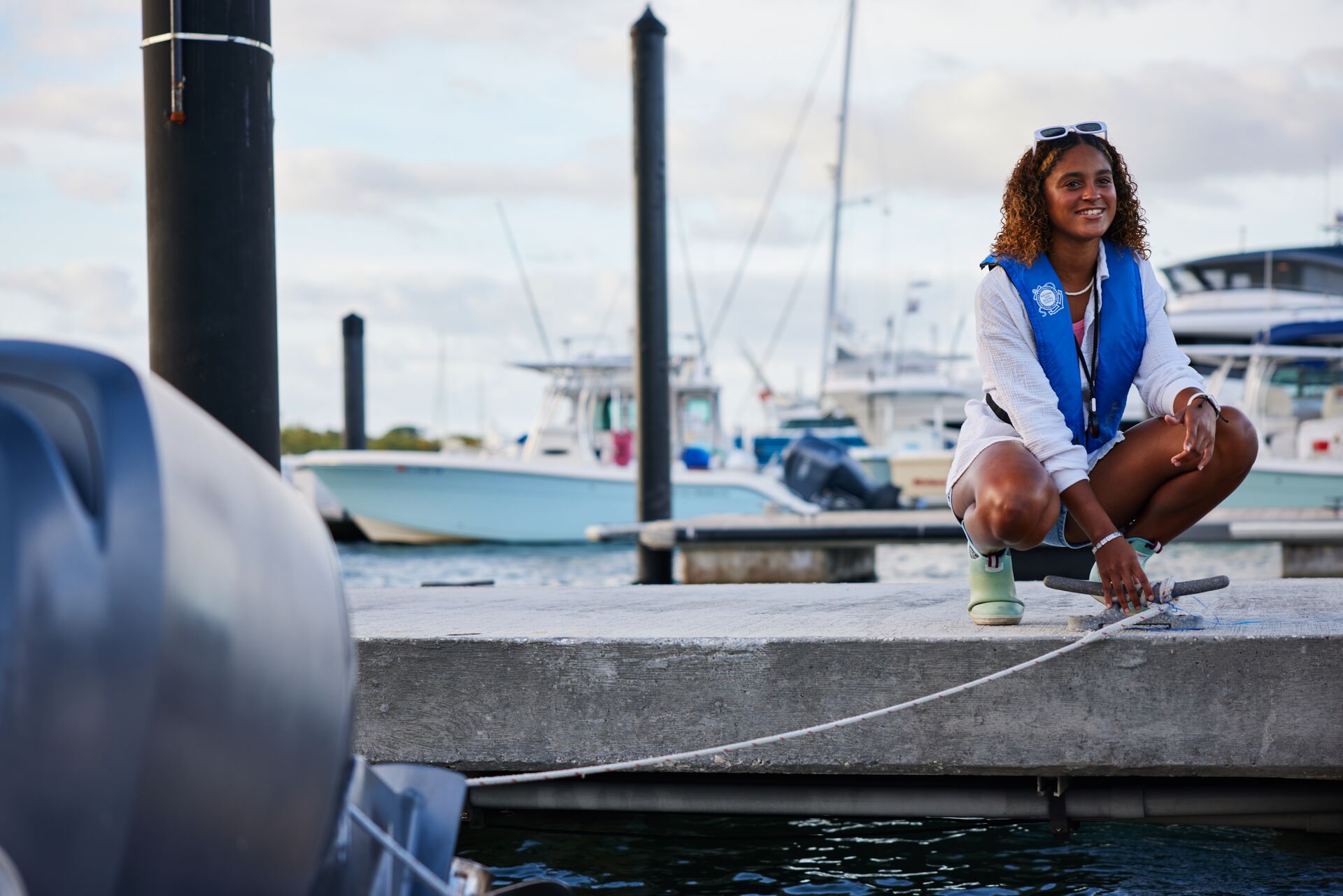
As you prepare to launch, release only the bow line. You'll want to keep control of your stern line, as that helps with stability.
3. Release the Stern Line Last
Once you're ready to move away from the dock, you can let go of the stern line. It's essentially your last line of defense for holding your vessel in place.
4. Use Fenders If Needed
Don't be afraid to use fenders if you need them. Doing this can help prevent any scraping during departure and reduce the risk of damage to your vessel.
5. Let the Wind Help Push You Out
As you gain control of your vessel, steer it gently away from the dock. You don't want to be in too much of a hurry when you're still very close to a structure.
6. Shift to Forward Gear Once the Boat is Clear
After the bow is clear of the dock, you can apply the throttle lightly and start maneuvering your boat. While you're doing that, let the wind help you. It'll do some of the work while you use the helm to maintain control.
Use Short Bursts of Throttle (Not Constant Power)
When moving a boat in tight spaces, using short forward and reverse thrusts will provide better control. Continuous throttle should be reserved for wide open water, where you aren't at risk of contacting a dock, piling, or other vessel.
Keep your boat pointed slightly away from any nearby obstacles, especially if the wind is trying to push you toward them.
Watch for Other Boats and Obstructions
It's essential to stay alert when launching your boat, as the wind can push you into dock structures or boat traffic more quickly than you might expect.
Casting off with wind blowing away from the dock is safe and effective, but always maintain a clear line of sight. If necessary, also assign a lookout to help you watch for other vessels or anything else your boat might come into contact with.
Practice Makes Perfect
Not all boats respond the same way, so it's essential to practice with your particular vessel.
Since you can't always count on the wind to blow away from the dock when you're ready to launch, practice launching it in different wind conditions, so you can be more comfortable and know what to expect. If you're unsure or dealing with strong winds, asking the dockmaster for help or using a spring line for extra control are both good options to increase safety.
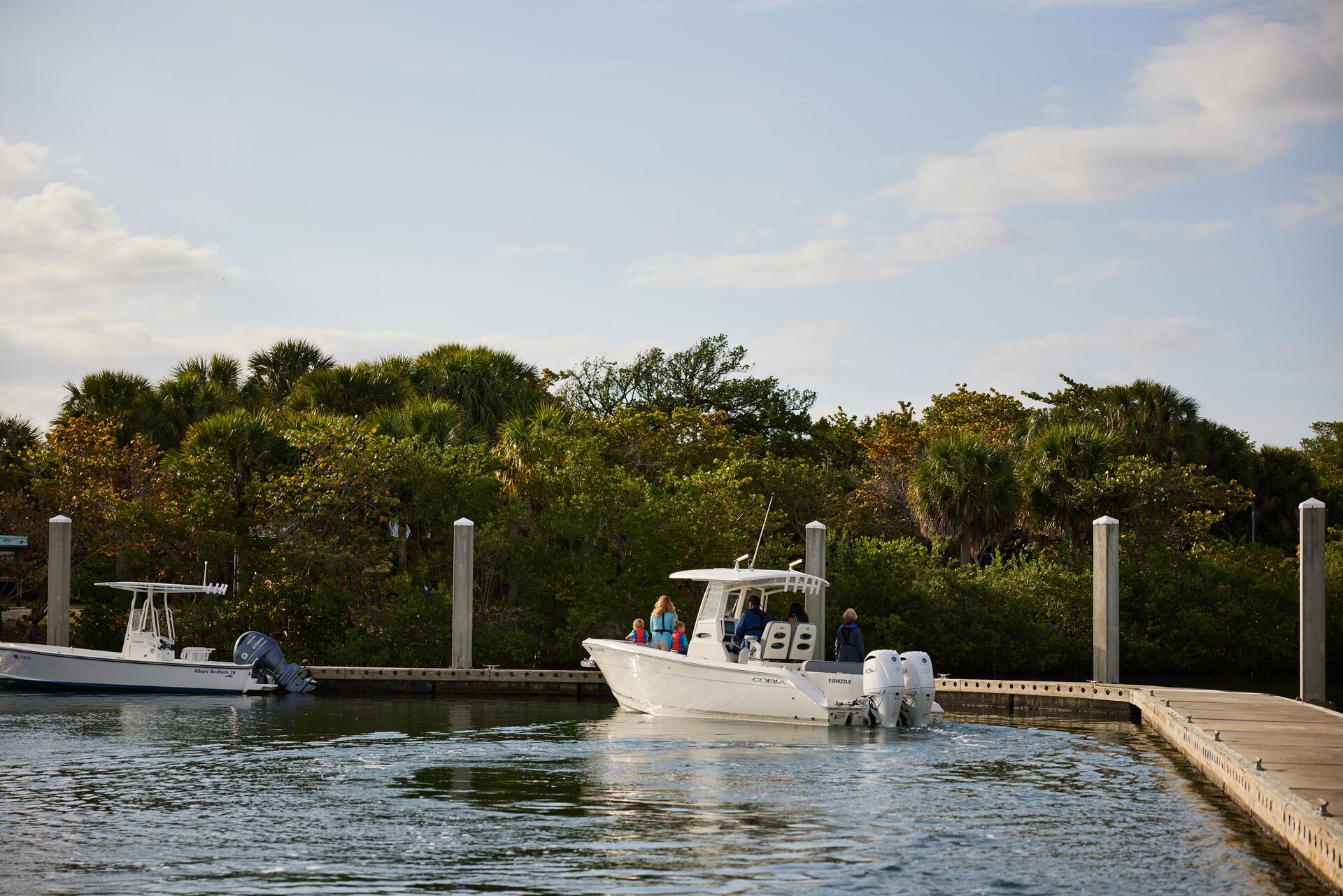
Use the Wind As Your Boat Launching Ally
Casting off with wind blowing away from the dock can help you have a smooth departure, but only if you're properly prepared and in control of your vessel. Every successful boat launch, whether from a trailer or a dock, relies on effective communication, awareness, and a calm execution of the details.
Before you make your next (or first) launch, make sure you've taken a boat education course. The knowledge and skills you'll gain from a boater safety course like Boat-Ed can help you stay safer on the water and teach you crucial information about navigation so that you can launch and enjoy your boat confidently.
Boat-Ed online courses also help you meet the boater education requirements for your U.S. state or in Canada!
Put safety and certification first before your next launch by taking the course for your state or our course approved by Transport Canada.