Night Time Boating: How to Stay Safe in the Dark
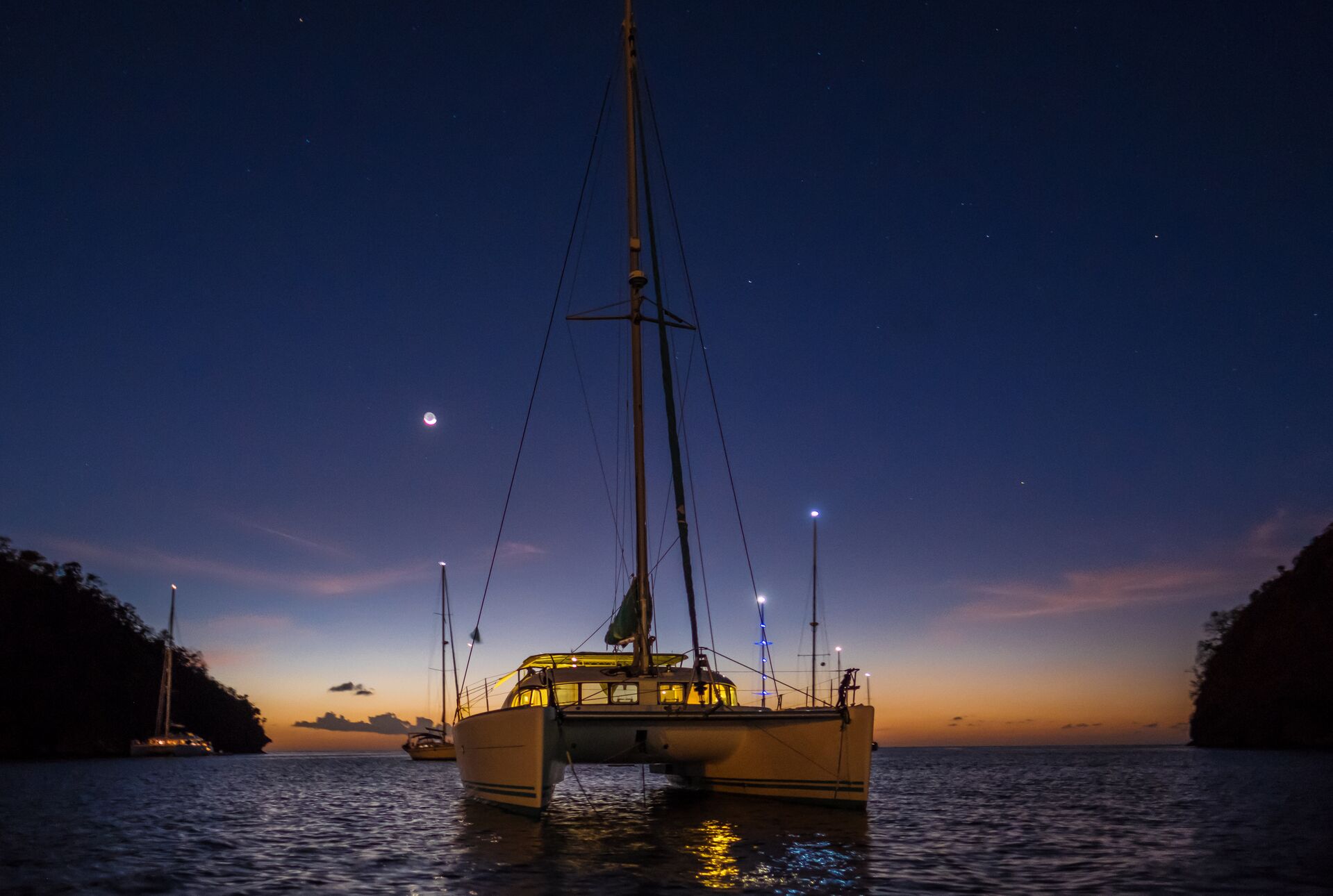
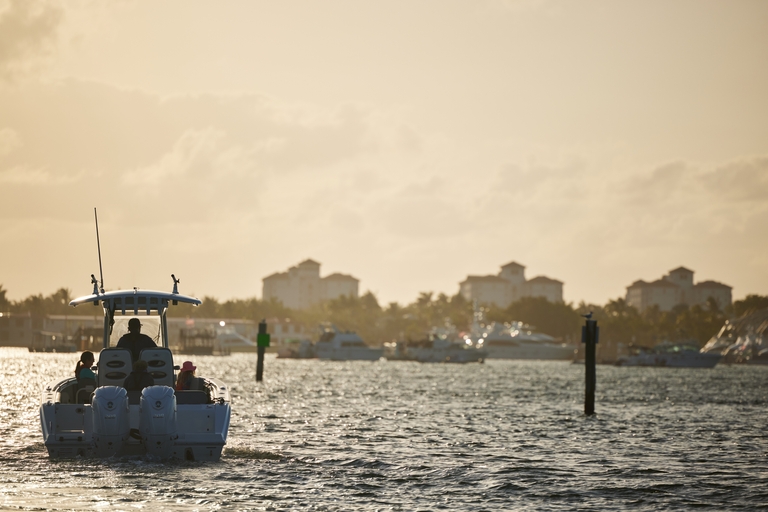
Boating safely at night requires slowing down, maintaining sharp focus, and using proper navigation lights without creating a blinding glare for other boaters.
Boating can be fun just about any time the weather is nice. If you're interested in night time boating, though, you need to know how to stay safe on the water under low-light conditions to avoid a boating accident.
Boating at night is very different from using your vessel during the day, which means you must take additional precautions. Not only that, but you have to understand night boating rules to stay compliant. You don't want to break laws and incur fines and other penalties when a little extra knowledge can help you avoid that problem.
Here's what to consider so you can stay safe and have fun while boating in the dark.
Updated August 27, 2026
How to Boat Safely at Night
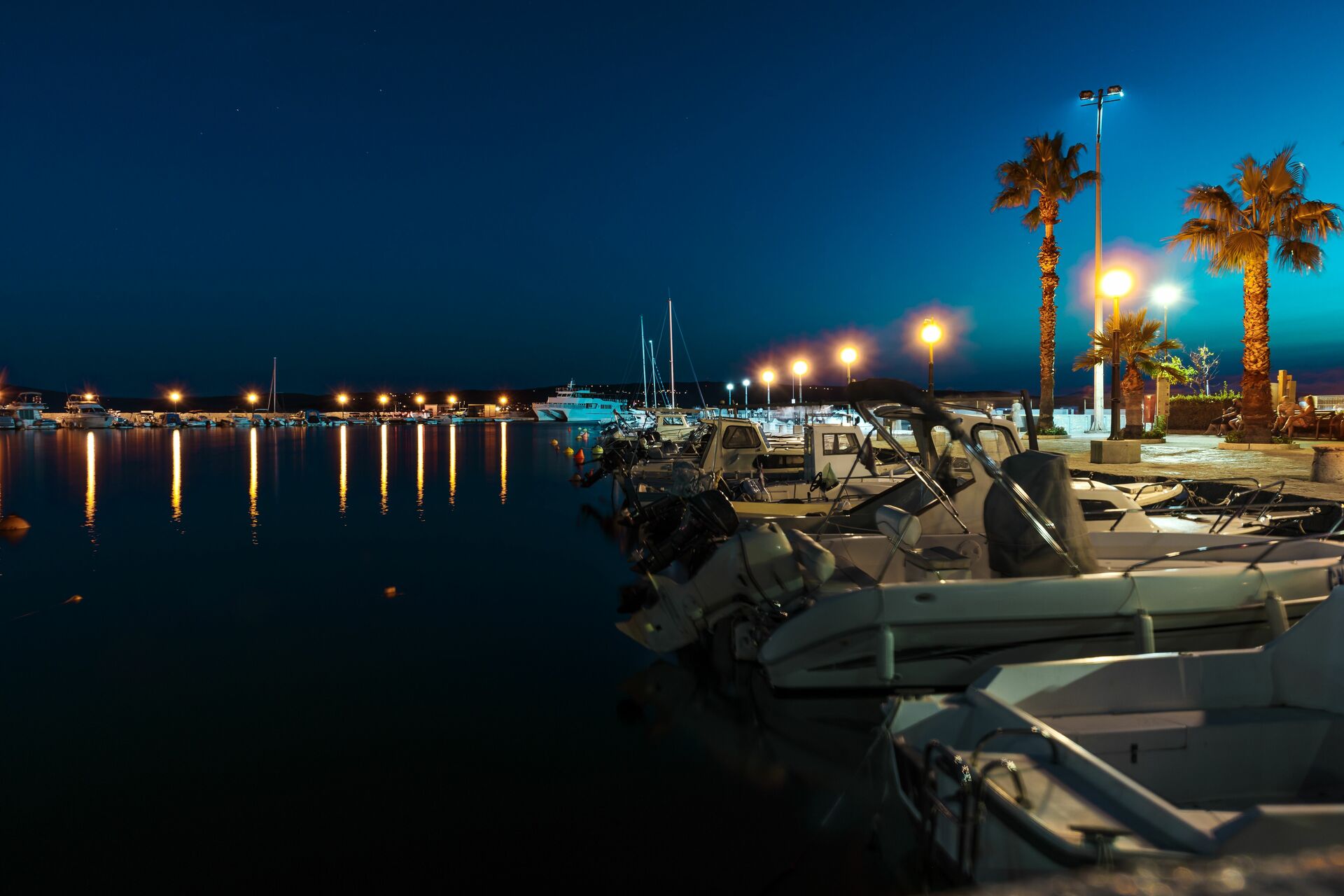
Nighttime boating rewards good preparation. Follow these steps before and during your trip to reduce risk and keep everyone on board safe.
- Check the weather and file a float plan. Review the evening forecast for wind, fog, or storms that could roll in after dark. Tell someone onshore your route and expected return time before you leave the dock.
- Test your navigation lights. Confirm your red port light, green starboard light, and white stern light all work and are the right color. Replace weak bulbs so other boaters can see you clearly.
- Pack your emergency gear. Bring a marine radio, flares, a spotlight, and a fully charged phone in a waterproof case. Check that everything is within reach before you shove off.
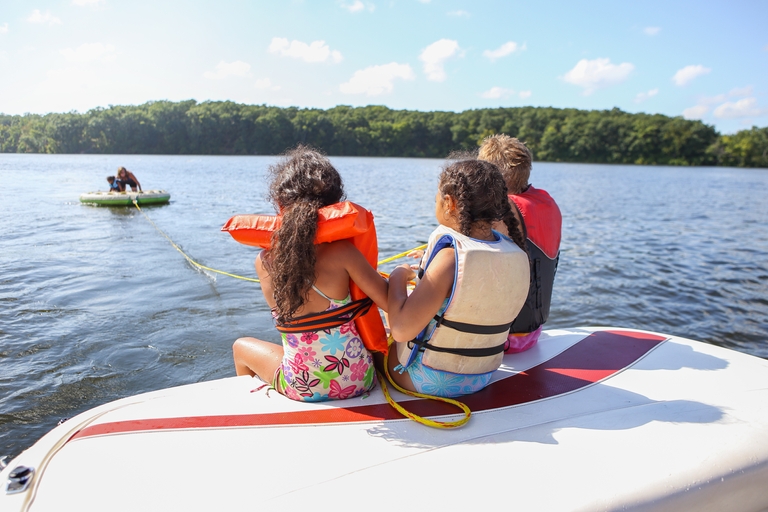
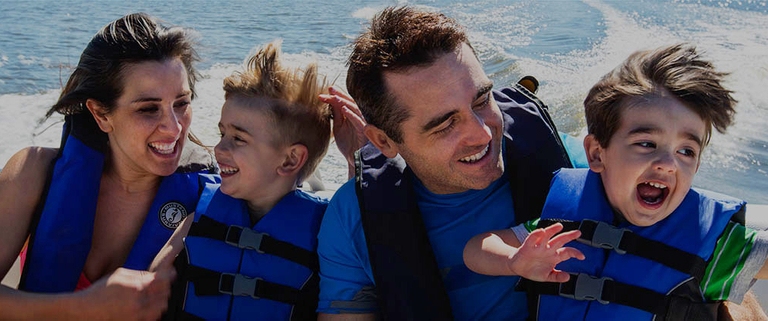
- Have every passenger wear a PFD. Rescues take longer in the dark, so a properly fitted life jacket matters even more at night. Confirm each PFD fits snugly and is in good condition.
- Slow down. Reduced visibility means less time to react to floating debris, swimmers, or other vessels. A slower speed gives you room to stop or steer clear of hazards.
- Assign a lookout. Put a passenger in charge of watching for buoys, docks, and other boats while you focus on operating the vessel. A second set of eyes catches hazards you might miss.
- Use lights carefully. Aim spotlights and flashlights at the water ahead, not at other boaters, to avoid temporarily blinding them. Switch to red or dim lighting when checking charts or gear to protect your night vision.
Nighttime boating takes extra planning, but these steps make the difference between a smooth trip and a dangerous one. Run through this checklist every time you head out after dark, and you'll be ready to handle whatever the water brings.
The Importance of Safety Awareness at Night
So, can you drive a boat at night? Most definitely, yes, but you'll need to be more careful and prepare for your adventure correctly.
Boating during darkness presents some significant challenges. For example, visibility is reduced, and heightened awareness is required. It's much harder to see objects in the water, including hazards that could damage your boat.
You also won't be able to see people in the water as quickly, and you may have trouble getting close to a pier or dock if it doesn't have the proper lighting or markings.
Night Boating Rules and Regulations
Before you head out onto the water in the darkness, you need to know some specific night boating rules and regulations. Being aware can protect you, others on your vessel, and other boaters around you.
Navigation Lights
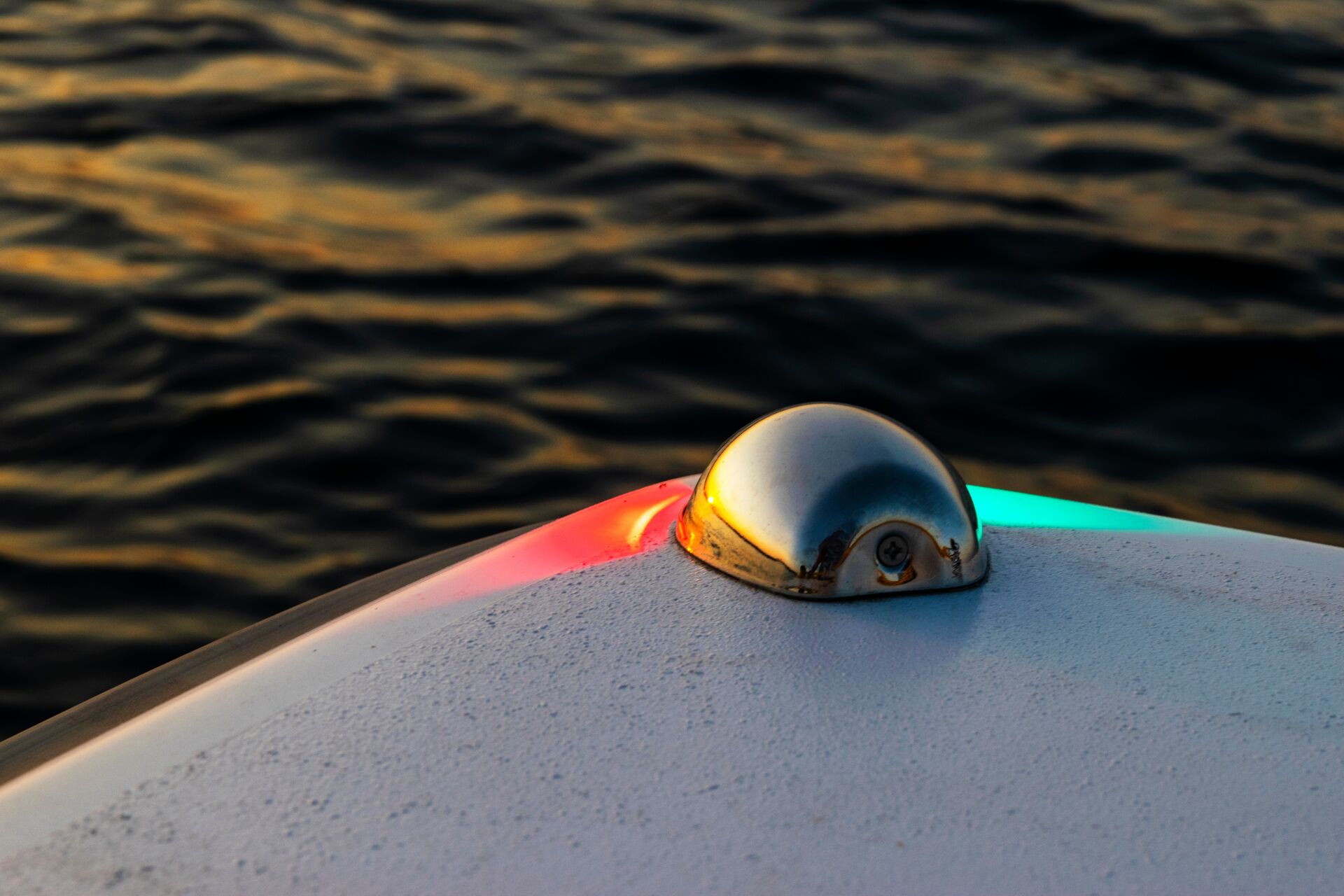
Properly functioning navigation lights are legally required, whether you're boating day or night. You must have them, and they need to be in good working order.
They must also be the right colors: red for port, green for starboard, and white for stern. Make sure they're placed correctly, and the bulbs are bright enough to provide the proper visibility range.
Right-of-Way Rules
The same right-of-way rules apply to all vessels, day or night. However, these rules are more important at night because you can't see other boaters as quickly.
Remember: Other boats will also have more trouble seeing you. So, to avoid a collision, make sure you follow the proper right-of-way rules at night.
Sound Signals
Sound signals (horns or whistles) are an excellent way to communicate your intentions, especially in low-visibility situations. When it's dark outside, you may need to rely on these signals more frequently, so ensuring they work correctly is essential.
Sound, lights, and right-of-way care can reduce the chances of damaging your boat or injuring yourself. Night time boating is inherently more dangerous than boating during the day, but proper care and planning can reduce the risk.
Visibility Best Practices for Night Time Boating
It's vital to increase your visibility when boating at night.
- Both spotlights and flashlights can help you see better when boating at night, but you must use them carefully. If you point them directly at other boaters, you could accidentally blind them to objects in their path, including other boats.
- Another way to improve visibility is to reduce speed. It's crucial to slow down so you can react to obstacles in time. Whether it's another vessel, a person in the water, or an obstacle or hazard, you need to be able to see it to avoid it.
- Maintaining a lookout is also a valuable way to increase visibility. You should have a designated person on board to assist with spotting buoys, other boats, floating debris, and anything else in the water that could end up in your path.
Essential Night Boating Gear
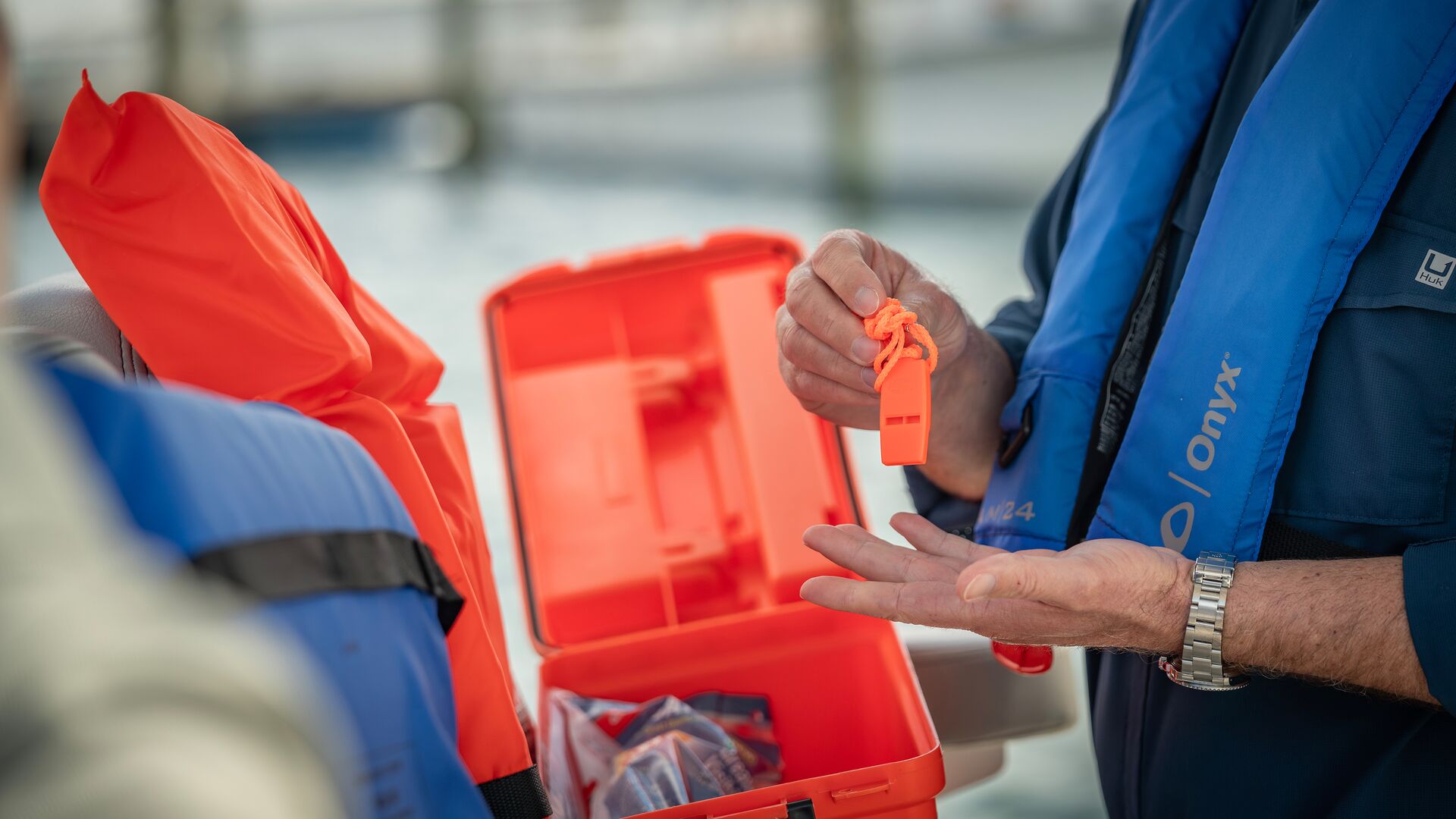
You need proper night boating gear to improve safety. For example, you should carry the following items (at a minimum).
Nighttime Boating Gear Essentials | |
| Item | Notes |
| Charts and GPS Devices | Carrying updated nautical charts and using GPS systems is recommended. |
| Personal Flotation Devices (PFDs) | Every passenger must wear a PFD, as rescue efforts can be more challenging at night. |
| Emergency Equipment | For boating at night, emergency items like flares, whistles, and a marine radio are essential. |
Before leaving the dock, make sure you have all crucial items and that everything works correctly.
Tips for Preserving Your Vision at Night
Bright lights, including phone screens, can hinder night vision.
If you need to see or read something while on your boat at night, choose red or dim lighting to preserve natural night vision. This will allow you to see obstacles more clearly and prevent your vision from being compromised.
Communication and Emergency Preparedness
Before taking your boat out at night, tell someone onshore about your trip details and estimated return time. Also, practice using your VHF marine radio so you can call for assistance if necessary.
Environmental and Wildlife Considerations
Nocturnal wildlife, such as birds or marine mammals, might be more challenging to spot than expected. Especially in areas with potential wildlife activity, you'll want to avoid high-speed travel and remain mindful of sudden movement.
Common Mistakes to Avoid
Many boaters who are not used to night time boating make the mistake of over-relying on technology. While electronic aids can be beneficial, combining them with knowledge of traditional navigation techniques is essential.
Also, be sure to account for weather changes. Check the evening weather forecasts to avoid being caught off guard by changing conditions. A storm during darkness can put you and your passengers at increased risk.
Boat Safely (Day or Night) With Boater Education
Boating safely (whether it's day or night) takes knowledge and experience. Before heading out for a night time boating adventure (or a day trip on the water), take a boater education course to increase your knowledge of safety best practices.
Not only is an online course through Boat-Ed an excellent way to learn how to navigate your boat safely, but most states require boat operators to take a boater safety course before hitting the water.
So, before you hit the water, make sure you meet your state's requirements to boat legally and safely!
Choose the Boat-Ed course for your state or get certified in Canada through Boat-Ed.


Content most recently reviewed and updated August 27, 2026.
Frequently Asked Questions (FAQs)
Q: Is it legal to go boating at night?
A: Yes, boating at night is legal as long as you follow required lighting and safety rules. All recreational vessels must display proper navigation lights between sunset and sunrise. Some vessel types, such as personal watercraft, face additional restrictions depending on the state.
Q: Are you allowed to boat at night in Florida?
A: Yes, most vessels can operate at night in Florida if they display the correct navigation lights, including red and green sidelights and a white stern light. Personal watercraft are the exception, since Florida limits PWC operation to daylight hours only, from sunrise to sunset. Operators without a boating safety education certificate also face stricter enforcement after dark.
Q: Can you boat at night in Texas?
A: Yes, standard motorboats can legally operate at night in Texas as long as they display proper red, green, and white navigation lights. Personal watercraft are the exception, since Texas law prohibits operating a PWC between sunset and sunrise. Always check local rules before heading out after dark.
Q: Can you spend the night on your boat?
A: Yes. Many boaters spend the night aboard their vessel at anchor, at a marina slip, or on a mooring ball. Rules on overnight stays and anchoring limits vary by location, so check with the marina or local harbor authority first. Keep your anchor light on and visible if you're staying overnight away from a lit dock.
Q: Do you have to have lights on your boat at night?
A: Yes, federal law requires navigation lights on all recreational vessels operating between sunset and sunrise or in reduced visibility. These typically include red and green sidelights and a white stern or all-around light, depending on your boat type. Operating without proper lights can lead to fines and puts you and other boaters at serious risk.
Q: Which side of the boat has a green light at night?
A: The green light is on the starboard side, which is the right side of the boat when facing forward. The port, or left, side shows a red light. Together, these sidelights help other boaters judge your direction of travel in the dark.
Q: When boating at night, what does a single white light mean?
A: A single white light usually means you're seeing another vessel's stern light, an anchored boat, or a small craft showing only an all-around white light. In most cases, seeing only a white light means you do not have the right-of-way. Slow down, stay alert, and be ready to change course to avoid a collision.