What is the Boat Terminology Every Boater Needs to Know?
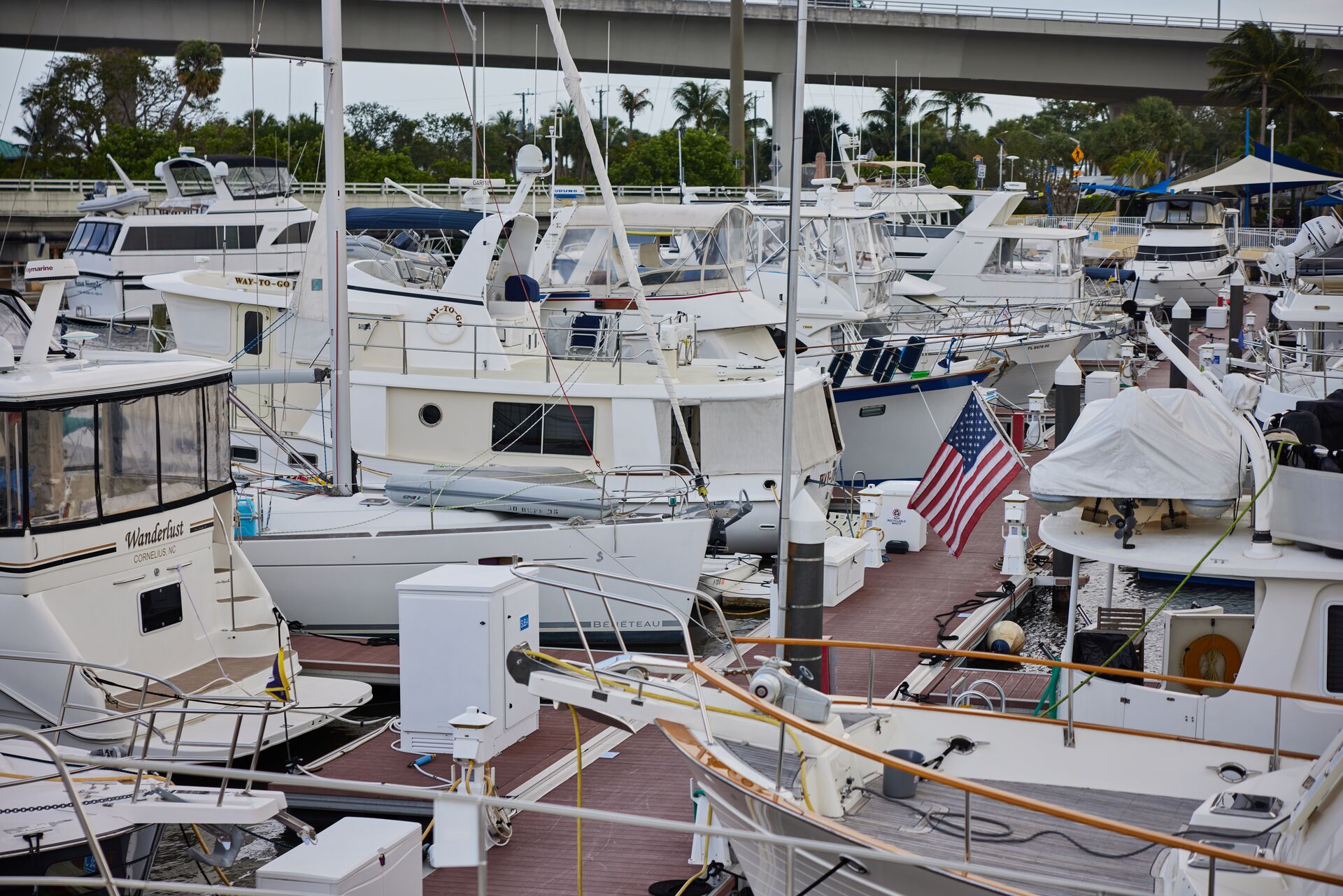
Understanding boat terminology is a valuable skill for anyone venturing onto the water. Learning nautical terms can help you communicate clearly in an emergency and better protect yourself, your boat, and others.
Using the proper terms for the parts of a boat, your location, and any maneuvers you plan to make can reduce confusion aboard your vessel. Here's what to know about the necessary language to use on all your nautical adventures.
What Are the Basic Boating Terms?
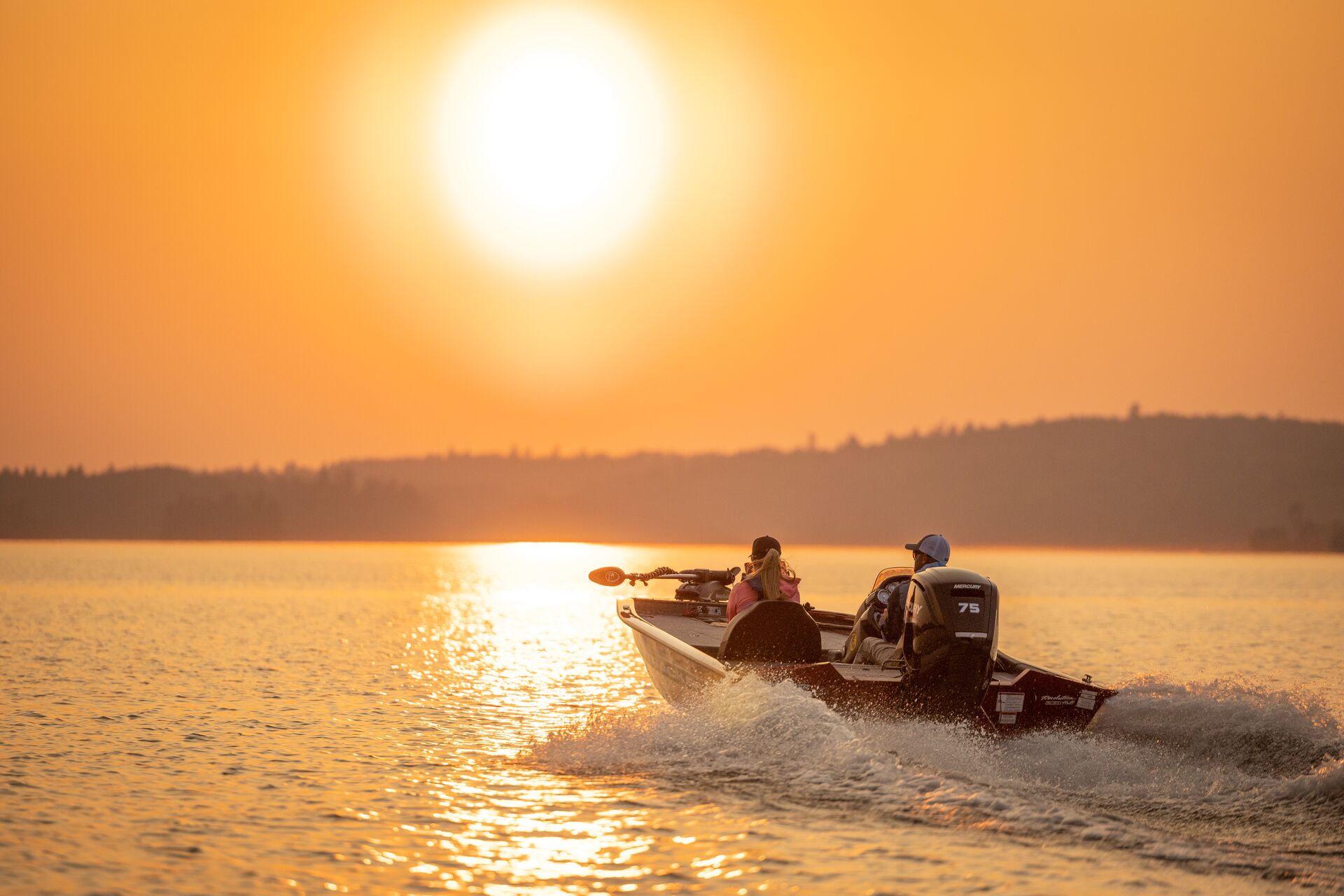
Boaters have a unique language to describe directions, parts of a vessel, and actions. You don't have to know them all by heart to stay safe on the water, but it's critical to learn the most important boating words for beginners.
Here are a few to get you started.
Basic Boat Terminology | |
Ahead | This term refers to your boat moving forward in the direction of the bow. A command such as "engines ahead" means you'll be moving forward. |
Astern | Use this term to move your boat backward, in the direction of its stern. If you use the term "engines astern," you mean " go in reverse." |
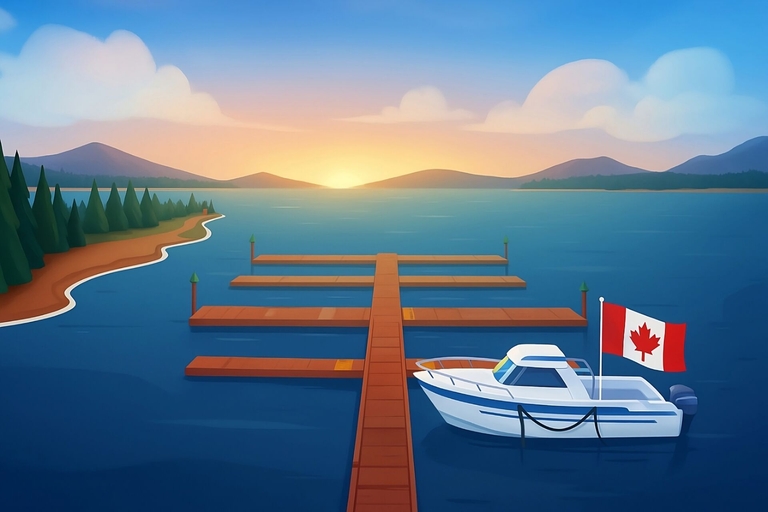
Docking | Docking a boat includes bringing your vessel up to the dock and securing it. Use careful maneuvering and know how to tie lines to cleats. |
Mooring | Use this term when you're securing your boat to a fixed object in the water, such as a buoy, an anchor, or a dock. The difference between mooring and docking is that mooring doesn't always involve a dock or pier (it could occur offshore). |
| Casting Off | To cast off means to release the lines that tie your boat to a dock or mooring. This term is the opposite of docking and mooring. Use it when you're ready to start moving your boat through the water. |
| Transom | The transom is the flat vertical surface at the very back of a boat, typically where outboard motors are mounted. |
| Aft | Aft means near the back (stern) of the boat. If someone asks you to "move aft," they're asking you to move toward the stern. |
| Forward | This term is the opposite of aft, meaning toward the front (bow) of the vessel. If "go forward" is requested, you'll want to head toward the bow. |
| Underway | If your vessel is underway, it's moving through the water and not tied to a dock, anchored, or moored. |
| Cleat | A cleat is a metal fitting, typically shaped like horns or a T. It's located on the deck of your boat and on the dock, and it's used to tie your lines (ropes) securely. |
| Trim | Trim refers to a boat's ability to balance in the water, both fore-and-aft and side-to-side. This term can also refer to adjusting the angle of a motor or sails. |
| Bilge Pump | This pump removes water collected in the bilge, the lowest part of the boat. It's essential safety equipment to prevent flooding. |
| Navigation Light | These lights indicate your boat's position, direction, and status. They're vital safety equipment at night and in any situation with poor visibility. Examples of navigation lights include red for port/left, green for starboard/right, and white for stern or mast. |
| Anchor Light | Use this light when your vessel is anchored at night, to show other boaters that your boat is stationary. |
| Docking Light | An essential part of boat terminology, a docking light is a bright light at the bow of your boat. You'll use it to illuminate the dock when you arrive at night. Just remember that it's not for navigation while underway. |
| Impeller | This small, rotating part is found in pumps or engines that move water. In marine engines, the impeller draws in water to keep the motor cool. |
| Mooring Cover | A mooring cover is a fitted cover that protects your entire boat, generally while it's tied up or in storage. Using a cover helps reduce issues related to rain, debris, or sun damage. |
| Playpen Cover | This is a special type of cover used on pontoon boats to protect the seating area, known as a "playpen" (though it doesn't cover the entire deck). |
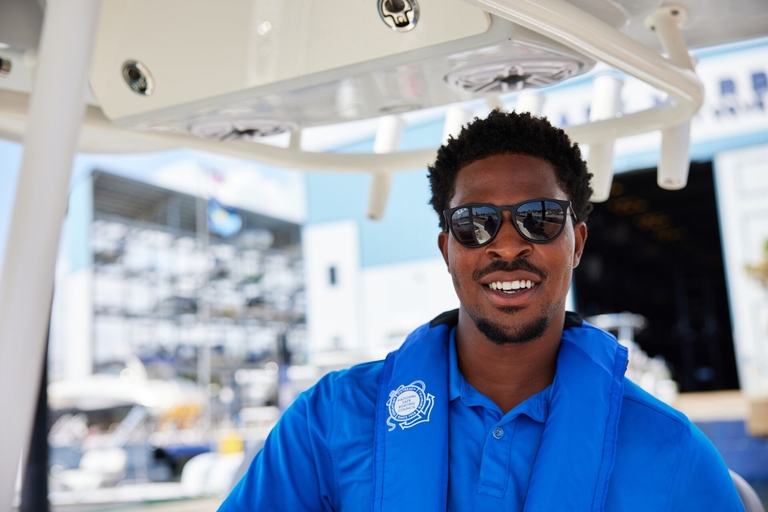
| PFD (Personal Flotation Device) | A PFD, or personal flotation device, is a life jacket or life vest designed to keep a person afloat, and it's required safety equipment on all vessels. PFDs are available in inflatable models as well as traditional foam. |
| Ballast | A ballast is weight added to a boat in critical areas to enhance stability. |
| Aweigh | This term refers to the position of the anchor when it's raised above the bottom and not in use. |
More Boating Words for Beginners
How about a few more basic boating terms to remember? These terms are also critical for safety and navigation.
- Bow: the front of the boat
- Stern: the back (rear) of the boat
- Port: the left side of the boat when you're facing forward
- Starboard: the right side of the boat when you're facing forward
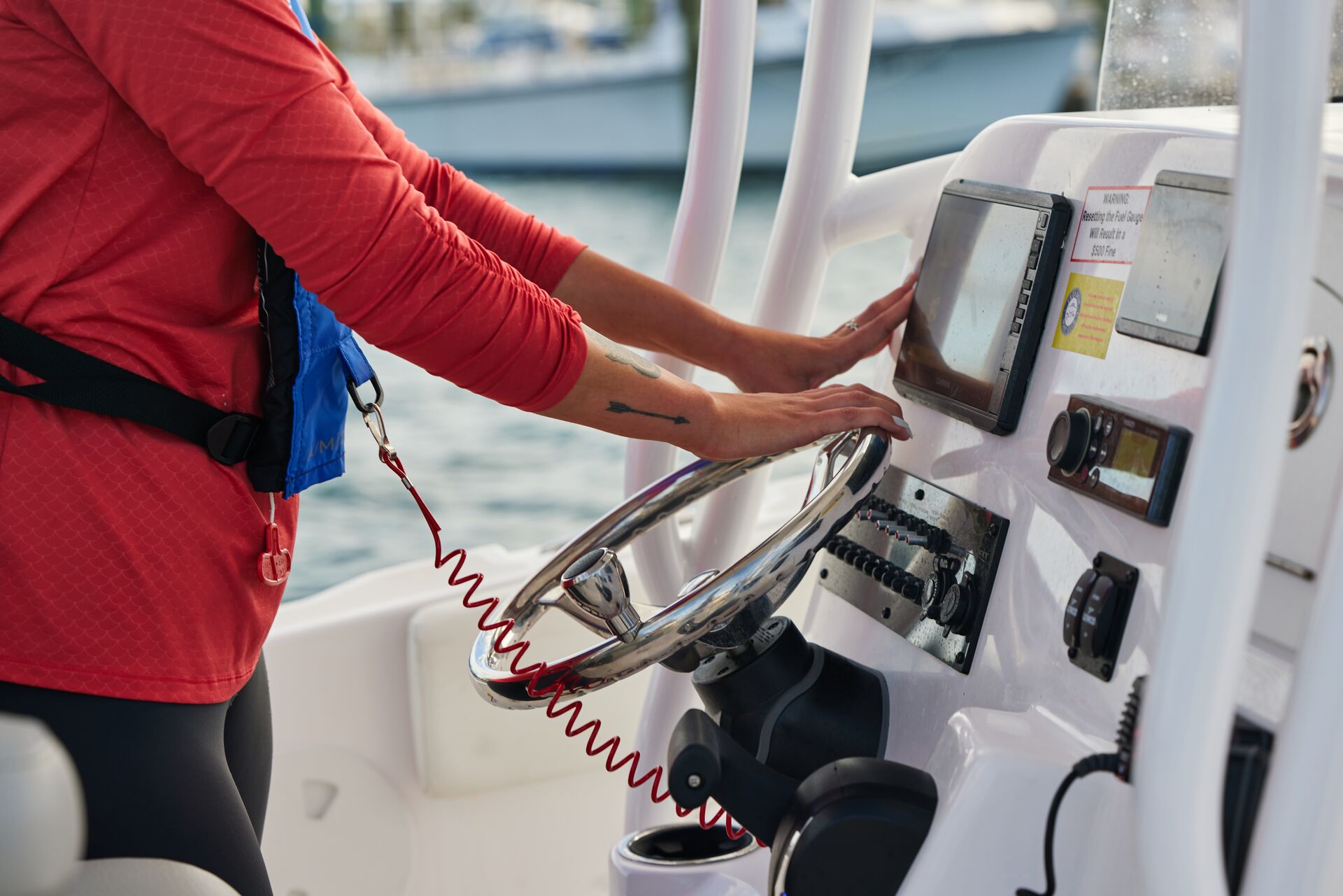
- Helm: where you stand to steer your boat
- Deck: the flat surface you walk on
- Line: the type of rope used on a boat
- Hull: the entire body of the boat
- Draft: the depth of your boat below the waterline
Knowing the difference between port and starboard, understanding your boat's draft to avoid grounding, and becoming familiar with proper terminology can lead to greater confidence and a more enjoyable boating experience.
How Can I Learn Essential Boat Terminology?
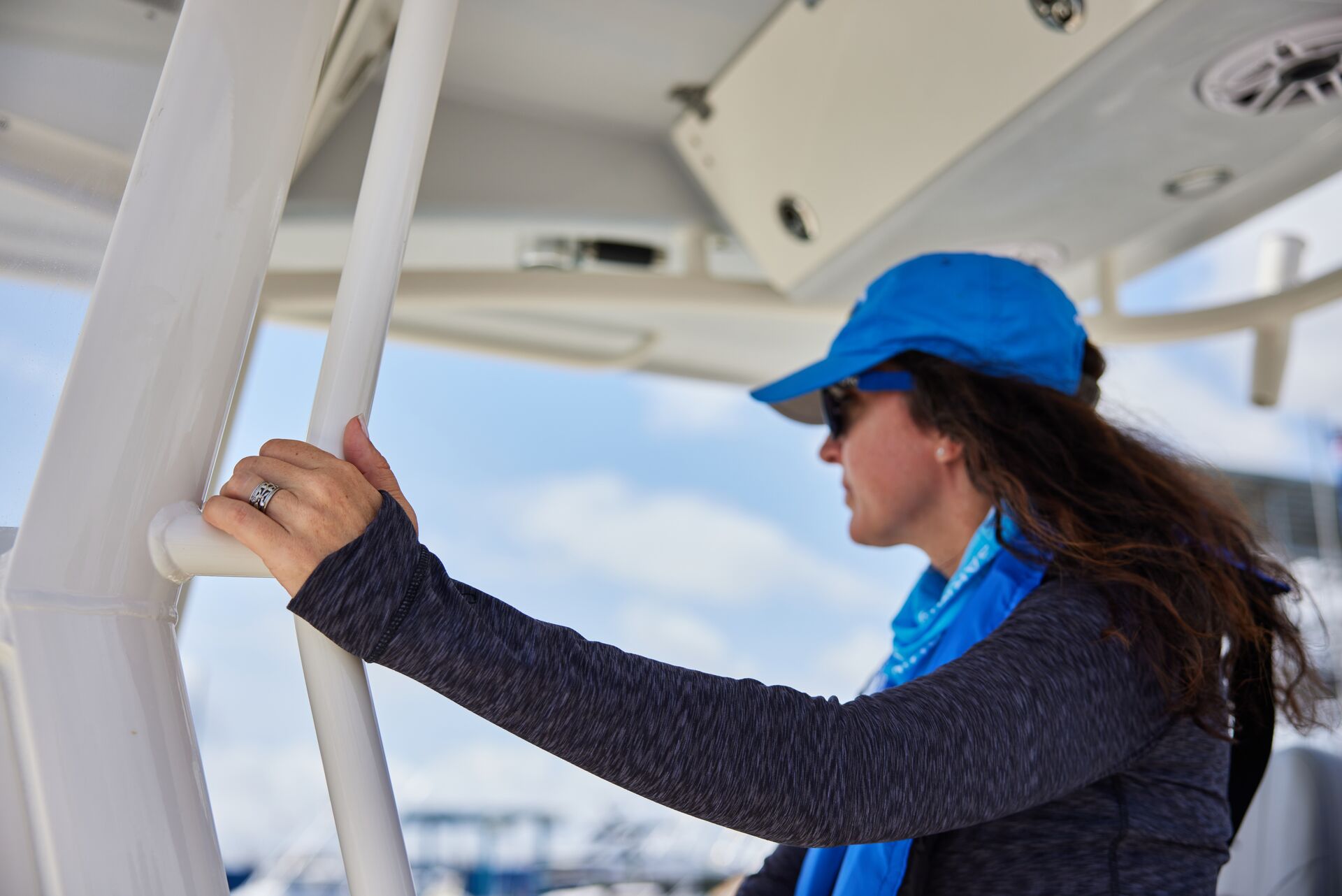
To learn and understand the most essential boating terms, take a boating safety course (in person or online). You can also study a glossary and a boat terminology diagram.
To practice nautical terms, spend time on the water, use flashcards or apps, and ask experienced boaters to explain words when they come up organically.
Why Is It Important to Know Nautical Terms?
Knowing nautical terms is essential for clear communication and safety on the water. This knowledge also helps you understand navigation rules, safety instructions, and manuals, and learning these words can help you develop respect for boating culture.
Learn More Boating Terminology and Safety Essentials with a Boat Education Course
Learning boating words for beginners helps you understand the parts of your boat and how it works. This knowledge helps you navigate safely and communicate with other boat operators while on the water.
Take time to study the terms we provided today and become proficient in "talking boat" so you can handle your boat with ease and avoid accidents on the water.
Before you head out for a boating adventure, make sure you also take a boat education course to learn more terminology and increase your safety on the water. Boat-Ed makes it easy to learn safety essentials while meeting the boater education requirements for your state or Transport Canada.
In the U.S., take the online Boat-Ed boater safety course for your state.
For boating in Canada, take our Transport Canada-approved course.
Frequently Asked Questions (FAQs)
We have answers to common questions about boat terminology.
Q: What are the basic terms used in boating?
A: Several common boating terms include bow (front), stern (rear), port (left), starboard (right), hull (body), helm (steering area), and draft (depth below waterline).
Q: What is the front of a boat called?
A: The front of a boat is called the bow.
Q: What is port vs starboard?
A: "Port" refers to the left side of the boat when facing forward, while "starboard" refers to the right side.
Q: What is the difference between bow and stern?
A: The bow is the forward end of a boat, while the stern is the rear end.
For boating in the U.S., take the online Boat-Ed boater safety course for your state.
For boating in Canada, take our Transport Canada-approved course.