Boating License vs Boater Education Card: What's the Difference?
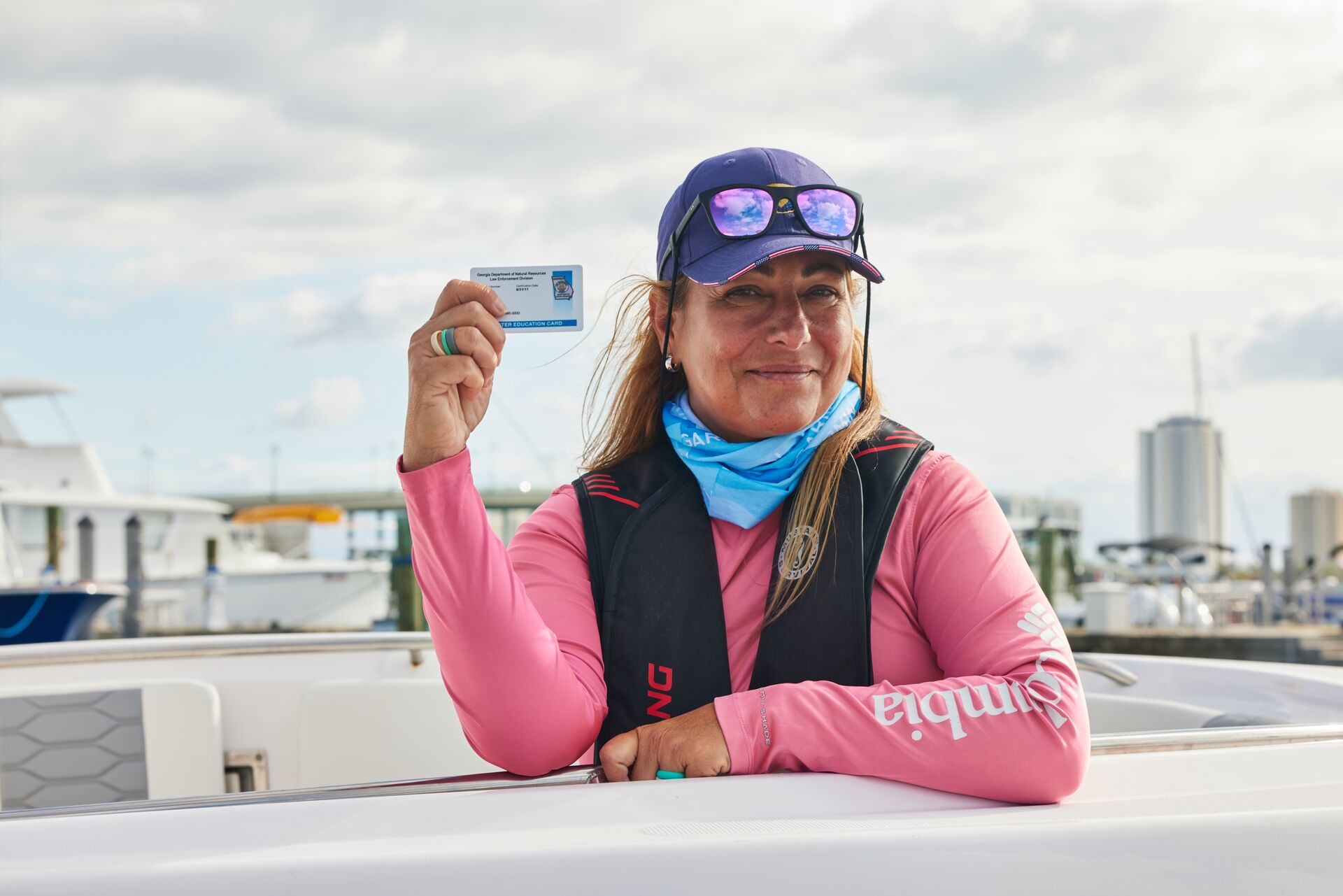
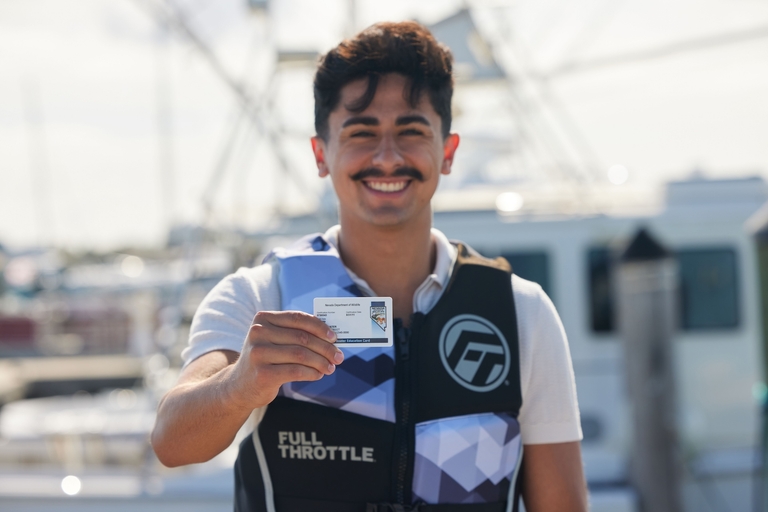
Most US states don't issue boating licenses the same way they issue driver's licenses. What most people call a boating license is usually a boating safety certificate or boater education card. This credential proves you've completed an approved boating course.
Generally, the card doesn't expire and can be used in your home state and in other states through reciprocity. Whether it's called a boating license vs boater education card or another term depends on your state. For example, you might see it called a boater card, boating safety certificate, boater education card, or boater ID card.
No matter what term your location uses, having the right credentials is essential to safe and lawful use of a motorized vessel. Here's what you need to know.
Boating License vs Boater Education Card: What's the Difference?
Calling a boater education card a "boating license" is popular shorthand. You'll see it on search engine results, and vessel retailers and boaters widely use it. However, it's important to note that it's rarely the official term for a boating certificate or safety card.
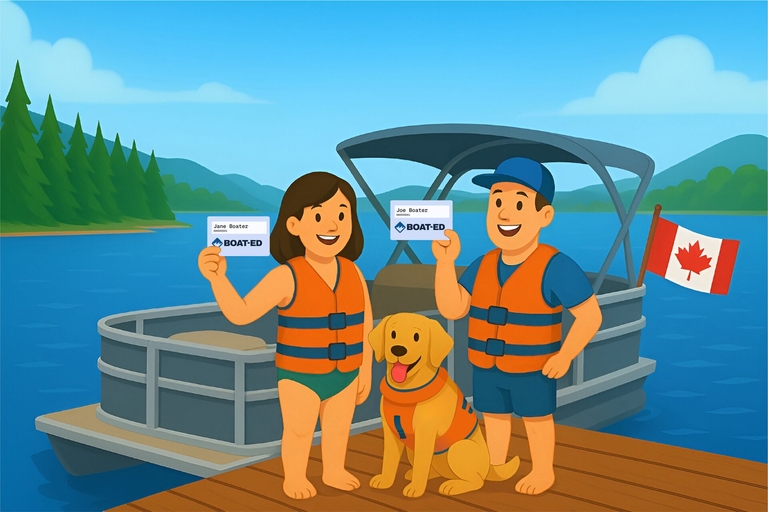
So, what is a boater education card? It’s the card that's issued when someone completes a boating safety course through an approved provider, and it's crucial to know the correct terminology. There's no federal boating license in the US, and requirements and names vary from state to state. Additionally, Canada refers to its boating license as the Pleasure Craft Operator Card (PCOC).
At the end of the day, if someone tells you they need to get a "boating license," they're talking about a boater education card or boater safety card. Using the correct term for your state of residence can make it easier to find information on how to get this card.
Boating License vs. Boater Education Card | ||
| Boating License | Boater Education Card | |
| Official name | Not an official term in most states | Varies by state: Boater Education Card, Boater Safety Certificate, Boater Card, PCOC (Canada) |
| Who issues it | No federal issuing authority exists | State boating authority or approved education provider (e.g., Boat-Ed) |
| Based on | Commonly confused with a driver's license model | Completion of a state- or NASBLA-approved boating safety course |
| Expires? | n/a | No (one-time certification in most states) |
| Required to carry? | n/a | Yes (most states require you to carry it on board whenever operating a motorized vessel) |
| Recognized in other states? | n/a | Yes — if issued by a NASBLA-approved provider |
| U.S. federal requirement? | No | No — requirements are set by individual states |
| Canada equivalent | Boating Licence | Pleasure Craft Operator Card (PCOC) |
Why Does the Name Vary by State?
When it comes to the boating license vs boater education card debate, know that every state sets its own boating laws. That includes who needs credentials to operate a motorized vessel on the state's waterways, and what those credentials are called.
The federal government doesn't issue a national boating license, and you can expect to see different names for boater safety cards, depending on where you live or travel.
For example, some of the most common official names include:
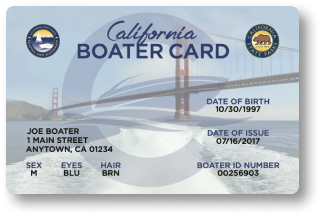
- Boater Education Card (in the majority of Southern and Midwestern states)
- Boater Safety Certificate (in New Hampshire and Massachusetts)
- Boater Card (in California)
- Pleasure Craft Operator Card (PCOC in Canada)
Regardless of what the certificate is called where you live, it's issued after you complete a state- or federally recognized boating course and pass the exam.
The National Association of State Boating Law Administrators (NASBLA) sets national standards to ensure credentials are recognized across state lines. Some state boating license requirements are stricter than others, and not every state has reciprocity with others.
Is a Boater Education Card Required?
The short answer to whether you need a boater education card is maybe.
Requirements vary by state and can depend on your age or birth year, the type of vessel you're operating (such as a motorboat, personal watercraft, or sailboat), and your vessel's horsepower.
Some states require boater education cards for all operators. These cards are valid for life and don't expire. In other states, older boaters are "grandfathered in," and only younger boaters need to take a course.
More states are expanding their requirements, though, to include everyone who operates a motorized vessel on their waterways. Massachusetts, for example, has a phased rollout of operator safety certificate requirements under the Hanson-Milone Boater Safety Act.
Even if your state doesn't require a boating safety card, completing a course is a great idea. Many rental operators and marinas require all boaters to have a safety card, and your boating insurance provider may also request proof that you've passed a safety exam. You can check your state's current requirements through Boat-Ed’s resources.
How to Get Your Boating License or Boater Education Card
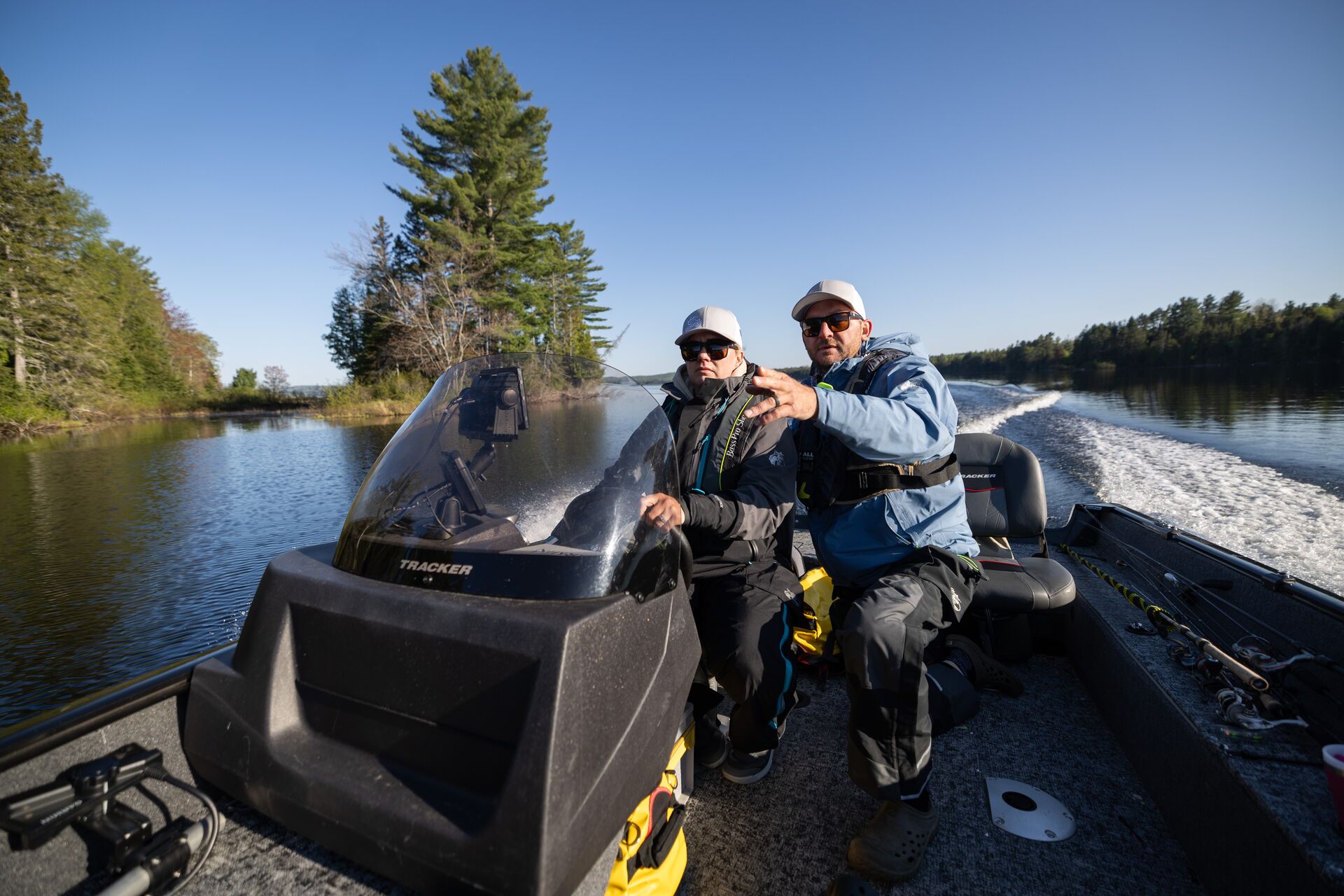
No matter what your state calls this credential, the process of getting it is similar. There are some simple steps you can follow to get your boater education card and be out on the water in no time.
- Find out what your state calls its boating safety credential. Your state's boating authority or the Boat-Ed page for your state's course can tell you what's required and what it's called.
- Determine whether your state requires you to have a safety card based on your age and vessel type. This can depend on your birth year, the vessel's horsepower, and the type of boat you're operating.
- Take a state-approved course (like the ones we offer here through Boat-Ed). Getting a boating license is inexpensive, and you can choose online or in-person options. When you take a course, you'll learn about safety equipment, navigation rules, state-specific laws, and emergency procedures.
- Pass the final exam. Most states require a score between 70% and 80%.
- Receive your certificate or card. You can print your temporary certificate right away, and your permanent card will arrive in the mail in four to six weeks.
- Keep your card on board while operating a vessel. Most states require you to show it to law enforcement if asked, so you need a physical copy (or an approved digital version in states that allow it) whenever you're operating your boat.
Most online boating safety courses can be completed in one afternoon or evening, so you can be ready to boat in no time.

What About Canada? Do I Need a Boating License?
In Canada, a boating license is called the Pleasure Craft Operator Card (PCOC). It's required for anyone who's operating a motorized pleasure craft on the country's waterways.
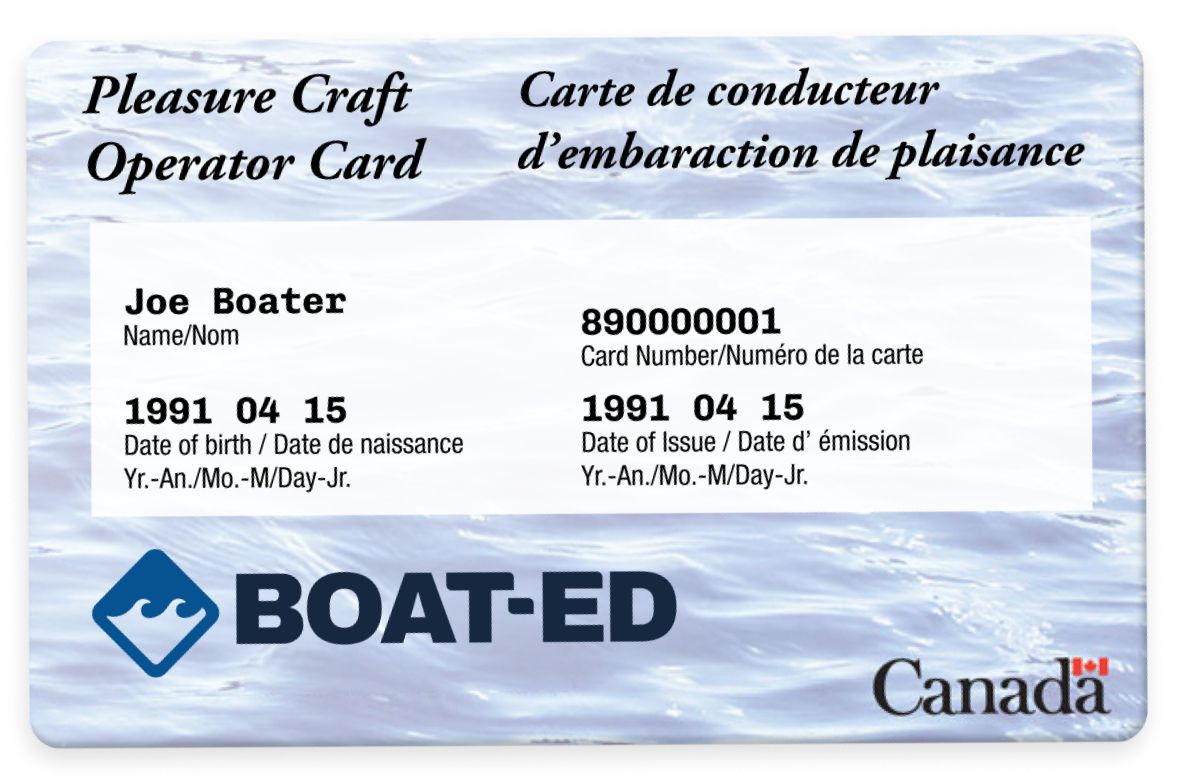
If you live in Canada and are asking yourself, "Do I need a boating license?" the answer is yes.
To get your PCOC, you'll need to take a Transport Canada–accredited boating safety course. Once you get your card, it's valid for life, and you can use it in every Canadian province or territory.
At Boat-Ed, we offer the Transport Canada–accredited course for Canadian boaters, making it simple and convenient to get your PCOC.

Take the Boater Education Course for Your Region to Get Your Boating License
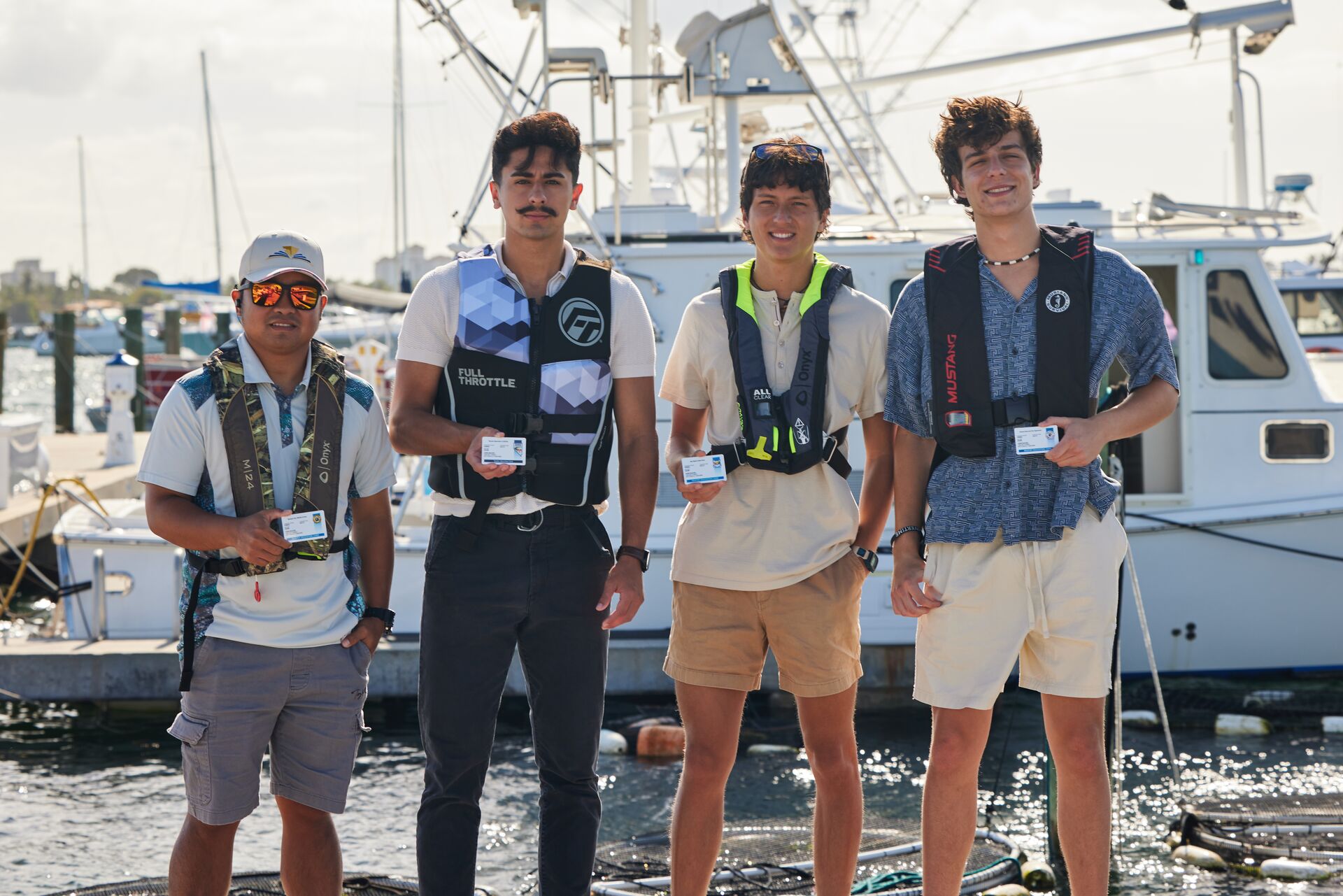
Whether your state uses the term certificate, card, or license, we at Boat-Ed can help you get the right credential for your location. Boat-Ed offers state-approved and NASBLA-recognized courses for US states and Canada.
All our courses are self-paced, online, and take only a few hours so that you can become a safe, prepared, and confident boater.


Frequently Asked Questions About Boat-Ed vs. BoatUS
Q: Is a boating license the same as a boater education card?
A: Not usually. In most US states, "boating license" is an informal term people use to describe a boater education card or boating safety certificate. The official name varies by state, but it generally refers to proof that you've completed an approved boating safety course.
Q: Do I need a boating license or a boater education card to operate a boat?
A: It depends on your state. Many states require a boater education card for certain operators based on age, birth year, vessel type, or engine horsepower. Check your state's requirements before heading out on the water.
Q: Do US states issue actual boating licenses?
A: In most cases, no. States typically issue a boater education card or boating safety certificate after you complete an approved course. There is no federal boating license in the United States.
Q: Does a boater education card expire?
A: In most states, no. A boater education card is valid for life once you've successfully completed the required course. However, it's always a good idea to verify your state's rules in case there are exceptions.
Q: Will my card from one state work in another?
A: Usually, yes. Many states recognize boating education credentials issued by approved providers through reciprocity agreements. However, recognition isn't universal, so check the requirements of the state where you'll be boating before your trip.
Q: Is the test similar to a driver's license test?
A: In some ways. Like a driver's license exam, you'll answer multiple-choice questions to demonstrate what you've learned. The boating exam focuses on navigation rules, boating laws, required safety equipment, and safe vessel operation rather than road rules.
Q: What's the youngest age to get a boater card?
A: The minimum age varies by state. Some states allow children to complete a boating safety course, while others set minimum ages for certification or independent boat operation. Check your state's boating authority for the specific requirements where you live.
Q: Why do people call it a "license" if it's really a card?
A: Many people use "boating license" because it's familiar and easy to understand, much like a driver's license. Even though most states officially issue a boater education card or safety certificate, the informal term has become common in everyday conversation.