Do You Need a Boating License in Michigan?

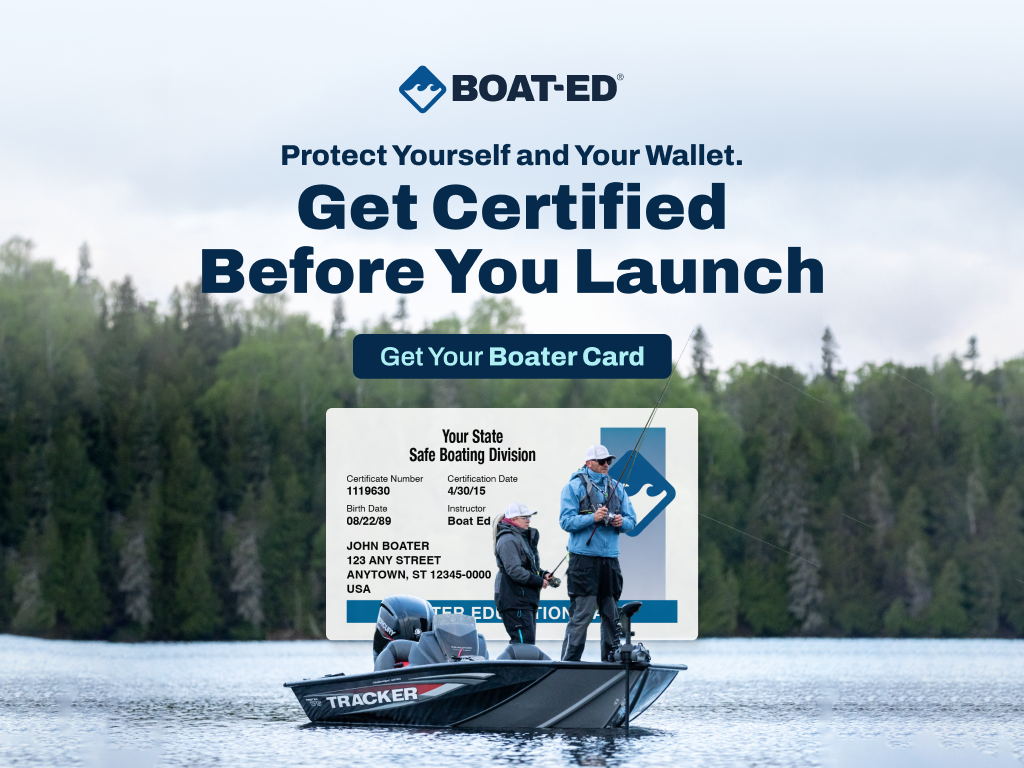
Michigan doesn't issue a "boating license" in the same way as a driver's license, but it does require certain operators to get a Boating Safety Certificate. This certification is also sometimes called a boater education card.
Whether you need a boater education card depends on your age and the type of vessel you're operating.
So, do you need a boating license in Michigan? In most cases, yes. Here's what to know about getting a license and whether you're required to do so.
| Michigan Boating License — Quick Facts | ||
| License vs. Certificate Technically, it's a Boater Education Certificate | Who Needs It Most motorized boat or PWC operators | How to Get It Take a state-approved boater safety course |
In This Guide
Do You Need a Boating License in Michigan?
Not everyone needs a boating license in Michigan, but most people do. Even if you're not required to get one, taking a boating course can make you a safer and more responsible vessel operator.
Motorboat Operators
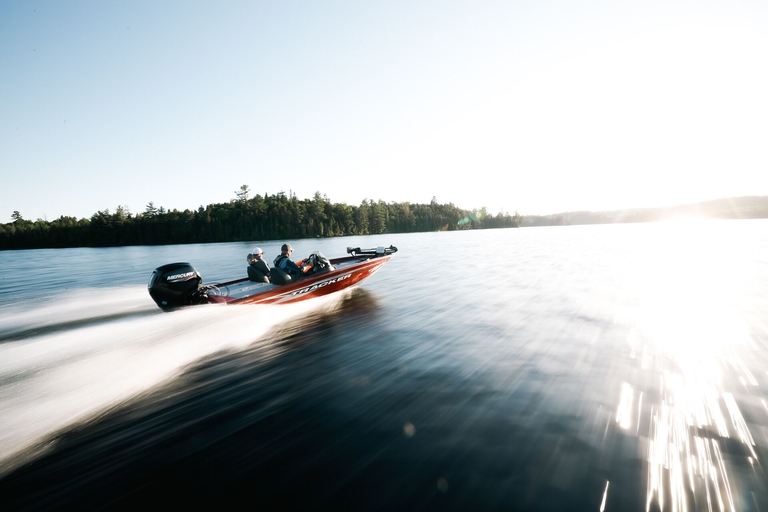
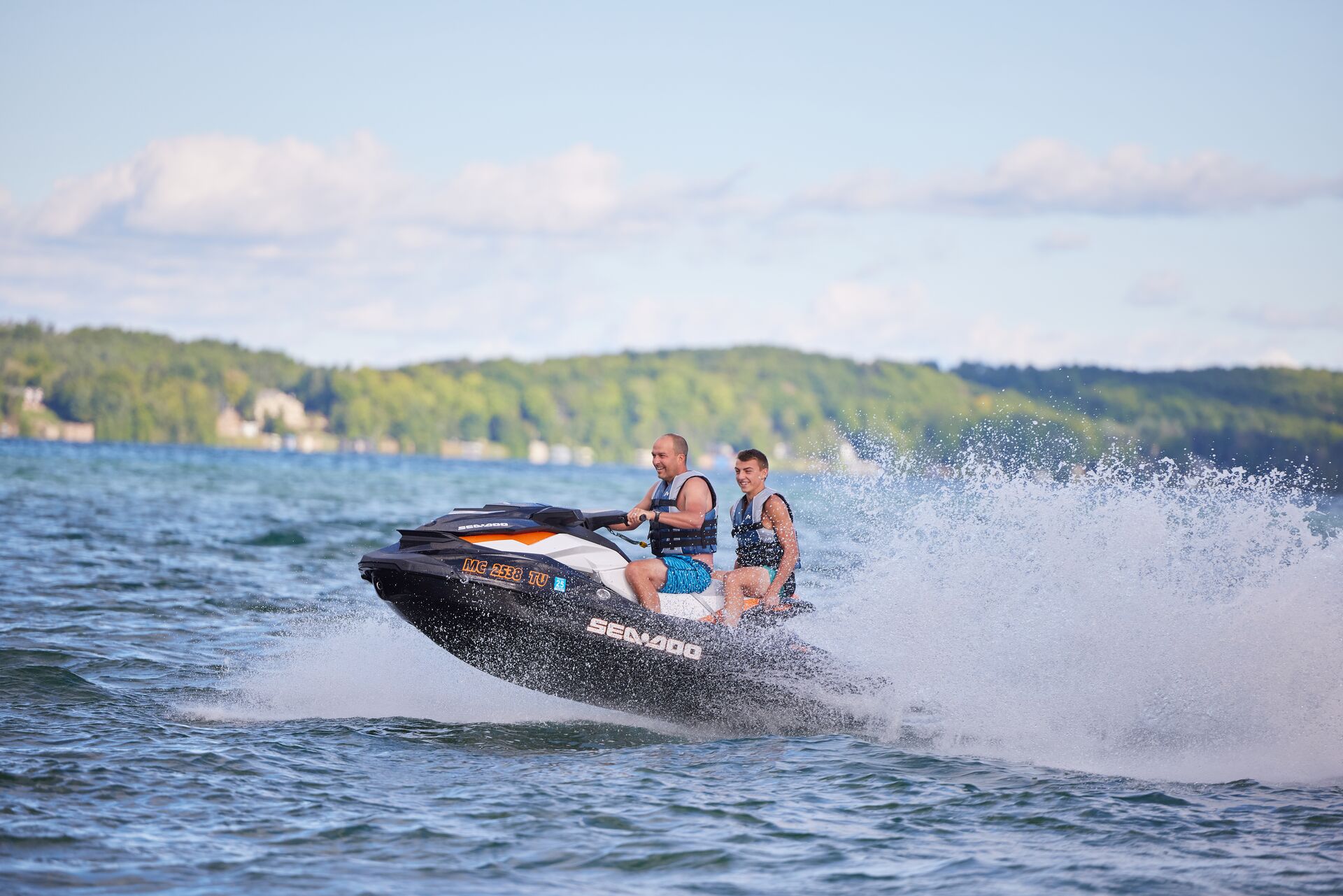
If you were born on or after July 1, 1996, you're required to have a boating safety certificate to operate a motorized vessel that has more than six horsepower. Michigan does not require a license to operate certain wind-powered or people-powered vessels such as sailboats, canoes, and kayaks.
Personal Watercraft (PWC) Operators
People born after December 31, 1978, must get a Michigan Boating Safety Certificate to operate a PWC (like a jet ski). This requirement applies to adult operators; children have different boating rules and requirements.
Young Operators (Under 12 Years Old)
Children under 12 can operate boats with a horsepower of six or less without a certificate. If your child plans to operate a boat with a 6–35-horsepower motor, they'll need to get a certificate and be supervised by someone 16 or older. Children under 12 are never legally allowed to operate a boat that has more than 35 horsepower.
What Is a Michigan Boating Safety Certificate?
Boaters receive a Michigan Boating Safety Certificate after completing a state-approved boating safety course. While many people think of it as a license, it's not the same kind of document as a driver's license. However, it's recognized statewide and is also generally accepted in other states through reciprocity agreements.
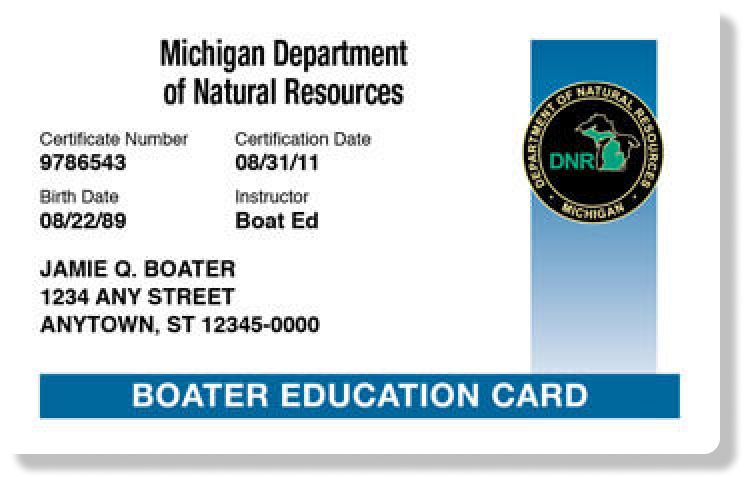
Earning this certificate shows that you understand boating rules and regulations, navigation requirements, and emergency procedures.
Not only does it ensure legal compliance, but it can also help you gain increased confidence and peace of mind on the water.
How to Get a Michigan Boating Safety Certificate
Do you need a boating license in Michigan? Probably, but the good news is that it's easy to get one, and the cost of a boating license is minimal. You can take a boating safety course and a test to get your boating license in an afternoon or evening from the comfort of your own home.
Step 1: Take a State-Approved Safety Course
To get your Michigan boating license, you'll need to complete a boating safety course and pass the exam at the end. Several providers offer online courses, including Boat-Ed. Online courses are self-paced, convenient, and accessible from anywhere with an internet connection, making it easy to complete your boater's safety training.
If you learn better in a group or want to be with others while you earn your boating license, in-person classes are also available. The Michigan Department of Natural Resources (DNR), county sheriff's offices throughout the state, and the U.S. Coast Guard Auxiliary all offer in-person classes.
In-person learning can be ideal for younger boaters or students who prefer to ask questions and receive hands-on instruction.
Step 2: Pass the Exam
Once you complete the course—which covers boating laws, safety equipment, navigation rules, and emergency procedures—you'll take an exam. Passing the exam earns you a Boating Safety Certificate, which is valid for life.
Key Michigan Boating Rules to Remember
Earning your certificate isn't the end of your boating responsibilities. You'll also need to pay attention to the rules on the water and other requirements for safe boating.
| Michigan Boating Rules to Remember | |
| Carry Your Certificate | License Does Not Expire |
| Register Your Boat | Follow Life Jacket Laws |
- Carry Your Certificate On Board. If you're required to have a Michigan boater safety card, you'll need to carry it on board while boating. Law enforcement may stop you for a safety check or other reasons and ask for your card. You can face a penalty if you don't have it with you.
- No Expiration Date. Your Michigan Boating Safety Certificate doesn't expire; it's valid for life. You'll never have to worry about renewing it the way you do a driver's license.
- Boat Registration Is Required. The Boating Safety Certificate is for you, not your vessel. It allows you to operate a motorized vessel on Michigan waterways legally, but you also have to keep that vessel legally compliant. To do that, you'll need to register your boat with the Michigan Secretary of State.
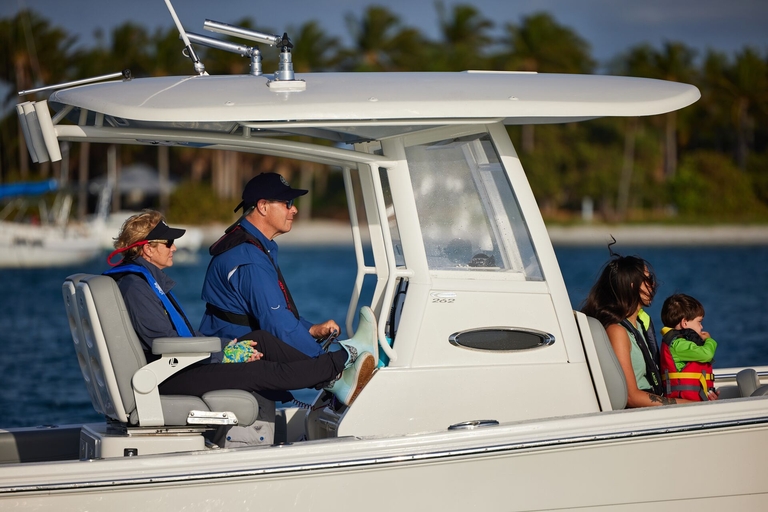
- Meet Life Jacket Requirements. Life jackets are some of the most important pieces of safety equipment on your boat, and they need to be properly sized for your passengers and easy to access.
Remember: To meet legal life jacket requirements, you need one U.S. Coast Guard–approved life jacket for every person on board, including babies and children.
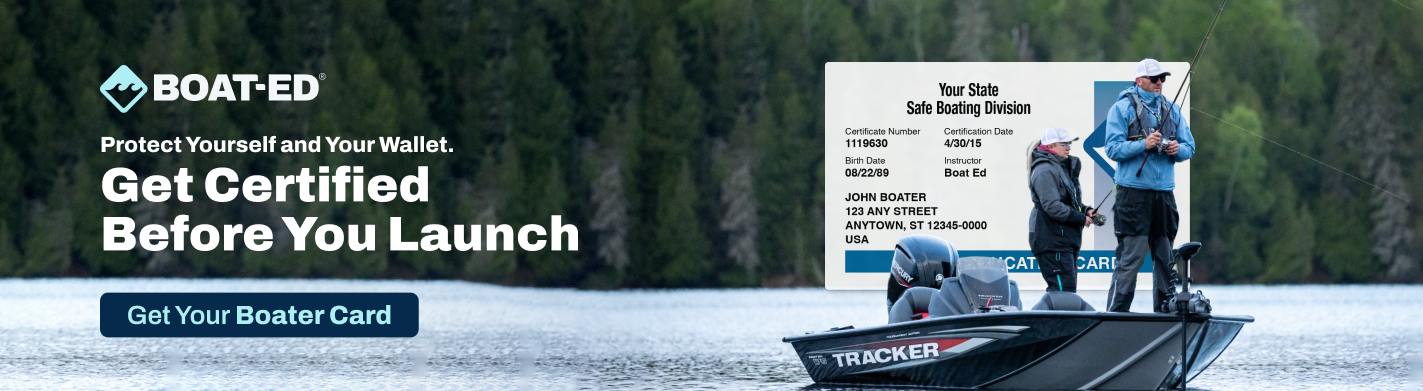
Get Your Boater License in Michigan with Boat-Ed
Michigan's boating laws help keep you and other boaters safe on the water. It's simple and affordable to get certified to operate a motorized vessel, and that certification is valid for your lifetime.
Even if you're not required to have a Michigan boating license, taking the course is one of the best investments you can make for a safer and more enjoyable boating experience. At Boat-Ed, we make it easy to get certified, so you can start boating right away.
Frequently Asked Questions (FAQs)
Q: Can I drive a boat in Michigan without a license?
A: Yes, in many cases you can. Michigan does not require all boaters to have a license. However, anyone born on or after July 1, 1996, must complete an approved boater safety course and carry their certificate while operating a motorized vessel. Those born before that date are exempt from this requirement.
Q: Who is required to have a boaters license in Michigan?
A: Anyone born on or after July 1, 1996, is required to complete a Michigan-approved boater safety education course before operating a motorized boat. This applies to both residents and non-residents operating watercraft on Michigan waters. The certification must be carried on the person while operating the vessel and presented to law enforcement upon request.
Q: Can you have a beer while driving a boat in Michigan?
A: Technically, passengers may drink alcohol on a boat in Michigan, but the operator is subject to the same legal limits as driving a car. A BAC of 0.08% or higher is illegal. Michigan's OWI (Operating While Intoxicated) law applies fully to watercraft, and penalties can include fines, jail time, and loss of boating privileges.