What's New for Minnesota Boating Law 2026?
As of July 1, 2025, Minnesota has a new boater education law. That means boaters who previously didn't need a permit to operate motorized vessels on the state's waterways may need to take a course to obtain one.
Whether you need boating licensing (and when) depends on your birth year, and Minnesota is phasing in the changes over four years. Here are the key dates for operators' permits (or boater safety certificates):
| When Do You Need a Boating License in Minnesota? |
|
Boaters born before July 1, 1987, are generally exempt unless they're renting a boat or acting as an "accompanying operator" for someone who doesn't have a permit.
Here's everything you need to know about the new Minnesota boating law so you can get licensed before going on the water.
What are the New Operator Permit Requirements?
Whether you've been boating in Minnesota for a long time or you're just getting started, complying with local regulations makes boating safer for everyone. With changes to Minnesota boating law, it's more important than ever to understand and follow the rules.
What's Changing?
The State of Minnesota is phasing in watercraft operators' permits (boater safety certificates). The new permit requirements correspond to a boater's birth year and age, and the rollout is taking place over four years.
The Phase-In Timeline for the New Minnesota Boating Law
There's a specific timeline for the new Minnesota boating law 2026, which first took effect on July 1, 2025, and required permits for boaters born after June 30, 2004.
- As of July 1, 2026, Minnesota also requires permits for boaters born after June 30, 2000.
- Then, on July 1, 2027, any boater born after June 30, 1996, will need a permit.
- The final phase of permitting occurs on July 1, 2028, and at that time, the state will require permits for boaters born after June 30, 1987.
Now is as good a time as any to meet the new requirement — even if it's not required for you yet based on your birth year.
Who Is Exempt?
Some boaters are generally exempt from the changes, including boaters born before July 1, 1987.
However, if you're renting a motorboat or acting as an "accompanying operator" for someone without a permit, you'll still need a license.
Again, getting certified, even if you aren't required to, can be a great way to boat in other states with license reciprocity and protect yourself and other boaters from accidents and injuries.
Youth Operation Restrictions
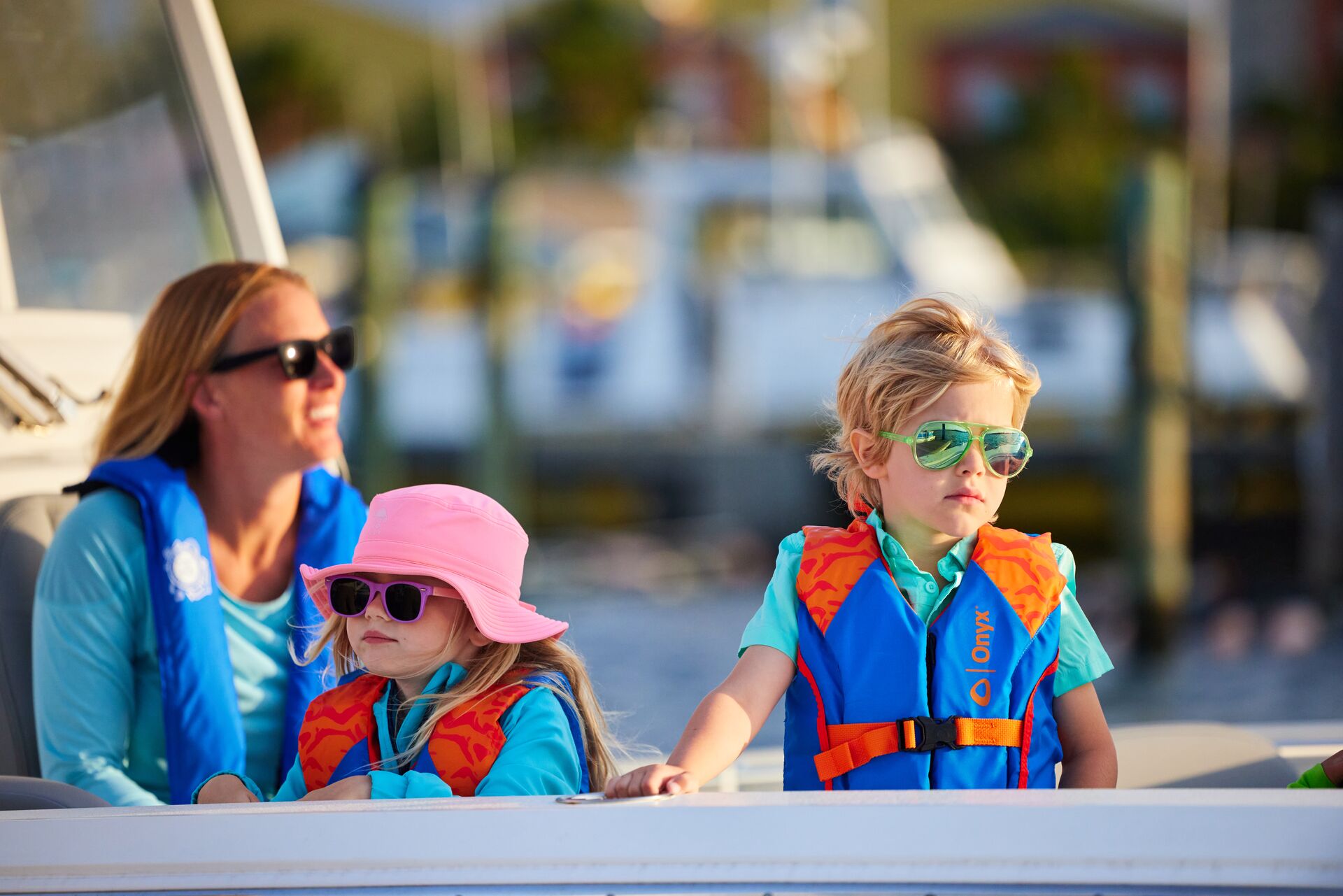
Younger boaters have more restrictions than adults, and these vary by age. If you want your children to operate motorized vessels on Minnesota waterways, they must obtain a license and comply with age restrictions.
Under 12 Years Old
Kids under 12 can operate motorboats but not personal watercraft (PWC), and any boats they use must have less than 75 horsepower. To stay compliant, an adult 21 or older with a valid permit must be on board and within reach of the boat's controls.
Ages 12–17
Children ages 12–17 need a permit to operate a motorboat with more than 25 horsepower. They'll also need to be licensed to operate a PWC if there's no adult on board.
Why It Matters
Licensing reduces accidents that commonly occur among inexperienced operators. Not only that, but obtaining a boating safety certificate reinforces training and provides vital information needed before solo operation of a motorized vessel.
What Are Minnesota's Essential Safety Equipment Requirements?
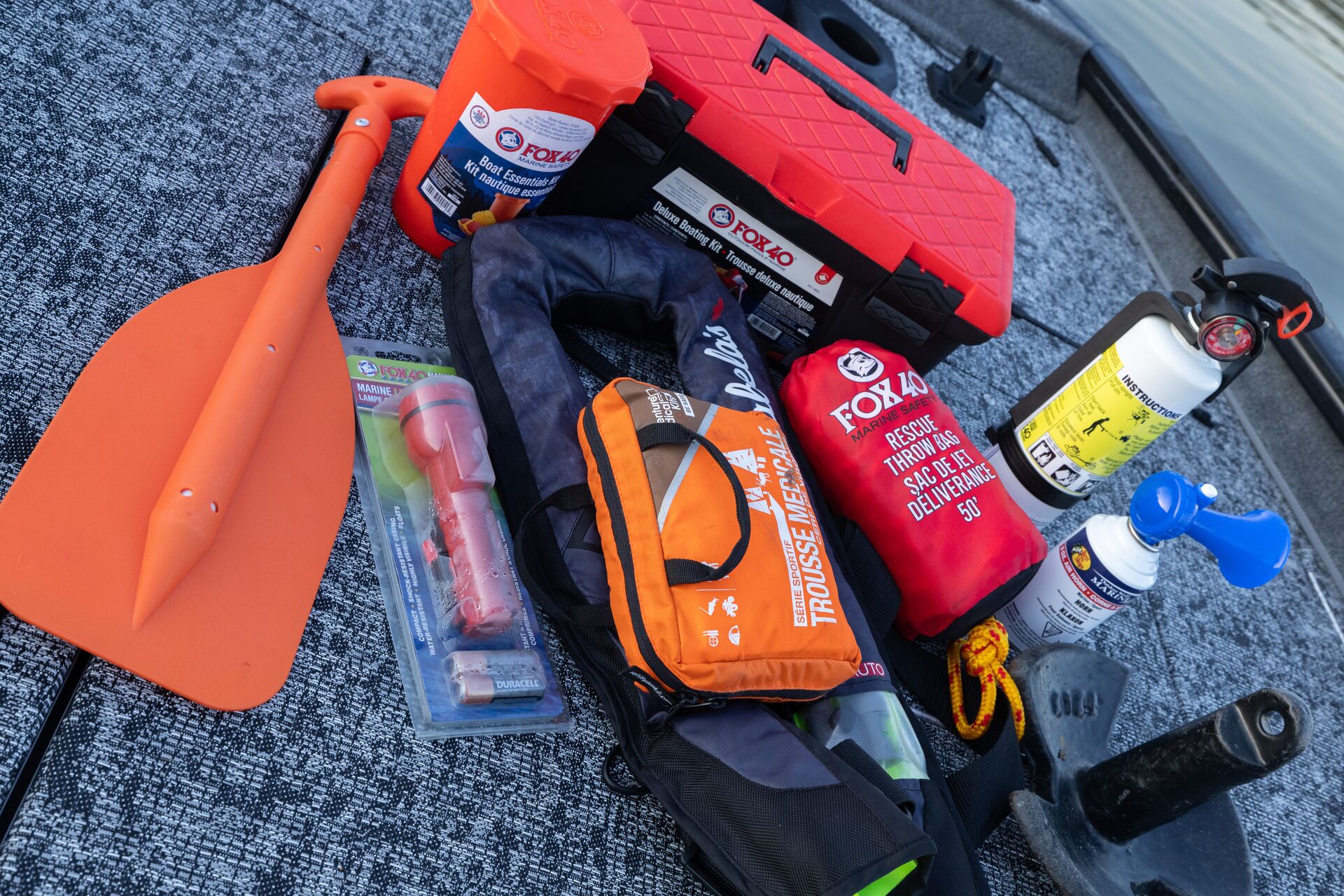
Staying safe on the water is crucial to having a good time and returning to shore at the end of your adventure. To protect vessel operators and their passengers, Minnesota boating law requires every watercraft to carry certain equipment.
Minnesota Safety Equipment Requirements |
|
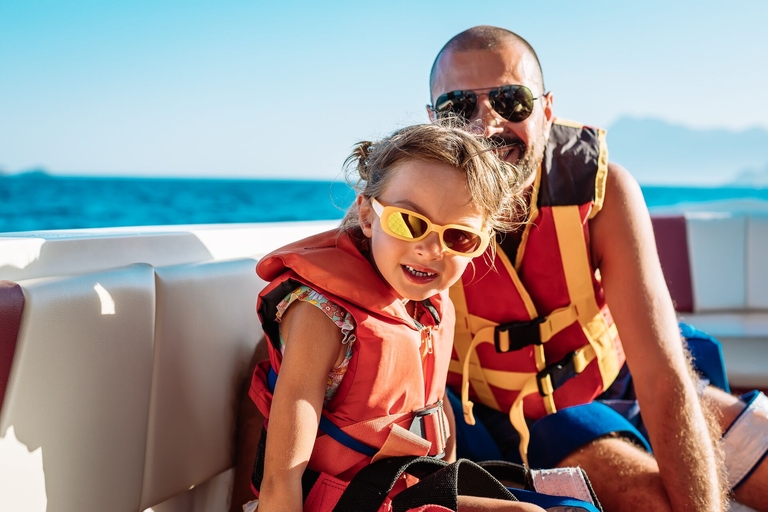
Note the Minnesota Child PFD Law: Adults need to have life jackets on board, but kids under 10 must wear their life jackets at all times while the boat is moving. It's crucial to ensure that children have properly fitting life jackets to stay safe on the water.
What Are the Operational and Alcohol Rules?
Minnesota has other specific laws for boat operators. For a better understanding of your boating responsibilities (and a lifetime safety certification), consider taking a boating education course.
Boating While Intoxicated (BWI)
It's illegal to operate a boat if your BAC is 0.08% or higher. The penalties for operating a boat while intoxicated are similar to those for DWI.
Speed and Wake Responsibility
As a boat operator, you're legally responsible for any damage caused by your wake, and wake damage is generally treated the same as a collision. "Slow-no wake" speed zones are typically set at five mph or less.
PWC Operating Hours
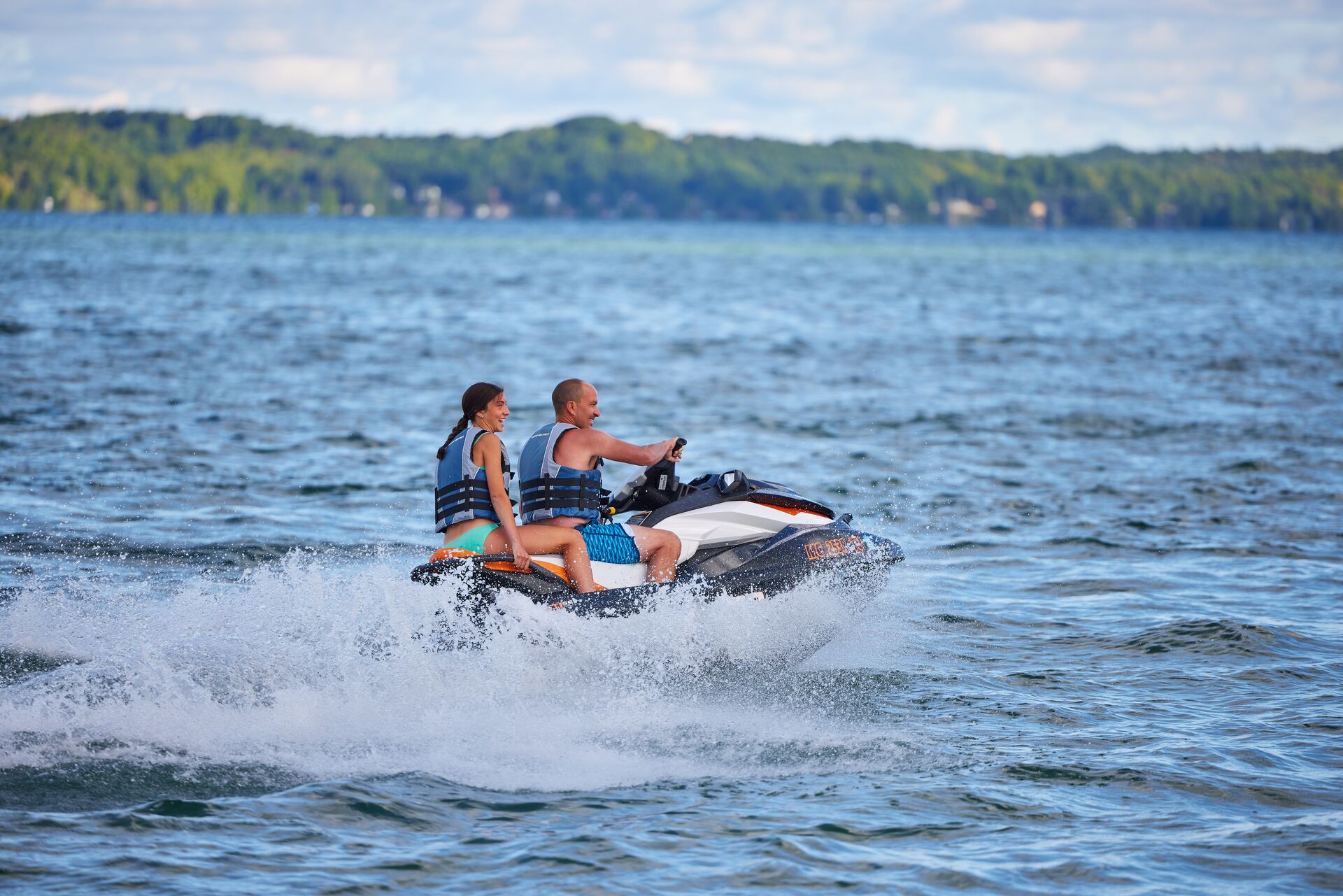
You can only operate a personal watercraft between 9:30 a.m. and one hour before sunset. That's vital for protecting you, other PWC operators, and boaters sharing the waterways.
What Should Minnesota Boaters Do Now?
The cost of a boating license is low, but the benefits are substantial. Review this checklist to determine whether you need to get a permit, how to get licensed, and what you can do to improve boating safety.
- Check your birth year against the schedule for phasing in licensing requirements.
- Enroll in a boater education course to learn about water safety.
- Review the safety equipment on board your vessel.
- Educate young operators in your household (children and teens).
- Share updates and information with any fishing and boating groups you're part of.
Together, boaters in Minnesota can help one another stay safe and legally compliant as changes to the law take effect.
Get Your Boater Education Card in Minnesota with Boat-Ed+
The changes to Minnesota boating law aim to improve safety on the state's lakes and rivers. It's easier and safer to start early and get prepared before peak boating season. Consider bookmarking the Minnesota Department of Natural Resources website to stay up-to-date on changes to local boating laws.
Boating law changes increase safety on Minnesota's waterways. Through our Boat-Ed+ course, we make it simple to complete a boater education course and get certified. If you get started now, you'll be ready to hit the water with confidence in no time.
Our new Boat-Ed+ interactive course is fun! Learn about it in the video below.

Frequently Asked Questions
Q: What is the new boating law in Minnesota?
A: Minnesota passed a new boating law that took effect July 1, 2025, requiring many operators of motorboats and personal watercraft to have a watercraft operator's permit (boater safety certificate). The rule starts with younger boaters (born after June 30, 2004) and gradually expands to older age groups through 2028.
Q: Can you drink beer on a boat in MN?
A: Passengers may drink beer on a boat in Minnesota, but it's illegal to operate a boat while under the influence of alcohol. Boating while intoxicated is treated similarly to drunk driving.
Q: Do you need a boater's license to drive a boat in MN?
A: Many operators (especially younger ones) must have a watercraft operator's permit in MN. Others may still be allowed to operate without a boater's license or with a qualified adult on board.
Q: Do you have to wear a life jacket on a boat in Minnesota?
A: In Minnesota, you must have a U.S. Coast Guard–approved life jacket on the boat for each person. Children under 10, people being towed, and anyone on a personal watercraft must wear a life jacket at all times.
Q: Are you required to have insurance on a boat in MN?
A: Minnesota does not require boat insurance by law, though lenders or marinas may require it.