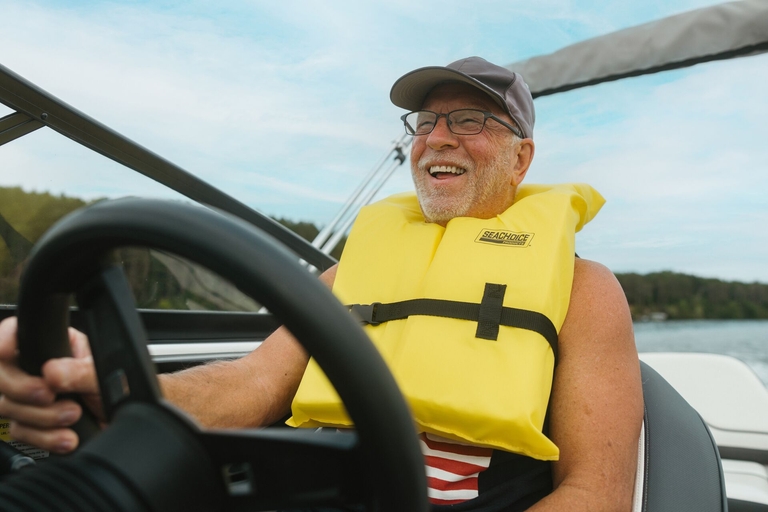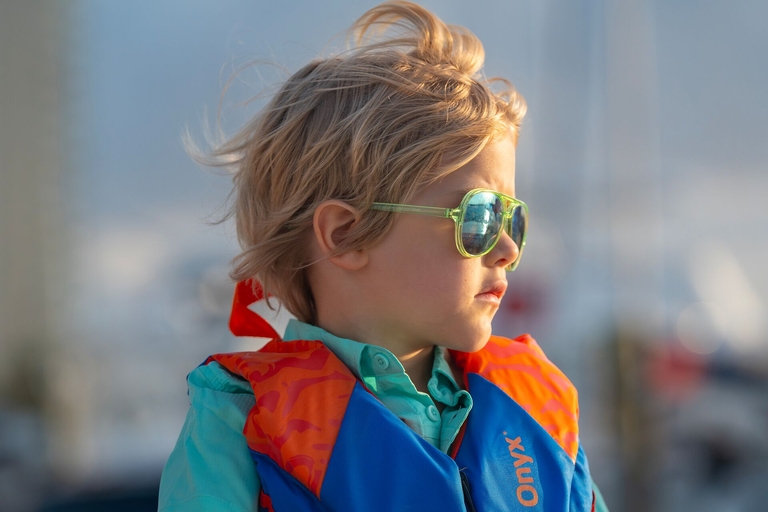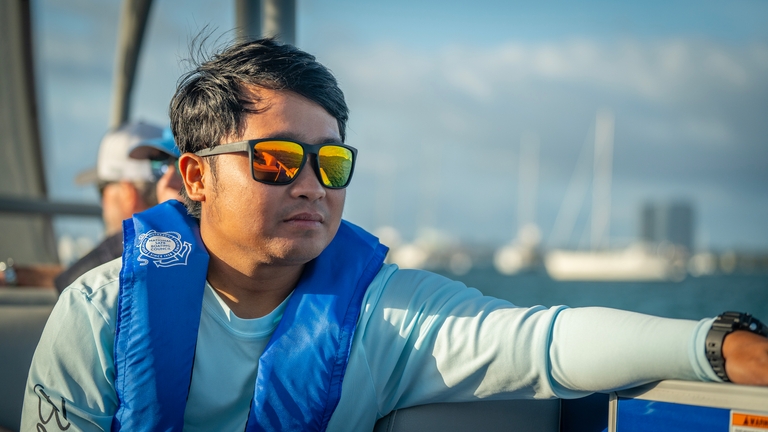
How Many Life Jackets Are Required on a Boat? Federal and State Law
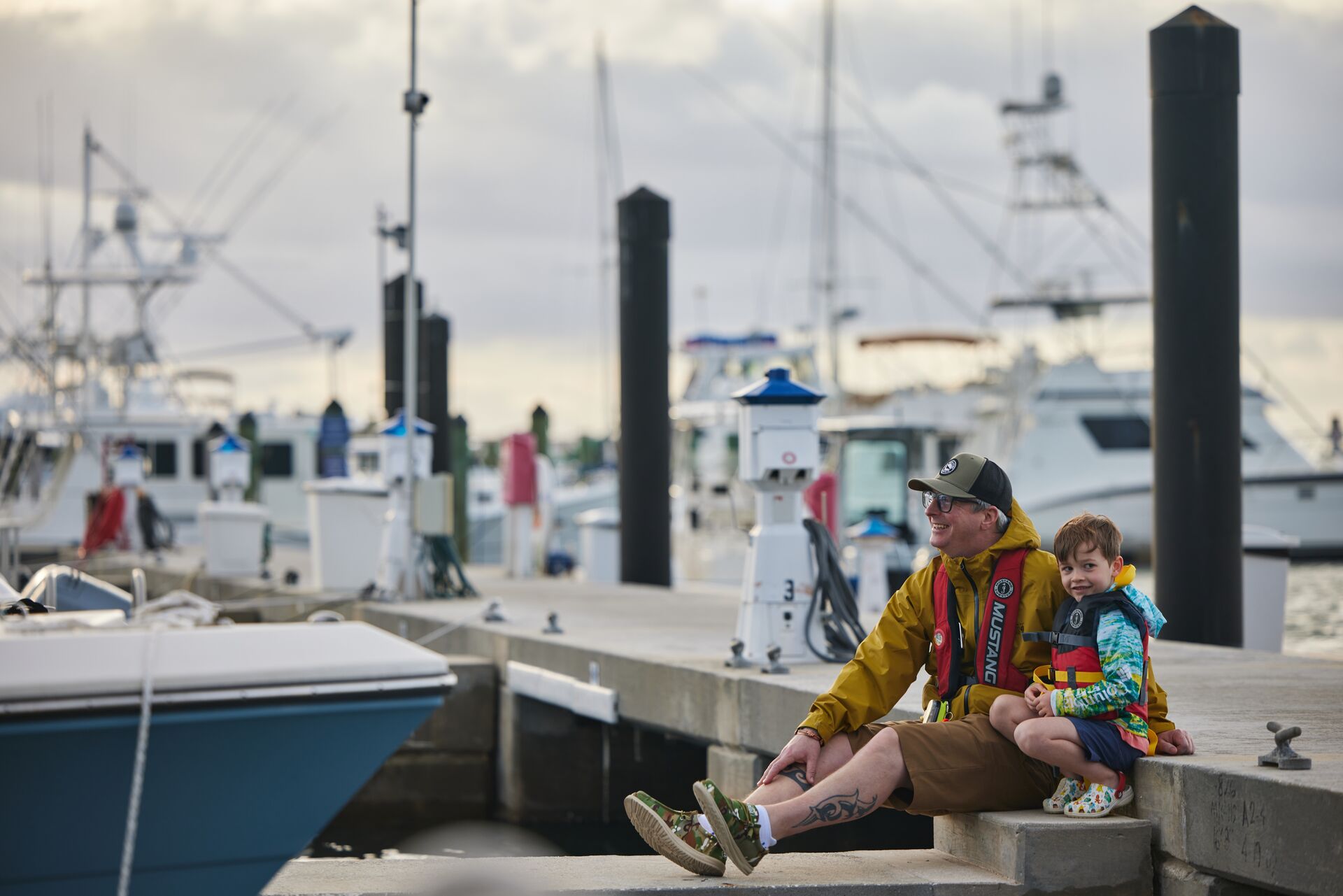
According to federal law, every person on board any recreational boat needs to have a USCG-approved personal flotation device (PFD) (Type I, II, III, or V). If your boat is longer than 16 feet, you also need a throwable Type IV PFD that's easy to access and ready to use.
Children may have specific life jacket requirements depending on your state, but most require children under 13 to wear a PFD at all times when on the water. Adults don't always need to wear their life jackets, but answering the "How many life jackets required on boat?" question is vital, as is understanding how to choose a PFD that keeps you safe.
Today, we cover what you need to know to keep everyone covered with a life jacket and comply with the law!
How Many Life Jackets Does Federal Law Require?
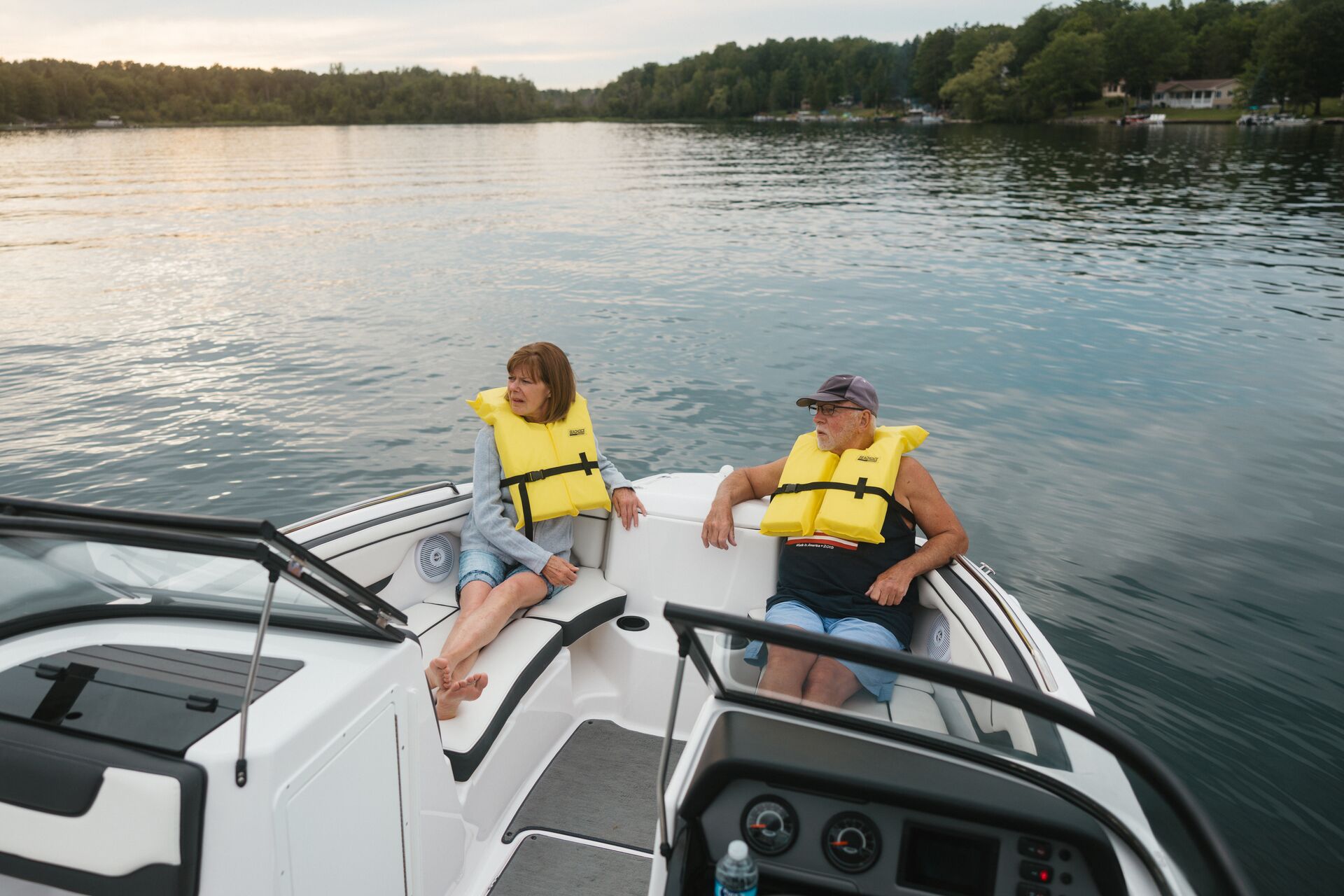
The law requires a minimum of one wearable PFD (Type I, II, III, or V) per person on board your vessel, and there aren't any exceptions to the rule. In addition, any life jackets used on your boat must be serviceable, the right size for the intended wearer, and USCG-approved.
You also want to consider the kind of boating you'll be doing and the waterways you'll be traveling on to ensure you have the right type of PFD. Type I life jackets, for example, are designed for offshore use and offer the maximum possible buoyancy.
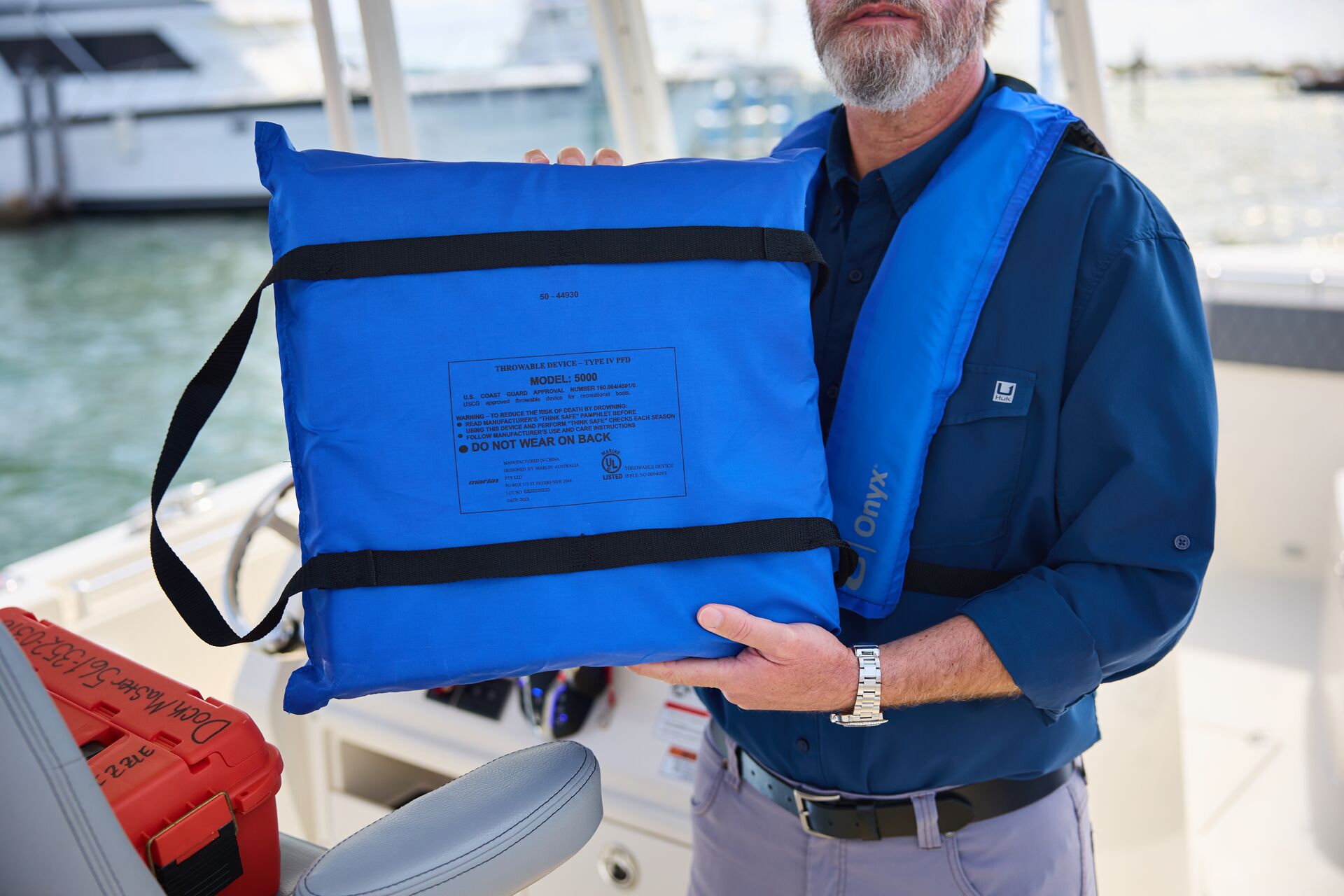
If your boat is 16 feet or longer, except kayaks and canoes, you also need a Type IV throwable PFD along with the per-person life jacket requirement. Throwables can't be in bags or lockers but must be immediately accessible from your vessel's main deck.
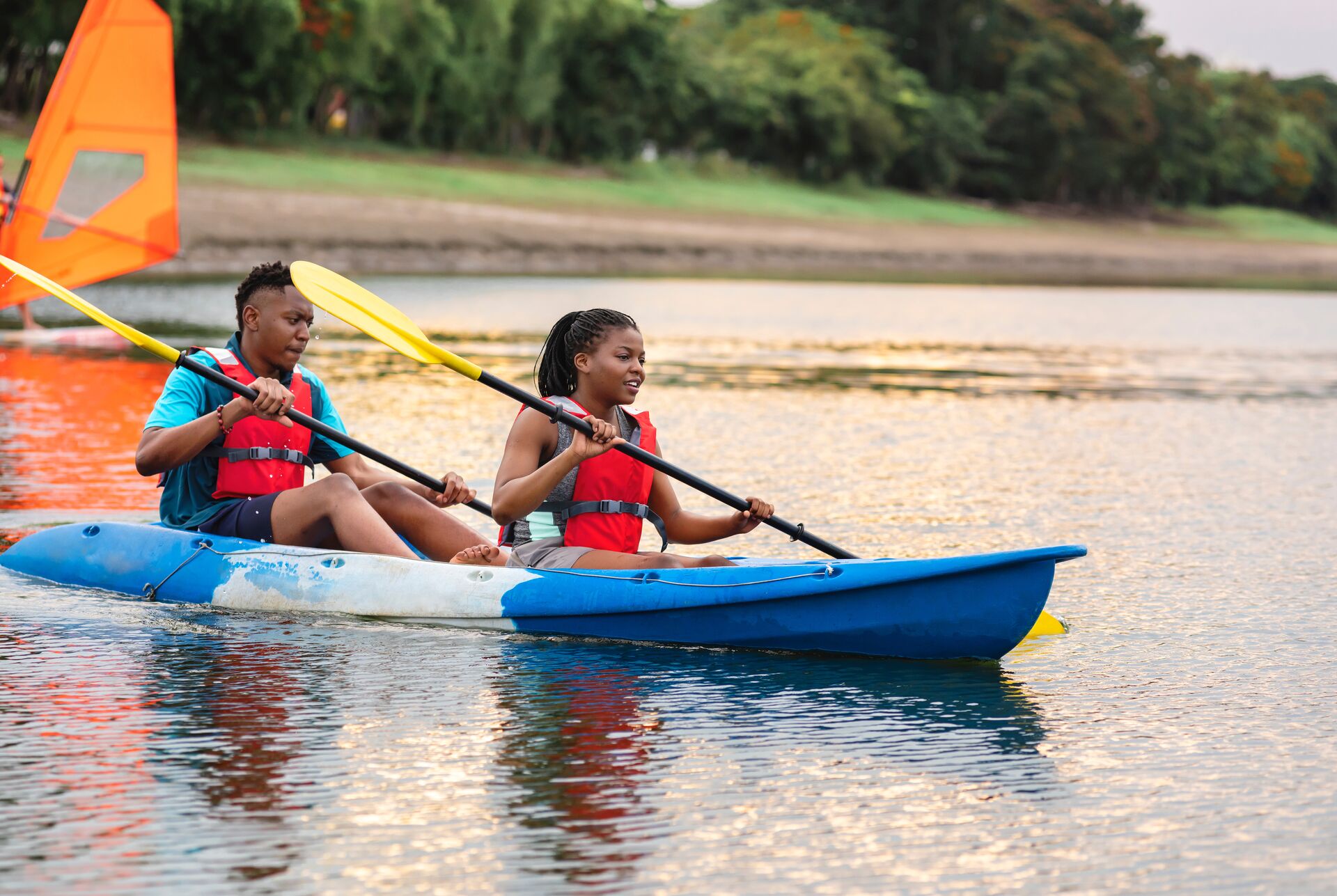
Canoes and kayaks don't have the Type IV PFD requirement, regardless of length, but they still need to have a wearable PFD for each person.
Federal PFD Requirements by Vessel Type | ||
| Vessel Types | Wearable PFDs Required | Type IV Throwable Required? |
| Vessels under 16 feet | One USCG-approved Type I, II, III, or V per person on board | No |
| Vessels 16 feet and longer | One USCG-approved Type I, II, III, or V per person on board | Yes. Must be immediately accessible. |
| Canoes and kayaks (any length) | One USCG-approved Type I, II, III, or V per person on board | No (exempt regardless of length) |
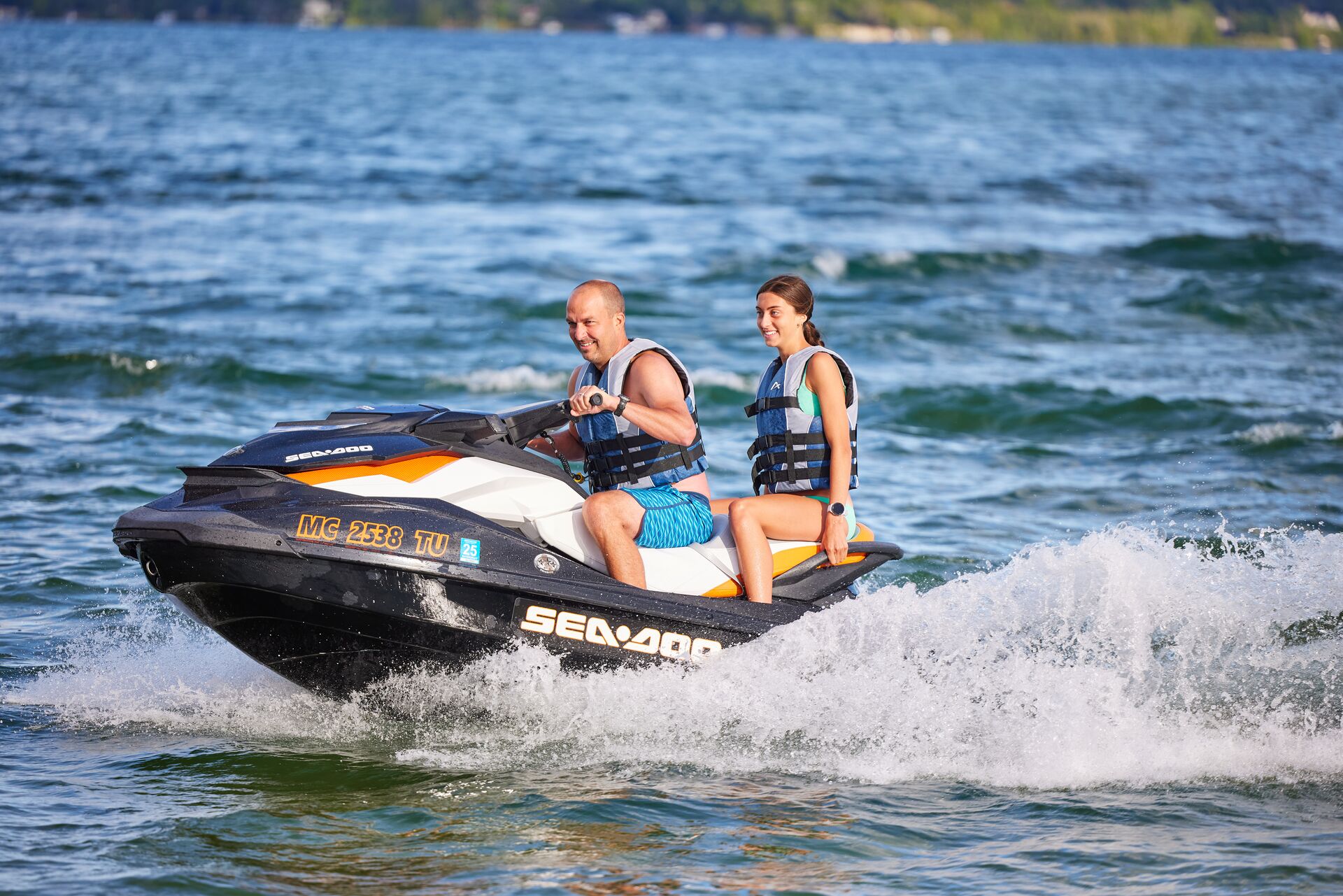
| Personal watercraft (PWC) | One USCG-approved Type I, II, III, or V per person on board or being towed | No Type IV required, but operator and all passengers must wear a wearable PFD at all times |
| All vessels: Child wear requirement | One properly fitted, USCG-approved PFD per child under 13 must be worn while underway | N/A. Wear requirement applies regardless of vessel type or length. |
What Is a Type IV Throwable PFD?
A Type IV PFD isn't for wearing. Instead, it's thrown to a person who's already in the water.
The most common forms of Type IV PFDs are throwable cushions, ring buoys, and horseshoe buoys.
These PFDs have to be immediately accessible, which means within arm's reach on the main deck of your vessel. If they're stowed below deck or even in a locker, they don't meet the requirement. Remember, this doesn't count toward the per-person wearable PFD requirement. You need a Type IV in addition to wearable life jackets if your boat is 16 feet or longer.
Also keep in mind that, under current USCG standards, throwable cushions aren't approved as wearable Type III PFDs. If you've been using a cushion this way, you'll need to choose another type of PFD to stay compliant.
Do Children Have to Wear Life Jackets?
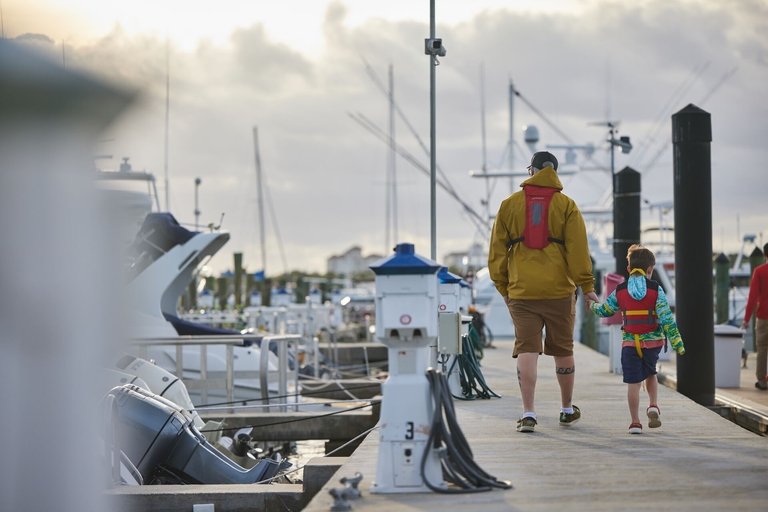
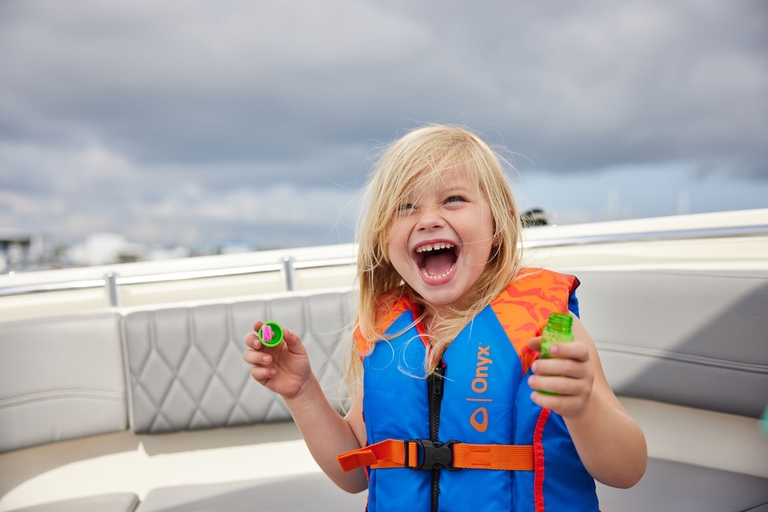
As a general rule, children under 13 must wear a USCG-approved PFD when they're on any recreational vessel that's underway.
However, there's one exception to this federal law: Children who are in an enclosed cabin or below deck aren't legally required to wear a life jacket.
States can set their own requirement, though, and many have stricter guidelines. Some require children under 12 to wear a life jacket, while others set the age as under 10. Age cutoffs vary, and a stricter state law supersedes federal law, so it's crucial to ensure you understand the laws where you live or vacation.
Wearing a life jacket is about more than just having one available for each person. Any PFD you have for a child on your boat must be sized for that child, and an adult life jacket won't meet the requirement.
Child Life Jacket Wear Age Cutoffs (by State) | ||
| State | Child Wear Age Requirement | Notes |
Alabama | Under 8 | Must wear at all times unless in enclosed cabin/sleeping area |
Alaska | Under 13 | Required in open boats or on open decks (also when water skiing) |
Arizona | Arizona 12 and under | Must wear while underway on any vessel |
Arkansas | Arkansas 12 and under | Required at all times (exception when in enclosed area of houseboat/cruiser while not underway) |
California | California 12 and under | Required on vessels under 26 feet (exception for enclosed cabin) |
Colorado | Colorado Under 13 | Required unless below deck or in an enclosed cabin |
Connecticut | Under 12 | Exception when below decks |
Delaware | 13 and under | No exceptions |
Florida | Under 6 | Required on vessels under 26 feet while underway (stricter than federal law) |
Georgia | Under 13 | Required in open vessels |
Hawaii | Under 13 | Required when underway on ocean waters or navigable streams (exception below decks or enclosed cabin) |
Idaho | 14 and under | Required on boats over 19 feet while underway |
Illinois | Under 13 | Required while boat is underway |
Indiana | Under 13 | Applies on waters of concurrent jurisdiction |
Iowa | Under 13 | Required at all times while on a vessel, including canoes, kayaks, and paddleboards |
Kansas | Under 12 | Required while on board a vessel |
Kentucky | Under 12 | Required in open boat or on an open deck while underway |
Louisiana | 16 and under | Required while underway on a vessel less than 26 feet long |
Maine | 12 and under | Required. Also required for PWC and water skiers. |
Maryland | Under 13 | Required on recreational vessels under 21 feet while underway |
Massachusetts | Under 12 | Required when above board |
Michigan | Under 6 | Required on open deck of any vessel |
Minnesota | Under 10 | Required. Also required for PWC. |
Missouri | Under 7 | Required unless in a totally enclosed cabin area |
Montana | Under 12 | Required while vessel is in motion |
Nebraska | Under 13 | Required. Also required for all PWC riders. |
Nevada | Under 13 | Required |
New Hampshire | 12 and under | Required while boat is in motion |
New Jersey | Under 13 | Required while underway |
New Mexico | 13 and under | Required while vessel is underway (exception for enclosed cabin) |
New York | Under 12 | Required on vessels under 65 feet (exception for enclosed cabin) |
North Carolina | Under 13 | Exception when below decks/enclosed cabin or vessel not underway |
North Dakota | 10 and under | Required on vessels under 27 feet while in operation |
Ohio | Under 10 | Required on vessels under 18 feet |
Oklahoma | Under 13 | Required while vessel is underway |
Oregon | 12 and under | Required on open deck of any moving watercraft |
Pennsylvania | 12 and under | Required on moving watercraft under 21 feet |
Rhode Island | Under 13 | Required on vessels under 65 feet |
South Carolina | Under 12 | Required on Class A vessels |
South Dakota | Under 13 | No child-specific wear requirement listed in USCG data beyond federal law |
Tennessee | 12 and under | Required |
Texas | Under 13 | Required while vessel is underway |
Utah | 12 and under | Required except when in enclosed cabin area on boats 19 feet or more |
Vermont | Under 12 | Required while underway and on open deck |
Virginia | Under 13 | Required while aboard any underway vessel |
Washington | 12 and under | Required on vessels under 19 feet while underway |
West Virginia | Under 13 | Required while aboard any underway vessel |
Wisconsin | Under 13 | Required while aboard any underway vessel |
Wyoming | Under 13 | Required while water skiing or being towed by a boat on other devices |
Do Adults Have to Wear Life Jackets?
Part of the "How many life jackets required on boat?" question involves whether adults have to wear them.
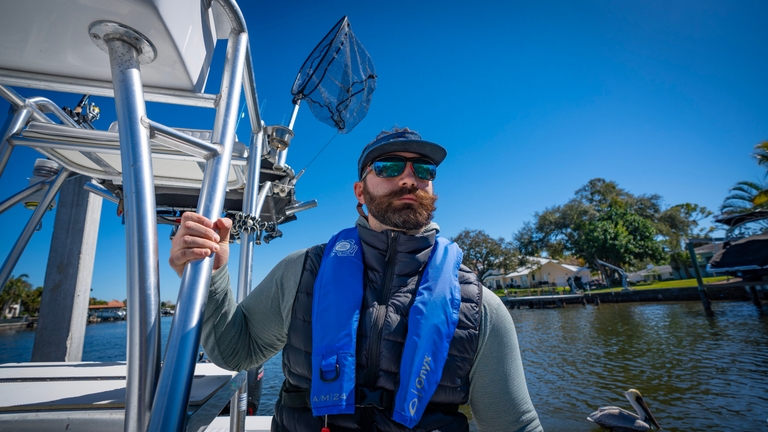
Under federal law, adults on a recreational vessel only need to have access to a PFD but don't have to wear it. Still, many states require you to wear your life jacket during specific activities. Those include water skiing, paddling, tubing, and PWC operation.
You can significantly increase your survival odds by wearing a PFD in situations where sudden immersion is common. The USCG consistently notes that many boating drowning victims (around 87% in 2024) weren't wearing a PFD. Life jackets can save lives when they're worn correctly and consistently.
What Makes a Life Jacket "Count" Toward the Requirement?
When you have life jackets on board your vessel, you want to ensure that they count toward the federal requirement. Fortunately, there are some easy ways to do this.
- Any PFDs on your boat must be USCG-approved and will be labeled as such.
- Each life jacket needs to be the right size for the person wearing it, whether that's an adult or a child.
- Every PFD must be in good condition and considered serviceable, meaning no tears, rips, waterlogged foam, missing buckles, or failed inflation mechanisms if you're using an inflatable life jacket.
- PFDs have to be accessible and can't be locked below deck or in a storage compartment.
- Inflatable PFDs can meet the requirement for adults if they're USCG-approved, but they're federally restricted for children under 16 and non-swimmers.
Finding and using the right life jackets for your passengers should always be part of boating responsibly.
How Many Life Jackets Required on Boat? How to Know When You Have Enough Onboard
It's important to count your life jackets on your boating safety equipment checklist to ensure you have enough for everyone. Here's how.
- You'll need to know the maximum number of people your boat will carry.
- For each person, verify that you have a USCG-approved Type I, II, III, or V PFD.
- If your boat is 16 feet or longer, include a Type IV throwable PFD.
- Take a look at every PFD and note any tears, damage, or missing or broken straps.
- Ensure all your life jackets and any throwable PFDs are stored where they can be easily accessed, not in locked compartments.
- Make sure every child on board has a properly sized PFD that fits them.
- Before leaving the dock, replace any expired inflatable PFDs or damaged standard PFDs with new ones.
Once you've completed this checklist, you can boat more confidently and keep yourself and your passengers safer on the water.
State Life Jacket Laws: What Can Vary
States often set child life jacket laws and age cutoffs that are stricter than the federal under-13 requirement. Additionally, some states require all personal watercraft operators to wear a PFD at all times, regardless of age.
If the waterways you're traveling cross state lines, such as the Mississippi River or the Great Lakes, you might move through multiple jurisdictions. In those cases, or anytime you're in doubt about the requirements, follow the stricter rule to be safe.
You can check with your state boating agency or check out our course pages at Boat-Ed for up-to-date local requirements in your jurisdiction.
Learn More About Life Jacket Safety with Boater Education
To boat safely and legally, you need one USCG-approved PFD for each person on your boat, along with a Type IV throwable PFD if your boat is 16 feet or longer. Remember, just having the right number of life jackets for you and your passengers isn't enough. You also need to ensure they're accessible, in serviceable condition, and appropriately sized, especially for children.
Children under 13 must wear their life jackets at all times according to federal law, and many state laws are stricter, with lower age requirements. It's easy to comply with PFD laws, and it's also extremely important for safety.
If you're not sure what's required by your state, our state-specific boating safety courses at Boat-Ed cover your local PFD laws as part of the curriculum. That can help you stay safe and legal while enjoying your boating adventure to the fullest.

Frequently Asked Questions (FAQs)
Q: Do passengers have to wear life jackets or just have access to them?
A: Federal law generally requires one USCG-approved wearable PFD for each person on board, but adults don't have to wear them unless a state law or activity-specific rule requires it. The PFDs must be accessible and in serviceable condition.
Q: Do children have to wear life jackets at all times?
A: Under federal law, children under 13 generally must wear a USCG-approved PFD while a recreational vessel is underway, with an exception for enclosed cabins or areas below deck. State laws can set different or stricter age requirements.
Q: What's a Type IV throwable PFD?
A: A Type IV PFD is designed to be thrown to someone who is already in the water rather than worn. Examples include throwable cushions, ring buoys, and horseshoe buoys. On boats 16 feet or longer, it is required in addition to the wearable PFDs and must be immediately accessible on the main deck.
Q: Do inflatable life jackets count toward the requirement?
A: Yes. A USCG-approved inflatable PFD can count toward the requirement for adults, but federal restrictions apply to their use by children under 16 and non-swimmers.
Q: What if a life jacket is old or damaged?
A: A PFD needs to be in serviceable condition to count. Replace one with tears, damaged foam, missing buckles or straps, or a failed inflation mechanism. The article also recommends replacing expired inflatable PFDs.
Q: Do canoes and kayaks need life jackets?
A: Yes. Canoes and kayaks need one USCG-approved wearable PFD for each person on board. They are exempt from the federal Type IV throwable requirement, regardless of length.
Q: What's the difference between "available" and "wearable" in the law?
A: A wearable PFD is a life jacket designed to be worn and is what satisfies the one-per-person requirement. Available means the PFD is accessible and ready for use rather than locked away or buried in storage. Adults generally don't have to wear their PFDs under federal law, but they still need to be properly sized, serviceable, and accessible.