Summer Boating Safety Tips: The Complete 2026 Checklist
Summer boating is the highest-risk period on the water. US Coast Guard (USCG) statistics show peak fatalities in July and August caused by high traffic, alcohol use, and inexperienced operators.
To ensure your safety and that of your passengers:
- Wear a life jacket.
- Designate a sober operator.
- File a float plan.
- Check the weather before leaving.
- Maintain all safety equipment.
- Remember that most summer accidents are entirely preventable with proper preparation.
In this guide, we explore summer boating safety tips and provide a repeatable pre-departure checklist that you can use every time you head out on the water to maximize safety and prevent common boating safety accidents.
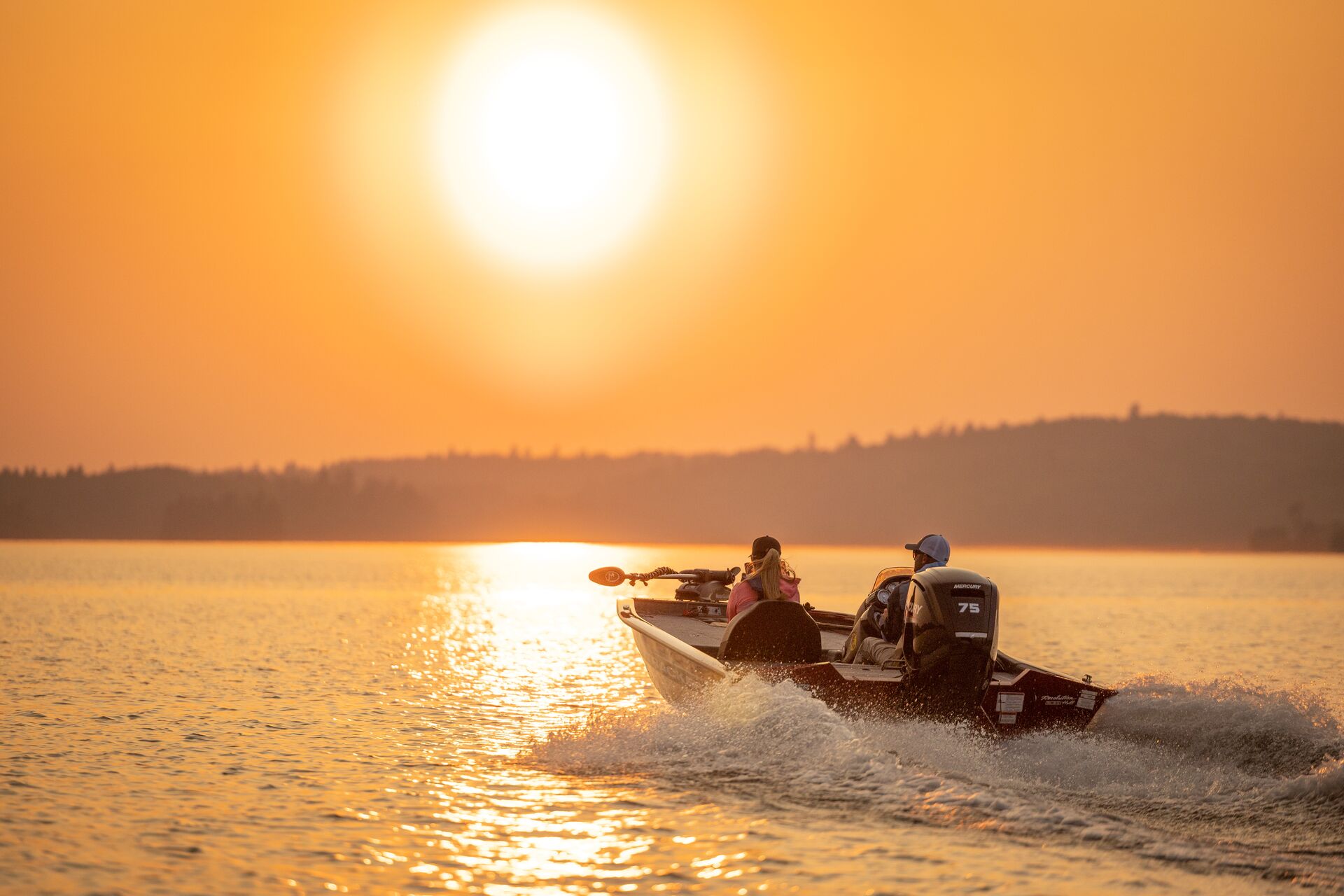
Why Summer Is the Most Dangerous Time on the Water
Summer is peak season on the water, which means there are higher rates of collisions, operator errors, and congestion at ramps and inlets.
It's also a time when new boaters or seasonal operators may hit the water a little rusty on skills, unfamiliar with new boating systems, or generally overconfident.
Boating under the influence can also be more prevalent, and with the impact of sun, heat, and wind, the physical impact of alcohol can be intensified. A BUI on the water can be more impairing than one on land, affecting balance, reaction time, and overall operating skills.
During the summer season, weather can be extreme and shift rapidly. Heat exhaustion, stroke, and sunburn are unreported risks that can have extreme health repercussions if not properly mitigated.
Exposure time on the water in the full sun can take it out of you, and it's something you may not think about until it's too late. Storm patterns, including drops in temperature and pressure and the approach of storm fronts, can develop quickly, creating dangerous wind and wave conditions.
While the US Coast Guard reported a slight drop in the 2023 to 2024 period for fatalities, overall fatalities are still common, with alcohol as the leading factor. Summer boating safety tips start with prevention and making the right choices on the water.
How to Stay Safe on the Water: Your Summer Boating Safety Tips Checklist
Before you leave the dock, take the time to complete the summer boating checklist below. You can use this pre-trip routine before every trip year-round; it's not just a summer boating safety checklist.
By following the steps below, you can reduce the risk of equipment failures and ensure all required safety gear is present and functioning.
Summer Boating Safety Checklist | |
| 🔲 | Safety equipment inspected |
| 🔲 | Float plan filed |
| 🔲 | Marine weather checked (within 2 hours) |
| 🔲 | All passengers fitted with correct PFD |
| 🔲 | Sober operator designated |
| 🔲 | Water, sunscreen, and emergency communication packed |
| 🔲 | Ramp and congestion plan in place |
Step 1: Inspect All Safety Equipment Before the First Trip
To start, review every piece of federally mandated safety gear, including:
- Personal flotation devices (PFDs)
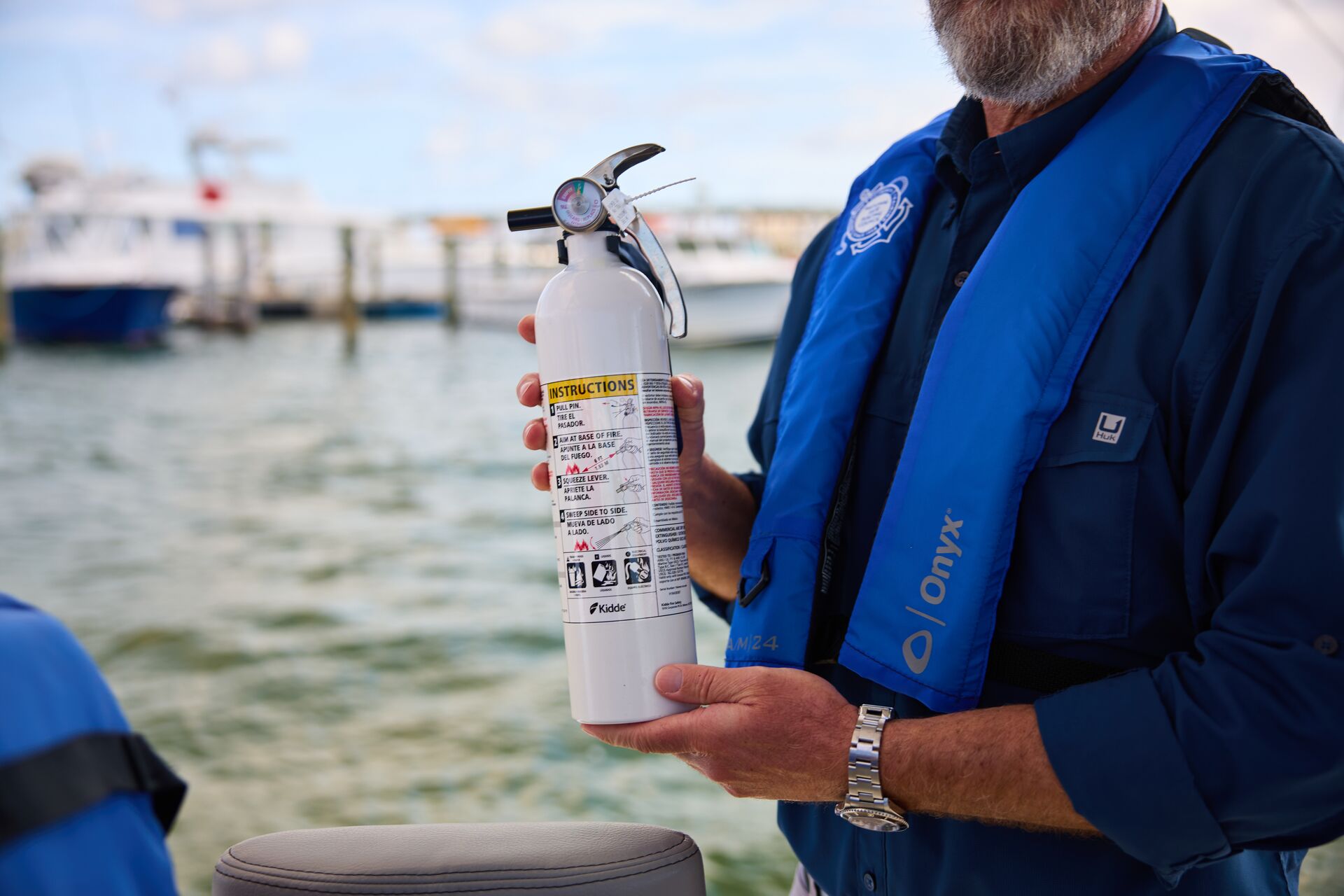
- A fire extinguisher (check the pressure gauge)
- Visual distress signals (check expiration dates on flares)
- Asound-producing device
- Navigation lights.
Keeping a spreadsheet of gear types, inventory, and expiry dates can help you track these requirements.
Check your PFDs stored since last season for wear, cracked webbing, and faulty buckles. If it's been a little while, check the fit and sizing of the jackets, especially for young boaters, as they can grow quickly.
If your fire extinguisher has the needle in the red zone, it will need replacing before launching, as it will be at an unsafe pressure and won't work properly. Your flares will also need to be replaced if they're expired. Supplementing the flares and keeping old ones as spares is not only dangerous but also illegal. It doesn’t meet legal carry requirements and can lead to heavy fines.
Finally, check your bilge pump and battery if your boat has been in storage. Make sure the bilge pump operates correctly, and the battery is fully charged with clean connections before heading out.
Step 2: File a Float Plan Before Each Trip
Anytime you intend to head out on a trip, letting a trusted person know the details of your journey is one of the most important strategies to ensure a fast, effective response if something goes wrong out on the water.
A float plan is a written record of your trip details, including the route, expected return time, number of passengers, and a description of the vessel. With a pre-printed template, you can put a plan together in less than five minutes, giving search and rescue teams a critical head start if something goes wrong.
For maximum safety on the water, get in the habit of making a float plan for every trip, not just long ones.
Step 3: Check Marine Weather Within 2 Hours of Departure
Keeping on top of weather conditions means checking real-time forecasts from trusted sources (like Wavve Boating) before every trip. Marine forecasts provide real-time radar, satellite imagery, and boating-specific weather information to help you make informed decisions on the water.

Next, check small craft advisories for wind speed, direction, and storm activity in your area. Set a go/no-go plan before launching and stick to it. Consider whether forecasts are reliable for the trip, if winds and currents are working in your favor, and how experienced you and your crew are in challenging conditions. If you're unfamiliar with the area, mark harbors and safe areas along the route in case weather shifts suddenly.
Summer afternoons are often periods of high thunderstorm frequency in many parts of the US. If your boating plan overlaps with peak storm times (early afternoon to early evening), ensure you're back at the dock before then.
Step 4: Confirm Every Passenger Has a Properly-Sized PFD
A USCG 2024 report on Recreational Boating Statistics found that 87% of boating drowning victims were not wearing a life jacket at the time of the incident.
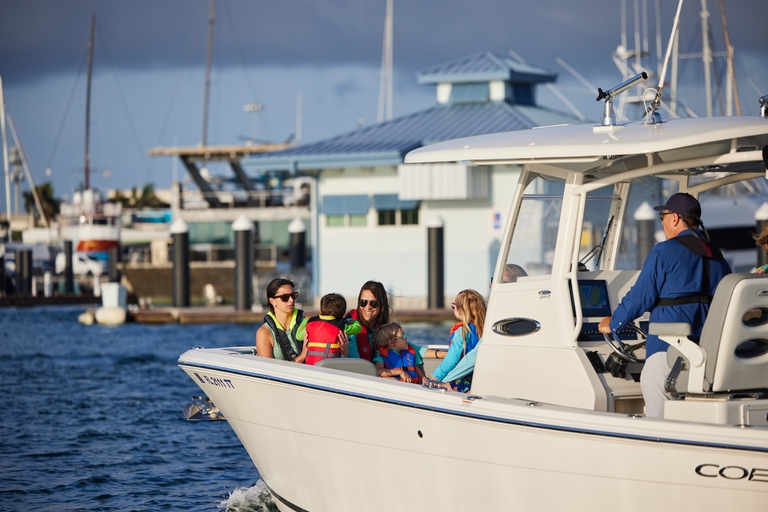
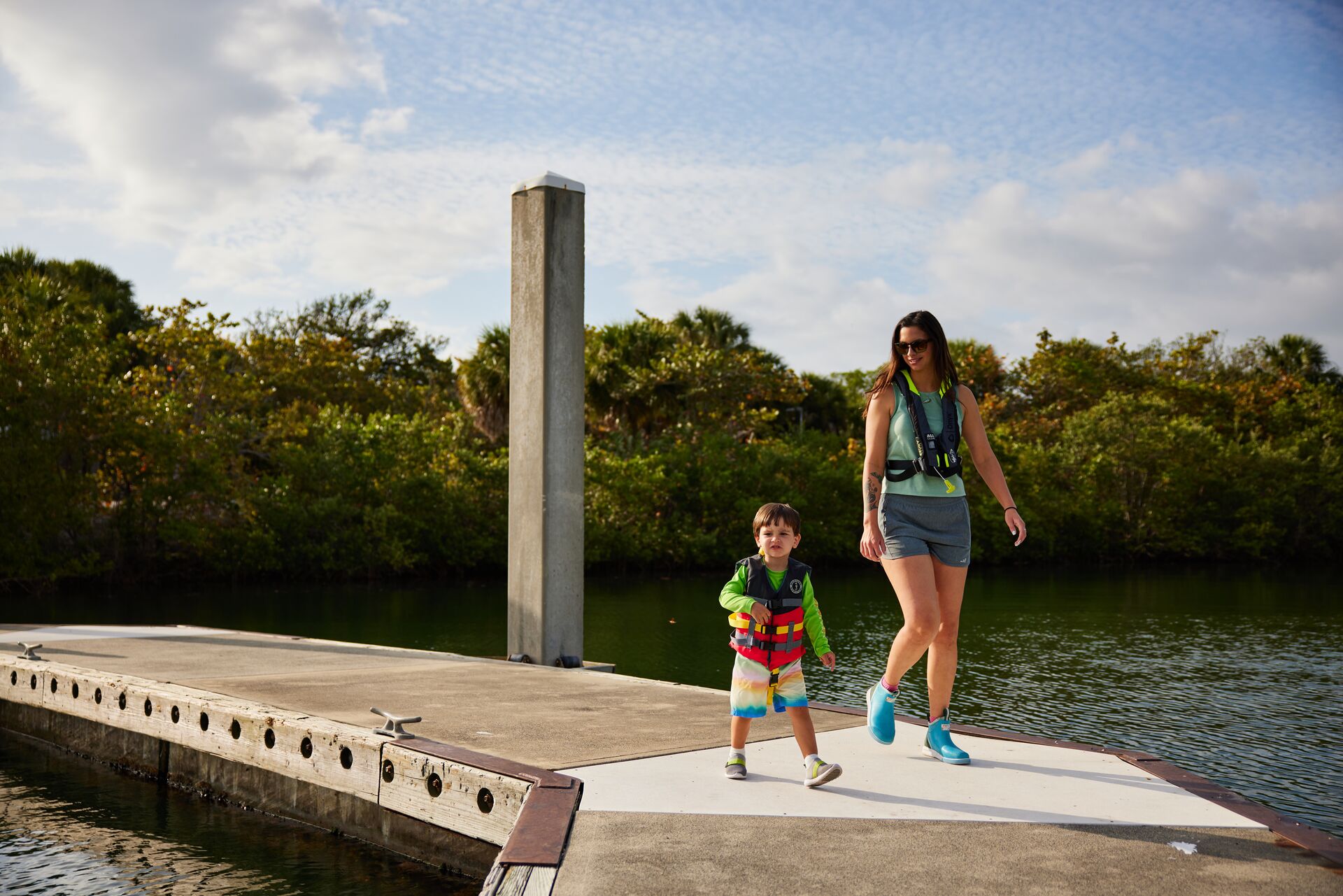
One USCG-approved PFD per person is the federal requirement, and these jackets must also be properly fitted and worn to be effective. Children's PFDs must be sized properly by weight, not by age, and boaters, especially younger ones, must be in the habit of wearing their PFDs at all times.
Step 5: Designate a Sober Operator for the Entire Trip
The designated sober operator does not drink at all while on the water. Boating under the influence is a leading cause of death on the water. It’s a federal offense on all US waterways, carrying penalties comparable to a DUI. Alcohol related boating incidents are 100% preventable.
Environmental factors such as sun, heat, motion, wind, and engine noise can contribute to the effects of alcohol, meaning a person who feels “fine” at a cookout can be even more impaired on the water.
Pick a designated sober operator before you leave shore, as it's easier to hold a decision made in advance. You can keep a roster of designated skippers for each outing.
Step 6: Pack Water, Sunscreen, and Emergency Communication
Exposure to the elements can accumulate over the course of the day. Sun exposure, dehydration, and windburn can compound other factors, leading to fatigue, impaired judgment, and reduced reaction time.
Pack more water than you think you'll need, as the sun on the water can dehydrate you faster than on land. Apply sunscreen before you head off, and reapply at the intervals recommended on the bottle. Make sure to pack a wide-brimmed hat, sunglasses, and long-sleeved clothing for extra protection, as UV exposure is high due to reflection off the water's surface.
Check that all emergency communication gear is on board, in working order, including a charged VHF marine radio, and that you know how to use it. The standard for on-water communication is calling for help on Channel 16.
Step 7: Plan for Crowded Ramps on Summer Weekends
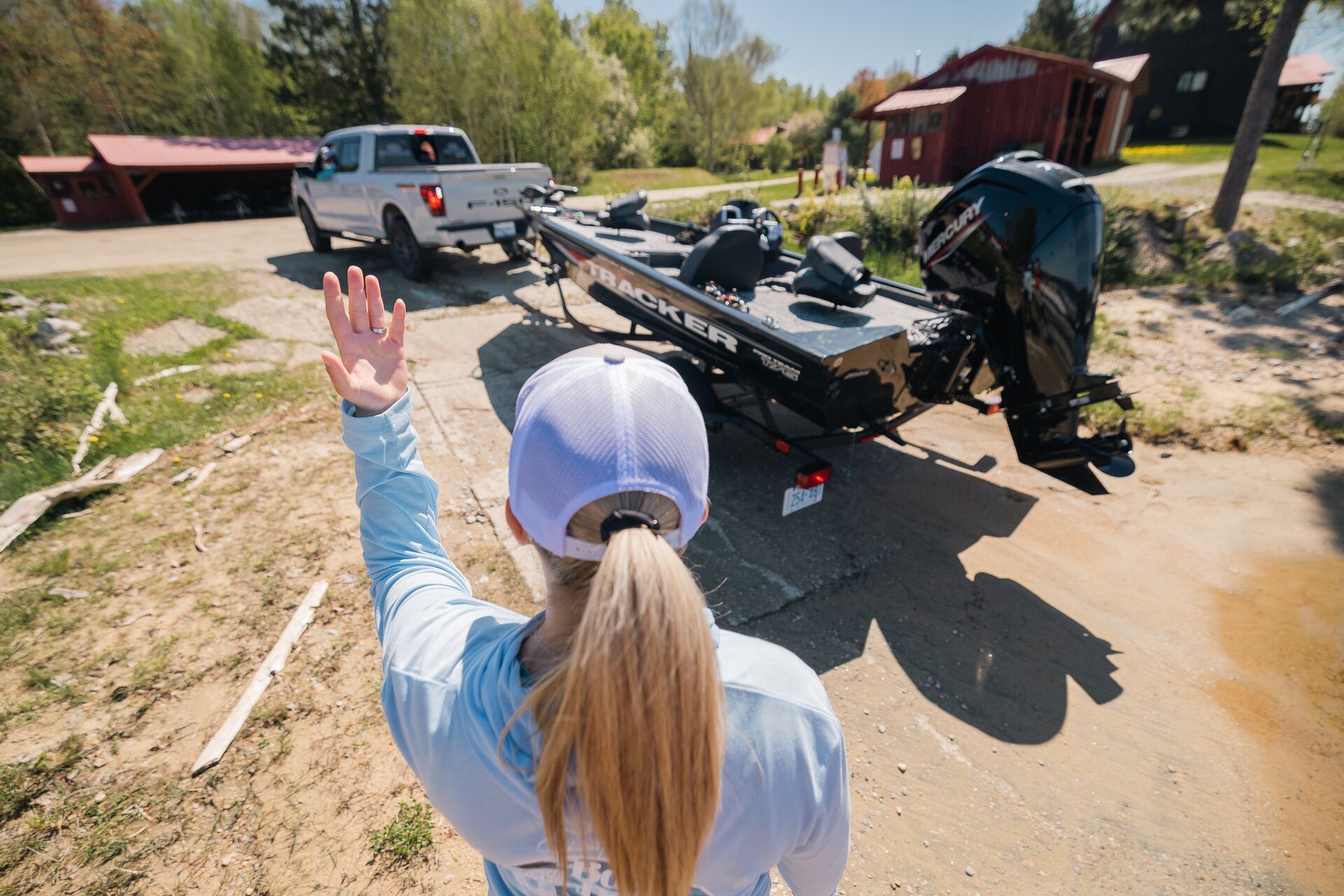
Ramp traffic can build up significantly, especially on summer holiday weekends. Always plan to arrive earlier than you think, with all your gear stowed and ready to go before you hit the ramp.
Ramps are a serious hazard and can cause harm to both yourself and your vessel if not respected. Ensure you're approaching the ramp with respect and have a backup plan if the launch site is at capacity.
Once on the water, reduce speed in congested areas and increase following distance in heavy traffic.
Summer-Specific Hazards to Watch For
Summer is a high-risk period due to weather conditions, increased water usage, heavier traffic, and more inexperienced boaters on the waterways. Explore some of the major risk factors below in addition to the summer boating checklist above.
- Heat stroke on the water: Heat stroke is no joke. If someone is showing signs of confusion, dry skin, or a lack of sweating, they may be suffering from heat stroke. Move the affected person to the shade, cool them down, and call for help. To minimize the risk of heat stroke, keep hydrated, limit alcohol intake, and take plenty of breaks in the shade. A basic first-aid course should cover heat stroke, helping you feel more confident on the water.
- Summer thunderstorms: At the first signs of thunderstorms such as lightning or thunder, get off the water immediately. Staying out on the water can leave you vulnerable to strikes and other dangerous environmental conditions. Once you're on the shore, wait at least 30 minutes after the last lightning strike before returning.
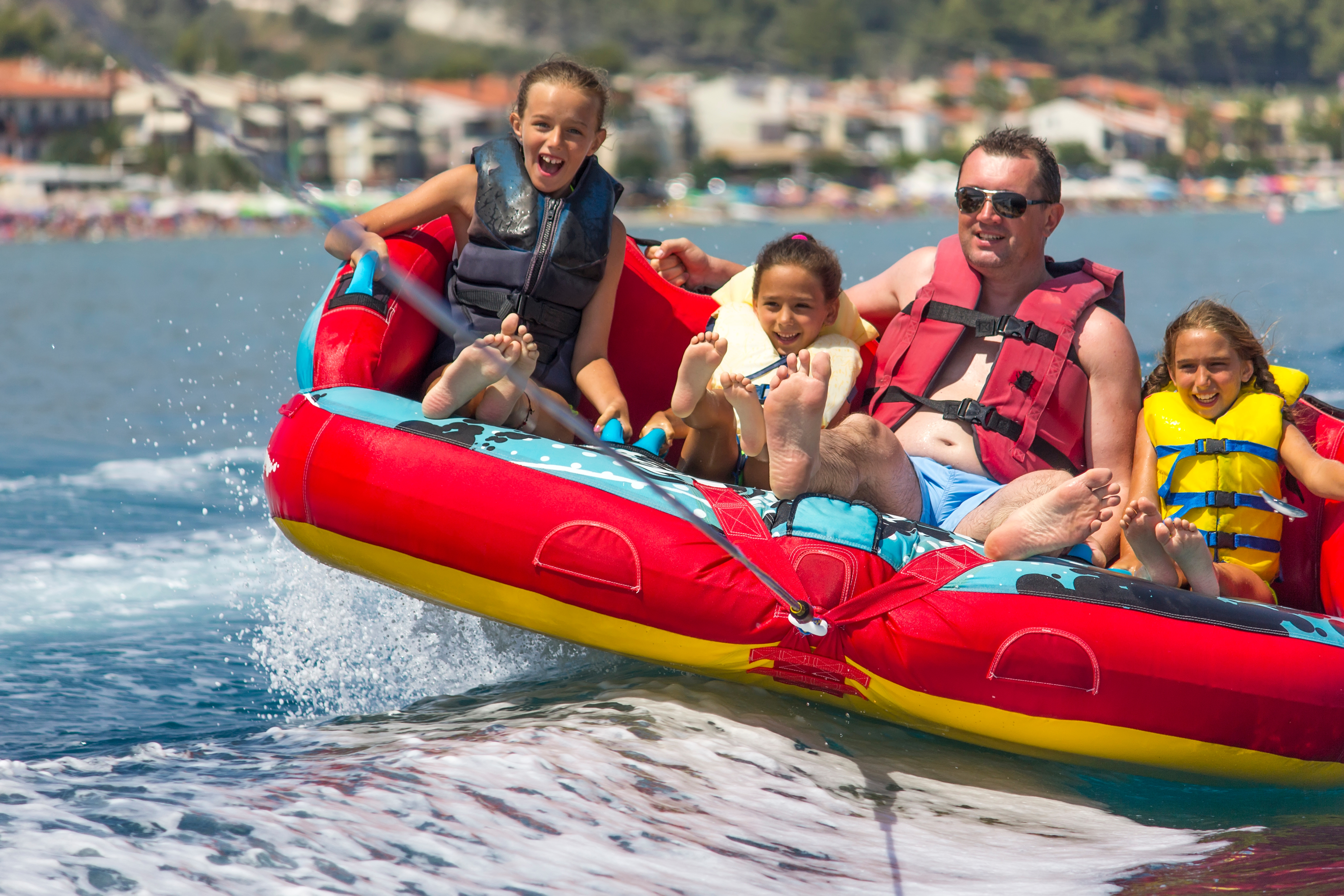
- Waterway congestion: Heavy summer use leads to more vessels, including inexperienced boaters. Slow down, scan the environment, and give other boaters plenty of space. Never assume that other operators will follow navigation rules.
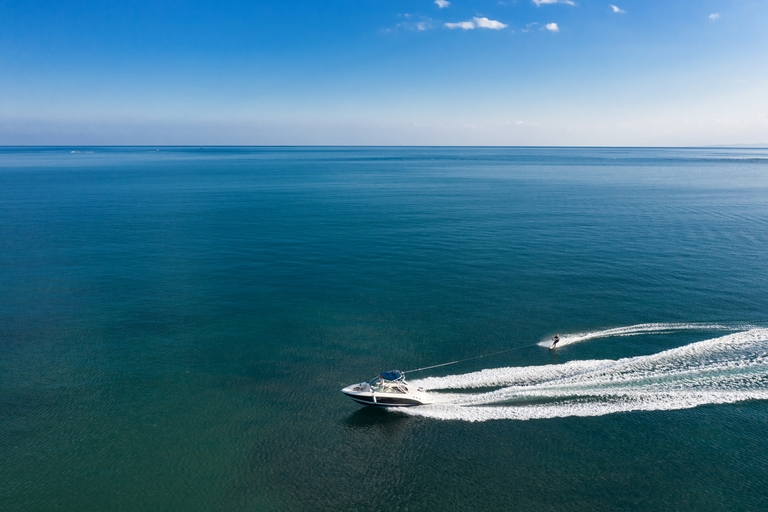
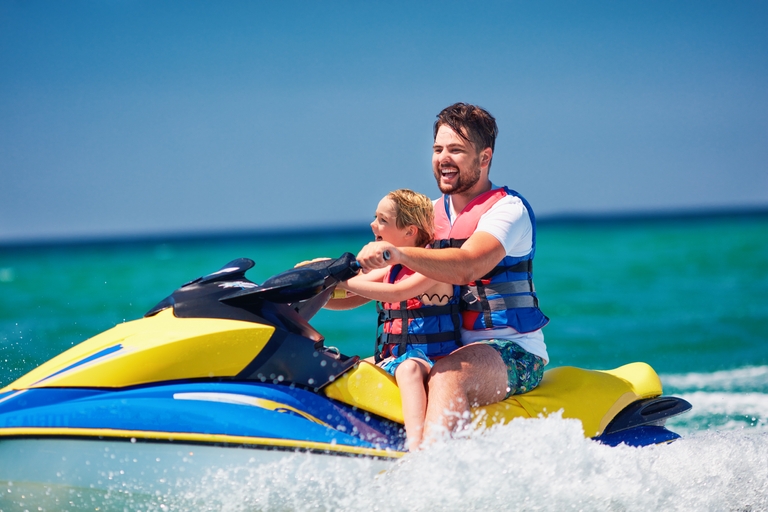
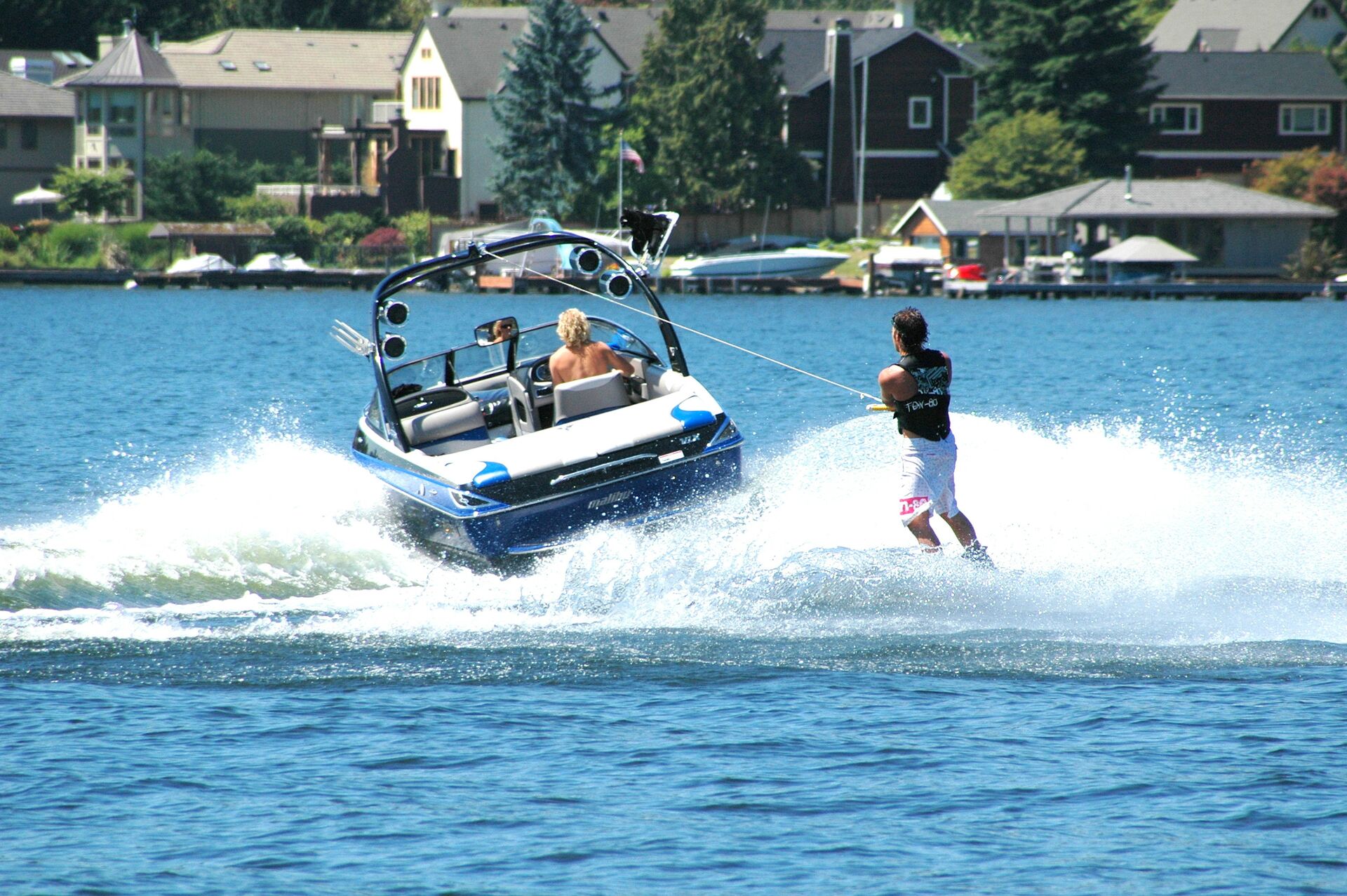
- PWC and tow sports: Watersports, tubing, wakeboarding, and PWC use peak during summer. Know the rules for towing and designate an observer alongside the operator. Explore the safety features of your intended vessel, such as those for a jet ski.
If you haven't already, enrolling in a boater safety education course will cover everything you need to know about boating safety to the national standard.
Boating Safety Checklists Help You Stay Safe on the Water All Summer Long
Summer on the water doesn't need to be a high-risk period. By following the checklist, you'll cover all the essential steps necessary for a safe and legally compliant day on the water.
Most summer boating accidents are easily preventable with basic preparation and a common-sense approach to the water. Incorporate the checklist into your pre-boating strategy to reduce operator errors and minimize boating risks.
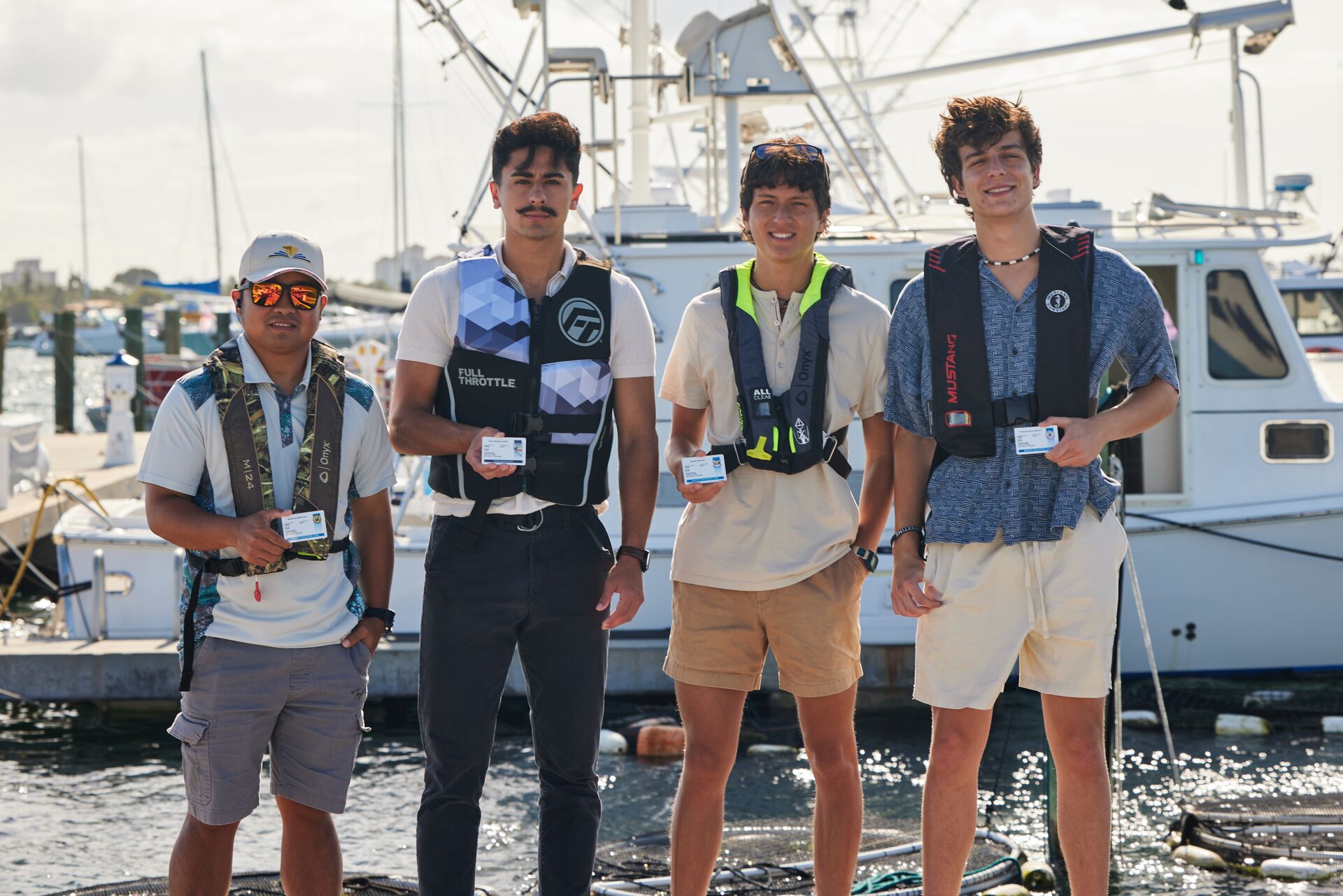
A boating safety course is one of the most essential steps in both personal safety and that of all on board your vessel, and it should be at the top of your summer safety checklist. The Boat-Ed course for your state can be completed online at your own pace, and getting certified doesn't require a full day or a classroom. Plus, the courses are 100% NASBLA-approved.

Frequently Asked Questions (FAQs)
Q: When is the most dangerous time to boat in summer?
A: Summer is the highest-risk season for recreational boating, with July and August seeing particularly high activity. Within a typical summer day, afternoon and early evening can also bring increased thunderstorm activity, so plan to be back at the dock before storms are likely.
Q: Why do boating accidents spike in July?
A: July brings heavier boat traffic, more inexperienced or seasonal operators, and increased opportunities for alcohol use on the water. The U.S. Coast Guard's 2024 data also identifies operator inattention, inexperience, and alcohol use among major contributing factors in boating incidents.
Q: What's a float plan, and do I need one every trip?
A: A float plan is a record of your trip details, such as your route, expected return time, passengers, and vessel information. It's a good practice to file one before every trip, even if you're only going out for a short time, because it gives someone a starting point for finding you if something goes wrong.
Q: How do I choose and check a marine weather forecast before departure?
A: Use a current marine forecast for the waters you'll be boating in and check it shortly before departure. Look for wind, waves, storms, and Small Craft Advisories or other warnings. Then, consider whether those conditions are appropriate for your boat and experience level. The National Weather Service recommends obtaining the latest marine forecast and warning information before setting out.
Q: Do I need any extra gear for boating in hot weather?
A: Summer doesn't necessarily require special safety equipment, but bring extra water and sun protection. Sunscreen, a wide-brimmed hat, sunglasses, and lightweight or long-sleeved clothing can help protect against heat and UV exposure. Carry charged emergency communication equipment, such as a VHF marine radio.
Q: How do I recognize and respond to heat stroke on a boat?
A: Confusion, altered mental status, loss of consciousness, and hot skin with little or no sweating can be signs of heat stroke. Treat it as a medical emergency: call 911, move the person to a cooler or shaded area, remove excess clothing, and begin rapid cooling with cool water or wet cloths while waiting for medical help.
Q: What should I do if I get caught in a summer thunderstorm on the water?
A: Head toward shore or safe shelter as quickly as you can when you see or hear a nearby thunderstorm. If you can't reach shore, follow your boat's storm-safety procedures and get as low as possible if there's no cabin. The National Weather Service recommends waiting at least 30 minutes after the last thunder before resuming outdoor activity.