How to Pass Your Boating Safety Course the First Time
If you want the best chance at passing your boating safety course on the first try, it's essential to work through each chapter in order, take the quizzes seriously, and review any topics you missed before you move forward.
Also, put some additional focus on PFD requirements, emergency procedures, and navigation rules, because these are the most frequent topics on the exam. Students who take our course at Boat-Ed have a 90%+ pass rate on their first attempt, and studying the chapter quizzes carefully can help make passing easier for you.
Here are some valuable boating safety course study tips to consider, so you can take a NASBLA-verified course, start studying, and have a higher chance of passing your exam the first time around.

What to Expect From the Boating Safety Course Final Exam
Our final exam at Boat-Ed is multiple-choice, and most states require a standard passing score of 80% or higher. A few states, like Florida, only require 75% to pass.
The exam isn't timed, so you can read carefully and won't have to rush. You'll need to prepare beforehand, because you won't be able to review the course material during the exam.
Chapter quizzes and the final exam are separate. You’ll need a 70% or higher to pass quizzes and at least 80% to pass the final exam. The exam will draw on the content covered in the course chapters, including the animations.
Boater Safety Course: What to Expect | ||
| Chapter Quiz | Final Exam | |
| Passing Score | 70% | 80% |
| Retakes Allowed | Unlimited | Unlimited |
| Content Scope | Single chapter | Full course |
| When It Appears | End of each chapter | End of the course |
| Can Review Course Material | Yes | Yes |
| Purpose | Reinforce learning as you go | Certify course completion |



7 Boating Safety Course Study Tips to Pass Your Exam the First Time
The right study tips can make all the difference when you're wondering how to pass boating safety exam questions. Good tips make it easier to remember the material and increase your confidence, which may help you succeed.
1. Read Each Chapter Fully Before the Chapter Quiz
It can be tempting to skim a chapter and focus only on the high points, but that can lead to missed details that show up on the exam. Courses are structured so that each chapter builds on the last, so reading through them in order is important.
2. Take Notes on the Most-Tested Topics
Among the most-tested topics are navigation rules, like right-of-way, stand-on, and give-way vessels, along with PFD types, requirements, and when boaters must wear each kind. You should also take notes on sound signals, distress signals, and emergency procedures, as these are consistently tested.
3. Use Chapter Quizzes as Study Tools, Not Checkboxes
If you miss an answer on a chapter quiz, review it before moving on. It's vital to understand why the correct answer is the right one, and why you got the question wrong.
Every chapter quiz is a small preview of the style and phrasing you'll find on the final exam.
4. Watch All Video Animations
The animations in our Boat-Ed courses aren't supplemental. Exam questions can be drawn from them.
Visual scenarios like passing, docking, and crossing situations are common in final exam questions, so watch every animation and rewatch anything that's related to a chapter quiz question that you answered incorrectly.
5. Spend Extra Time on State-Specific Laws
Many states have mandatory boater education. These safety courses include specific content on topics like age restrictions, personal watercraft rules, and required equipment unique to your state.
If you're focusing only on general boating knowledge, these questions can be easy to miss.
6. Take the Exam When Rested
If you're tired, you could misread questions or make careless errors, so plan to take your exam when you're feeling focused. There's no time pressure, and it's more important to stay sharp than to work through the exam as quickly as possible.
7. Read Every Question Carefully (Qualifiers Change the Answer)
Words like "always," "never," "except," and "required" can significantly affect the answers to exam questions.
Read all the choices given on a question before you pick one, and if you're not sure, eliminate all answers that are clearly wrong first. Then, you can think through the remaining options.
Which Topics Appear Most Often on the Boating Safety Exam?
There are a few topics that you'll find throughout nearly every boating safety course final exam. If you want to have a better chance of passing the first time, spending extra time on these topics can help.
- Navigation rules: Crossing situations, right-of-way, overtaking, and meeting head-on
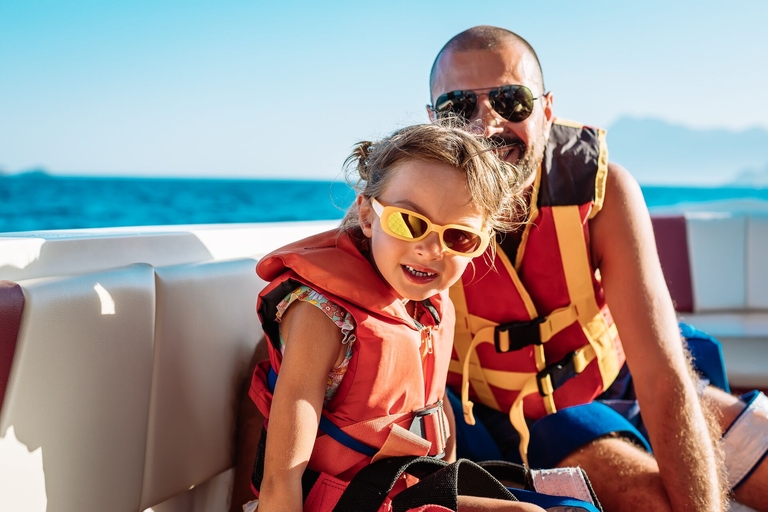
- PFD requirements: Types of PFDs, who must wear them, and when they must be worn
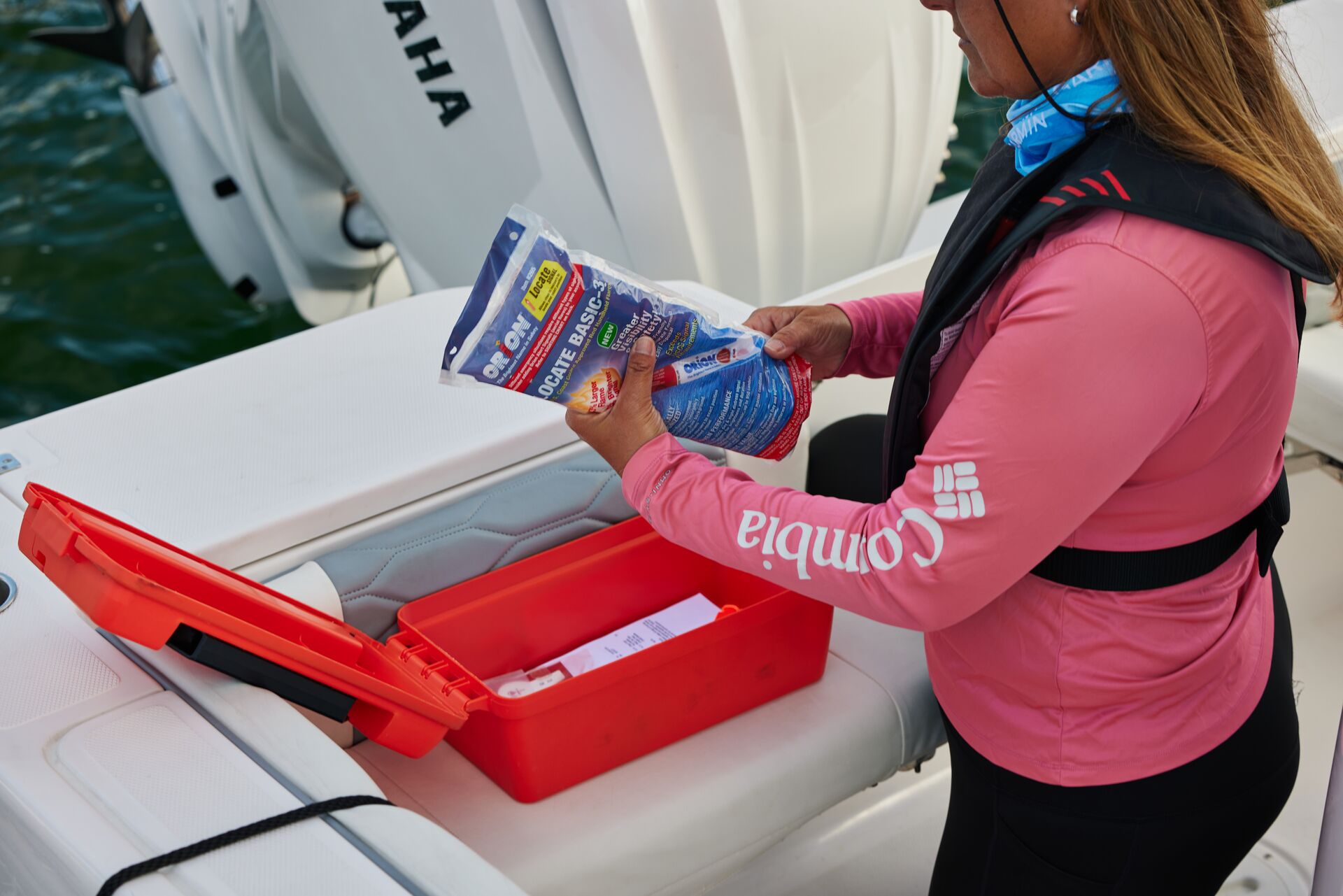
- Emergency procedures: What to do if there’s a fire on board, if there’s a man overboard, if the vessel is taking on water, and handling distress signals
- Sound signals: The meaning of one blast, two blasts, and five short blasts
- Alcohol and boating: Boating under the influence (BUI) information like legal limits, impairment effects, and penalties
- Registration and documentation: Legal requirements to help you stay compliant
- State-specific laws: Speed limits, equipment requirements, and no-wake zones
While other topics can appear on the final, it's crucial to spend the majority of your time on the topics that show up most often.
What Happens If You Don't Pass?
Most Boat-Ed courses allow unlimited exam retakes, so you can return to your course material before you retake the test. There's no waiting period, but it's important to review what you missed and understand why it was incorrect before you retake the test.
In states that have mandatory boater education, the test for getting your boating license is designed to be passable by anyone who thoroughly engages with the course material. You can pass your boating safety test, and the students who struggle the most are those who rush through the material or skip the quizzes.
Ready to Pass Your Boating Safety Course? Start Here
The tips above show how the course is built and how to approach it, so you can follow the structure, engage with the quizzes, and watch the animations to gain the knowledge you need. To have the best chance of passing your boating safety course on the first try, take your time with the chapter material and don't skip the quizzes.
By getting your boating license, you'll not only be complying with state law for operating a motorized vessel, but you'll also be a safer and more confident boater. When you're ready to get started, choose the course for your state (or take our course for Canadians), then use the boating safety course study tips we shared today to work through the Boat-Ed course material and be ready to take the exam.


Frequently Asked Questions (FAQs)
Q: What's the passing score for the final exam?
A: Most states require at least 80% to pass the final exam of a boater safety course. Some states have a lower requirement, such as Florida, where the passing score is 75%.
Q: Can I retake the exam if I fail?
Q: Are there practice tests before the final?
Q: Which topics appear most on the test?
Q: How long do I have to take the exam?
Q: Can I review content during the exam?
Q: What if I close the browser during the exam?