How to Treat Hypothermia on a Boat: First Response Guide

If you need to treat someone for hypothermia on a boat, first get the person out of the water. Then, remove their wet clothing and wrap them in dry layers or blankets to help warm their core (chest, neck, head, and groin), not their extremities.
If they're conscious, give them warm fluids (non-alcoholic), and remember that severe hypothermia means the person needs professional medical care as soon as possible.
Water temperatures that are well below air temperature pose a significant risk, even on warm days. Here's what you need to know when someone falls overboard and how to form a good hypothermia treatment boat plan.

What Are the Signs of Hypothermia?
Signs of hypothermia can vary depending on whether the condition is mild or severe.
Mild hypothermia symptoms include:
- Shivering, as the body tries to generate heat
- Mumbling or slurred speech
- Loss of coordination and clumsiness
- Impaired judgment or confusion
Severe hypothermia symptoms include:
- Shivering stops, which is a warning sign, not an improvement
- A weak or absent pulse
- Very shallow, slow breathing
- Drowsiness or loss of consciousness
A hypothermia victim might not recognize their own symptoms due to impaired judgment. So, watch out for your fellow passengers and note any behavioral changes after they fall into cold water.
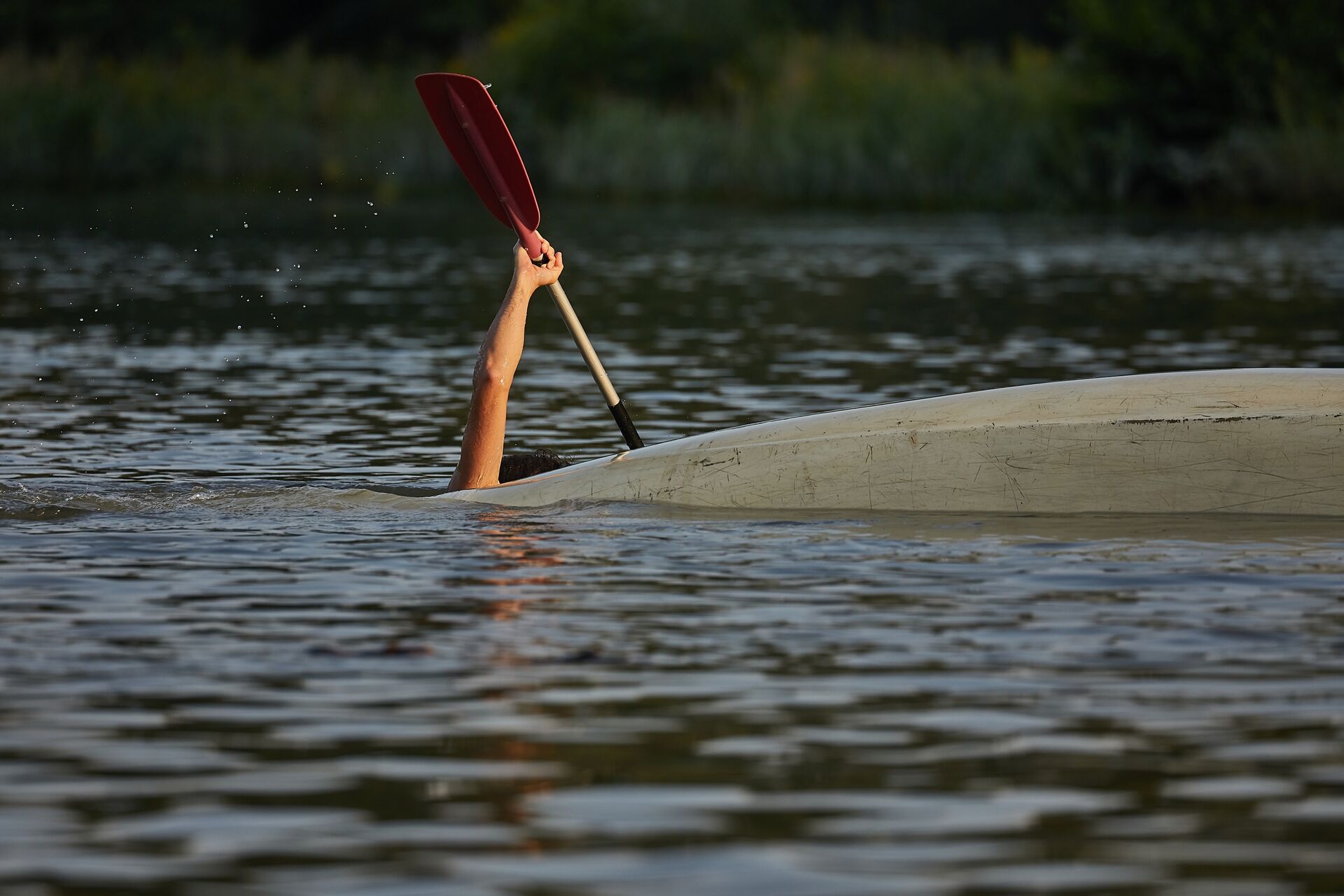
If you're the one who fell in, such as after capsizing a canoe or kayak, take time to assess your situation before deciding to proceed with your trip. It's generally safest to travel with others, so you can all watch out for one another.
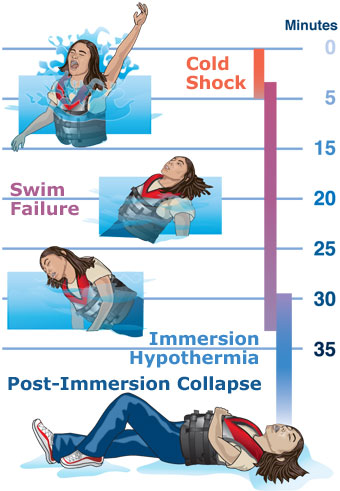
The Four Stages of Cold Water Immersion
Cold water immersion has four distinct stages. The more you understand about them, the more easily you can spot warning signs with fellow passengers and get them the help they need, right away.
4 Stages of cold Water Immersion | |||
| Stage | Time Frame | What Happens | What to Do |
| Cold Shock | 0–3 minutes | Sudden immersion triggers an involuntary gasp reflex, hyperventilation, and rapid spike in heart rate and blood pressure. Panic is common. Drowning risk is highest at this stage. | Stay calm. Do not try to swim. Focus on keeping your head above water. Grab the boat or any floating object. If wearing a life jacket, let it do the work. |
| Swimming Failure | 3–30 minutes | Cold water numbs the muscles and limbs. Coordination and strength deteriorate rapidly, making swimming increasingly difficult or impossible. The body becomes more vertical in the water. | Do not attempt to swim to shore unless it is within a very short distance. Stay with the boat or a floating object. Signal for help. Conserve energy and limit movement. |
| Hypothermia | 30+ minutes | Core body temperature drops below 95°F (35°C). Shivering may stop. Confusion, slurred speech, and loss of consciousness become likely. Survival depends on rescue and immediate rewarming. | Get the victim out of the water immediately. Remove wet clothing. Warm the core (chest, neck, head, groin). Handle gently. Call for emergency help. Do not give alcohol. |
| Post-Rescue Collapse | During or after rescue | Blood pressure can drop suddenly when the victim is removed from the water. Cold blood from the extremities floods the core. Cardiac arrest risk increases. Victim may appear to be recovering but destabilize quickly. | Keep the victim horizontal. Handle with extreme care (no sudden movement or lifting by the limbs). Continue warming the core. Monitor breathing. Begin CPR if breathing stops and you are trained to do so. |
Hypothermia Treatment Boat Support: Step-by-Step
Being able to start hypothermia treatment on your boat while heading back to shore for medical support could save a life. Here's what to do, step by step.
- Get the person out of the water and move them to the interior of the boat or the most protected area available.
- Remove their wet clothing right away, because wet fabric increases heat loss.
- Wrap the person in dry blankets or other layers, and cover them from head to toe if possible. They can lose significant body heat from an uncovered head.
- Warm their core first by applying warmth to their chest, neck, head, and groin. Focus on these areas instead of their arms and legs.
- Give the person warm (not hot) non-alcoholic, non-caffeinated liquids if they're conscious and able to swallow them safely. Try for warm water, broth, or warm sweet drinks.
- Handle the person gently if you need to move them, because rough handling or moving them too aggressively can cause cardiac arrest, especially in more severe cases.
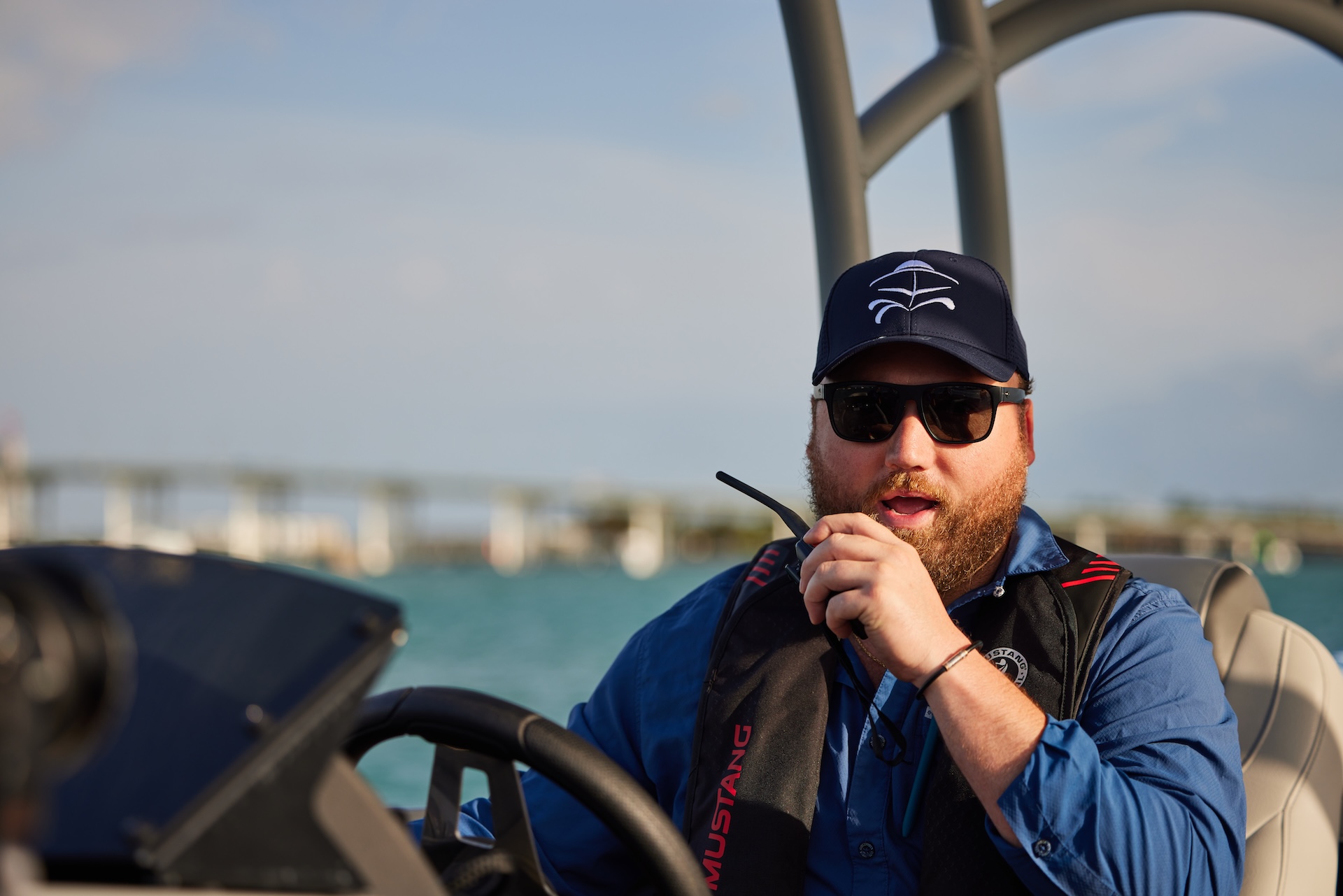
- Use your VHF radio to contact the U.S. Coast Guard on Channel 16 for emergency medical help, or call 911 if you're close to shore.
Do what you can for the person as you head toward shore, even if you can't do everything on this list. The sooner the victim gets help, the better their chance of recovery.
What Not to Do
Along with doing what you can for a hypothermia victim, it's essential to understand what kinds of things you shouldn't do.
- Don't give the victim alcohol, because it causes blood vessel dilation, which accelerates heat loss at the person's core.
- Don't rub or massage the person's limbs, as this can push cold blood toward their heart and cause cardiac problems.
- Don't use direct heat from heating pads or hot water, and focus on gradual rewarming instead.
- Don't assume the person is fine if they stop shivering, because that can be a symptom of progression to severe hypothermia.
- Don't leave them alone, even if they say they're okay or that you don't have to watch over them.
Even with the best of intentions, it's possible to put a hypothermia victim at increased risk if you or other passengers on your boat don't understand what to avoid. Knowing what not to do is as critical as knowing what you can do to help.
When to Call the Coast Guard
When responding to a boating emergency that involves a person overboard, you need to act quickly. Along with hypothermia treatment boat support plans, you can contact the Coast Guard for help. Calling the Coast Guard is vital if the victim is unconscious, not breathing, or unresponsive.
To get help fast, use VHF Channel 16 and provide your position in the water, the number of people aboard your boat, and the nature of the emergency. Any victim who's showing severe hypothermia, like a weak pulse, altered consciousness, and no shivering, should be treated as soon as possible.
Don't wait to see if a hypothermia victim gets better. Call the Coast Guard immediately, and do what you can while waiting for help. That should include keeping the victim horizontal, continuing to warm their core, and monitoring their breathing. If the victim stops breathing, start CPR if you're trained to do so.
How to Prevent Hypothermia on a Boat
Preventing hypothermia is important and reduces the risk of harm to you and your passengers. There are several ways to protect yourself and others while boating.
- Always dress for the water temperature, not the air temperature, and never assume you can't or won't fall overboard.
- Wear a properly fitted life jacket, as these PFDs provide insulation and will keep a person's head above the water if they lose consciousness.
- Keep dry bags on board with extra layers, have warm beverages in a thermos, and carry an emergency blanket.
- Consider wearing a wetsuit or drysuit if you're in cold-water conditions or planning some early-season boating.
- File a float plan and make sure someone onshore knows your route and return time.
- Take a boating safety course, even if your state doesn't require it, because certified boaters have more information that can help them recognize and handle emergencies.
While it's not always possible to prevent hypothermia while boating, taking the right steps can help reduce risk and increase your confidence on the water.
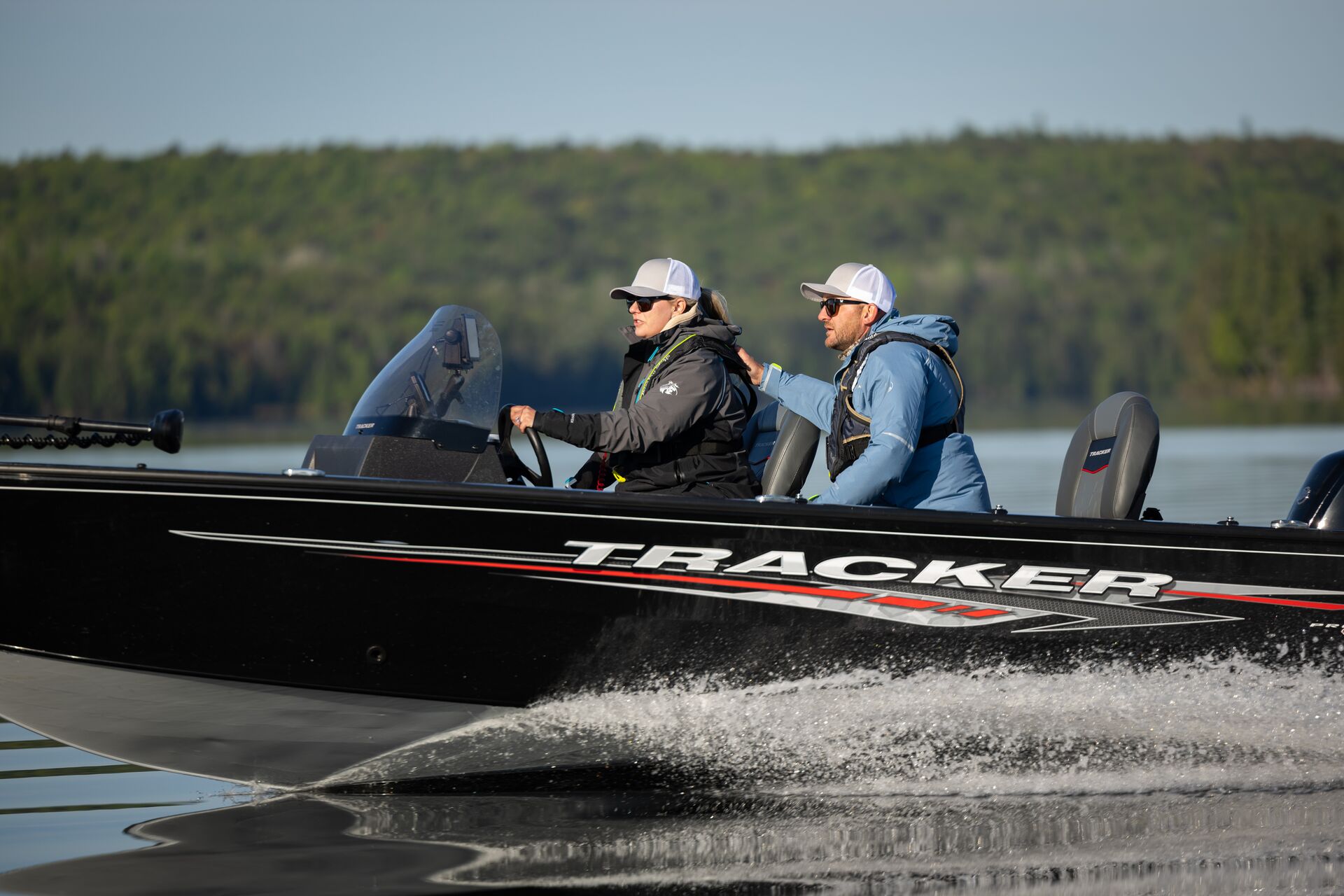
Be Prepared for Cold Water Immersion Before Leaving the Dock
Immersion in cold water can quickly lead to life-threatening hypothermia, and getting the person out of the water, warming them, and reaching out for help are within reach of a prepared boater.
Being ready before you leave the dock is an effective preventive strategy, including knowing what to do and what to avoid. With a boating safety course, you'll have the knowledge and confidence to handle emergencies if they happen on the water.


Frequently Asked Questions (FAQs)
Q: What are the early signs of hypothermia?
A: Early signs of hypothermia can include shivering, slurred or mumbling speech, clumsiness, poor coordination, confusion, and impaired judgment. Someone experiencing hypothermia may not realize anything is wrong, so watch for changes in behavior after a person falls into cold water.
Q: How fast can hypothermia set in?
A: There isn't one set timeline for how fast hypothermia sets in. Hypothermia can develop quickly in cold water because water removes body heat much faster than air. Water temperature, clothing, wind, body size, and how long someone remains immersed all affect how quickly body temperature falls.
Q: Should I warm the arms and legs first?
A: No. Focus on warming the person's core, particularly the chest, neck, head, and groin. Avoid applying heat directly to the arms and legs, since this can send cold blood back toward the body's core.
Q: Can I give alcohol to warm someone up?
A: No. Don't give alcohol to someone with hypothermia. Alcohol can cause blood vessels to expand, increasing heat loss, and can also impair judgment and the body's normal response to cold. If the person is conscious and can swallow safely, offer a warm, non-alcoholic drink instead.
Q: What's the difference between mild and severe hypothermia?
A: Mild hypothermia may cause shivering, confusion, slurred speech, and poor coordination. As hypothermia becomes severe, shivering can stop, breathing and pulse may become very slow or weak, and the person may become extremely drowsy or lose consciousness. Stopping shivering is not a sign that someone is getting better.
Q: When should I call the Coast Guard?
A: When boating, call for emergency help if someone has severe hypothermia, is unconscious, unresponsive, or has dangerously slow or absent breathing. On the water, use VHF-FM Channel 16 to contact the Coast Guard. If you have cell service, you can also call 911. Be prepared to provide your location, the nature of the emergency, and the number of people involved.
Q: How can I prevent hypothermia in the first place?
A: Dress for the water temperature, not just the air temperature, and wear a properly fitted life jacket. Carry dry replacement layers, warm drinks, and an emergency blanket. In particularly cold conditions, consider a wetsuit or drysuit, file a float plan, and make sure someone on shore knows your route and expected return time.