Memorial Day Boating Dangers: How to Stay Safe This Weekend
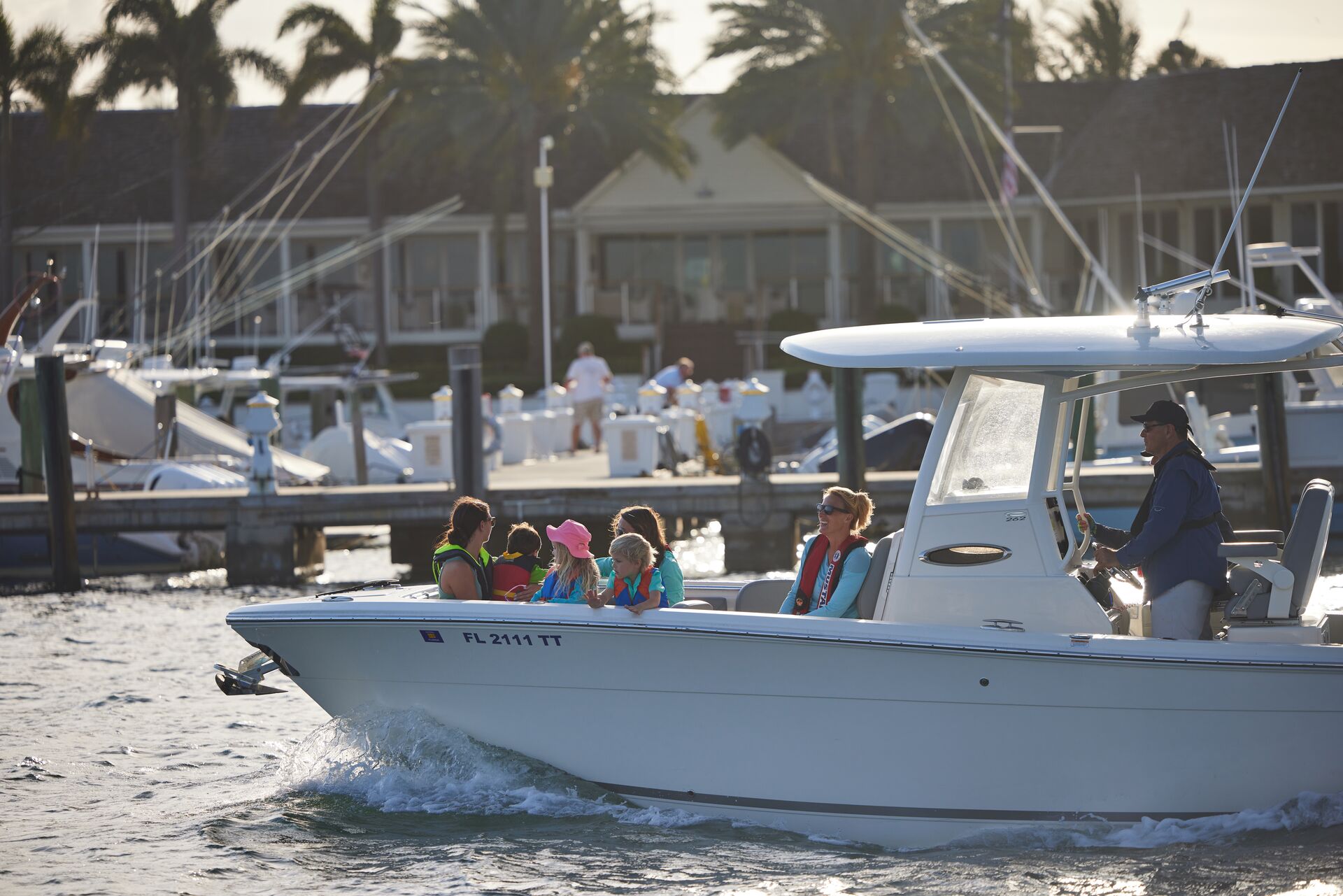
Memorial Day weekend produces more boating fatalities than almost any other weekend of the year. According to the USCG Recreational Boating Statistics, May, June, and July consistently rank as the deadliest months on the water — and the U.S. Coast Guard widely recognizes Memorial Day as one of the most hazardous holiday weekends for recreational boaters.
The combination of crowded waterways, alcohol, warm weather, and operators who haven't been on the water since last fall creates a uniquely dangerous mix.
The good news: nearly all Memorial Day boating fatalities are preventable.
Keep reading to learn what the data shows, and what every boater heading out this weekend needs to know. If you're also planning ahead for the rest of the summer, it's worth understanding the boating laws every boater should know before the season gets into full swing.
| Memorial Day Boating Safety – By the Numbers (USCG) | ||
| 556 Total U.S. boating fatalities in 2024 | 20% Percentage of fatal boating accidents involving alcohol (BUI) | 87% Percentage of drowning victims not wearing a life jacket |
| 70% Percentage of deaths on boats without a safety-educated operator | 3,887 # total boating incidents in 2024 | 75% Percentage fatalities caused by drowning |
On this Page:
- Why Memorial Day Weekend Is So Dangerous on the Water
- How to Stay Safe: 5 Things to Do Before You Launch This Weekend
- What You're Required to Have On Board
- Your Boater Education Card Is Part of Being Legal
- Get Certified to Keep Danger at Bay for Memorial Day Weekend
- Frequently Asked Questions About Memorial Day Boating Safety (FAQs)
Why Memorial Day Weekend Is So Dangerous on the Water
Memorial Day doesn't just mark the start of summer; it marks the start of the most dangerous time of year for recreational boating. Several converging factors make this specific weekend a high-risk window that goes well beyond typical weekend boating.
1. Seasonal Inexperience Spikes on Day One
Many boaters haven't operated a vessel since the previous fall. A winter away from the water means skills are rusty, boat systems may not have been inspected, and operators are reacclimating to conditions in real time — often with a full boat of passengers.
According to the 2024 USCG Recreational Boating Statistics, operator inattention, improper lookout, and operator inexperience ranked among the top five primary contributing factors in boating accidents.
That seasonal re-entry problem is compounded by the fact that Memorial Day often brings out large numbers of first-time boaters. These new boaters include people renting vessels, borrowing a friend's boat, or operating one for the first time that season without any formal training.
2. Waterways Are at Their Most Crowded
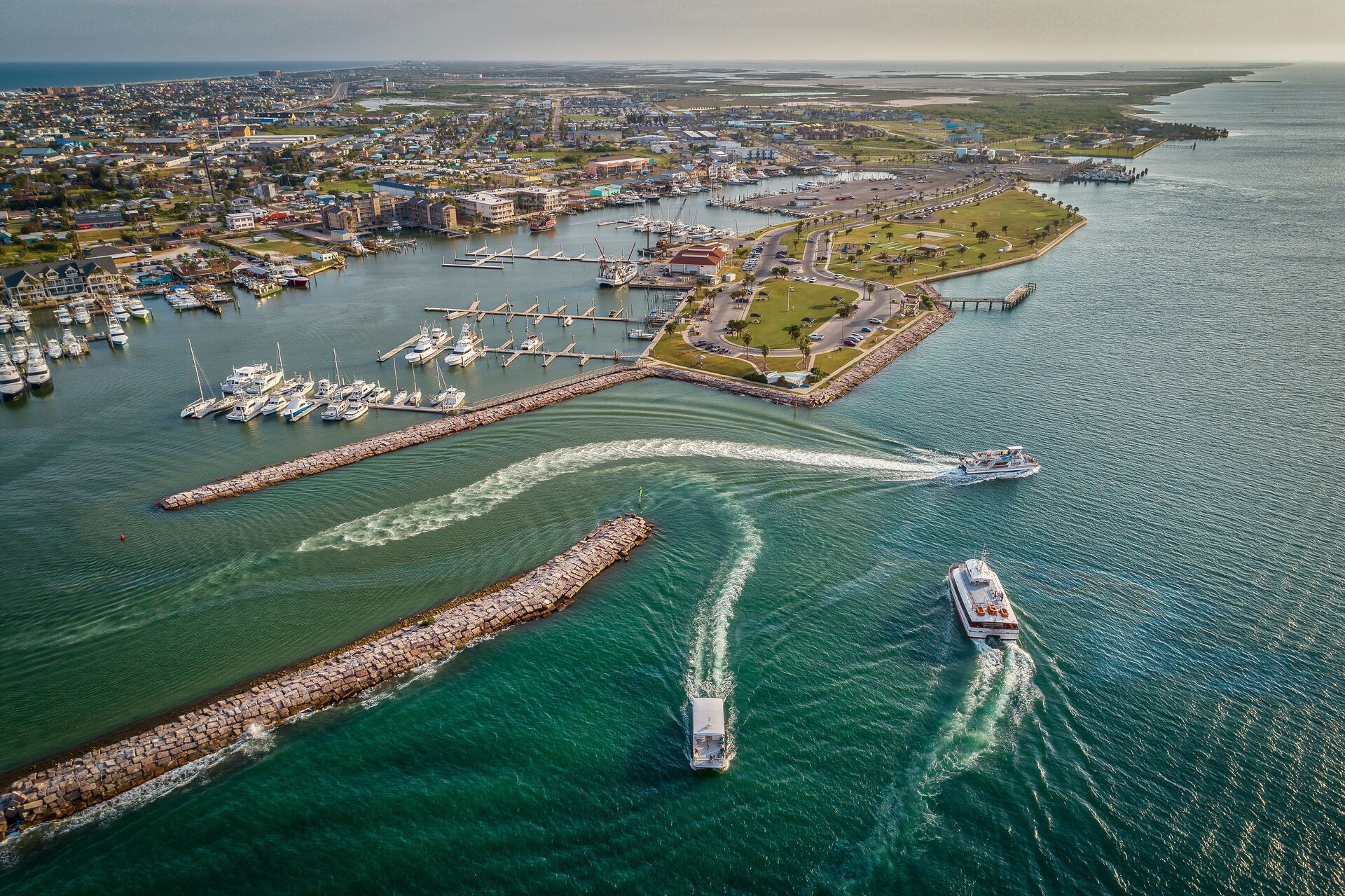
The Memorial Day weekend draws millions of Americans to lakes, rivers, bays, and coastal waters at the same time.
Congested waterways dramatically increase the likelihood of collisions, wakes disrupting smaller vessels, and situations that require experienced judgment under pressure.
A new or seasonal operator who isn't fully confident navigating traffic is far more likely to make a critical error.
3. Boating Under the Influence (BUI) Spikes
Alcohol is the leading known contributing factor in fatal boating accidents.
The 2024 USCG report found that alcohol accounted for 20% of all boating fatalities — 92 deaths in a single year. Memorial Day, with its cookouts, coolers, and all-day time on the water, creates conditions where BUI risk is at its highest.
What many boaters don't fully understand is that boating under the influence is more impairing than driving under the influence.
- Sun exposure, wind, engine noise, motion, and vibration all accelerate the physical effects of alcohol.
- A blood alcohol level that might feel manageable on land can be significantly more impairing on the water.
BUI is a federal offense and is illegal on all U.S. waterways. Penalties mirror those for DUI and can include fines, jail time, and suspension of boating privileges.
4. Life Jackets Stay in the Storage Compartment
The USCG's 2024 data found that 87% of drowning victims in recreational boating accidents were not wearing a life jacket. That statistic has remained stubbornly consistent year after year. On warm, sunny Memorial Day weekends, life jackets are routinely stowed away rather than worn, and that decision turns a survivable accident into a fatal one.
Most drownings happen fast. There is rarely time to locate and put on a life jacket after a boat capsizes or someone goes overboard. Wearing one before it's needed is the only reliable strategy.
How to Stay Safe: 5 Things to Do Before You Launch This Weekend
These five steps take less than an hour before you leave the dock, and each one addresses a primary cause of Memorial Day boating fatalities.
How to Stay Safe on the Water |
|
What You're Required to Have On Board
This is not optional equipment. Federal law mandates that every recreational vessel carry specific safety gear, and state requirements may add to that baseline.
If you get stopped by a marine law enforcement officer, you need to be ready. This happens far more frequently on holiday weekends!
Here's the federal minimum required equipment for most recreational boats:
| Required Safety Equipment Federal Requirement | |
| Life jackets (PFDs) | One USCG-approved wearable PFD per person on board. Boats 16+ feet also need one throwable Type IV device. |
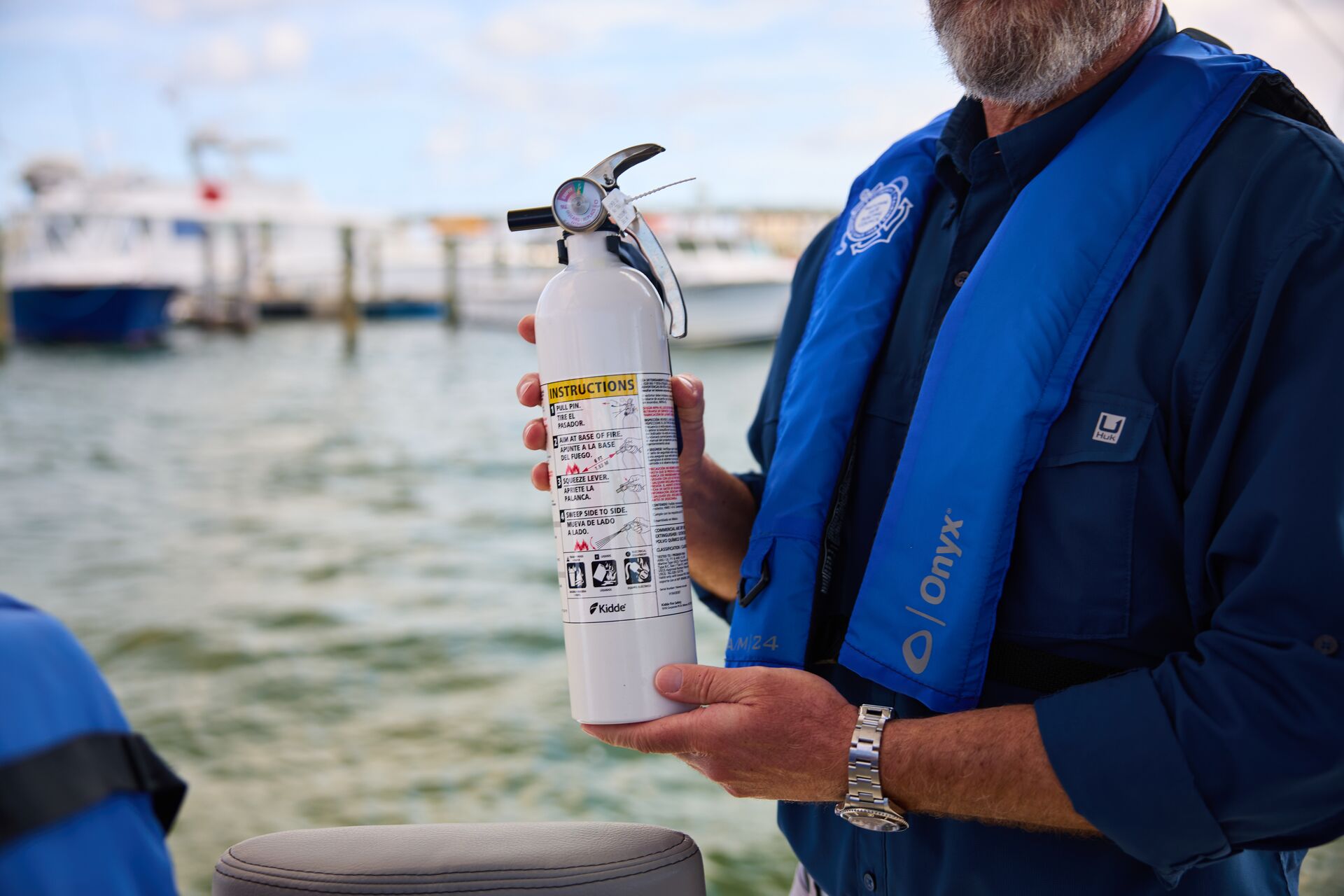
| Fire extinguisher | Required on most motorized boats (must be USCG-approved and in working condition). |
| Visual distress signals | Flares or equivalent required for coastal waters (minimum of 3 pyrotechnic devices). |
| Sound-producing device | Horn or whistle is required for all vessels. |
| Navigation lights | Required for operation between sunset and sunrise or in reduced visibility. |
| Backfire flame arrestor | Required on all gasoline-powered inboard engines. |
State requirements vary and may include additional items, such as a carbon monoxide detector, specific child PFD requirements, or registration numbers displayed in a certain format. Check your state's boating agency for the full list before heading out.
Your Boater Education Card Is Part of Being Legal
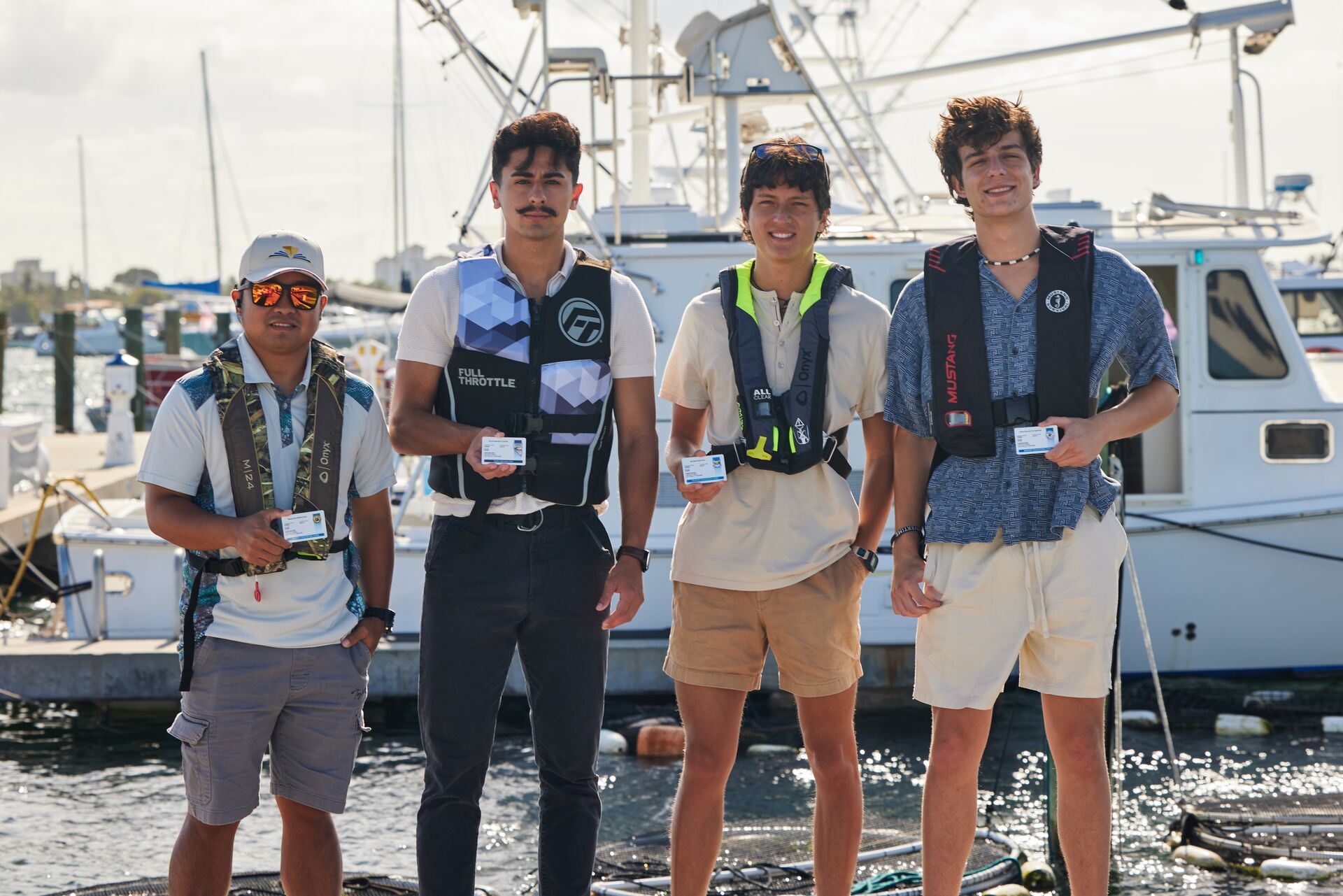
In most U.S. states, operating a motorized vessel without a boater education card is a violation.
Depending on the state, penalties include fines and, in some cases, being required to stop boating for the day. Marine officers actively enforce education requirements on high-traffic holiday weekends, and Memorial Day is among the most heavily patrolled of the year.
If you're not yet certified, getting your boater education card is straightforward and can be completed online through Boat-Ed in plenty of time to hit the water for Memorial Day Weekend. Save 20% on your Boat-Ed course with code BOAT20!
While we want you to know how to respond to a boating emergency, we'd rather you avoid one altogether! Boat-Ed and boater safety education can help you start and end the weekend on the water safely.
Get Certified and Keep Danger at Bay for Memorial Day Weekend
Memorial Day weekend is a reminder that boating safety isn't about being cautious — it's about being prepared. The data from the U.S. Coast Guard makes one thing consistently clear: the boaters who get into serious trouble are almost always the ones who weren't trained, weren't wearing a life jacket, or were operating under the influence.
If you're heading out this weekend without a boater education card, that's the most impactful change you can make before hitting the water.
It only takes a few hours to complete the course and pass the final exam. Then, print your temporary boater education card and hit the water (safely and legally)!
Find your state's boating safety course and get certified on your schedule. Save 20% on your course with code BOAT20!
Frequently Asked Questions About Memorial Day Boating Safety (FAQs)
Q: Is Memorial Day weekend really the deadliest weekend of the year for boating?
A: Memorial Day weekend is widely recognized by the U.S. Coast Guard and boating safety organizations as one of the most dangerous times of year on the water. The USCG reports that May, June, and July consistently account for the highest number of boating fatalities each year, and Memorial Day marks the opening of that period when millions of boaters (many inexperienced) hit the water simultaneously. The combination of crowded waterways, alcohol use, warm weather, and seasonal operator rust makes it uniquely dangerous.
Q: What is the leading cause of boating fatalities on Memorial Day weekend?
A: Drowning is the cause of death in approximately 75% of all recreational boating fatalities, according to the USCG's 2024 Recreational Boating Statistics. The majority of those drowning victims (87%) were not wearing a life jacket at the time of the accident. Alcohol is the leading known contributing factor in fatal boating accidents overall, accounting for 20% of fatalities in 2024.
Q: Is boating under the influence (BUI) treated the same as a DUI?
A: BUI is a federal offense on all U.S. waterways and carries penalties comparable to a DUI, including fines, potential jail time, and suspension of boating privileges. The legal blood alcohol limit for boating is 0.08% in most states, the same as for driving.
Q: What safety equipment is required by law on a recreational boat?
A: Federal law requires all recreational vessels to carry at a minimum one USCG-approved life jacket for every person on board, a fire extinguisher on most motorized boats, visual distress signals (such as flares), a sound-producing device, and navigation lights for nighttime operation. Boats 16 feet or longer must also carry a throwable Type IV flotation device. State laws may require additional equipment.
Q: Do I need a boater education card to go out on Memorial Day weekend?
A: In most U.S. states, yes. Operating a motorized vessel without a valid boater education card is a violation. Requirements vary by state, including age thresholds and which vessel types are covered. Memorial Day weekend is one of the most actively patrolled periods of the boating season, and marine officers regularly check for boater education compliance during safety stops.
Q: What should I do if someone falls overboard?
A: If a passenger goes overboard, reduce speed immediately and keep the person in sight at all times. Designate someone to point continuously at them in the water. Throw a Type IV throwable flotation device toward the victim and maneuver the boat to bring them alongside on the downwind side. Call for help on VHF Channel 16 if needed. Do not attempt a rescue swim unless you are trained to do so.
Q: How do I file a float plan before Memorial Day weekend?
A: A float plan is a written document or a message left with a trusted person on shore that includes your planned route, the names and contact information of everyone on board, a description of your vessel, and your expected return time. There is no official form required, but the U.S. Coast Guard Auxiliary provides a free template online.